A fuel card transaction posts in Dallas. Your truck's GPS shows it was in Houston at that exact minute. On the monthly statement, that fill looks exactly like every other one — right card, right fuel grade, a believable number of gallons. That is the problem with fuel card fraud: it hides in plain sight, and fleets relying on monthly receipt reconciliation take weeks to spot it, if they ever do. The fix is not more suspicion — it is checking every swipe against what the vehicle was actually doing. Start free and cross-check every fuel transaction automatically.
Fleet Fuel · Fraud Prevention & Controls
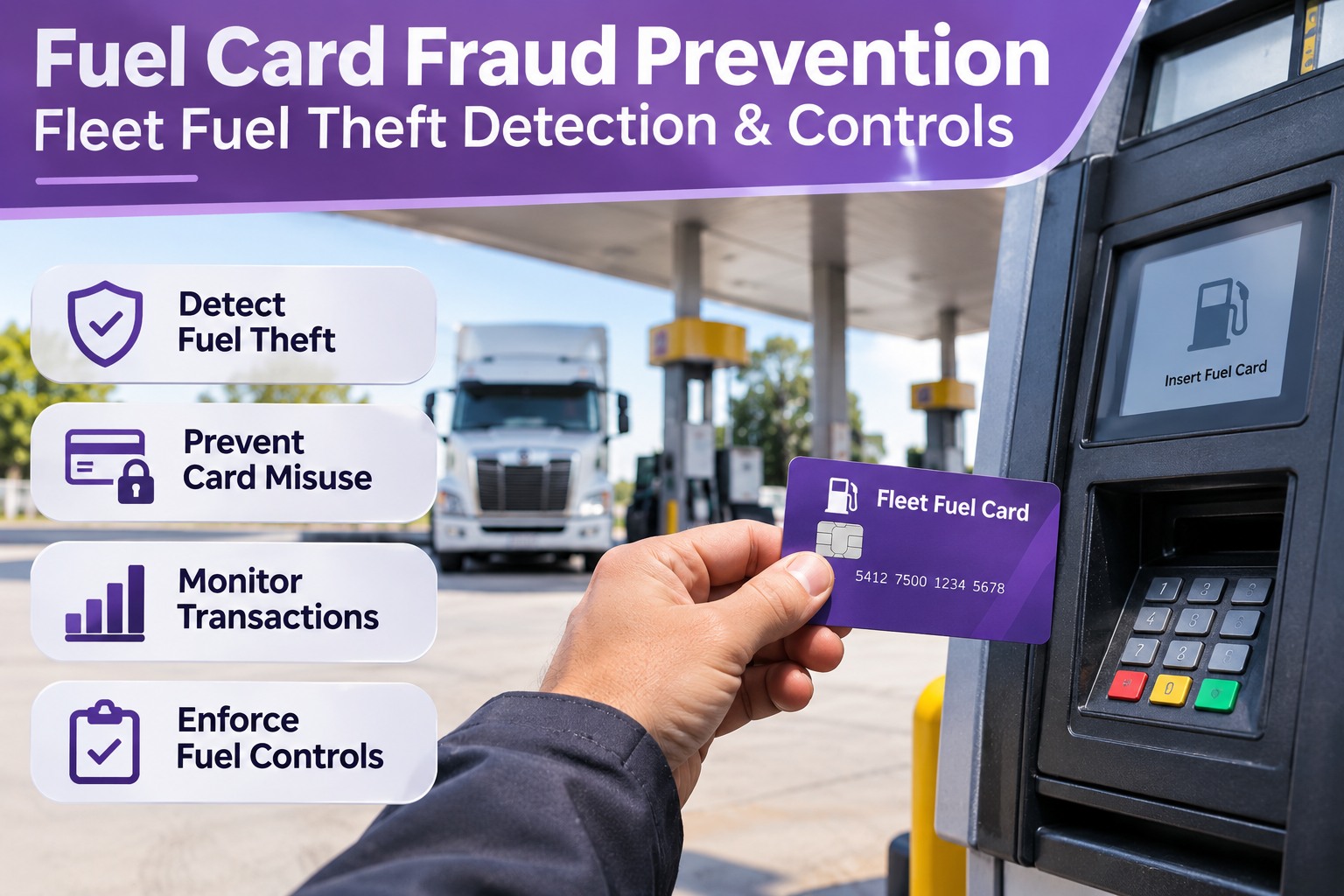
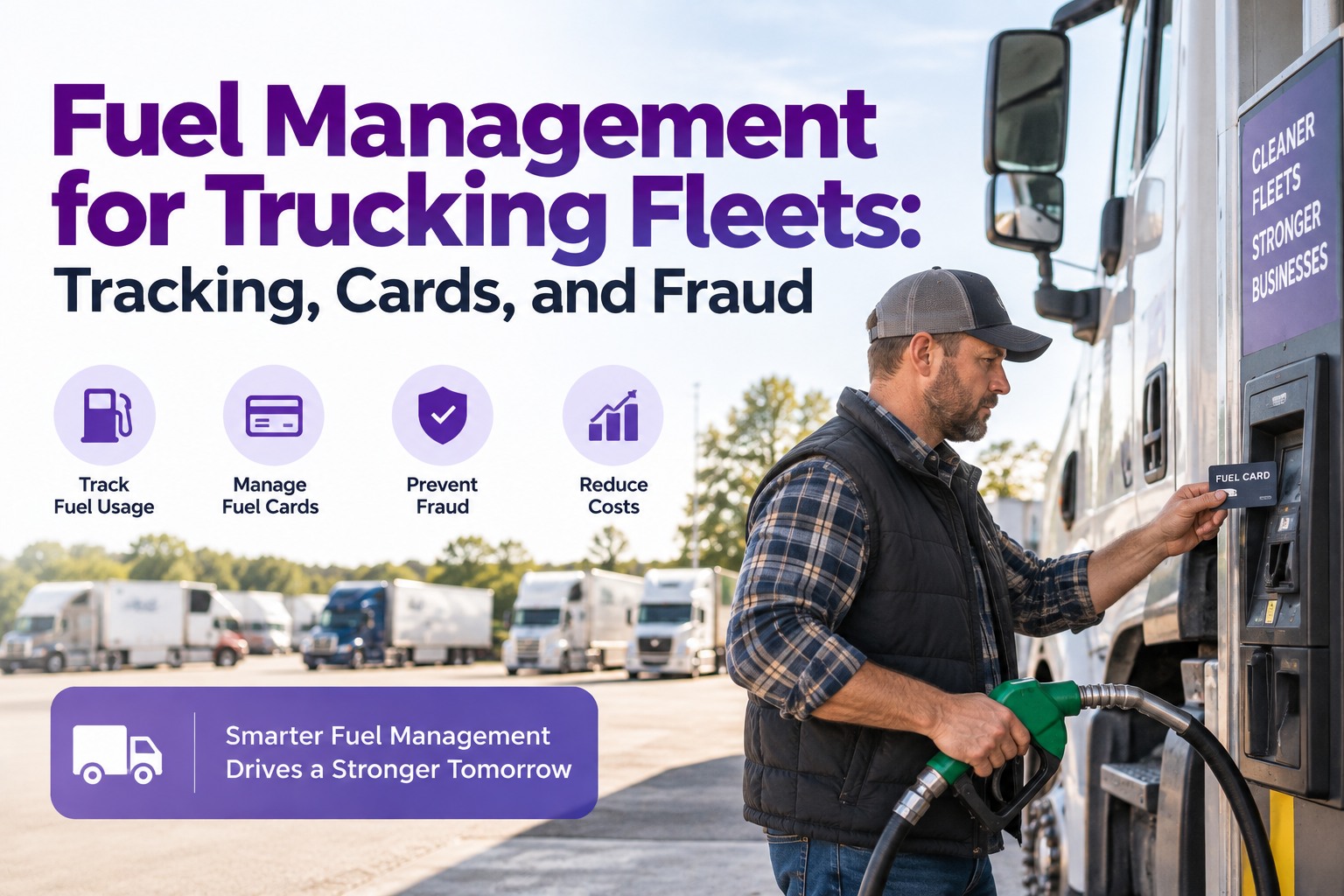
Fuel Card Fraud Prevention: Fleet Fuel Theft Detection & Controls
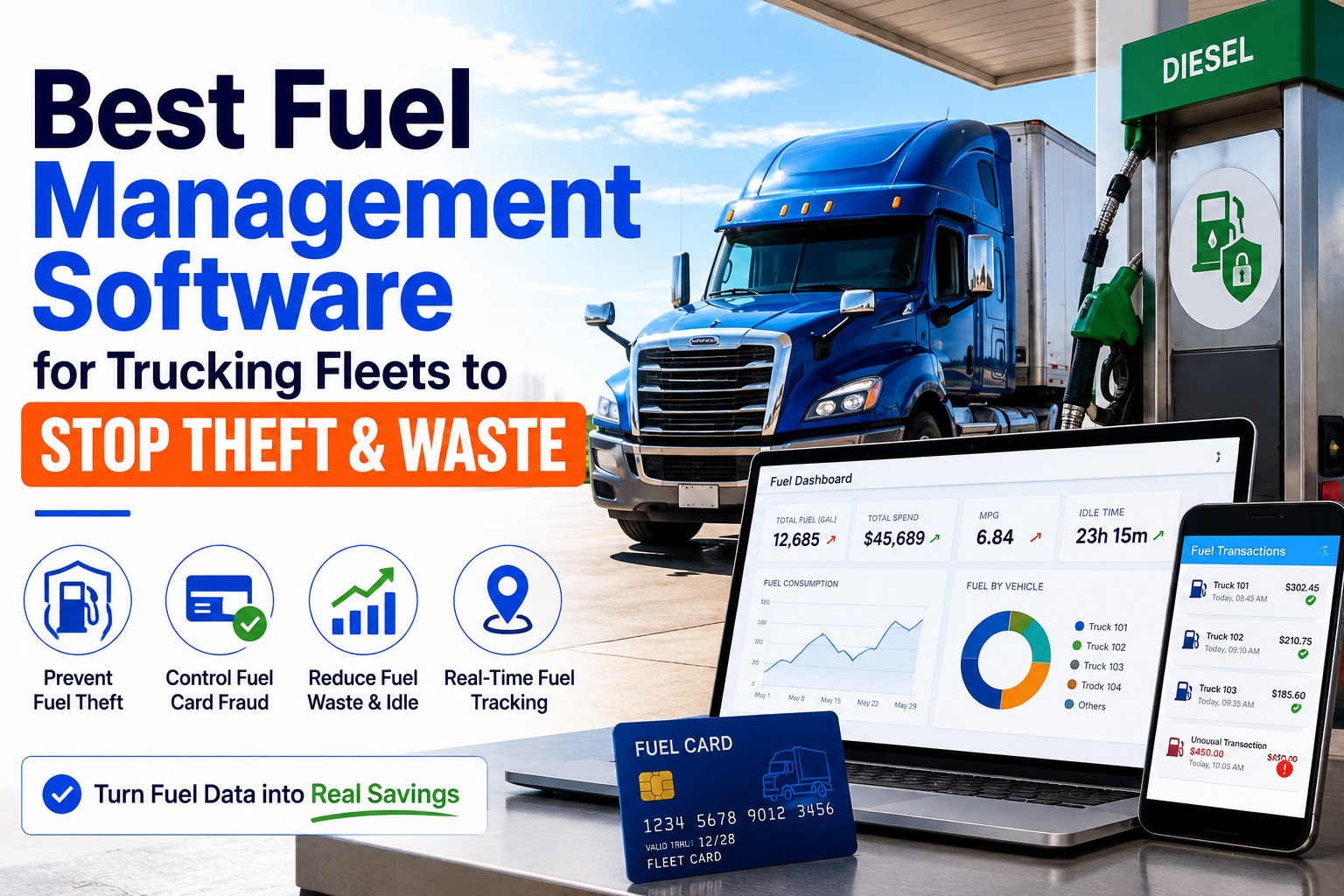
Every fraudulent fill looks legitimate on the statement — which is why manual review misses it for weeks. Truck Inspection & Maintenance Management Software runs the loop that catches it: each fuel transaction checked against the truck's GPS, tank capacity and schedule, any mismatch flagged as an exception and raised for review, and the pattern tied back to the driver and asset — so a bad swipe surfaces the same day instead of on next month's invoice.
Swipe: 78 gal · 9:40 PM · Station A
GPStruck 40 mi away ✕
Tank60-gal tank ✕
Timeoff-hours ✕
Flagged for review
~15%of annual fuel spend can be lost to fraud, slippage & waste
48 daysaverage time to detect fraud with manual receipt review
GPS matchthe single strongest fraud indicator available
Tank +5%a sensible single-fill gallon cap per vehicle
The Six Fraud Schemes — and the Signal That Catches Each
Fuel card fraud is not one problem; it is six recurring patterns, each with a data signal that gives it away. Match the signal to the scheme and the "invisible" fill becomes obvious.
SchemeWhat happensDetection signal
Side fuelingCard fills a personal vehicle or a containerGPS mismatch + gallons vs. tank capacity
After-hours useCard used outside operating hoursTransaction time vs. driver schedule
Card + PIN sharingCard handed to a friend or relativePurchases near the driver's home, off-route
Split / rapid fillsSeveral fills at one station within hoursTransaction velocity & frequency
Over-tank fillsMore gallons than the tank can holdGallons vs. registered tank capacity
Skimming / cloningStolen card data used elsewhereLocation mismatch + unusual station pattern
The Cross-Check: Six Tests Every Swipe Should Pass
Detection comes down to one idea — closed-loop verification. The fuel network confirms a card was swiped; it never confirms the truck was there. These six checks fill that gap.
01GPS locationVehicle's GPS position at the timestamp must be at the station, within a small tolerance radius.
02Tank capacityGallons pumped can't exceed what the tank physically holds — an overfill means a second container.
03Time of dayPurchases outside the vehicle's operating window get flagged for a reason.
04VelocityMultiple fills in a short span point to split transactions or resale.
05Fuel typeA diesel truck buying premium gasoline is either a mistake or misuse.
06Route / regionFills far off the assigned route or region are worth a second look.
A mismatch on location or volume is the strongest tell there is — it is the fill manual monthly review never sees. Book a demo to run all six checks on your own fuel data.
Same-Day Exceptions, Not Month-End Surprises
Manual reconciliation finds fraud six weeks late, after the money is gone. Truck Inspection & Maintenance Management Software ties each fuel transaction to the truck's location and tank, flags the mismatches the same day, and keeps the exception log tied to driver and asset — so a pattern gets caught after one fill, not fifty.
Controls That Stop Fraud at the Pump
Detection catches fraud that already happened. Controls stop it before the card clears. Most need policy and configuration, not expensive hardware.
Unique driver PINsA random PIN per driver, not per vehicle — attributability requires tying every swipe to a person.
Gallon & dollar capsCap each single fill a little above the vehicle's tank capacity; block anything larger at the pump.
Time & day limitsRestrict card use to typical operating hours so off-shift personal fills can't authorize.
Transaction countsLimit fills per day or week to a number that fits real route usage.
Product & location rulesRestrict non-fuel purchases, fuel grade, and where the card can be used.
Hard vs. soft controlsHard controls block the transaction; soft controls allow it but log it as an exception to review.
Pair the controls with a written policy, driver training, and clear steps for misuse — most "fraud" starts as an untrained habit. Start free and put controls and exceptions in one place.
When an Exception Fires: the Response
1Don't assume fraudAn anomaly can be an honest mistake — a wrong odometer, a fuel-grade slip. Investigate before you accuse.
2Pull the full data trailCompare the transaction against GPS, tank capacity, time and route for that asset and driver.
3Involve the supervisorShare the exception with the cardholder's supervisor to establish the nature of the issue.
4Act on the findingCoaching for a mistake, a voided card and policy enforcement for genuine misuse.
Frequently Asked Questions
1What is the most common type of fleet fuel card fraud?
Side fueling — a driver using the fleet card to fill a personal vehicle or a portable container, often before or after a shift or on a weekend. It is the single biggest source of internal fuel card loss, and it is caught the same way most schemes are: the gallons exceed the truck's tank, or the vehicle's GPS wasn't at the station. Matching every swipe to location and tank capacity is what exposes it.
Book a demo to catch side fueling automatically.
2How does GPS verification catch fuel card fraud?
It compares the vehicle's real-time GPS position at the transaction timestamp to the fuel station's location. If the truck was 40 miles away when its card was swiped, the fill could not have gone into that truck — so it flags instantly. Location mismatch is the strongest fraud indicator there is, because the fuel network confirms the card was used but never that the vehicle was present.
Book a demo to see GPS-to-transaction matching.
3Why are unique driver PINs so important?
Because accountability requires attributability. If a card is tied to a vehicle but not a person, an out-of-policy transaction can't be traced to who authorized it — so coaching and enforcement have nowhere to land. A random, unguessable PIN per driver ties every swipe to an individual and gives you the audit trail every other control depends on. Keep the PIN separate from the card and never shared.
Book a demo to set up driver-level tracking.
4What's the difference between hard and soft fuel card controls?
A hard control blocks the transaction outright when a rule is broken — for example, a fill above a set gallon cap or transaction count simply won't authorize at the pump. A soft control lets the transaction complete but logs it as an exception for review. Most fleets use both: hard limits for the lines that should never be crossed, soft flags for patterns a manager should see and judge.
Book a demo to configure both control types.
Cross-checked · Flagged same-day · Tied to driver & asset
Stop Paying for Fuel That Never Reached Your Trucks
Truck Inspection & Maintenance Management Software checks every fuel transaction against the vehicle's GPS, tank and schedule, raises the mismatches as exceptions the same day, and keeps the record tied to driver and asset — so fuel stops being a monthly blind spot and becomes a live-verified expense.
No credit card required. Free for up to 3 trucks. Built for fuel-cost-conscious fleets.