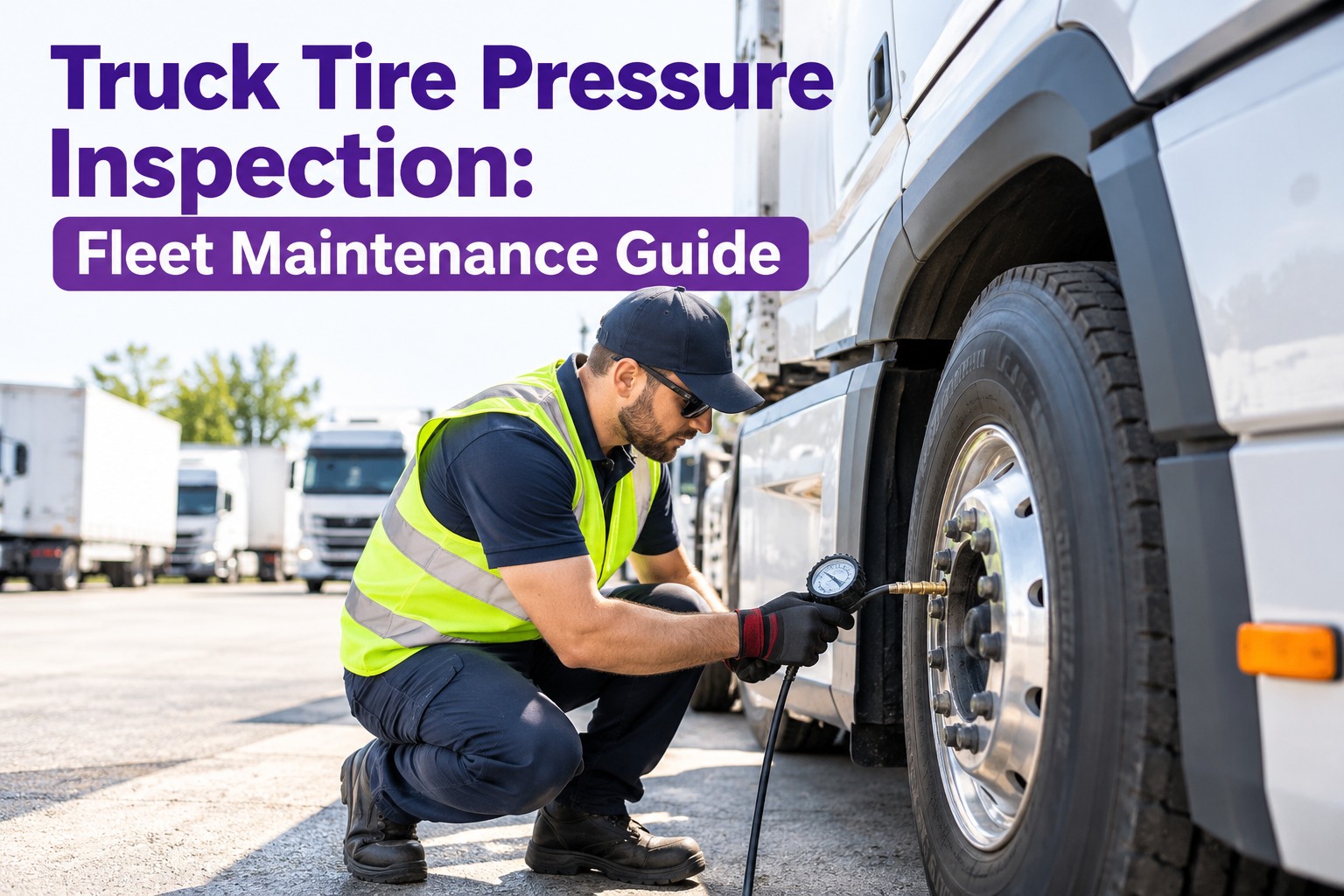
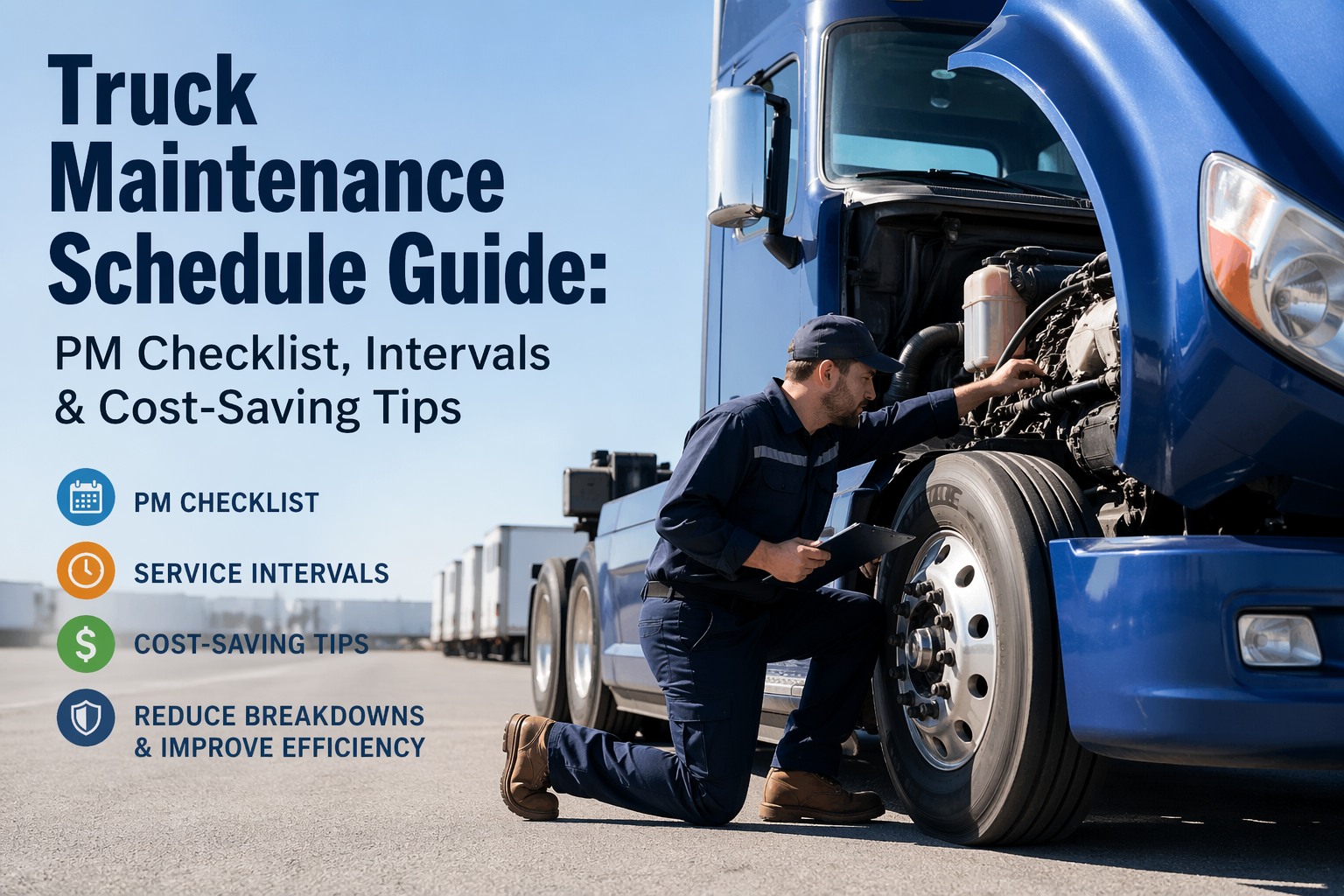
A driver kicks the tires on the pre-trip and everything sounds fine. Three hours later one inner dual on the trailer is 25 PSI low, running hot and eating itself. Nobody sees it until the tire fails or the casing is too damaged to retread. Tire pressure is the cheapest thing on a truck to check and one of the costliest to miss. This guide covers how to set inflation targets by axle position, when TPMS and manual checks each earn their place, what to do when a reading is low, and how Truck Inspection & Maintenance Management Software (TIM) gives every low-pressure finding an owner. Start free and log your first tire pressure check.
Tire Pressure · TPMS · Axle Position · Fleet Safety
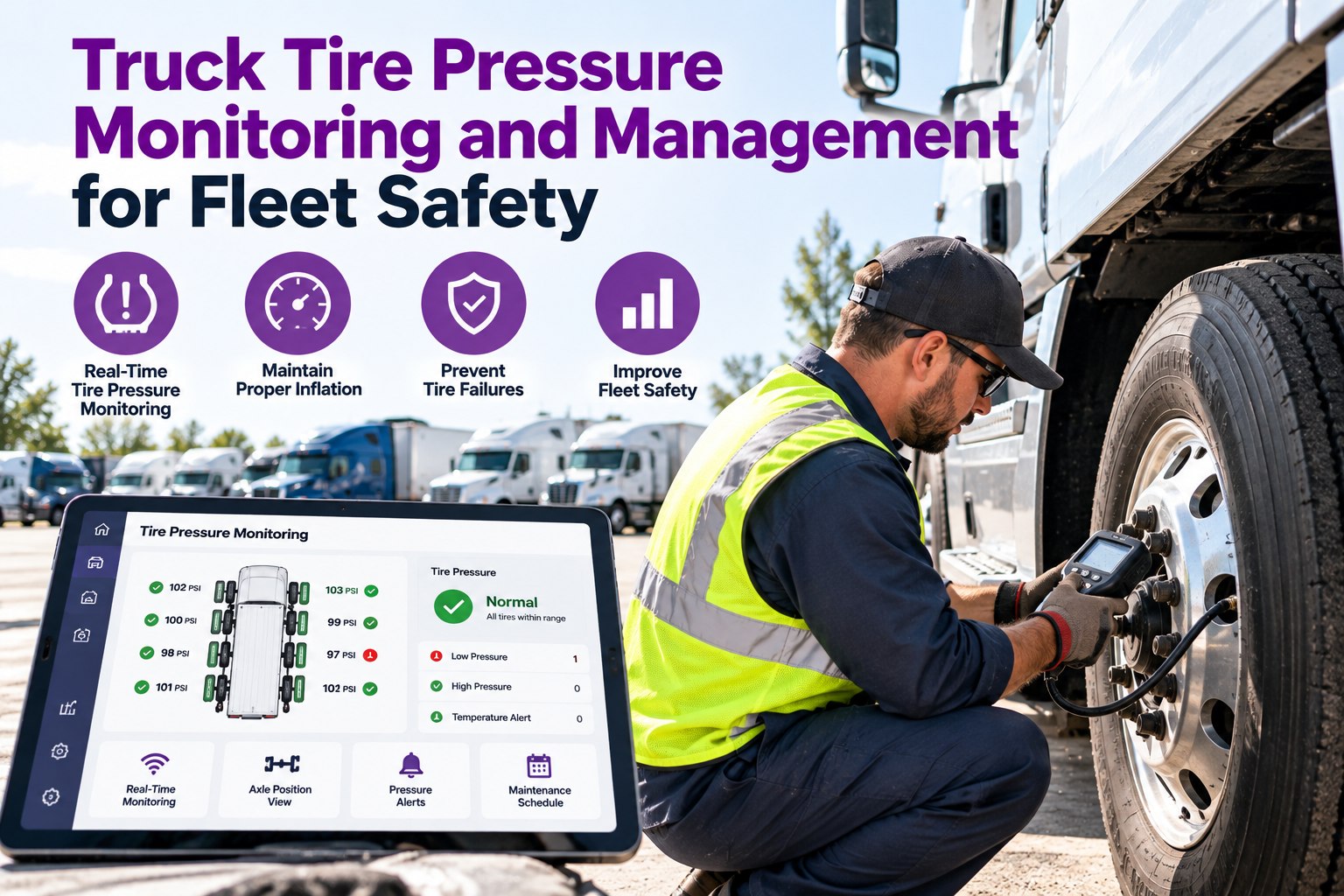
Truck Tire Pressure Monitoring and Management for Fleet Safety
A low reading only helps if someone acts on it. TIM records pressure checks by tire position, turns a low reading into a defect and a work order, and keeps the fix on the truck's record.
4 hrsfirst response: acknowledged, graded, assigned
Every positionsteer, drive and trailer tires tracked by location
1 recordper truck: readings, defects and tire repairs
Why Low Pressure Costs More Than It Looks
An underinflated tire flexes more, runs hotter and wears faster. The damage builds quietly across four areas.
🔥Heat and blowoutsMore sidewall flex builds heat, which is a leading path to tire failure under load.
⏳Shorter tire lifeUneven, accelerated wear means tires come off the truck early.
⛽Fuel economySoft tires roll with more resistance, so the engine works harder.
♻Lost casingsA tire run flat or very low is often too damaged to retread.
Effects are directional. Actual impact depends on how low and how long. Use your tire maker's data for specifics.
Inflation Standards by Axle Position
There is no single PSI for a whole truck. Target pressure depends on the tire, the load it carries and the position it sits in. Set a written target for each position and check against it.
Where each target comes from (illustrative layout)
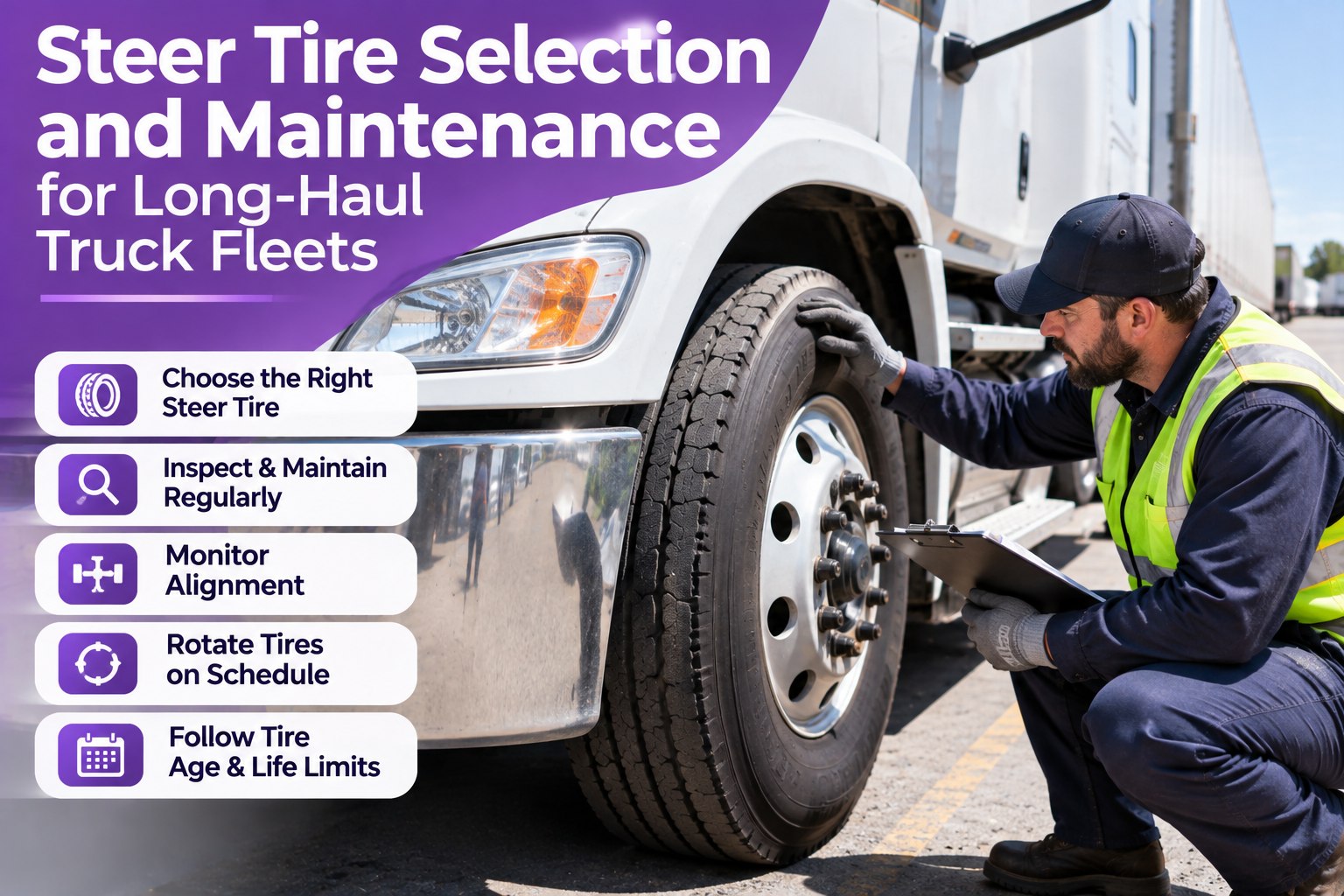
Steer axle
Two singles. Highest safety impact. Check first.
Drive axles
Duals. Match pressure within each pair.
Trailer axles
Duals. Easy to forget, so list them on the check.
Your target PSI comes from the tire manufacturer's load and inflation table for your tire size and load, plus your fleet policy. This page gives no PSI numbers on purpose.
TIM stores readings against each tire position, so a trailer tire that keeps losing air stands out from a one-time low reading. Book a demo to see position-level tire history.
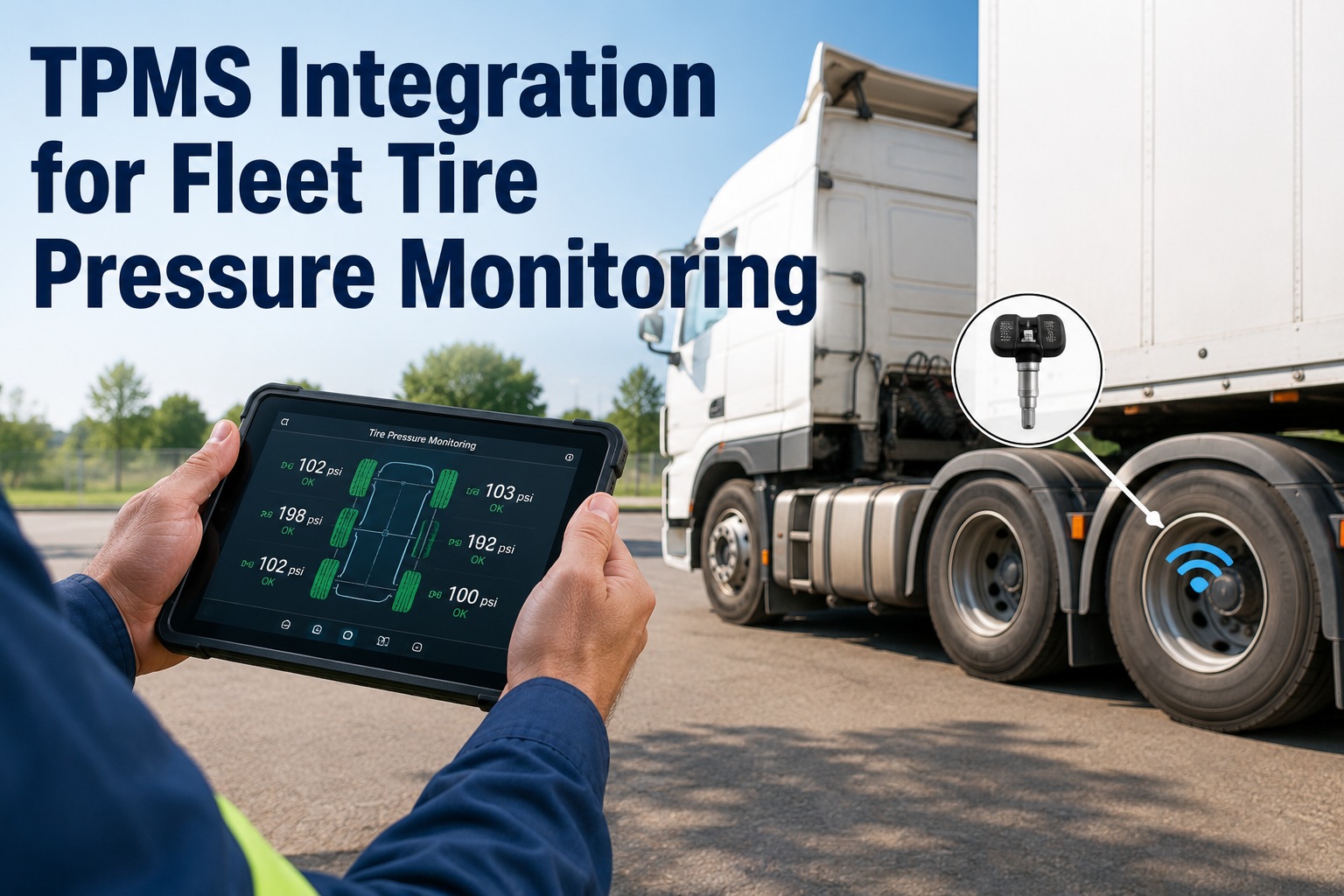
Manual Checks vs TPMS: Use Both for Different Jobs
Neither one replaces the other. Here is where each one is strong.
Manual gauge checkTPMS
CoverageOnly when someone checksContinuous while driving
Slow leaksCaught if the schedule holdsFlagged as they develop
Accuracy checkVerifies actual cold pressureSensors can drift or fail
Upfront costA good gaugeSensors and install per unit
Needs follow-upYesYes. An alert nobody owns is just noise
General comparison. Product features and costs vary by TPMS vendor.
Give Every Pressure Alert a Name and a Clock
Start a free trial and log one real tire finding. Watch TIM acknowledge it, grade it, assign it and track it to a verified fix.
Cold Pressure Rules: Check at the Right Time
Tires heat up as they roll, and pressure rises with them. A reading taken hot is not comparable to a cold one. Build the habit into the routine.
1Check coldBefore the truck rolls, or after it has sat long enough to cool.
2Never bleed a hot tireA hot reading above target is normal. Letting air out leaves it low once cool.
3Check every tireIncluding inner duals, spares and trailer tires.
4Check caps and valvesMissing caps and bad valve cores are common slow-leak sources.
When a Reading Is Low: Respond in Three Tiers
Not every low tire is an emergency, but every one needs a decision. A clear ladder stops guesswork at 5 AM.
Stop
Flat, audibly leaking or visibly damagedDo not dispatch. Tire is repaired or replaced before the truck moves.
Immediately
Fix now
Significantly below targetInspect for cause, inflate to target and recheck before the run.
Before dispatch
Watch
Slightly low, holds after inflatingTop up, then log it and recheck at the next inspection.
Next check
Your own thresholds for "significantly below" should come from your fleet policy and tire maker guidance. Flat and leaking tires can be out-of-service conditions at roadside, so check current CVSA criteria.
A tire that needs air twice in one week is not a pressure problem. It is a leak problem, and it needs a work order. Start free and turn repeat low readings into repairs.
How TIM Runs the Tire Pressure Loop
1Reading loggedDriver or tech records pressure by tire position on the inspection.
2Defect gradedA low or leaking tire is graded by safety risk.
3Work orderThe finding becomes a repair assigned to a technician.
4Fix verifiedPressure is rechecked before the truck returns to service.
5Pattern flaggedRepeat issues on one position show up in the history.
A Tire Record That Shows the Pattern
This is the kind of history you want when someone asks whether a tire is a one-off or a habit (illustrative).
Trailer 48: tire history by position
Position T3-LLow reading three times in 30 days. Flagged as a probable leak.
Work orderValve and bead inspection assigned, repair logged
VerificationPressure recheck recorded before return to service
Other positionsLast readings and tread notes on file
Illustrative record. Fields depend on how your fleet configures TIM.
Frequently Asked Questions
How often should fleet tire pressure be checked?
Many fleets check at every pre-trip and do a full cold check on a set schedule. The right rhythm depends on your duty cycle and policy. TIM records each check so you can see which trucks are being skipped.
Start free and track your checks.
Do I need TPMS if I check tires manually?
Manual checks are only as good as their schedule. TPMS can catch a leak between checks. Many fleets use both, with the gauge as the check on the sensors.
Does TIM connect to my TPMS?
TIM records tire findings on inspections and tracks them to repair. TPMS alerts can be logged as defects by the driver or technician so they follow the same loop.
Book a demo to ask about your TPMS setup.
What does the 4-hour first response mean?
Every defect logged in TIM is acknowledged, graded and assigned within four hours. That is the first response, not the repair. Repair time depends on the tire, parts and shop capacity.
Acknowledged · Graded · Assigned · Verified
Catch the Slow Leak Before It Becomes the Blowout
Truck Inspection & Maintenance Management Software records every pressure check by tire position and tracks each low reading to a verified fix. Start free to log your first check, or book a demo to see it on your fleet.
No credit card required. Free for up to 3 trucks.