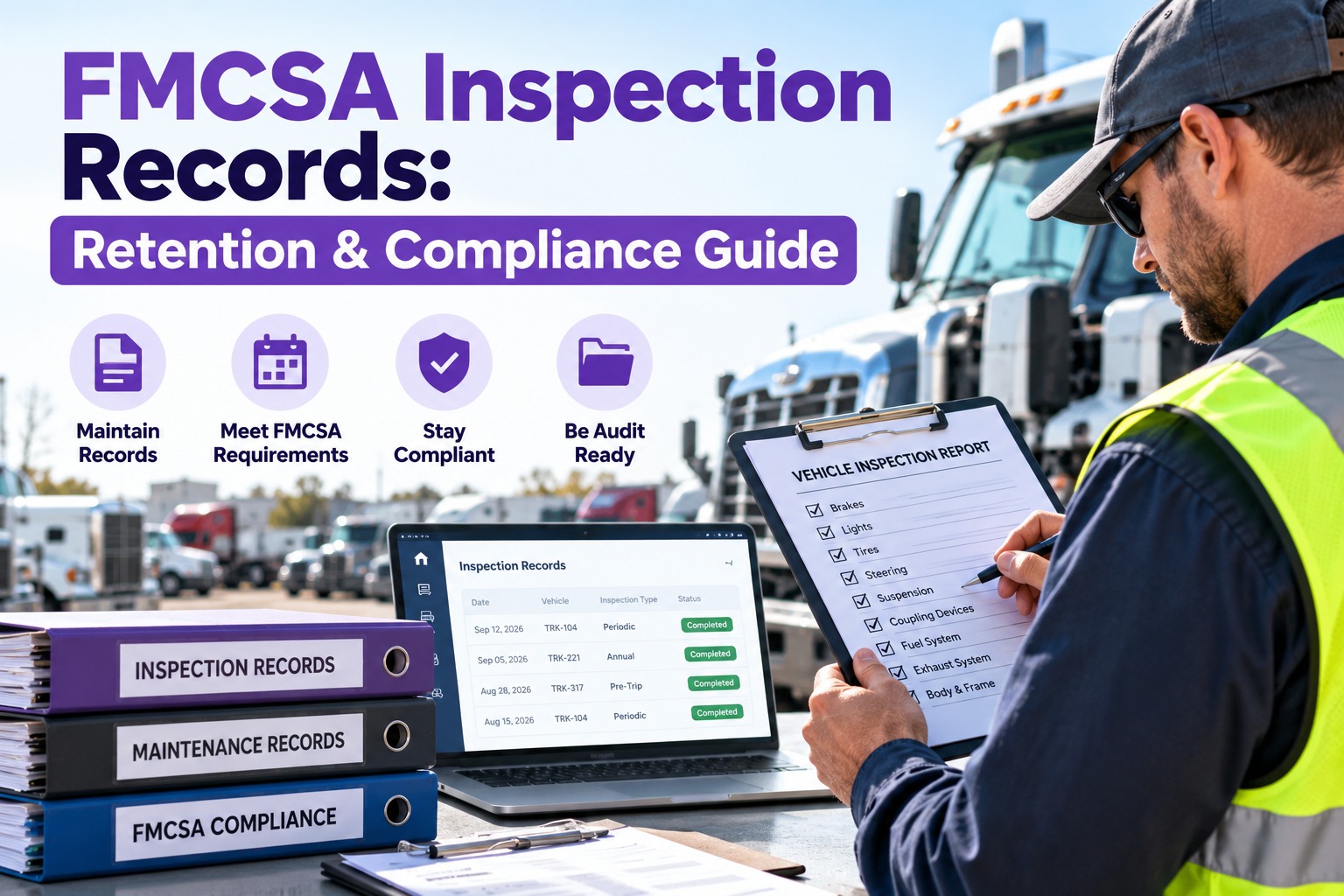
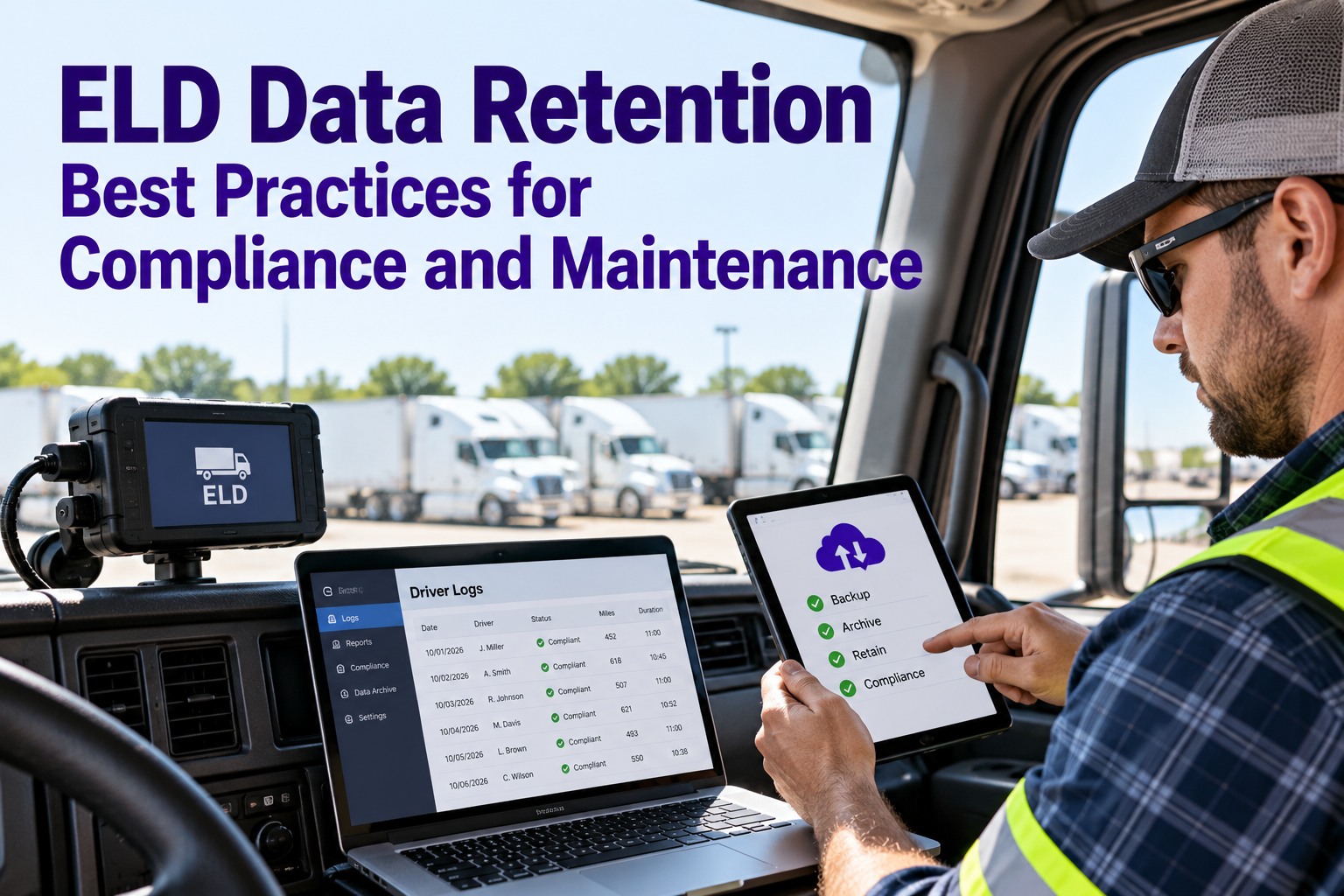
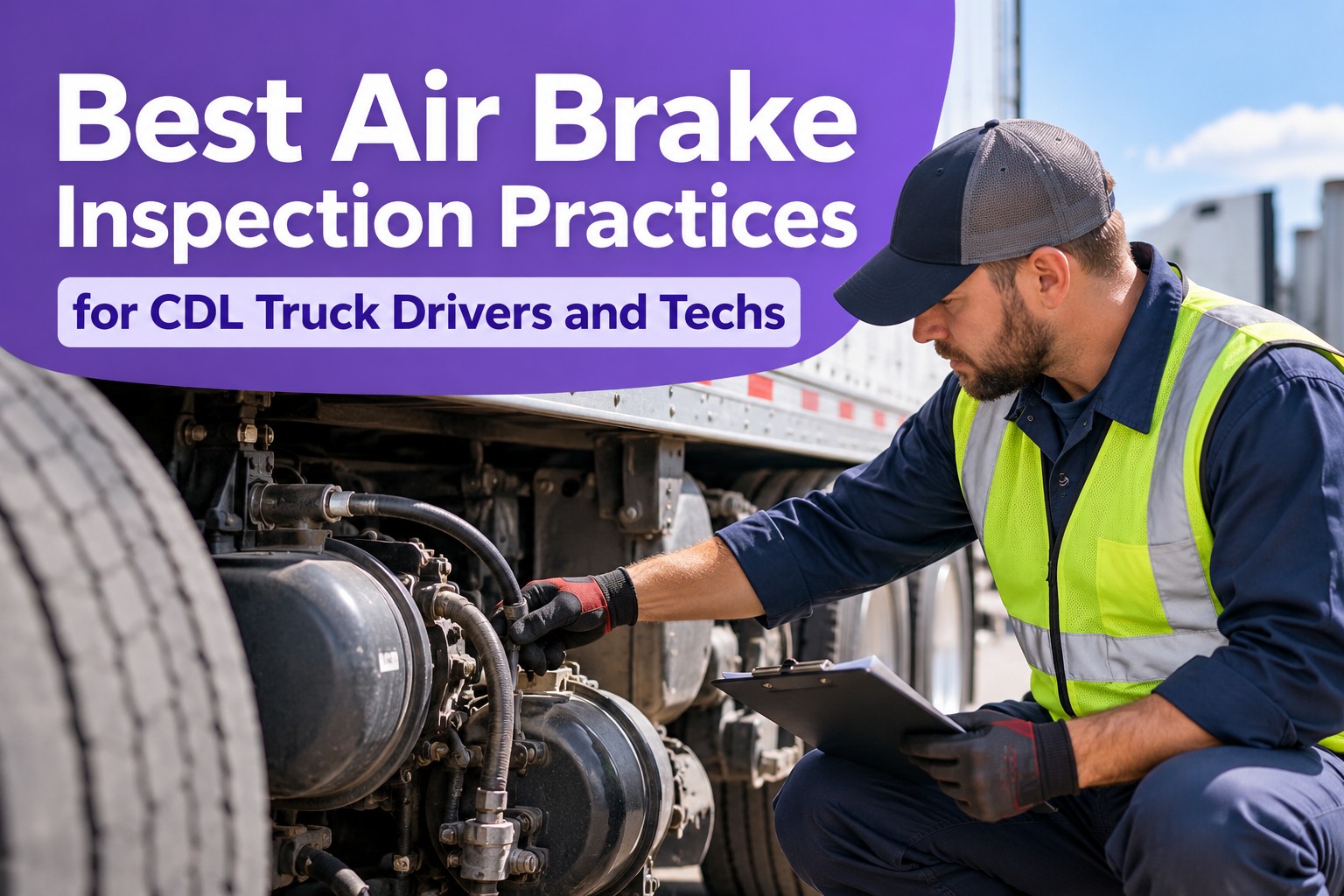
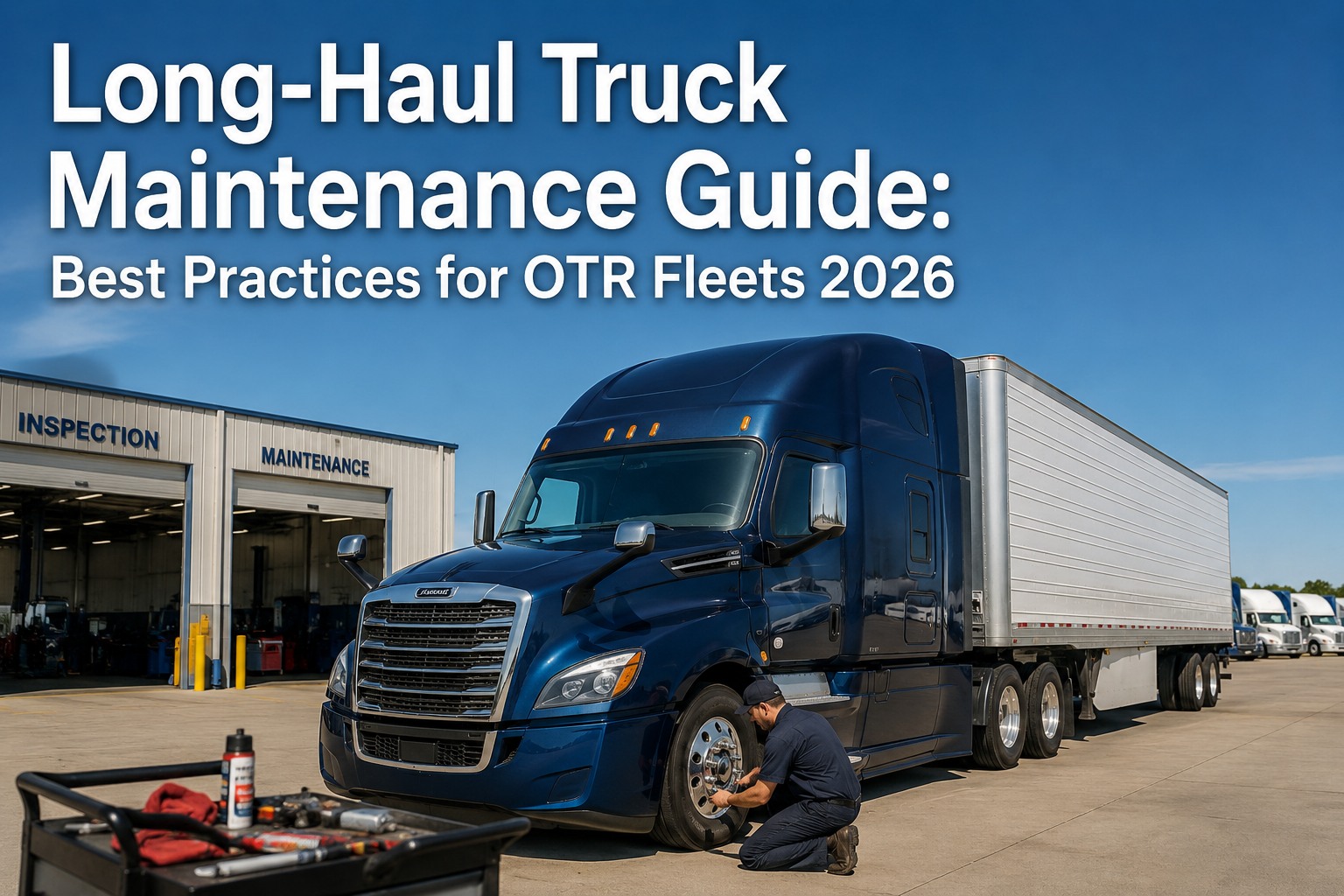
Your trucks can be in perfect shape and you can still fail a DOT audit — because the audit doesn't inspect your trucks, it inspects your records. An auditor asks for a specific inspection report from eleven months ago, and if the file isn't there, complete and on time, that's a violation whether or not the repair was done. This guide lays out exactly which inspection records FMCSA requires, how long each must be kept, and where they have to live. Start free and keep every inspection record audit-ready by default.
Which record · How long · Where it lives
FMCSA Inspection Records: Retention & Compliance Guide
Most carriers lose compliance reviews on missing or incomplete records, not unsafe trucks. Truck Inspection & Maintenance Management Software keeps every inspection, DVIR, and repair tied to its asset with the retention clock built in — so when an auditor names a date, you pull the exact record in seconds instead of digging through a binder that may have a hole in it.
14 moannual inspection report retained
12 + 6maintenance records, in-service + after
90 daysDVIR with defects on file
The Four Record Categories FMCSA Expects You to Hold
Under 49 CFR Part 396, a motor carrier must keep four distinct kinds of records for every commercial vehicle it operates. Miss any one category and you have a gap an auditor will find.
01
Vehicle identification
Make, year, VIN or company unit number, and tire size — the file that proves which truck every other record belongs to.
02
Maintenance & repair history
A schedule of inspections and maintenance to be performed, plus a record of what was actually done and when.
03
Periodic inspection
The annual inspection report under §396.17, with the inspector's details and the components checked.
04
Driver inspection reports
DVIRs that note a defect, along with the repair certification and the driver's review of the correction.
The Retention Ledger — How Long Each Record Must Survive
Retention is where paper systems quietly fail: a record gets filed correctly, then purged too early or buried too deep to find. Each record type carries its own clock under Part 396. These are the windows an auditor measures you against.
RecordHow long to keep itWhere it livesCFR
Maintenance & repair records
While the vehicle is in service, plus 6 months after it leaves the fleet
Home terminal, on demand
§396.3
Periodic (annual) inspection report
14 months from the inspection date
Where the vehicle is based
§396.17 · .21
DVIR noting a defect
3 months from the date it was prepared
Home terminal
§396.11
Inspector qualification record
While the inspector works for you, plus 1 year after
With carrier records
§396.19
Brake inspector qualification
For the duration of employment, plus 1 year after
With carrier records
§396.25
The two-month buffer isn't a typo The annual inspection is required every 12 months, but the report is kept for 14 — the extra two months mean the prior year's report is still on file while the current one is being completed, so there's never a window with no valid record. Truck Inspection & Maintenance Management Software tracks each report against its own 14-month clock and flags the next annual before the old one ages out, so continuity is automatic rather than something a coordinator has to remember.
Where Records Have to Live — The Part Fleets Forget
Keeping records isn't enough; FMCSA specifies they be produced on demand at the location where the vehicle is based or housed. A record sitting in a shop manager's truck, a personal email, or a cloud folder no one else can reach is, for audit purposes, a record you don't have. The rule is about retrievability as much as retention.
At the home terminal
Records must be available where the vehicle is based. For a multi-yard fleet, that means each truck's file is reachable from its own location, not pooled somewhere a single auditor visit can't see.
Produced on demand
An auditor can ask for a named record and expect it promptly. "It's here somewhere" is not compliance — the standard is that you can put the specific document in front of them when asked.
Complete, not partial
A DVIR without its repair certification, or an inspection report missing the inspector's qualification, counts as incomplete — which an auditor treats much the same as missing.
Every Record, Every Truck, One Retrievable Place
Truck Inspection & Maintenance Management Software stores each inspection, DVIR, and repair against the specific asset it belongs to, with the correct retention clock attached and the whole file reachable from any yard. When a compliance review opens, producing three years of inspection history for a named truck is a date filter — not a weekend of pulling binders and hoping none of them has a gap.
What Triggers a Records Review — and What It Looks At
Most carriers meet an auditor through one of four doors, and all four put your inspection records under the lens. Knowing which door you're likely to come through tells you which records to have cleanest.
New EntrantWithin your first year, FMCSA reviews whether your inspection and maintenance recordkeeping meets Part 396 at all.
Compliance ReviewA full audit, often prompted by a weak safety profile — records are pulled by date and checked for completeness.
Post-CrashAfter a reportable crash, the inspection and maintenance history of the vehicle is examined closely.
Roadside FlagRepeated roadside findings on your Vehicle Maintenance profile can escalate into a records-level review.
Records are the defense, not the trucks In a compliance review, the question isn't "is this truck safe right now?" — it's "can you prove this truck has been inspected and maintained on schedule all along?" That proof is entirely documentary. Truck Inspection & Maintenance Management Software is built to produce it: a complete, dated, per-asset trail that answers the auditor's actual question without a scramble.
Frequently Asked Questions
How long do I have to keep the annual DOT inspection report?
Fourteen months from the date of the inspection, under §396.17 and §396.21. The inspection itself is required every 12 months, but the report is held for 14 so the prior year's record overlaps the next inspection — there's never a gap where no valid report exists. The report has to be available where the vehicle is based, not just somewhere in the company.
Do I keep every DVIR, or only the ones with defects?
You're required to retain DVIRs that note a defect — together with the certification that the defect was repaired (or that no repair was needed) and the driver's review — for three months from the date the report was prepared. Many carriers keep "no defect" reports too as a matter of policy, because they prove the inspection happened, but the federal retention rule attaches to the defect reports and their corrections.
Can I keep FMCSA inspection records digitally instead of on paper?
Yes. FMCSA accepts electronic records as long as they're complete, accurate, and can be produced on demand at the vehicle's home location. A digital system actually makes the "on demand" and "home terminal" requirements easier to meet, because the same record is reachable from any yard at once and can't be misfiled the way a paper copy can. The key is that it's genuinely retrievable — not locked in one person's device or an inbox no auditor can reach.
What happens if a record is missing during an audit?
A missing or incomplete inspection record is treated as a recordkeeping violation in its own right, independent of whether the underlying maintenance was actually performed. Recordkeeping gaps are among the most common findings in compliance reviews precisely because they're easy to accumulate on paper and hard to notice until someone asks. Keeping records per-asset in one system with retention clocks attached is the most reliable way to make sure a named record is always there when requested.
Contact us to find your record gaps before an auditor does.
Retained · Complete · Retrievable
Keep Every Inspection Record Audit-Ready, by Default
Truck Inspection & Maintenance Management Software ties each inspection, DVIR, and repair to its asset, attaches the right retention clock, and keeps the whole file reachable from any yard. Fleets use it to walk into any FMCSA review with complete, dated records a filter-click away — and to stop losing audits on paperwork rather than safety.
No credit card required. Free for up to 3 trucks. Built for FMCSA-compliant fleets.