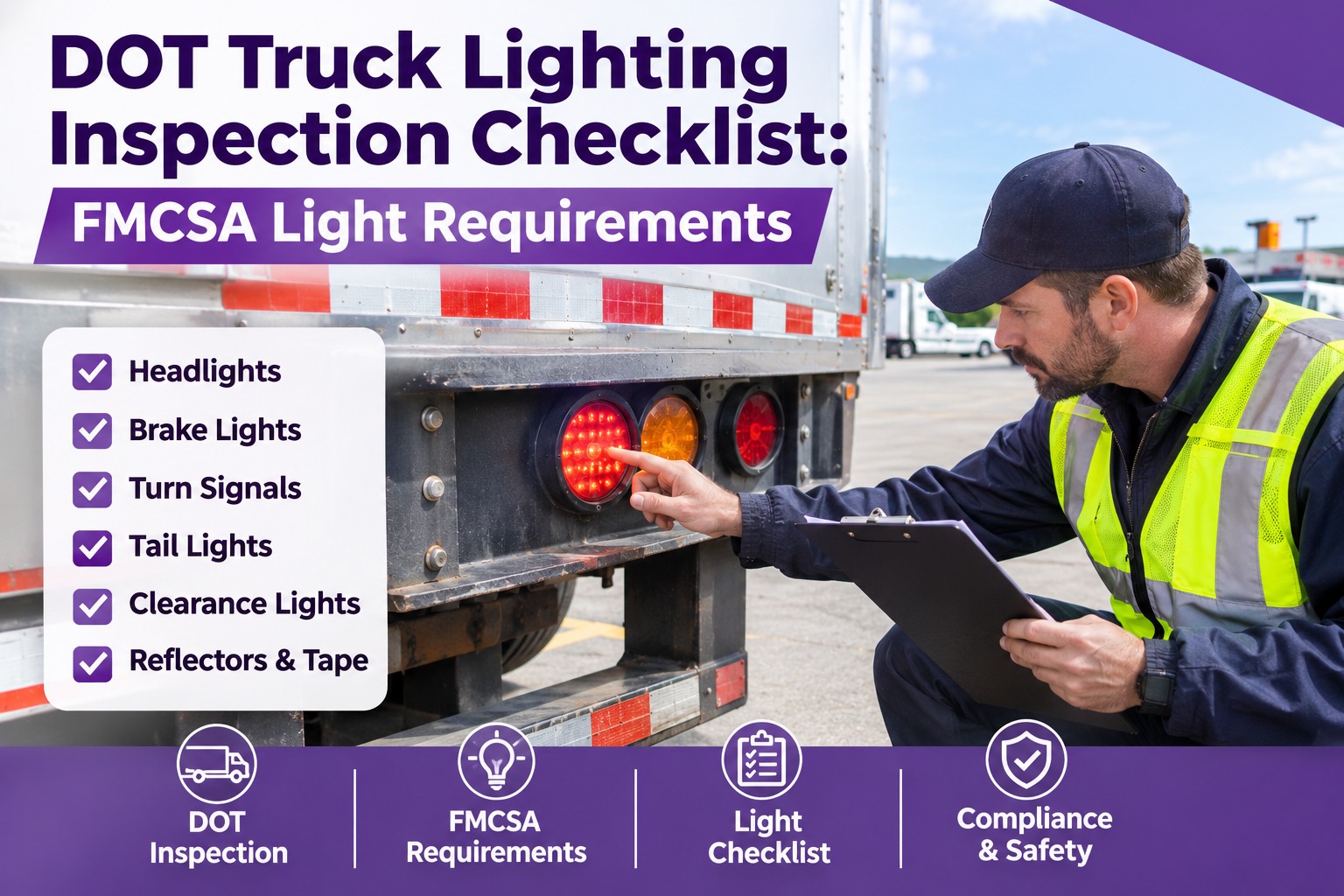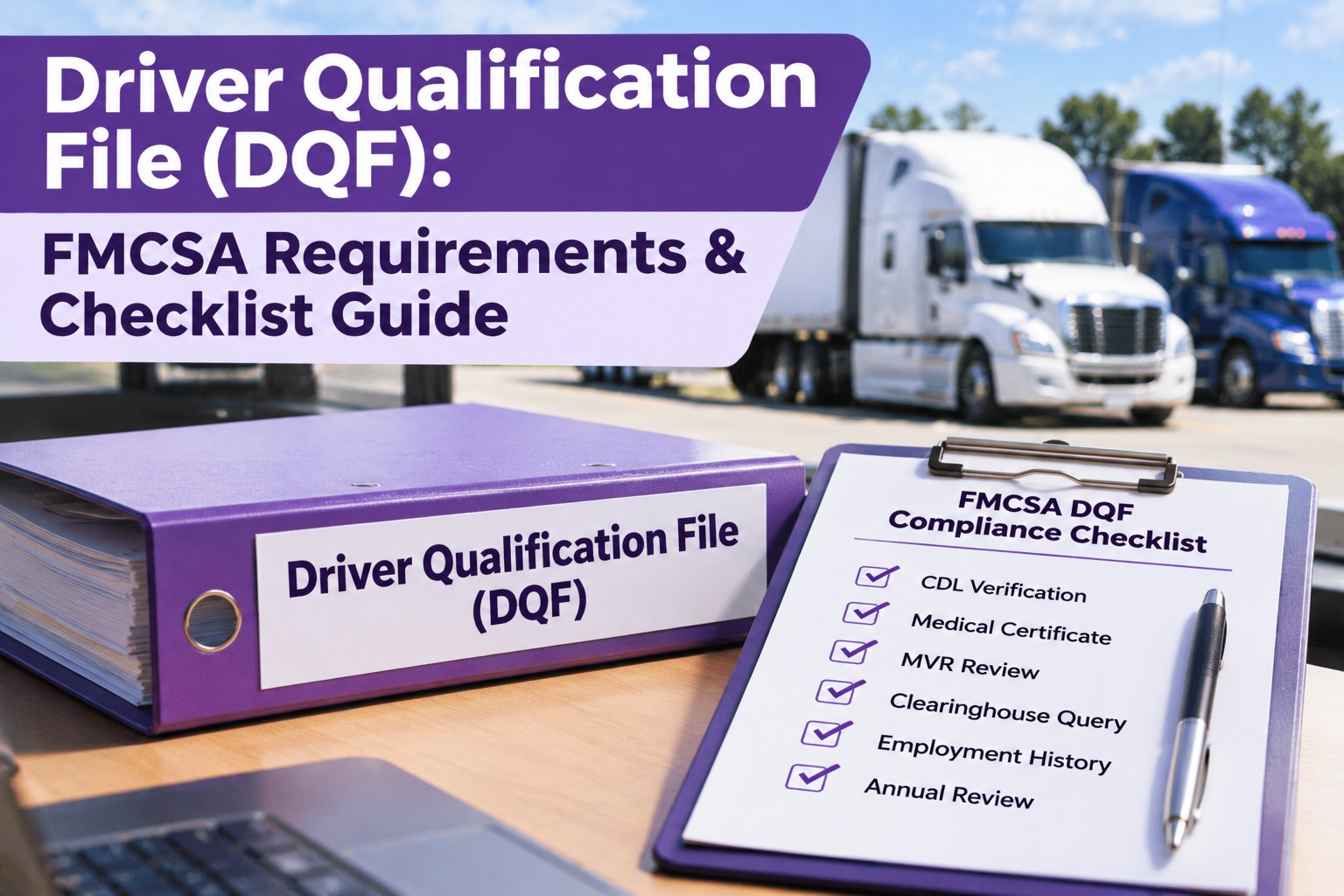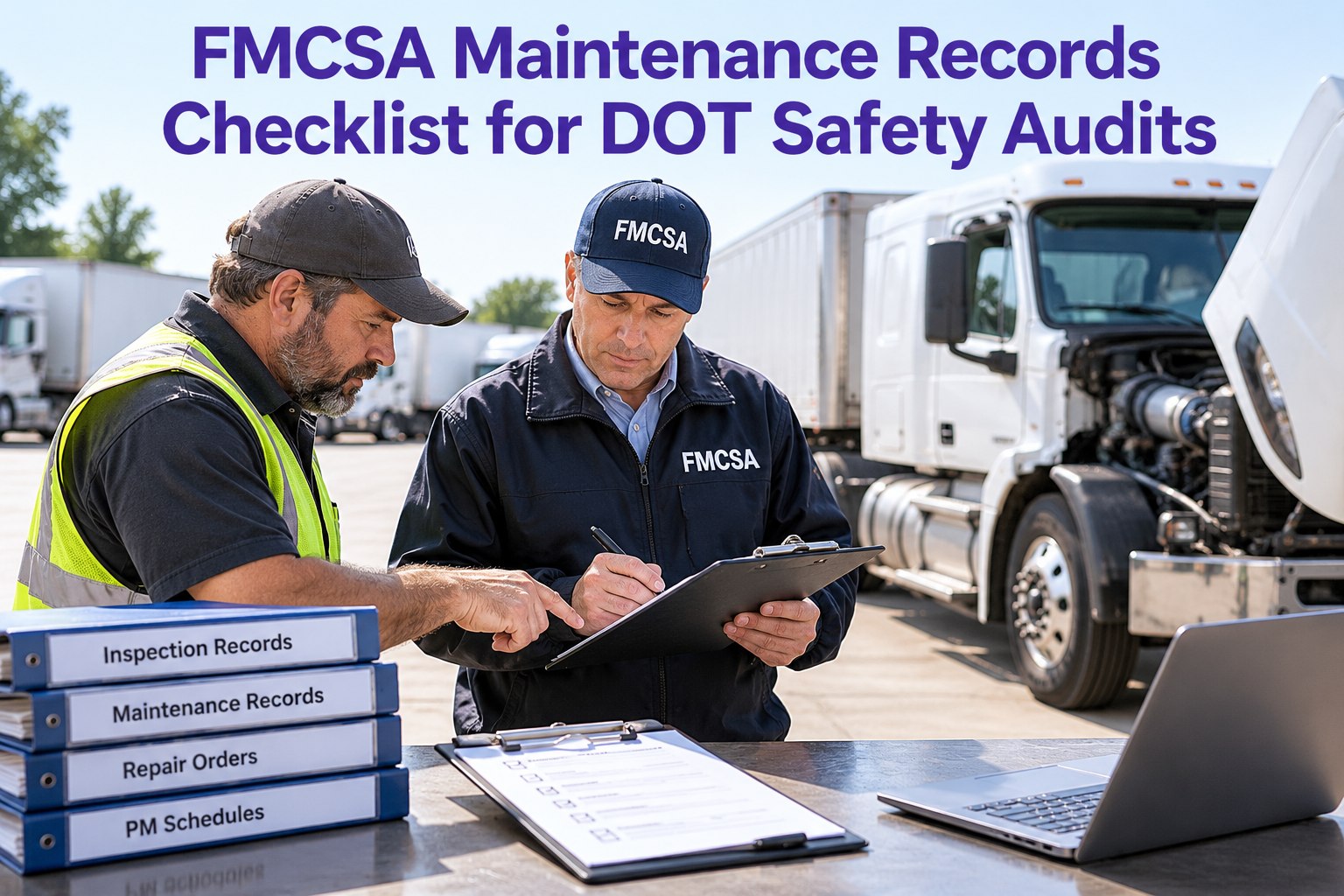
Most DOT audit stress comes from one question: can you produce the record, for this truck, right now? Retention rules differ by document: three months for a DVIR, fourteen for an annual inspection, a year plus six months for maintenance files, and years for driver and accident records. Fleets that scramble are usually missing nothing. The records just live in six places. This guide gives you the clocks, a practical checklist, and a five-document drill to test yourself, then shows how Truck Inspection & Maintenance Management Software (TIM) keeps the vehicle side of the file in one place. Start free and build one record for every truck.
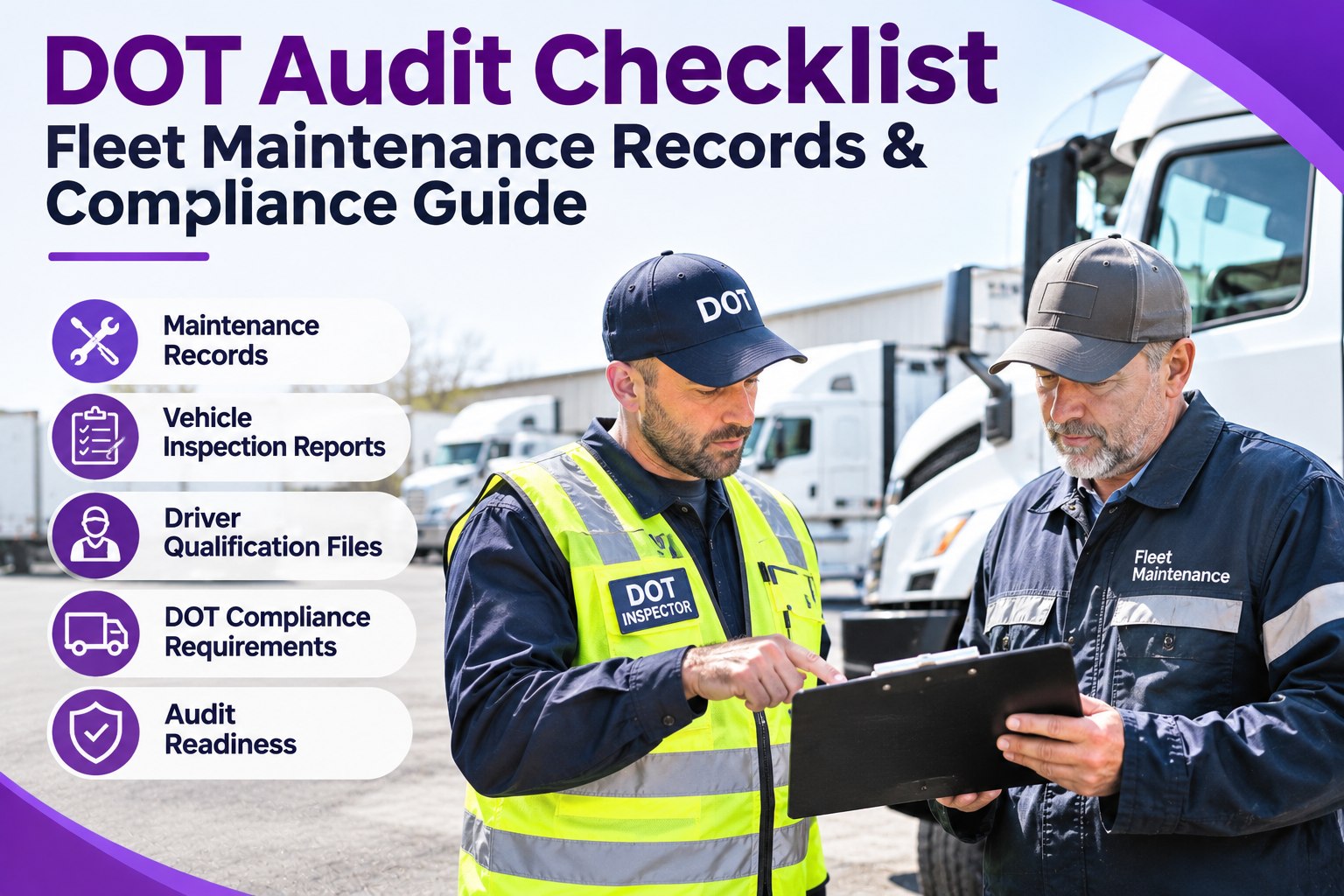
DOT Audit Checklist: Fleet Maintenance Records & Compliance Guide
When an auditor or roadside officer asks for a truck's records, the answer shouldn't depend on who is in the office. TIM keeps each truck's inspections, defects, repairs and service history together, so you can pull a unit's file in a few taps instead of searching folders, glove boxes and spreadsheets.
The Retention Clocks: How Long Each Record Lives
Every record runs on its own clock. Bar length below is proportional to the minimum retention period, so you can see which records you'll be explaining longest.
These are the federal minimums. Insurers, shippers and your own legal counsel may require longer, and some records have additional rules. Confirm against the current CFR.
The Audit Binder: What to Have in Each Section
- Company number, make, serial number, year and tire size
- Owner, if the vehicle isn't company-owned
- Systematic inspection, repair and maintenance schedule
- Dated records of inspection, lubrication, repair and maintenance, with the nature of the work
- DVIRs that listed defects, with the repair certification and the next driver's review
- Annual inspection report, with the inspector's qualification on file
- Roadside inspection reports, with out-of-service repairs certified and returned within 15 days
- Work orders connecting each defect to its repair
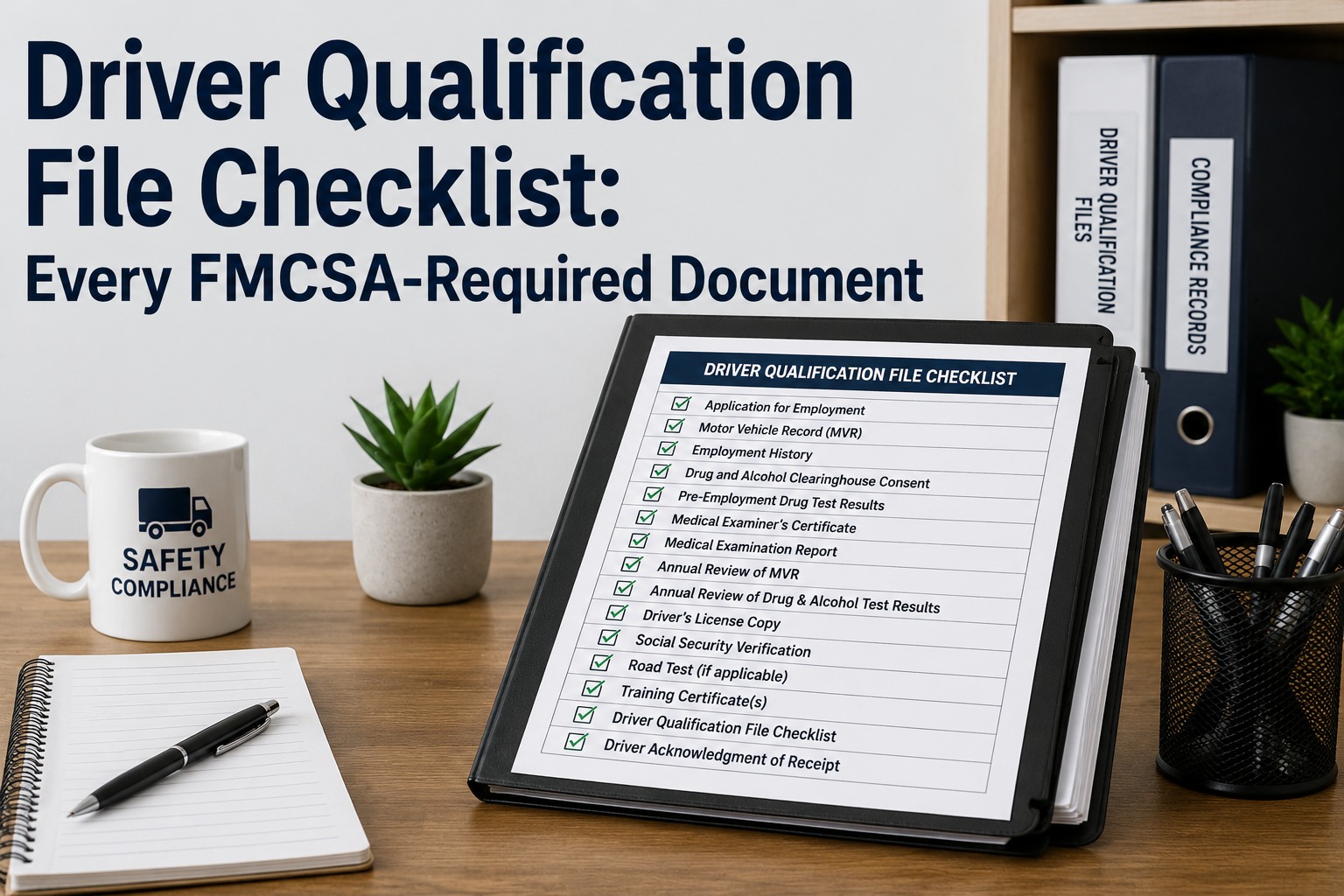
- Driver qualification file: application, MVRs, road test certificate, medical certification, previous-employer inquiries (see 391.51)
- Drug and alcohol testing records, including Clearinghouse queries
- Hours-of-service records and supporting documents
- Accident register
The 5-Document Drill: Pick Any Truck
Choose a truck at random and see how fast you can produce all five. If one takes more than a few minutes, that's your gap.
One Search Instead of Five Folders
Every inspection, defect, repair and service date lives on the truck's own record, ready when an auditor asks.
Where Audits Go Wrong
Record by Record: Where It Lives in TIM
| What the auditor asks for | How TIM supports it |
|---|---|
| Vehicle identification and history | One asset record per tractor and trailer |
| PM schedule and service records | Recurring services with due dates and completed-service history |
| DVIRs and reported defects | Inspections logged on the phone, with photos and notes |
| Repair certification | Defects become work orders that are tracked through completion |
| Annual inspection | A recurring due date on the unit, with the report kept on its record |
| Roadside inspection follow-up | Out-of-service defects tracked as work orders to completion |
Frequently Asked Questions
Walk Into Your Next Audit Knowing Where Everything Is
Put inspections, defects, work orders and PM on one record per truck, so the answer to "show me the file" is a tap away.