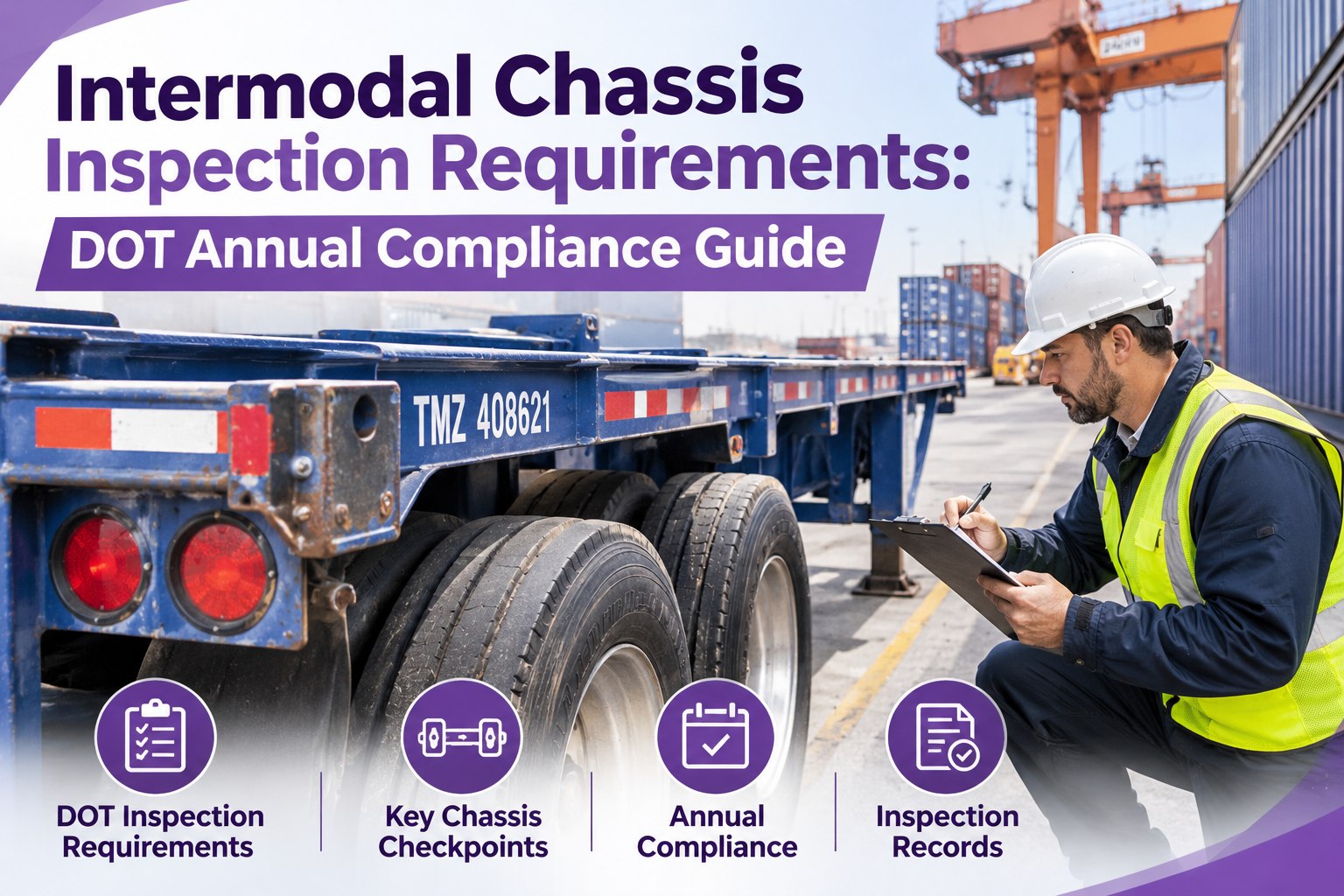
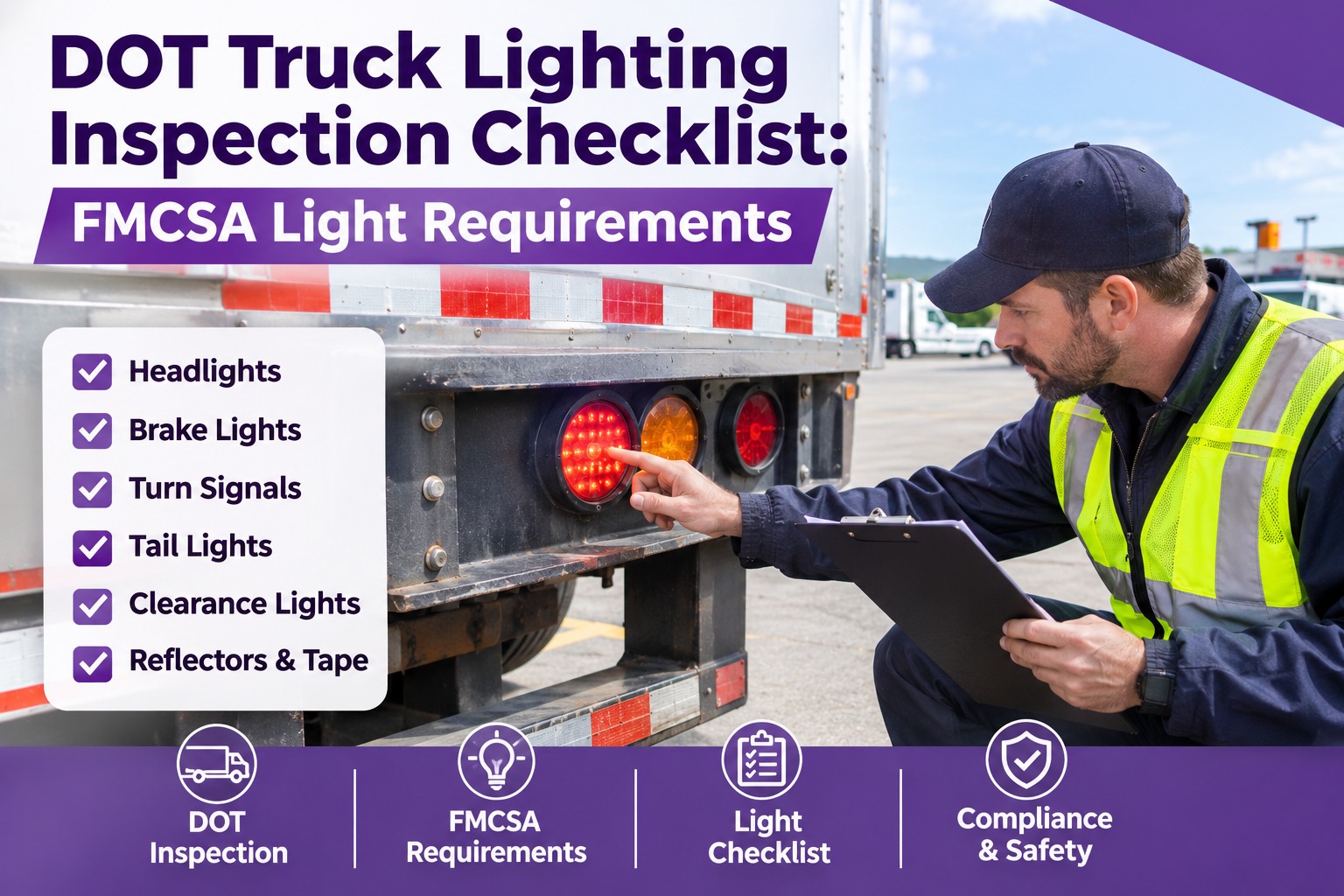
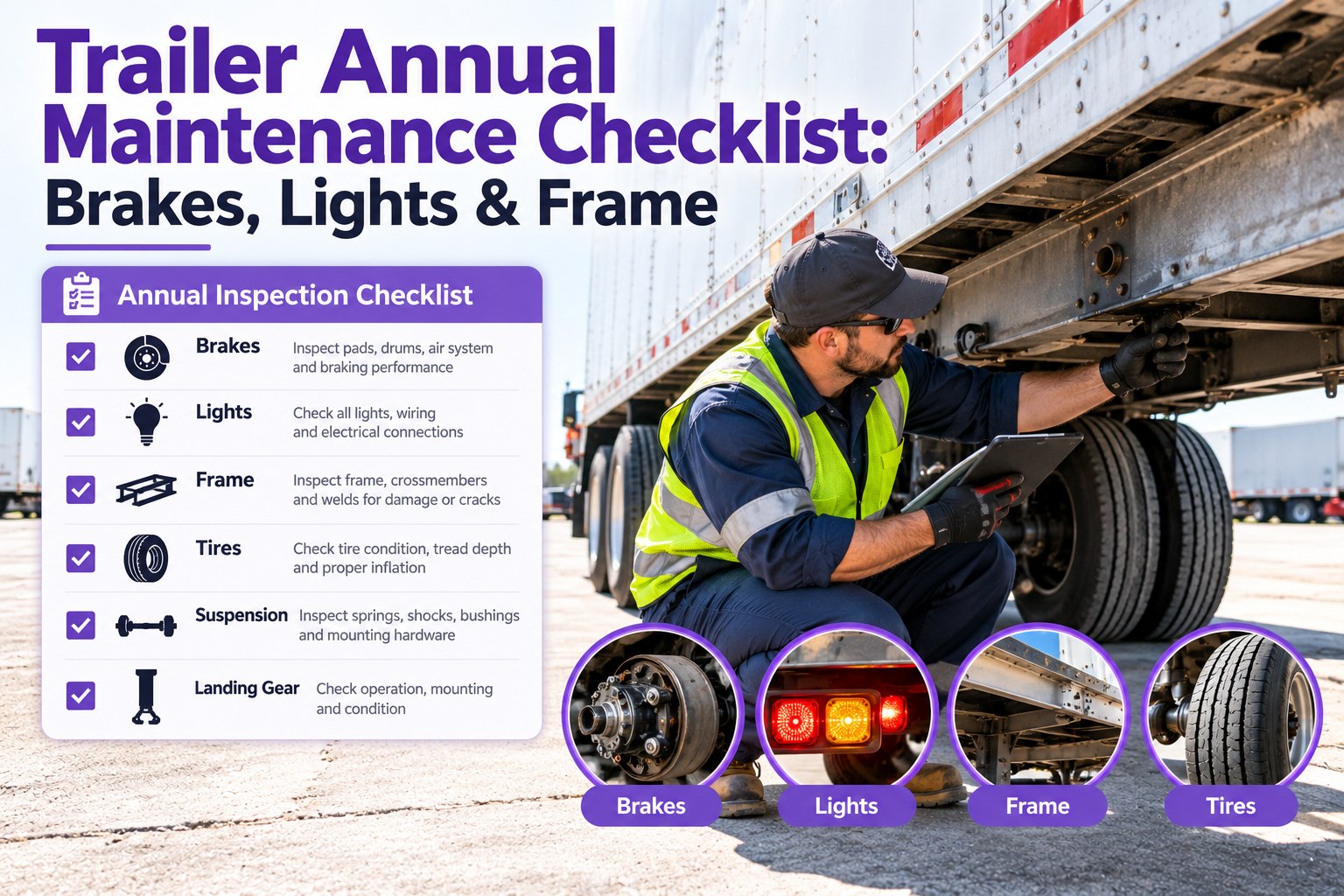
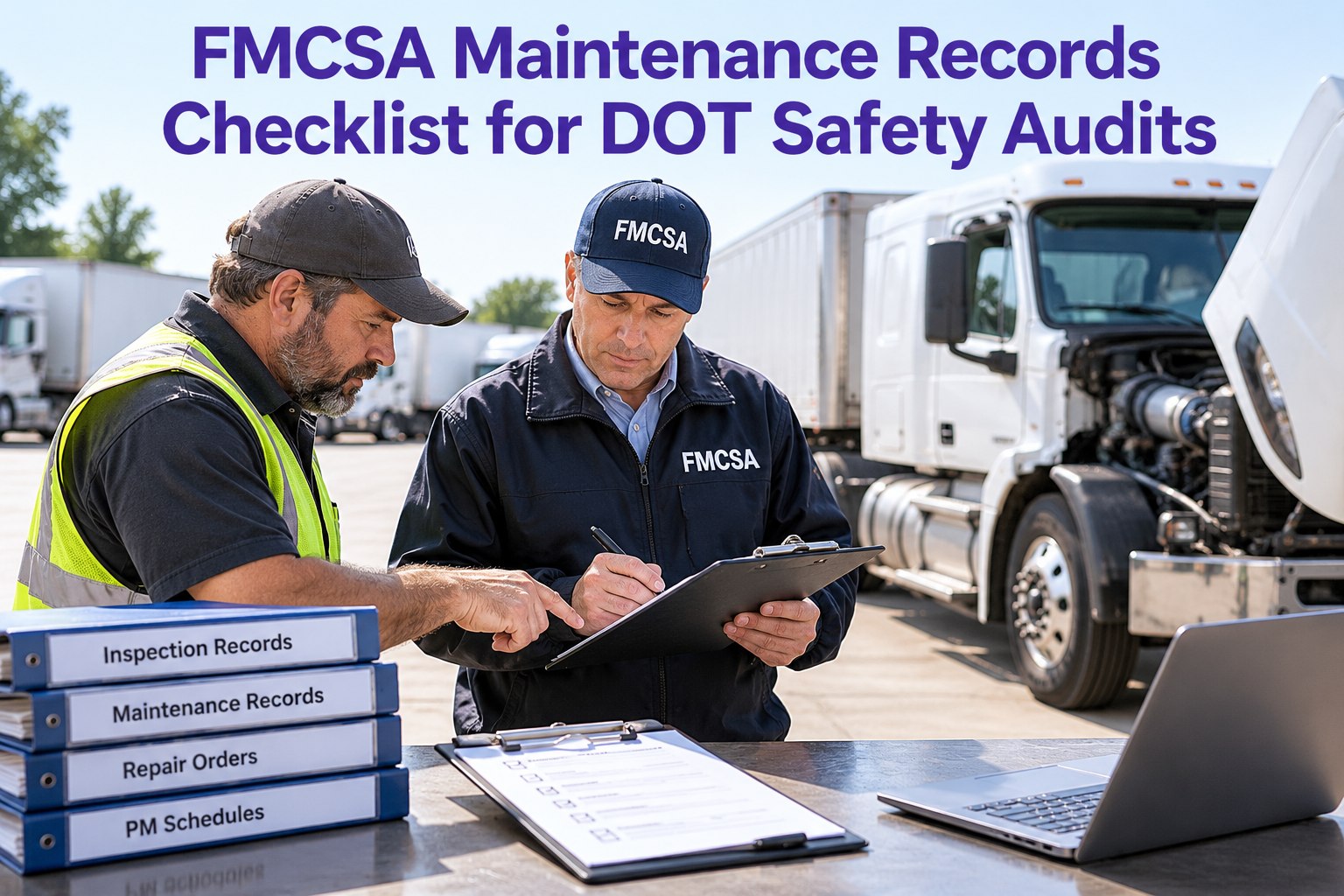
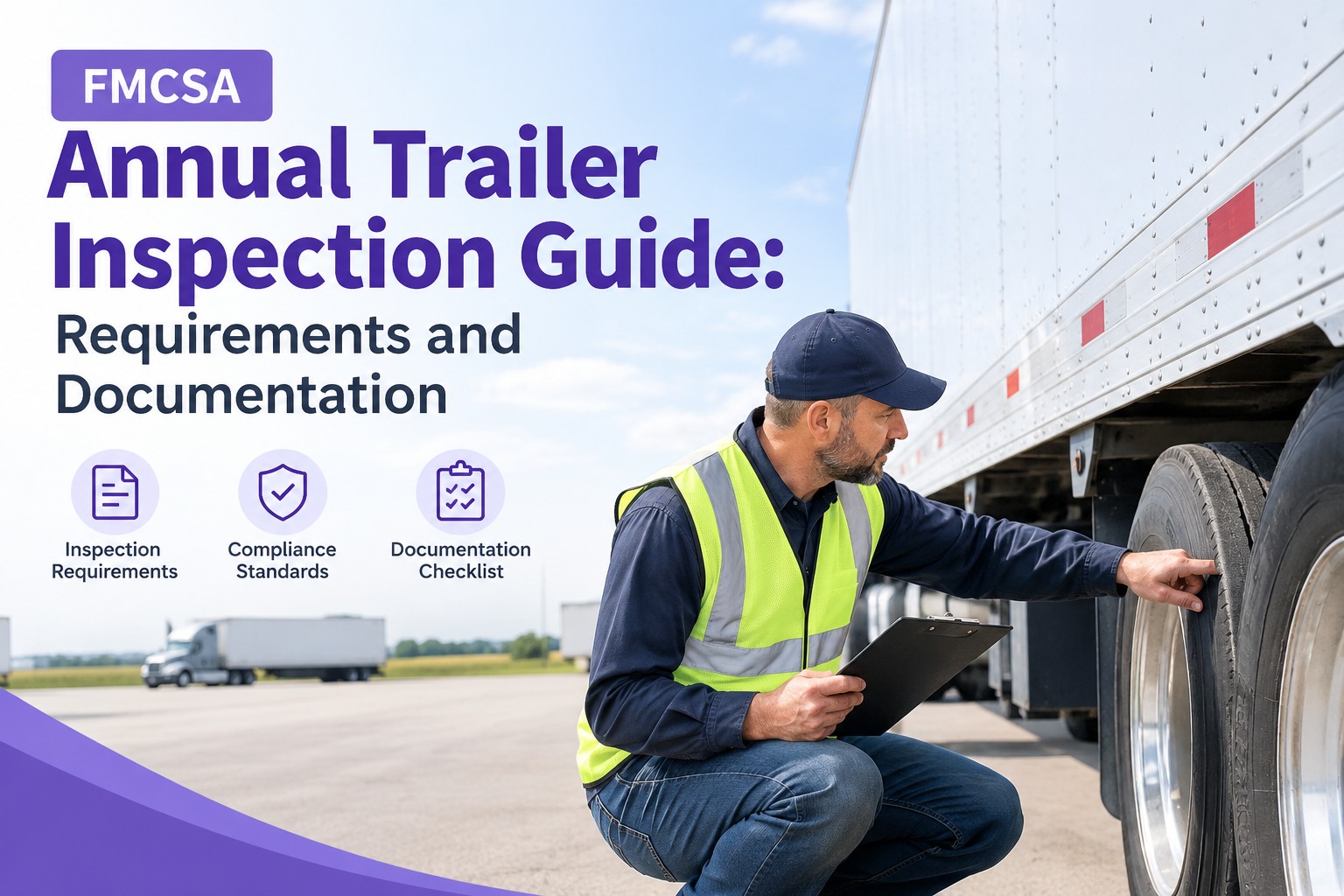
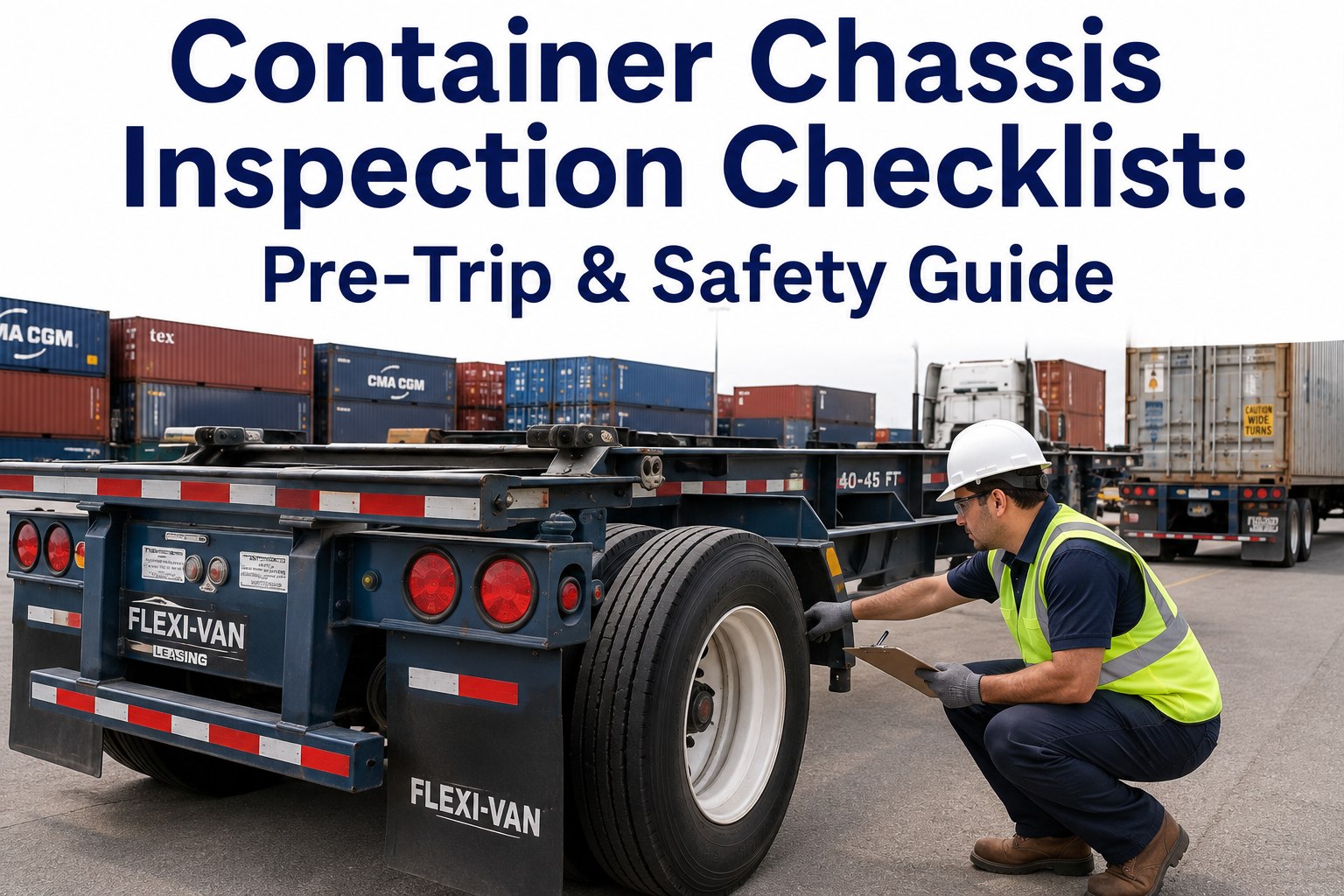
The driver hooks up at the port gate and the chassis looks fine. Then a roadside inspector finds a cracked weld, a dead marker light and no proof of an annual inspection. Now the load is late and nobody is sure whose chassis it was. This guide explains the DOT inspection requirements for intermodal chassis, the five zones to check, who is responsible for what, and how Truck Inspection & Maintenance Management Software connects inspections, defects, work orders and PM for every chassis you run. Start free and put every chassis on one inspection schedule.
Chassis · Annual Inspection · DVIR · Records
Intermodal Chassis Inspection Requirements: DOT Annual Compliance Guide
A chassis defect found at pickup is a delay. Found at the roadside, it is an out-of-service order.
With Truck Inspection & Maintenance Management Software, each chassis has its own record: inspections, defects, work orders, annual due dates and PM, all in one place, so you know its status before it leaves the yard.
1InspectPre-trip and annual checks, recorded digitally
2Log defectsFindings tied to the chassis number
3Work ordersRepairs assigned and closed on record
4Annual and PMDue dates tracked for every chassis
No credit card required. Free for up to 3 trucks.
12 momaximum interval between periodic (annual) inspections
14 moretention period for each annual inspection report
3parties share chassis safety: the provider, the carrier and the driver
Who Is Responsible for the Chassis?
A chassis is often owned by one company, pulled by another and inspected by a driver who has never seen it before. The federal rules for intermodal equipment divide the duties, so everyone should know their share.
Equipment Provider
Owns the equipment's condition
Systematic inspection, repair and maintenance
Annual inspection and report retention
Repairs after driver-reported defects
Motor Carrier
Owns what leaves your yard
Checks proof of inspection before dispatch
Keeps DVIRs and repair records
Keeps defective equipment off the road
Driver
Owns the pre-trip
Inspects the chassis before moving it
Confirms the container is locked down
Reports defects on the DVIR
Duties summarized from 49 CFR Parts 390, 392 and 396. Your exact obligations depend on whether you own, lease or interchange the chassis.
When a defect report goes unanswered, no one can say who dropped the ball. Book a demo to see how every report is tracked to a repair.
Walk the Chassis: Five Inspection Zones
The annual inspection uses the criteria in 49 CFR Part 396, Appendix G. The same walk-around works for daily checks. Start at the front and finish at the rear.
1Gooseneck & Landing Gear
Gooseneck and king pin area free of cracks
Landing gear cranks, holds and is stowed
Air and electrical connections intact
2Frame & Cross Members
No cracked or broken welds
No bent or missing cross members
Slider rails and pins working, if fitted
3Container Securement
Twist locks present, working and not worn
Locking handles fully engaged
Container seated correctly on the chassis
4Brakes, Axles & Tires
Brake adjustment, linings, drums and air lines
Tire tread, inflation, sidewalls and mismatch
Wheels, rims, hubs and suspension
5Lights & Rear End
Stop, tail, turn and marker lights work
Reflective tape clean and in place
Rear impact guard secure and undamaged
Zones 3 and 4 are where chassis differ most from standard trailers. Securement and brakes are the checks where a quick glance is not enough. Start free and build a chassis checklist your drivers follow every time.
Red Flags That Stop a Chassis
Not every defect is equal. Some are repair-this-week items. Others mean the chassis should not move until fixed. Use two tiers so drivers and dispatchers get the same message.
STOPDo not move the chassis
One-fifth or more of service brakes defective
Missing or inoperable container locking devices
Tires below minimum tread, flat or visibly damaged
Cracked frame or failed structural weld
FLAGRepair on a schedule
Single inoperable marker or clearance lamp
Worn but still serviceable air or electrical connectors
Faded or peeling reflective tape
Landing gear stiff but working
Examples only. Use the out-of-service criteria your inspectors and enforcement partners follow, and decide how your own fleet grades defects.
The Annual Inspection Paper Trail
Passing the inspection is only part of the job. The records must show it happened, who did it and what was fixed afterward.
1DailyPre-trip check and DVIR for the chassis in use.
2As foundDefects reported, repaired and noted as closed.
3Every 12 monthsPeriodic inspection by a qualified inspector.
414 monthsReport retained, with proof of inspection on the unit.
What the annual inspection report must include (49 CFR 396.21)
Provider or carrier nameUnit number or serialInspection dateStandards certificationQualified inspector
The inspector needs documented qualifications under 49 CFR 396.19, and anyone who inspects or repairs brakes needs to meet 396.25. Book a demo to see how inspector files stay linked to each report.
Chassis Inspection Myths That Cost Time
Assumption"The pool provider handles inspections, so it is not my problem."
RealityYou still do the pre-trip, file the DVIR and keep unsafe equipment off the road.
Assumption"It passed last month, so it is fine today."
RealityChassis change hands often. A new interchange means a new pre-trip.
Assumption"A paper DVIR is good enough."
RealityPaper is easy to lose. Defects need a repair record, not just a signature.
Assumption"Annual dates are on the whiteboard."
RealityWith many chassis in rotation, one missed date means one unit out of compliance.
How Truck Inspection & Maintenance Management Software Runs the Chassis Loop
Whether you own chassis or only pull them, you need one record per unit. The software ties four steps to the same chassis number.
1Digital InspectionsDrivers and technicians complete checklists for each chassis, with the unit and date recorded automatically.
2Defects on the UnitBrake, tire, light and securement findings are logged against the chassis, not on loose paper.
3Work Orders to CloseTurn a defect into a work order, assign it and close it on the same unit history.
4Annual and PM DatesSee upcoming annual inspections and preventive maintenance for every chassis in one view.
Know Every Chassis Before It Rolls
One record per chassis: inspections, defects, repairs and due dates. Find what you need in seconds instead of digging through folders at the gate.
Frequently Asked Questions
Do intermodal chassis need an annual DOT inspection?
Yes. A chassis is a commercial motor vehicle for inspection purposes, so it must receive a periodic inspection at least every 12 months under 49 CFR 396.17, with a report that meets 396.21. Who arranges it depends on who owns and provides the equipment.
What parts of a chassis does the annual inspection cover?
Does the driver have to inspect the chassis every trip?
The driver must be satisfied the intermodal equipment is in safe operating condition before using it, and must report defects on the DVIR. A fresh pre-trip is good practice whenever you pick up a different chassis.
How long are chassis inspection records kept?
What happens when a driver reports a chassis defect?
The defect should be repaired or certified as not affecting safety before the equipment is used again. In the software, the report becomes a work order on that chassis, so the repair is closed on the same record.
One record per chassis · Defects closed · Dates in view
Make Chassis Compliance a Routine, Not a Scramble
Run inspections, log defects, assign work orders and track annual and PM dates for every chassis with Truck Inspection & Maintenance Management Software.
No credit card required. Free for up to 3 trucks.