In the oilfield, a missing $40 hydraulic seal doesn't cost $40 — it idles a rig at $80,000 to over $1 million a day until the part arrives. That's the brutal math that makes parts inventory the single highest-leverage system in an oil and gas fleet, and the reason spreadsheets fail so expensively. One operator running 14 remote sites on a shared Excel file averaged $82,000 per stockout and $3.1 million a year in total stockout cost — while simultaneously sitting on warehouses where 20 to 35% of the spares were dead stock. The problem isn't supplier availability; it's visibility. This buyer's guide breaks down what the best oil and gas fleet parts inventory software must do — remote-yard visibility, ABC stocking, reorder automation, vendor management, and PM-driven forecasting — and the questions to ask before you buy. Take control of your parts inventory free.
Best Oil & Gas Fleet Parts Inventory Software: Buyer's Guide
Compare parts inventory software for oilfield fleets — managing remote yards, critical spares, vendor relationships, forecasting, and maintenance across distributed operations in one platform.
Why Oilfield Parts Management Is Different
Generic warehouse tools weren't built for distributed, high-stakes oilfield operations. Three conditions make this environment uniquely unforgiving — and uniquely expensive when inventory goes wrong.
Fleets run across 12–20 remote sites, each with independent inventory. A part sits available at Site A while Site B stocks out — with no visibility to enable a transfer.
A single stalled rig or production platform defers hundreds of thousands per day. The part is cheap; the downtime it prevents is not.
Emergency consumption, inter-site transfers, and informal withdrawals account for 35–40% of parts movement that spreadsheets never capture.
The True Cost of a Stockout
The reason this software pays for itself fast is the asymmetry: the carrying cost of a spare is trivial next to the downtime a stockout triggers. Here's what the failure actually costs across an oilfield operation.
Must-Have Features: The Buyer's Checklist
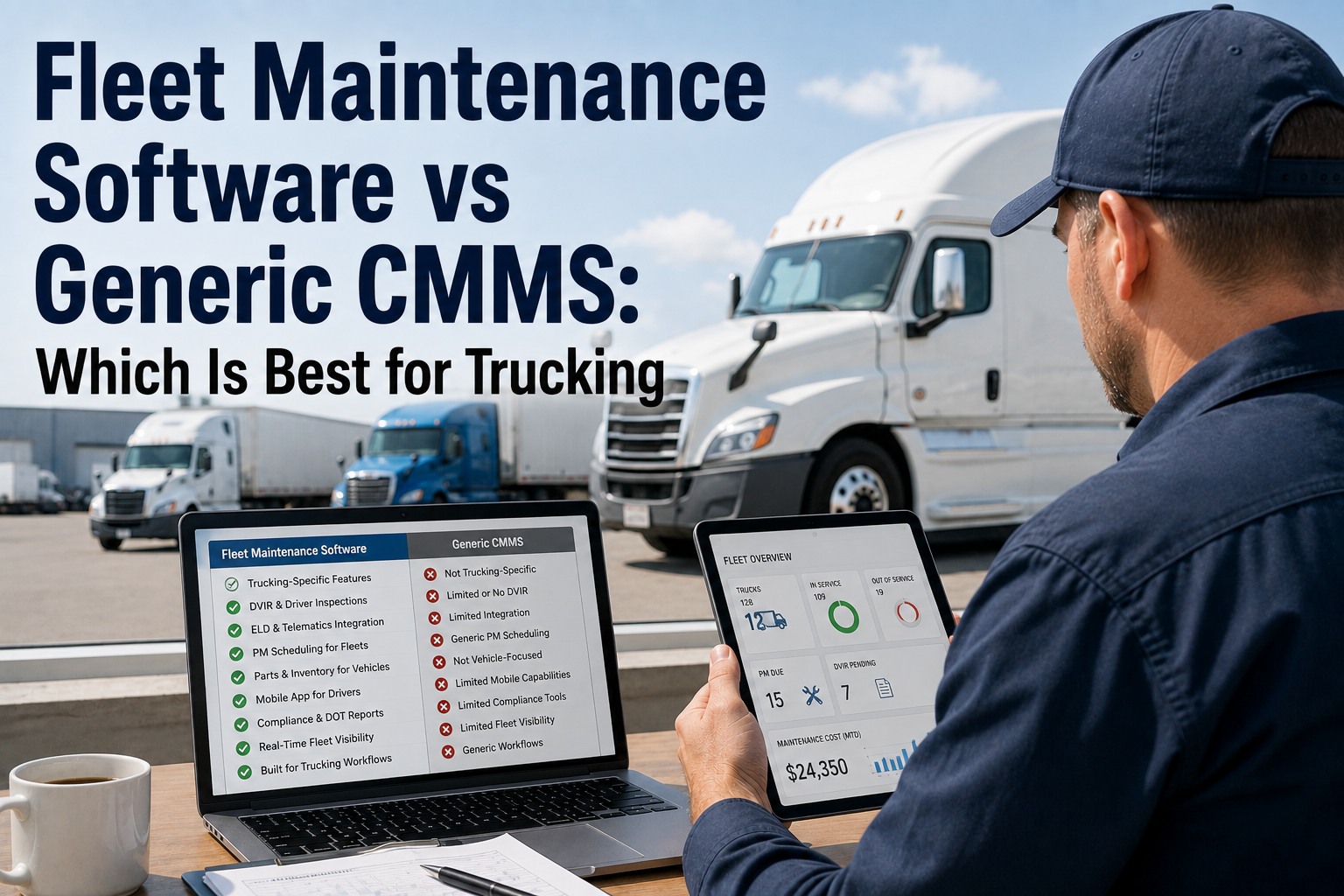
Not every platform earns its price — many are digital spreadsheets that still can't see across yards or predict depletion. These are the capabilities that separate a real oilfield parts system from a glorified list.
One unified view of stock across every site — and an automatic check for the part elsewhere before any new PO goes out, ending duplicate buys.
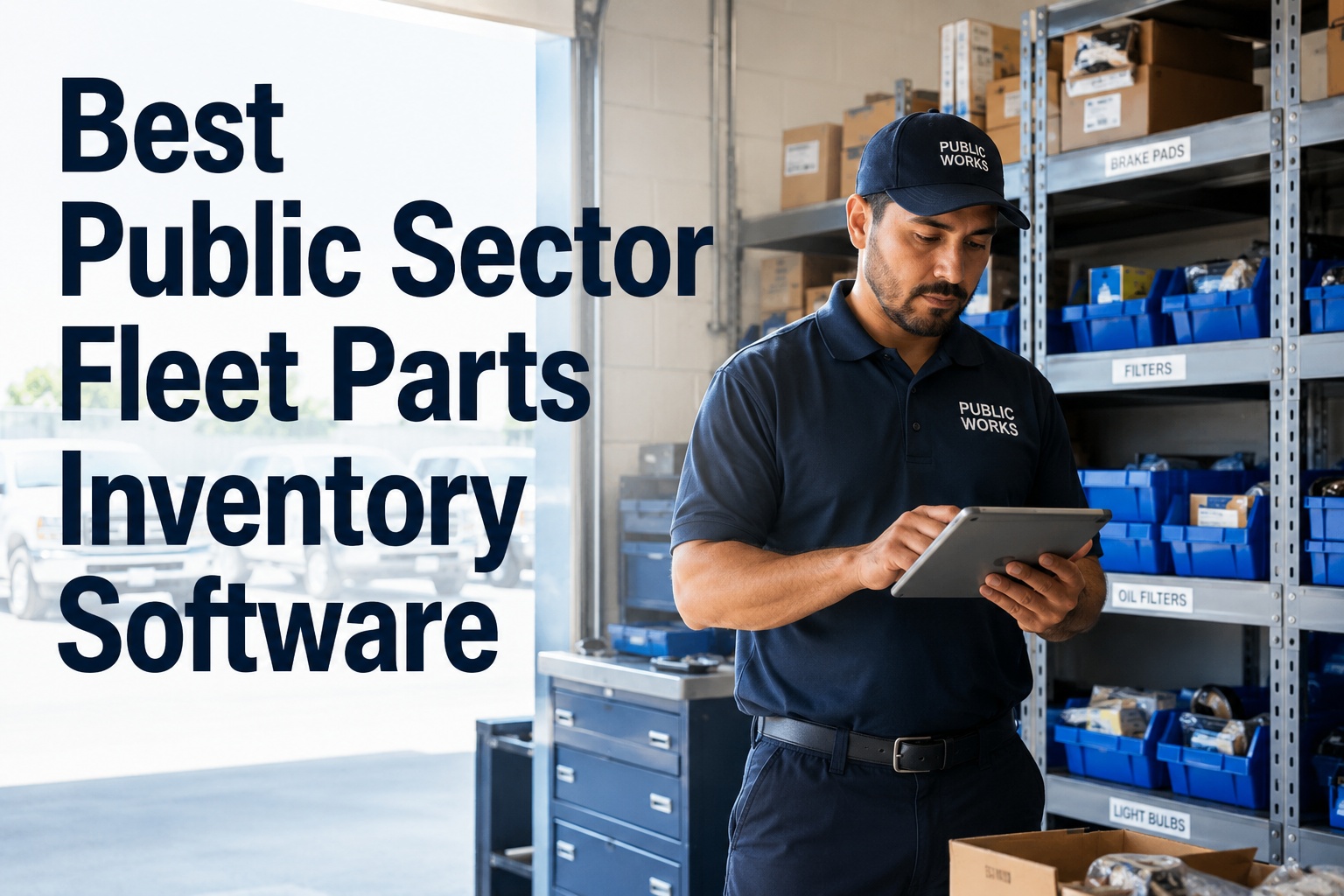
Every part, bin, and shelf gets a scannable code; technicians scan at point of use — capturing the informal withdrawals spreadsheets miss.
Thresholds tied to actual usage velocity, not static minimums — triggering POs when consumption accelerates, before stock hits zero.
When a scheduled service is due, the system pre-stages the exact parts needed — no last-minute supplier scramble.
Parts consumed deduct automatically and tie to the asset and job — so you see which equipment eats the parts budget.
Supplier catalogs, lead times, and pricing in one place — to compare vendors and account for long lead times on critical spares.
Stop Funding Emergency Orders and Dead Stock
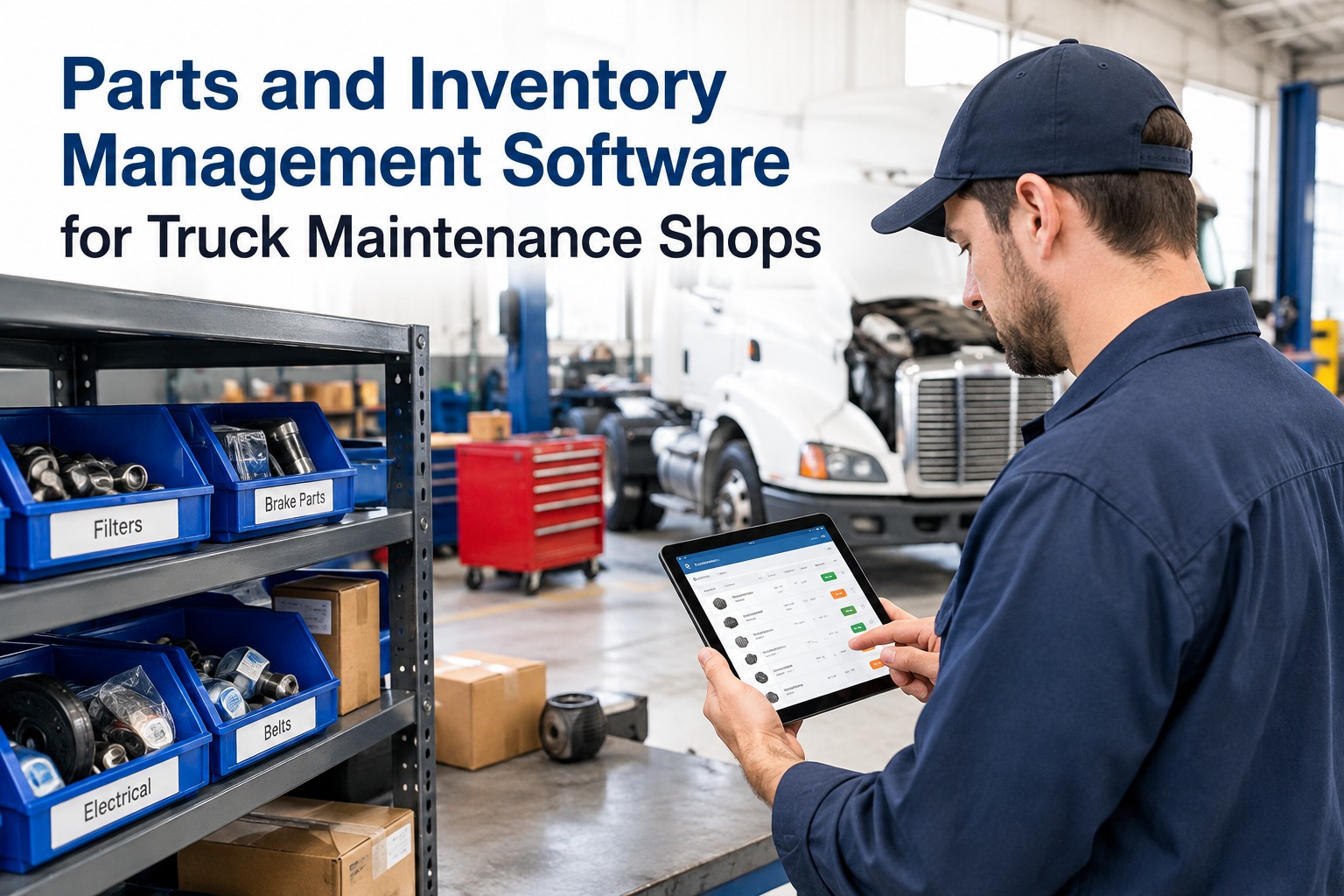
Truck Inspection & Maintenance tracks parts across every yard, scans consumption at point of use, and auto-reorders on real usage — so the part is on the shelf before the rig needs it.
ABC Stocking: Not Every Part Is Equal
The foundation of professional parts management — and the step most fleets skip — is classifying spares by value and criticality, then stocking each tier differently. The best software builds this in.
10–20% of parts, 70–80% of value. Halt equipment if missing — hydraulic pumps, injectors, drivetrain. Stock aggressively with safety buffer; 2–6 week lead times make reactive ordering devastating.
Moderate value and usage — filters, belts, fluids tied to scheduled maintenance. Stock 1–2 weeks driven by the PM calendar and consumption history.
55–70% of SKUs, 5–10% of cost. Fasteners, fittings, basic consumables. Bulk-buy on discount, accept longer lead times, focus management effort on A and B.
Questions to Ask Before You Buy
Most buyers focus on features and forget the integration and rollout questions that decide whether a platform actually works in the field. Run any vendor through these before committing.
Frequently Asked Questions
Far more than the part. A single oilfield stockout averages around $82,000 in emergency procurement and downtime, and a stalled rig or production platform can defer $80,000 to over $1 million per day. One 14-site fleet running on spreadsheets accumulated $3.1 million in annual stockout cost. Because the carrying cost of a spare is trivial next to that downtime, prevention through better inventory software delivers fast, measurable ROI. Start a free trial to quantify your exposure.
A spreadsheet shows what was in stock when it was last updated — not what's physically on the shelf now. Manual cycle counts run monthly or quarterly, so records diverge from reality for weeks. They also can't see across remote yards, can't capture the 35–40% of parts movement from emergency use and informal withdrawals, and can't trigger reorders automatically. By the time a stockout shows up in the spreadsheet, it's already causing downtime.
It classifies parts by value and criticality so each tier is stocked appropriately. A items are critical spares — 10–20% of parts but 70–80% of value — that halt equipment if missing and need aggressive stocking due to long lead times. B items are PM consumables stocked to the maintenance calendar. C items are commodity parts, 55–70% of SKUs but minimal cost, bulk-bought on discount. ABC ensures capital goes to the spares that actually prevent costly downtime.
Fleets adopting structured management with software report 30–40% lower inventory carrying costs and up to 91% fewer stockout events, with a typical 100-vehicle heavy fleet saving $200,000–$300,000 annually in inventory costs alone. ROI usually lands within 3–6 months — and because a single prevented downtime event can exceed a full year of subscription cost, the first avoided stockout often pays for the system.
It gives a single fleet-wide view of stock across every yard, shop, and job site, and checks whether a needed part already exists at another location before generating a new purchase order — eliminating duplicate buys. Digital transfer requests move parts between sites with full documentation. Truck Inspection & Maintenance pairs this multi-yard visibility with barcode scan-out, dynamic reorder points, and PM forecasting in one platform. Contact our team for a multi-yard setup.
Turn Parts Inventory Into Uptime Insurance
Truck Inspection & Maintenance tracks spares across every remote yard, scans consumption at point of use, auto-reorders on real usage velocity, pre-stages parts for scheduled PMs, and ties every part to the asset and work order — so a $40 seal never costs you a million-dollar day.