In a government fleet warehouse, a missing part isn't just an operational problem — it's an audit finding waiting to happen. When an auditor asks where a $40,000 generator or a pallet of brake assemblies went, "I think we used them" isn't an answer that survives a public-records review. Government and municipal fleets carry a compliance burden no commercial fleet faces: every part received, issued, and disposed must be traceable for years, across departments as varied as police, fire, sanitation, streets, and parks — each with its own inventory and its own approval chain. Add procurement rules, GASB reporting, and FOIA requests, and a spreadsheet stops being defensible. This buyer's guide breaks down what the best public sector fleet parts inventory software must do — multi-department visibility, procurement-compliant purchasing, audit-ready records, and the security standards government demands — and the questions to ask before you buy. Take control of fleet parts free.
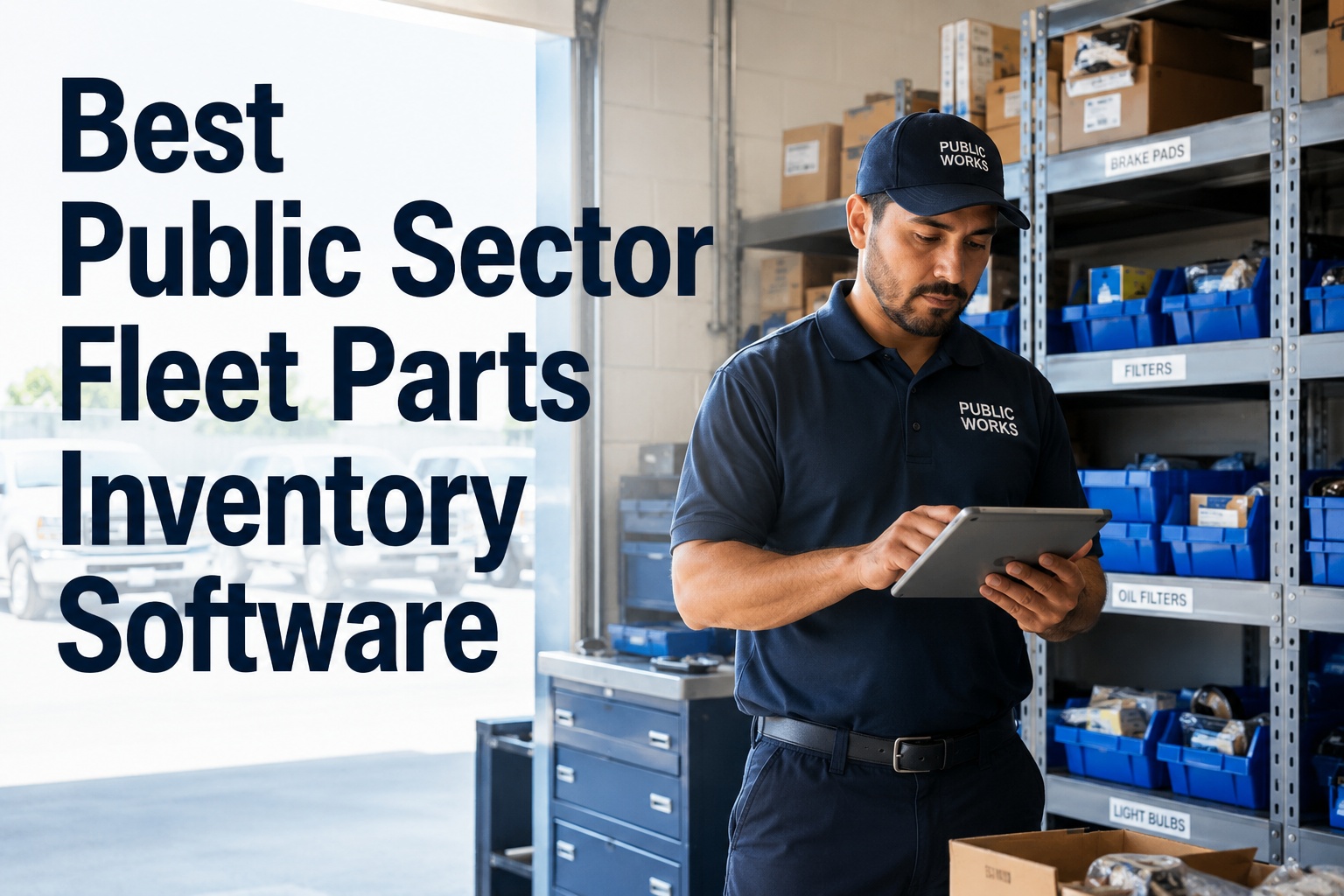
Best Public Sector Fleet Parts Inventory Software
Compare parts inventory software for government and municipal fleets — manage inventory across departments, automate compliant purchasing, track usage, optimize stock, and keep audit-ready records in 2026.
Why Government Parts Inventory Is Different
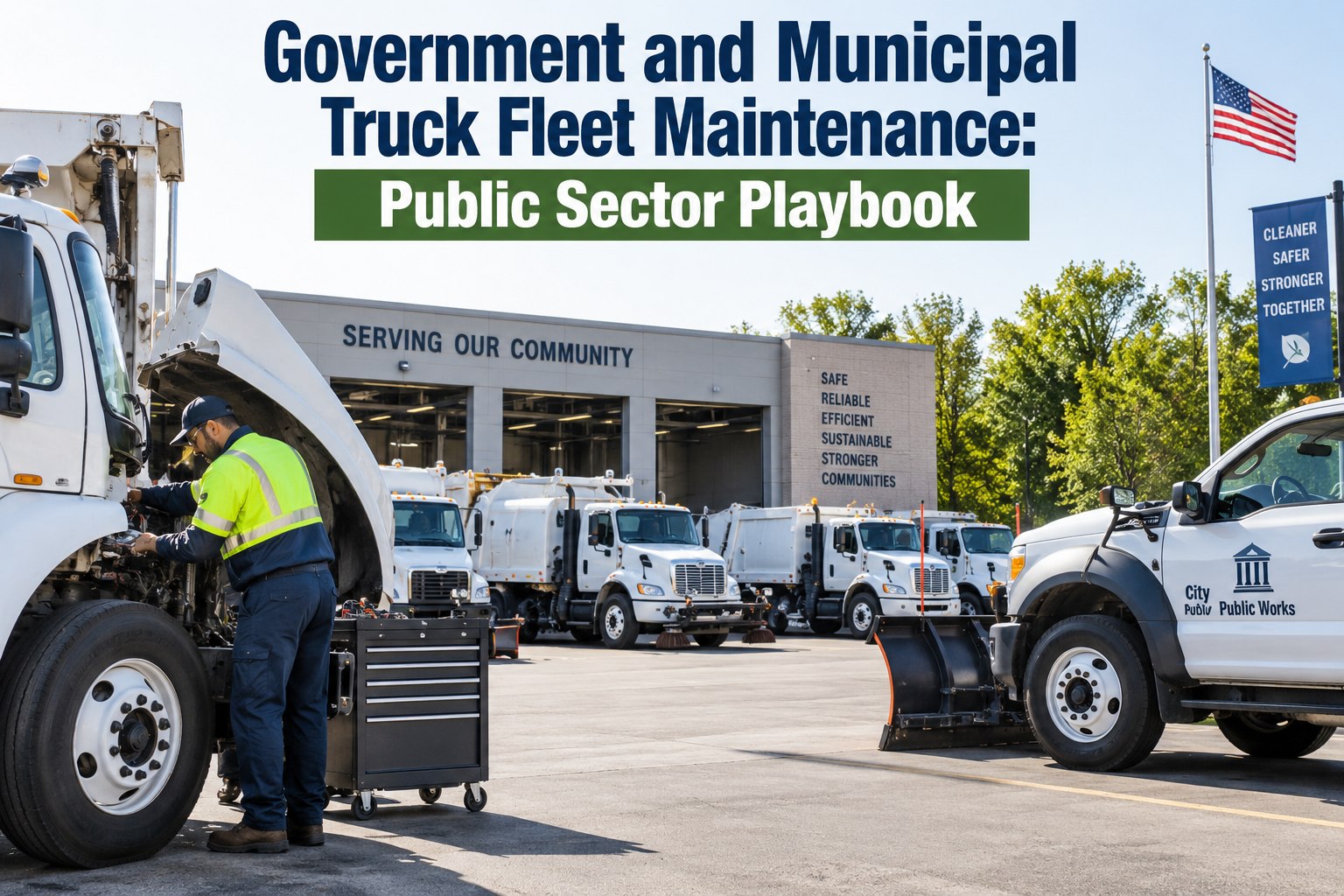
A municipal parts room runs under rules a commercial warehouse never sees. Three pressures make generic inventory tools a poor fit — and make purpose-built, audit-aware software essential.
Every part received, issued, and disposed must be traceable for years. When an auditor or a FOIA request asks where an asset went, you need a complete, defensible record — not a guess.
Police, fire, sanitation, streets, and parks each run their own vehicles and inventory. A part sits idle in one division while another stocks out — without cross-department visibility.
Purchases route through supervisor, department head, and procurement officer approvals, often against cooperative contracts. Buying has to follow the rules, not a tech's memory.
The Aging-Fleet Parts Problem
Here's the trap unique to public sector: government vehicles average 7.4 years old, and replacing them takes an 18-to-36-month procurement cycle. That means you're keeping aging, sometimes discontinued units running for years — and the parts to do it are exactly the ones that go obsolete, get scarce, or sit forgotten on a shelf. Strong inventory control isn't a nicety here; it's how essential services stay on the road until replacements finally arrive.
Must-Have Features: The Buyer's Checklist
Not every platform handles the public-sector reality. These are the capabilities that separate a true government parts system from a commercial tool with a government logo on the website.
One view of parts across every division, with the ability to check stock elsewhere before buying — ending duplicate purchases and warehouse leakage.
Auto-generated purchase requests at reorder thresholds that route through your supervisor, department head, and procurement officer chain.
Every receipt, issuance, adjustment, and disposal logged and timestamped — the continuous record that makes reconciliation and audits defensible.
Parts deduct automatically when used on a vehicle, tying every part to the asset and job for accurate cost-per-vehicle reporting.
Approved vendor lists, lead times, and last-purchase prices per part — so buying is data-driven and contract-compliant.
Allocate parts costs to the right division for transparent, GASB-ready budget accounting across stakeholders.
One Parts System Across Every Department
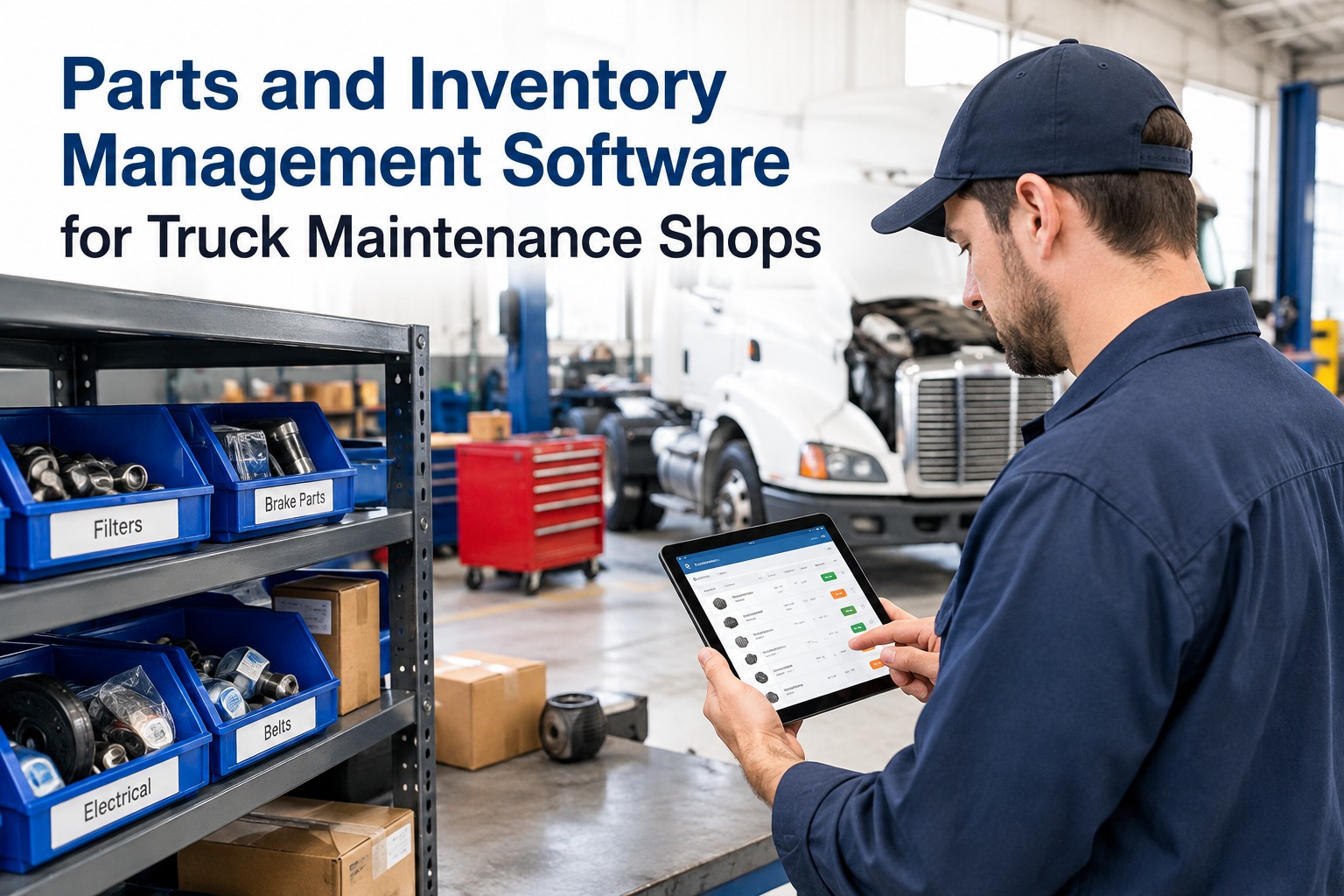
Truck Inspection & Maintenance tracks parts across divisions, logs every transaction for audit, auto-generates purchase requests at reorder points, and ties parts to work orders — so stockouts drop and every issue is traceable.
Procurement-Compliant Purchasing
The biggest difference between commercial and government inventory software is purchasing. A municipal buy can't just happen — it has to follow the approval chain. Good software builds that chain in, turning a reorder into a compliant purchase request automatically.
Security & Audit: Non-Negotiables
Government fleet data carries requirements commercial buyers can ignore. Before a platform makes your shortlist, it has to clear the public-sector security and accountability bar — no matter how good its features are.
Encryption in transit and at rest, role-based access, and alignment with frameworks like SOC 2, NIST, and where applicable FedRAMP, FISMA, or CJIS.
Every transaction, adjustment, and disposal preserved for the full retention period — so any audit or FOIA request is answered in seconds, not days.
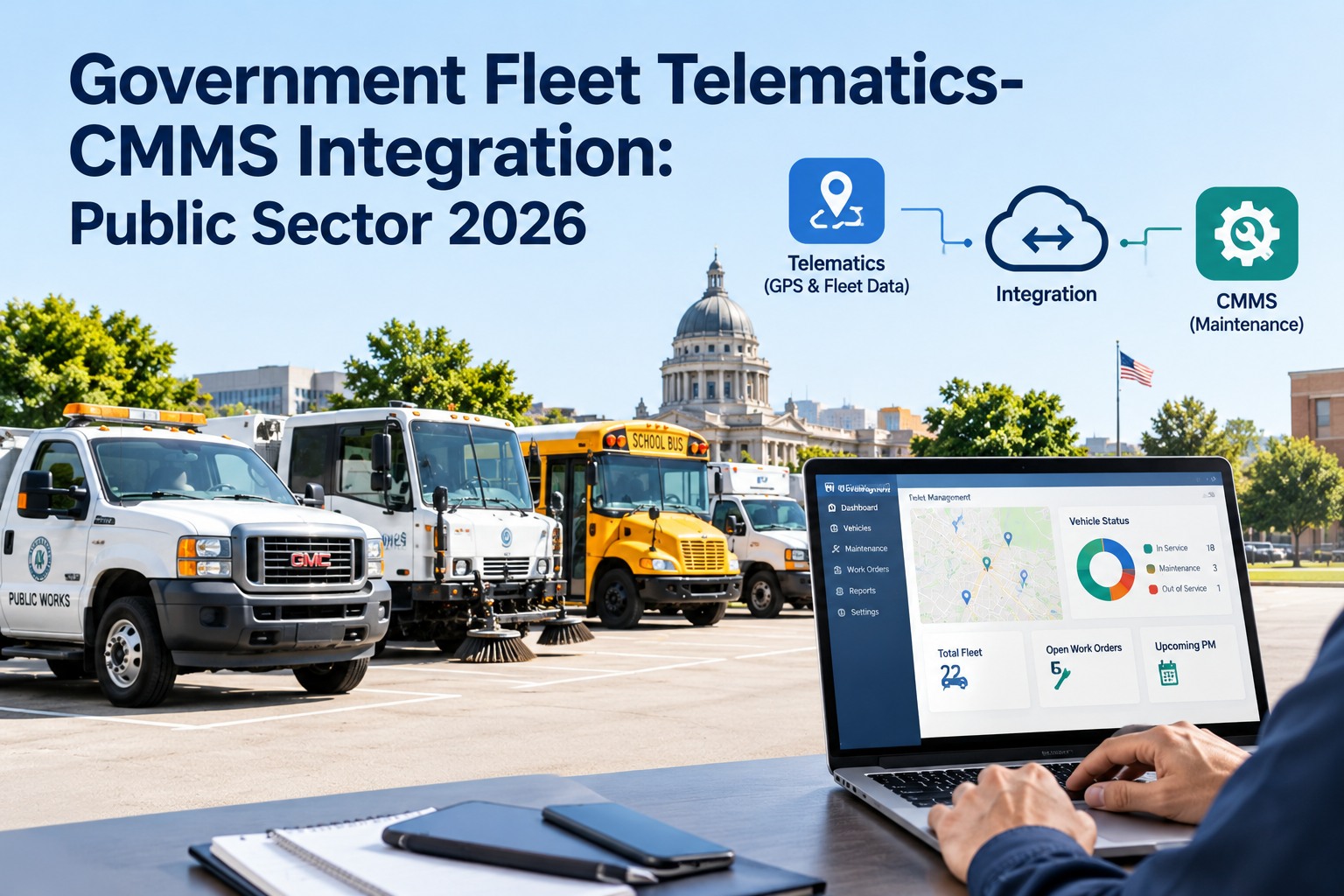
Parts and cost data flowing into municipal ERP and accounting for GASB reporting — no manual re-keying between systems.
Procurement through cooperative contracts and government purchasing vehicles, simplifying the path from selection to deployment.
Questions to Ask Before You Buy
Run any vendor through these. Each maps to a public-sector requirement a commercial-first product is likely to miss.
Frequently Asked Questions
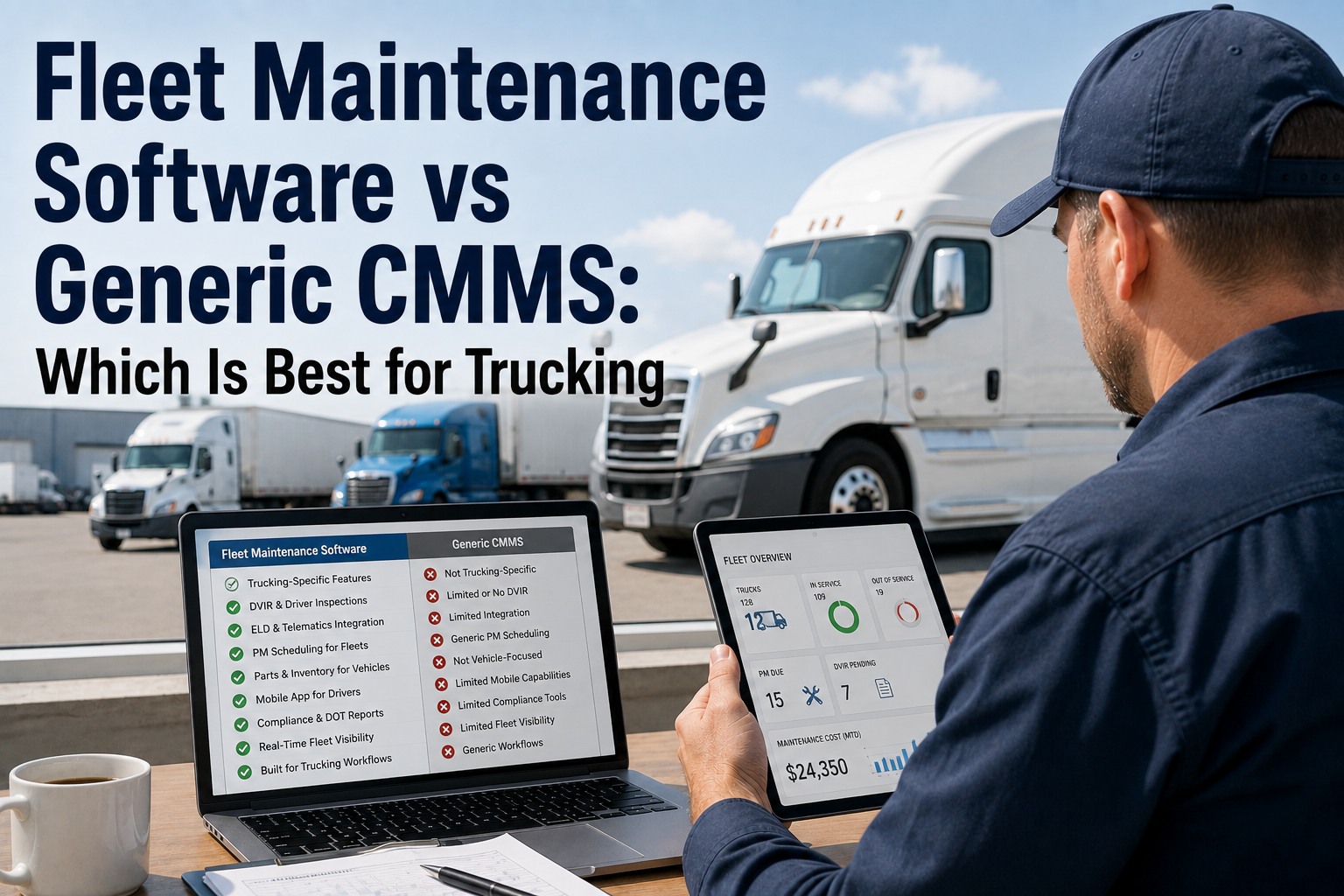
The defining difference is accountability. Government fleets must trace every part received, issued, and disposed for years to satisfy audits and FOIA requests, route purchases through formal approval chains, buy against cooperative or approved-vendor contracts, and report costs under GASB standards. They also span many departments — police, fire, sanitation, streets, parks — each with separate inventory. Commercial tools rarely handle this compliance and multi-department reality natively, which is why purpose-built public-sector software matters. Start a free trial to see the difference.
It maintains a continuous digital record of every inventory transaction — receipts, issuances, adjustments, and disposals — each timestamped and preserved for the full retention period. When an auditor or citizen asks where a part or asset went, you export the complete history in seconds instead of scrambling through filing cabinets for days. That same record turns reconciliation from a multi-day physical count into a structured verification with discrepancies flagged automatically.
Good government inventory software does. When stock hits a reorder threshold, it generates a purchase request automatically and routes it through configurable approval chains that match your supervisor, department head, and procurement officer structure. It stores approved vendor lists, lead times, and contract pricing per part, so purchases follow the rules and buy against the correct cooperative or approved-vendor contract — making procurement data-driven and compliant rather than dependent on memory. Contact our team about approval workflows.
Government vehicles average 7.4 years old, and replacing them takes an 18-to-36-month procurement cycle, so agencies keep older and sometimes discontinued units running far longer than private fleets. The parts for those vehicles are precisely the ones that become scarce, go obsolete, or get forgotten on a shelf. Disciplined inventory control — tracking what you have, what's slow-moving, and what needs reordering with long lead times — is what keeps essential services running until replacements finally arrive.
At minimum, encryption in transit and at rest, role-based access controls, and audit logging. Depending on the agency and data involved, look for alignment with SOC 2, NIST cybersecurity frameworks, and where applicable FedRAMP, FISMA, or CJIS. The vendor should provide compliance documentation for procurement reviews. A platform that can't meet your security standards shouldn't make the shortlist regardless of its features — government data carries obligations a commercial product may not be built to meet. Start a free trial to evaluate the fit.
Bring Every Part Under Control — and Under Audit
Truck Inspection & Maintenance tracks fleet parts across every department, logs every transaction for a defensible audit trail, auto-routes purchase requests through your approval chain, ties parts to work orders and budgets, and keeps records FOIA- and GASB-ready — so your municipal fleet cuts stockouts, controls spend, and passes every audit.