A tractor is 6 years old. Repair bills keep climbing, the finance team wants to know whether to replace it this year or next, and the answer depends on records that live in three places: the purchase file, the shop's work orders and a spreadsheet nobody has updated since spring. Fleet asset lifecycle management is the habit of keeping one running record from the day a truck is acquired to the day it is sold. This guide walks through the five stages of that life, how to watch maintenance cost climb, how to build a simple replacement score, and how Truck Inspection & Maintenance Management Software (TIM) keeps the maintenance side of the record complete. Start free and build your first truck's lifetime record.
Acquisition · Depreciation · Replacement · Disposal
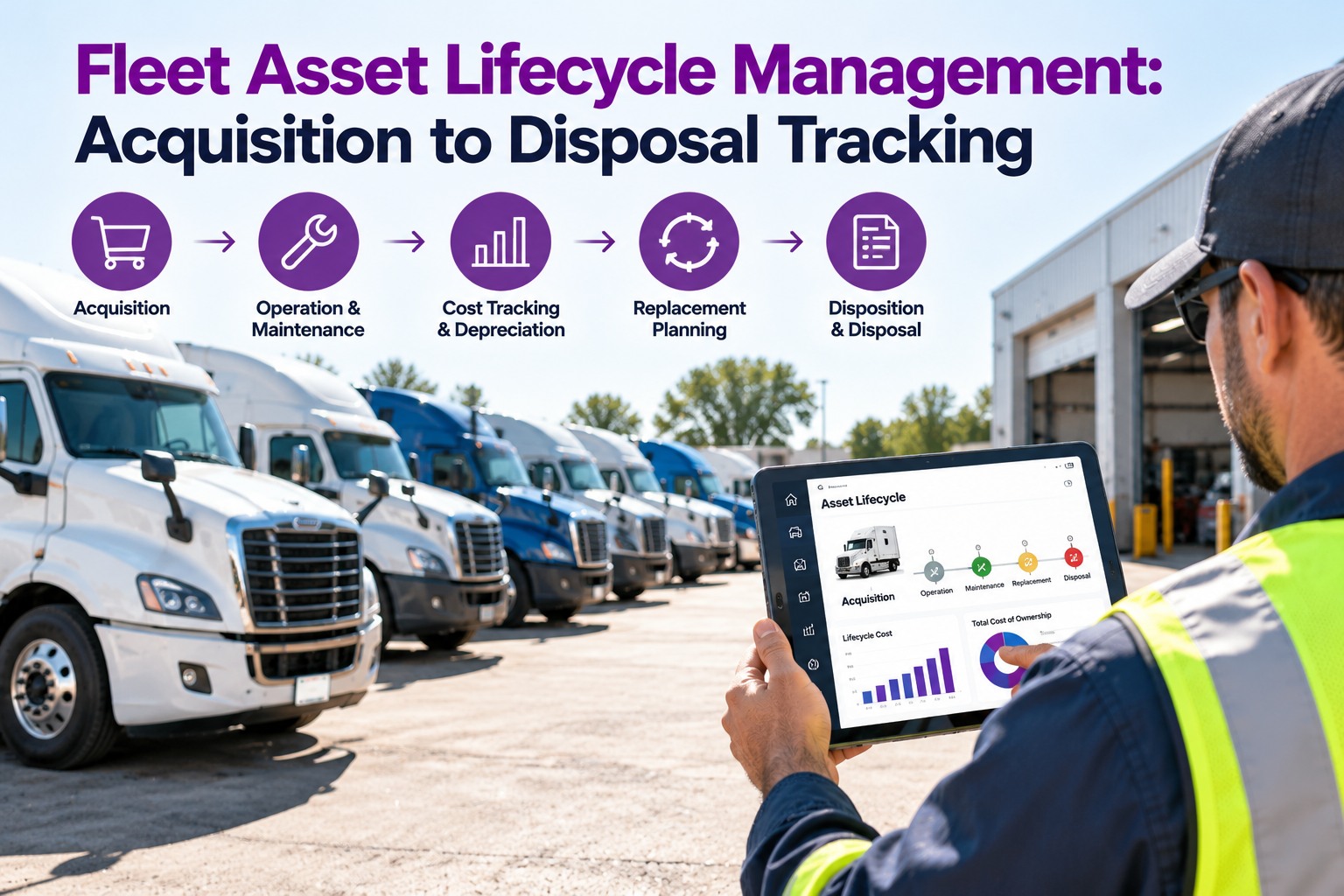
Fleet Asset Lifecycle Management: Acquisition to Disposal Tracking
Replacement decisions are only as good as the cost history behind them. TIM keeps every repair, PM and inspection on one record per truck, so the maintenance half of your lifecycle numbers is never a guess.
5 stagesfrom acquisition to disposal
4 signalsthat say a truck is nearing replacement
1 recordper truck, from first PM to final sale
The Five Stages of a Truck's Life
Every truck passes through the same path. What differs is how much you can prove about each stage when a decision is due.
1AcquirePurchase or lease, spec, serial, in-service date.
2CommissionBaseline inspection, first PM schedule, assigned unit.
3OperatePMs, inspections, repairs and mileage build the history.
4EvaluateCost trends and condition feed the replace-or-keep call.
5DisposeSale or trade-in, with the full record handed over.
Most of the cost data lives in stage 3. That is where records are most often incomplete.
Where the Money Sits: Ownership Cost Over Time
Total cost of ownership is not just the purchase price. Four buckets make up the picture, and they move in different directions as a truck ages.
Typical direction of each cost as a truck ages (illustrative)
Depreciation
Steepest early, slows later
Maintenance
Climbs with age and hours
Downtime
Rises as failures get less predictable
Directional illustration only, not real fleet data. Bar lengths show nothing numeric.
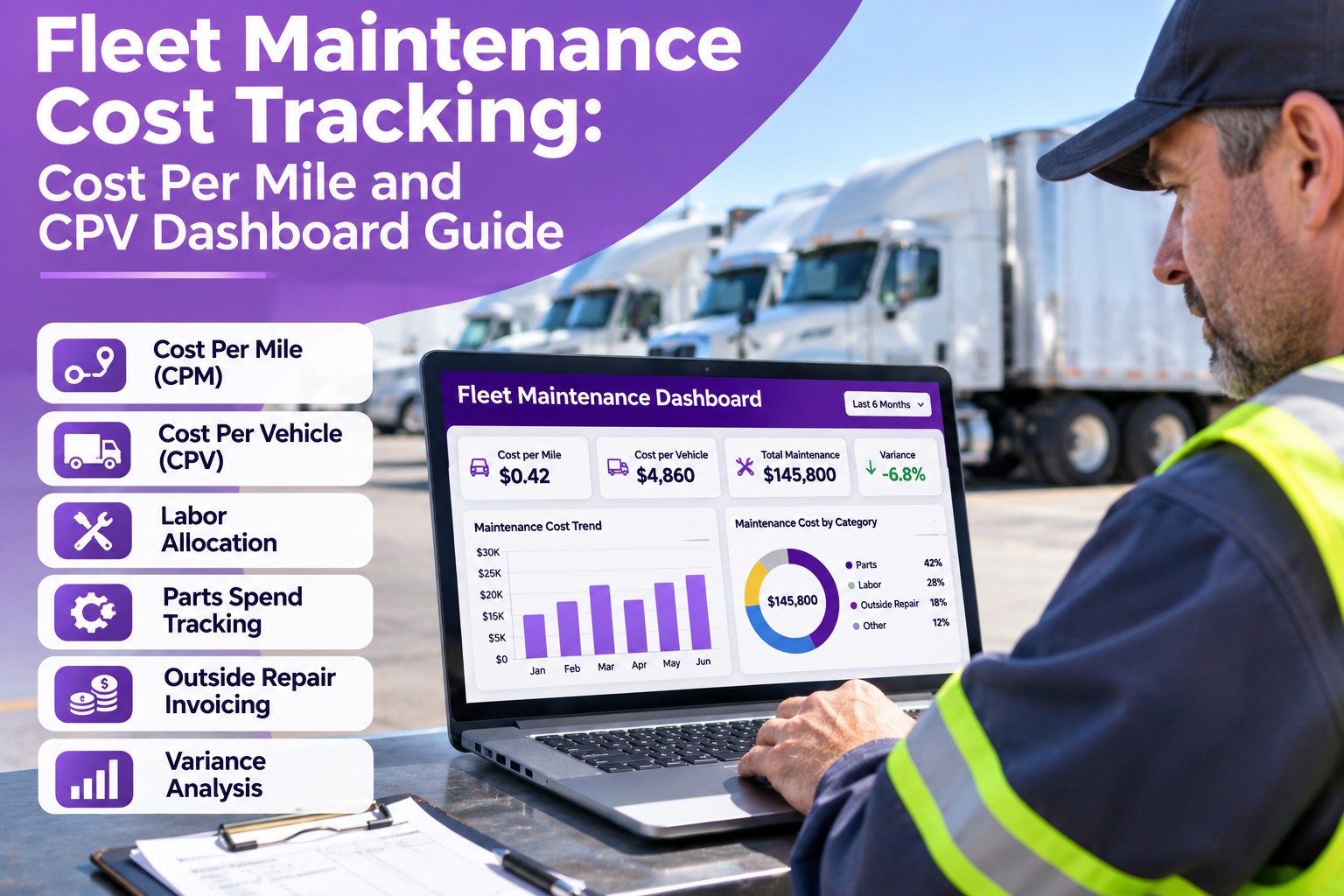
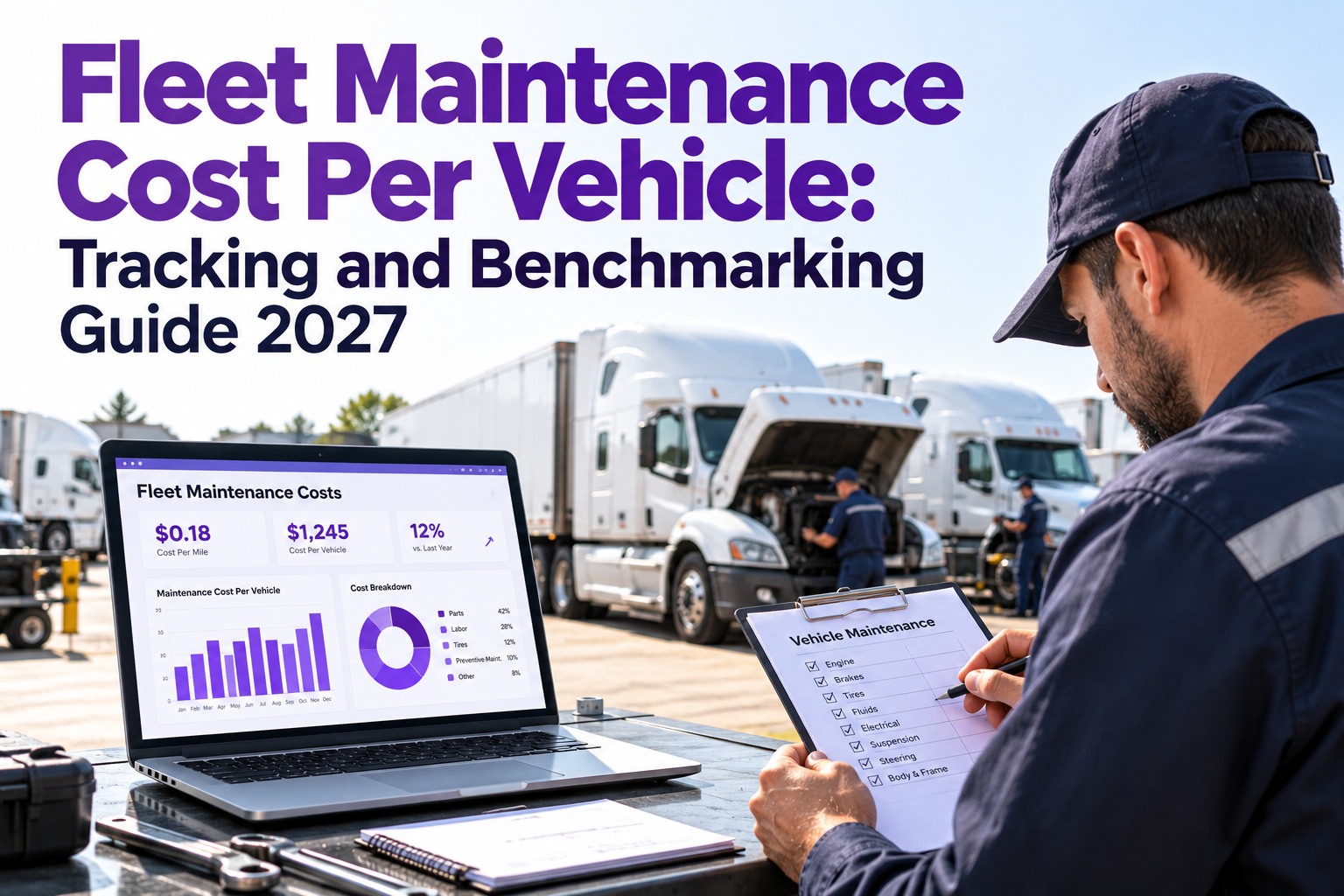
Depreciation and maintenance pull in opposite directions, and the best replacement window is usually where their combined cost per mile or per month stops falling. TIM supplies the maintenance line with real repair and PM history. Book a demo to see per-truck cost history.
Depreciation Tracking: Keep the Book Value Beside the Repair Bills
Depreciation is usually kept by accounting, while maintenance is kept by the shop. Lifecycle decisions need both side by side.
MethodHow it worksBest for
Straight-lineEqual value lost each year over a set lifeSimple, predictable budgeting
Declining balanceLarger write-down early, smaller laterMatching how trucks actually lose value
Usage-basedValue lost per mile or engine hourUneven duty cycles, such as vocational units
General descriptions only. Your accountant decides which method applies for tax and reporting.
Watching Maintenance Cost Climb: Four Early Signals
You don't need a model to see a truck aging out. These four signals, tracked per unit, usually show it first.
↗Cost per mile risingRepair spend per mile or hour trends up for several periods in a row.
↺Repeat repairsThe same system fails again within weeks of the last fix.
⏸More days downUnscheduled out-of-service time grows year over year.
⚠Big-ticket jobs aheadEngine, transmission or aftertreatment work is coming due.
Make the Cost Trend Visible
Start a free trial and log one truck's repairs, PMs and inspections. TIM keeps the history in one place so rising cost per unit is easy to spot.
A Simple Replacement Score You Can Build Today
A scoring model turns gut feel into a ranked list. Rate each truck 1 to 5 on five factors and add them up. A higher score means a stronger case for replacement. The example below is illustrative.
Truck AOlder, heavy repair load
Age and hours4
Maintenance cost trend5
Downtime4
Safety and compliance risk3
Resale outlook falling4
Replacement score20/25
Truck BNewer, steady costs
Age and hours2
Maintenance cost trend1
Downtime1
Safety and compliance risk1
Resale outlook falling2
Replacement score7/25
Illustrative scores. Weight the factors to suit your fleet, and treat the result as a ranking aid that supports, not replaces, a finance review.
Three of the five factors, cost trend, downtime and safety risk, come straight from maintenance records. Start free and capture the data your score depends on.
End-of-Life Disposition: What the File Should Hold
A truck with a complete record is easier to sell and easier to defend in an audit. Before a unit leaves the fleet, confirm these items are in one place.
✓Purchase date, spec and serial number
✓Full PM and repair history
✓Final inspection and condition notes
✓Open defects closed or disclosed
✓Final odometer and engine hours
✓Sale or transfer paperwork and date
Title, tax and registration paperwork rules vary by state and sale type. Confirm requirements with your accountant or licensing office.
What TIM Contributes to the Lifecycle Record
TIM does not replace your accounting system. It owns the part of the lifecycle that the shop produces every day.
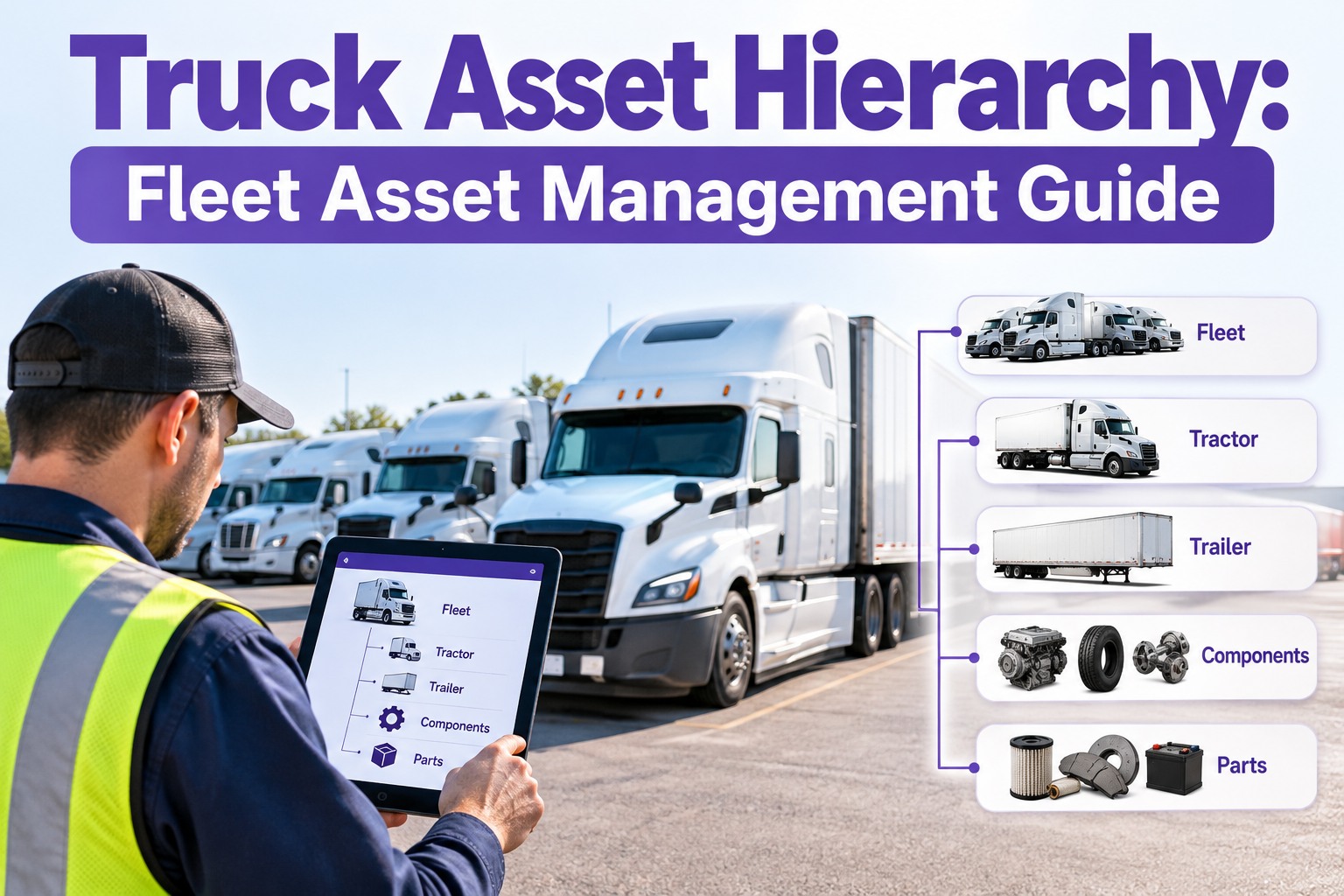
One truck, one lifetime record
IdentityUnit number, spec, in-service date
PM historyEvery service, by miles, hours or days
RepairsWork orders with parts and labor
DefectsInspection findings and verified fixes
Exit fileFull history ready to hand over at sale
Frequently Asked Questions
What is fleet asset lifecycle management?
It is tracking each truck from acquisition through operation, evaluation and disposal, with cost and condition data kept on one record. The goal is to replace trucks at the right time instead of too early or too late.
Start free and begin the record on one truck.
When should a truck be replaced?
There is no single age or mileage that fits every fleet. Replacement usually makes sense when maintenance, downtime and risk together cost more than the carrying cost of a newer unit. A scoring model helps rank trucks consistently.
Does TIM track depreciation?
Why does maintenance history matter at resale?
Buyers trust documented service. A complete PM and repair file shows the truck was looked after, which supports the asking price and shortens the conversation.
Logged · Costed · Kept
Replace on Evidence, Not on Instinct
Truck Inspection & Maintenance Management Software keeps a lifetime maintenance record for every truck, so your replacement and disposal decisions rest on real history. Start free to build your first record, or book a demo to see it for your fleet.
No credit card required. Free for up to 3 trucks.