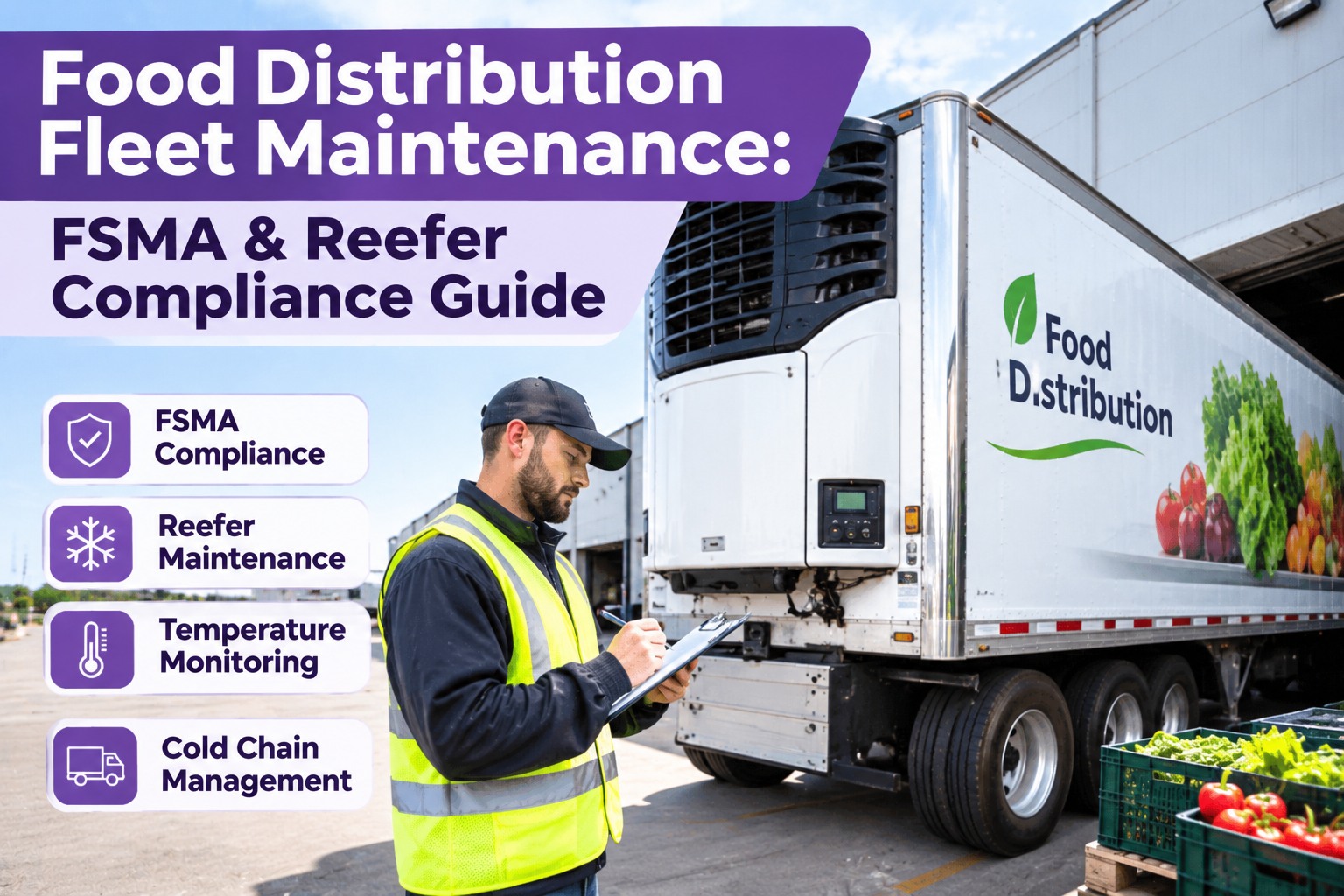
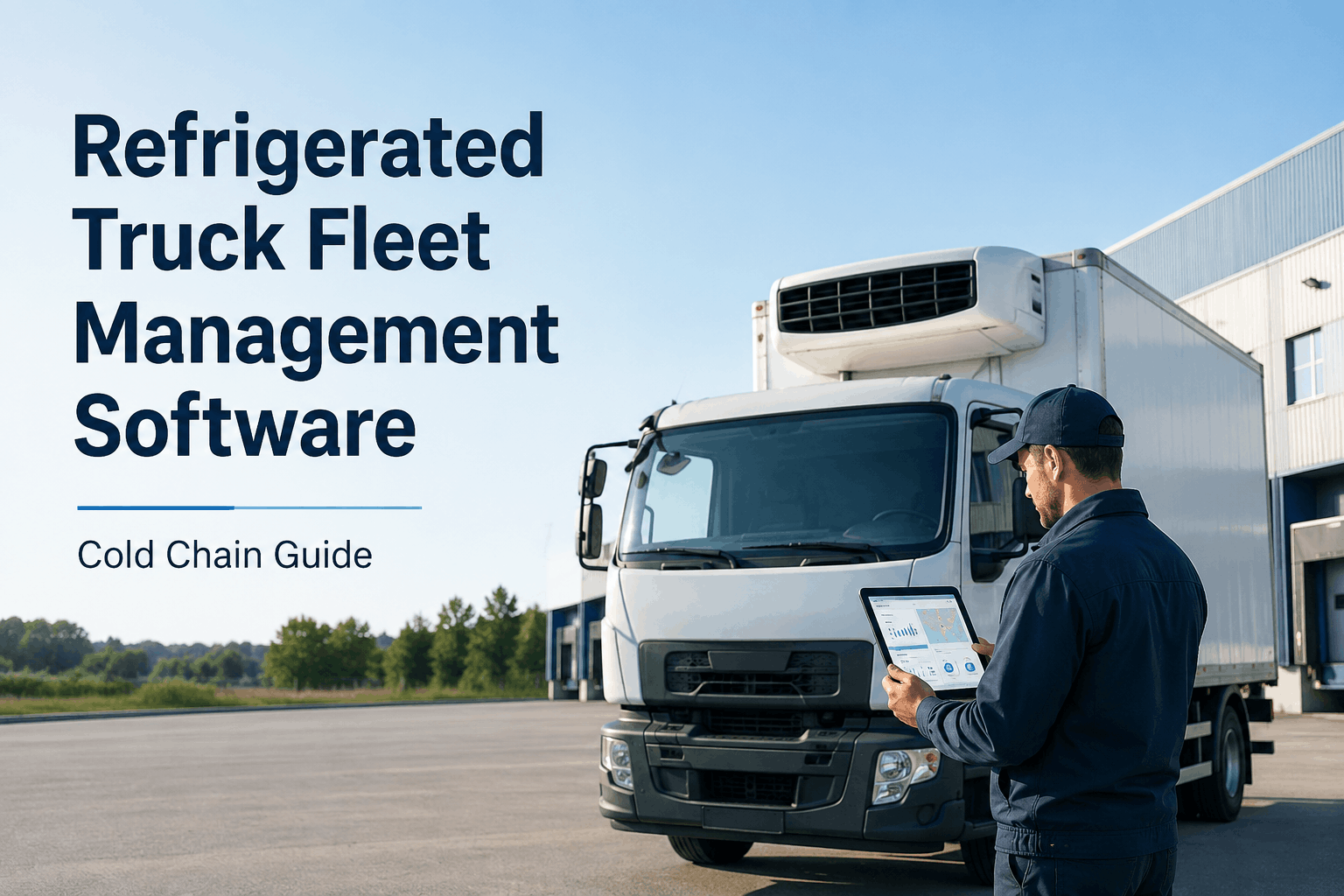
Food Distribution Fleet Maintenance: FSMA & Reefer Compliance Guide
By William Jerry on November 16, 2026
In a food fleet, a maintenance miss isn't just downtime. A worn door seal or a reefer that can't hold setpoint is a spoiled load, a rejected delivery, and a gap in the records an FDA inspector can ask for. The same trailer answers to two inspectors at once the DOT for roadworthy, the FDA's FSMA rule for food-safe — and the same defect can fail both. This guide walks where the cold chain breaks and how Truck Inspection & Maintenance Management Software keeps the reefer, the sanitation and the temperature records on one file. Start free and keep your cold chain audit-ready.
Industry-Specific · Food Distribution & Cold Chain
Food Distribution Fleet Maintenance: FSMA & Reefer Compliance Guide
One worn seal can fail both inspectors — an excursion for the FDA and a continuous-run breakdown for the shop. Our software keeps the reefer on its own run-hour PM clock, captures the pre-cool and door-seal checks before every load, and files the temperature and sanitation records against the trailer. The cold chain holds, and so does the paperwork that proves it.
One trailer, two inspections — roadworthy for the DOT, food-safe for the FDA.
Two Inspectors, One Trailer
Food-fleet maintenance lives under two regimes at once. A dry-van fleet answers to one; a reefer fleet answers to both, and a clean record for one isn't a clean record for the other.
DOT · roadworthy
Brakes, tires, lights and air system
§396 driver inspection reports
The annual periodic inspection
Keeps the truck legal on the road
FDA · FSMA food-safe
Temperature control the shipper specifies
Clean, maintained, cleanable equipment
Trained personnel, documented
Records kept up to 12 months
Under the FSMA Sanitary Transportation rule the shipper is the primary party — it specifies the operating temperature in writing, and the carrier has to demonstrate, on request, that the temperature held. The proof lives in your maintenance records. Book a demo to see FSMA records kept automatically.
Where the Cold Chain Breaks
A cold-chain failure almost never starts at the compressor. It starts at a small, maintainable part that lets warm air in or reads the temperature wrong — and the unit looks fine right up until it isn't.
Door sealsA worn seal lets ambient air in, forcing the unit into continuous run — a quarter-inch gap can spike fuel burn and warm the load.
Insulation & T-floorDegraded insulation raises return-air temperature; the unit runs hot and still loses the setpoint.
Air chuteA torn or blocked chute kills airflow over the top of the load, leaving warm pockets the gauge never sees.
Reefer unitBelts, refrigerant charge and the defrost cycle — the parts that decide whether the unit pulls down to setpoint at all.
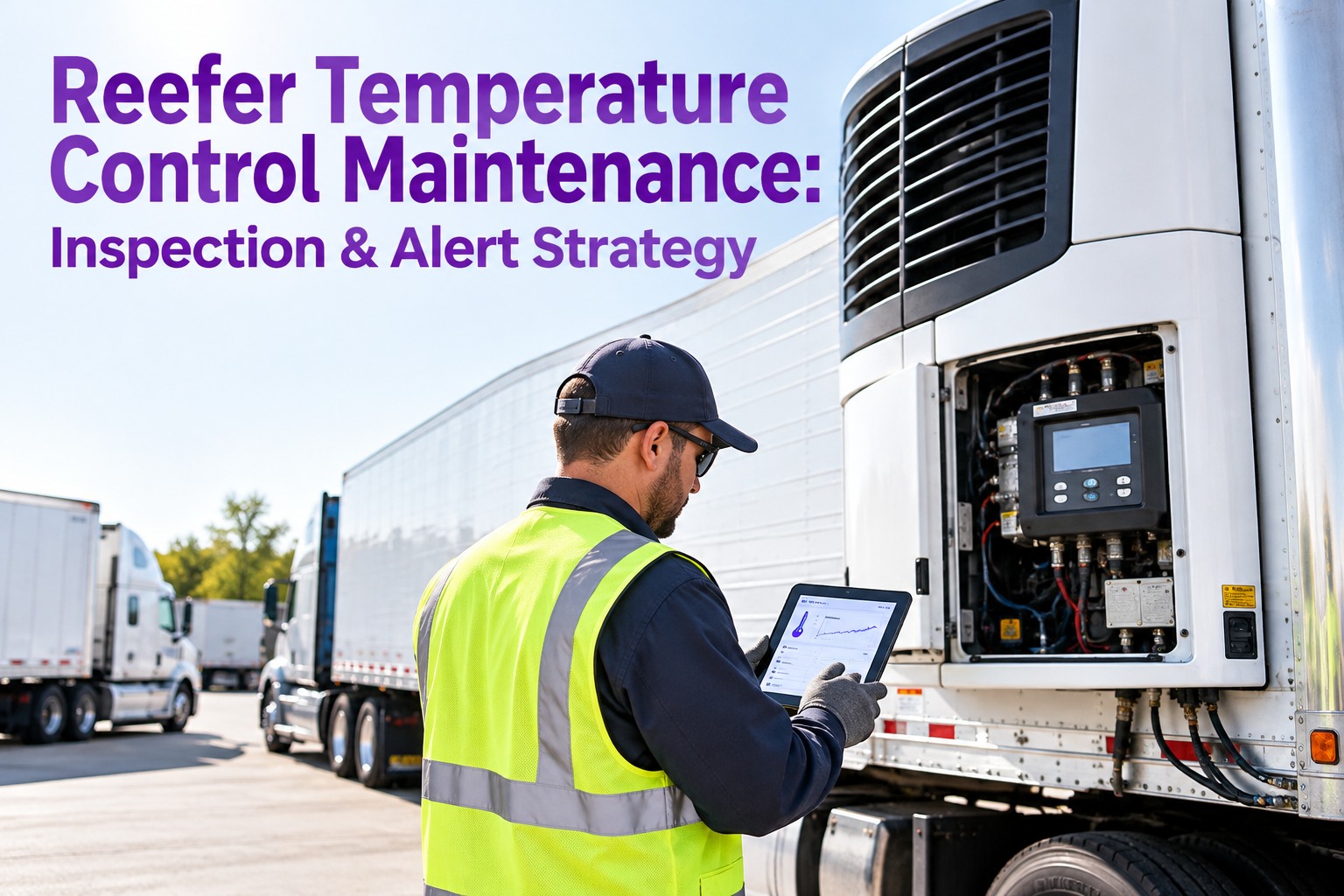
Temperature sensorAn out-of-calibration sensor reads safe while the load warms. If the unit says 34°F, you need to be able to prove it.
Sanitation & drainsResidue and a clogged drain line are cross-contamination, not just mess — a food-safety defect in their own right.
Catch the Seal Before It Breaks the Chain
Door seals, pre-cool and run-hours checked on a guided reefer pre-trip, with the temperature and sanitation records filed to the trailer — so the proof is a byproduct of the inspection, not a scramble at audit time.
Here's the mistake that strands most food fleets: running the reefer on the tractor's mileage schedule. The unit is a separate diesel engine that runs while the truck is parked — it ages by hours, not miles.
◉Miles miss itA mileage or calendar reminder sails right past a unit that logged hours sitting at a dock.
⏱Schedule by run hoursHost-engine and electric-standby hours drive PM and defrost — the unit's own clock.
❄Pre-cool firstProve the trailer is at setpoint before loading; a reefer holds temperature, it can't chill a warm product.
A reefer looks fine until it isn't — a unit that used to reach temperature in minutes and now takes longer is telling you something before it fails outright. Hour-based PM is what hears it. Book a demo to schedule reefer PM by run hours.
Sanitation and Records Are Maintenance Too
Under FSMA, cleaning and recordkeeping aren't separate from maintenance — they're part of the same job, and the records are what you produce when asked.
Washout between loadsPrevents cross-contamination and allergen cross-contact — logged with a sanitation ticket.
Pre-cool verificationTime, temperature and driver ID that the trailer hit setpoint before loading.
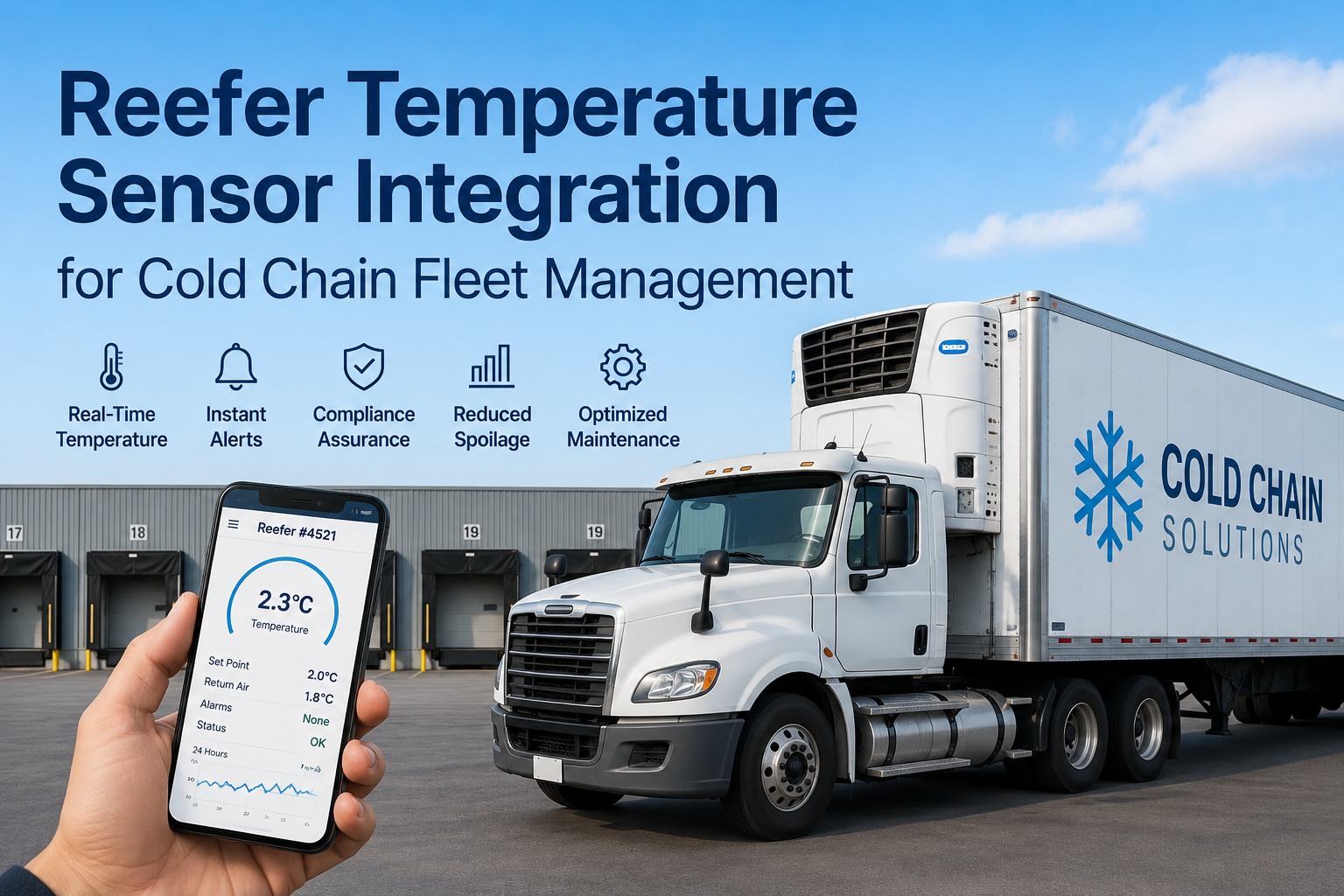
Temperature historyA continuous record, exportable for an audit or a spoilage dispute.
Training & agreementsDocumented sanitary-transport training and the shipper contract, retained up to 12 months.
What a Cold-Chain Failure Actually Costs
The spoiled load is the first number you see, and often the smallest. The failure echoes past the single shipment.
Spoiled loadThe product value, gone in one excursion.
Dock rejectionA receiver refuses the delivery outright.
FSMA gapNo record to show the temperature held.
Insurance disputeA cargo claim with no proof behind it.
The lost laneShippers cut carriers over repeat excursions — the lane outlasts the load.
A unit that drifts out of band for a few hours can trigger a food-safety hold, a documentation gap and an insurance dispute — all from one missed PM cycle. Start free and keep every load on the record.
Why Food Fleets Run It in Software
Temperature, sanitation and PM are three records that have to agree for one load to be compliant. Software keeps them together, on the trailer.
Reefer PM by run hoursScheduled on the unit's own engine and standby hours.
Pre-cool & seal pre-tripThe checks that protect the load, before it's loaded.
Temperature recordsCaptured and exportable for an audit or a dispute.
Sanitation & washout logCleaning recorded as the compliance item it is.
Defect to work orderA worn seal routes to the shop before the next haul.
One record per trailerPM, temperature and sanitation on a single file.
Under the Sanitary Transportation rule: maintain the temperature control the shipper specifies in writing, keep equipment clean and maintained, train personnel, and retain the records — up to 12 months — so you can demonstrate the temperature held on request. Book a demo to see FSMA-ready records.
2Why schedule reefer PM by engine hours, not miles?
A reefer is its own diesel engine that runs while the truck is parked, so it ages by run hours. A mileage or calendar reminder misses the wear entirely — the unit can log heavy hours on a low-mileage trailer. Book a demo to see hour-based reefer PM.
3How does a worn door seal threaten food safety?
A gap lets warm ambient air in, forcing the unit into continuous run to compensate. It burns more fuel, risks a temperature excursion, and the unit may not alarm until the load is already too warm. Book a demo to catch seal wear early.
4What records does a food fleet need to keep?
Pre-cool verification, continuous temperature history, washout and sanitation tickets, and training and agreement records — retained up to 12 months and producible on request. Keeping them with the maintenance file makes an audit routine. Book a demo to see the records in one place.
Reefer · Seals · Sanitation · Records
Keep the Cold Chain, and the Proof, Unbroken
Truck Inspection & Maintenance Management Software runs reefer PM on run hours, catches the door seal before the load warms, and files the temperature and sanitation records to the trailer — so a food load is compliant on the road and provable at the dock.