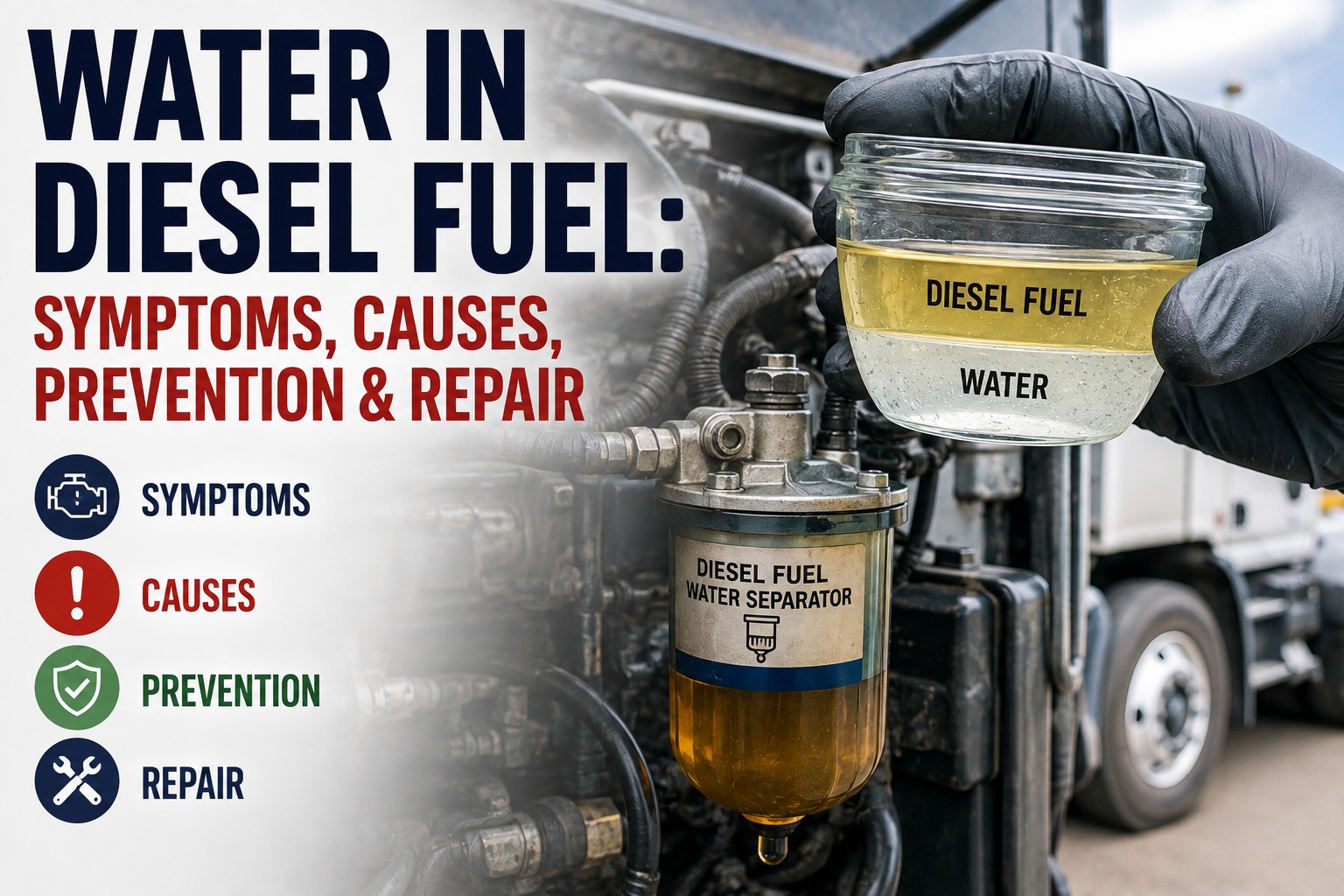
Roughly 70% of hydraulic failures on a refuse fleet trace back to one root cause: contaminated fluid. Not a worn pump, not a bad cylinder — dirt, water, and metal particles circulating through the system, scoring rod surfaces and wearing every component at once. And the trap is that new fluid isn't clean fluid: oil often arrives at ISO 21/19/16, far dirtier than the 16/14/11 a packer's servo valves need. Preventing contamination isn't one fix — it's sealing the three ways it gets in and running the defenses that keep it out. This guide covers both. Truck Inspection & Maintenance ties fluid-sample results, breather and filter PMs, and contamination-flagged work orders into one system so cleanliness is tracked, not assumed — start a free trial or contact our team.
The Best Way to Prevent Hydraulic Contamination in Refuse Fleets
70% of hydraulic failures start with dirty fluid — and new oil is already too dirty. Seal the three ways it gets in; run the defenses that keep it out.
Why Refuse Hydraulics Are So Contamination-Prone
A packer body cycles its hydraulics hundreds of times a shift in the dirtiest environment in trucking. Three numbers frame the stakes:
The majority of hydraulic component failures originate from poor fluid cleanliness — not from parts simply wearing out. Control contamination and you remove the root cause of most failures at once.
Without a high-efficiency breather, dust and moisture drawn in through the reservoir as fluid levels rise and fall can account for up to 80% of the total contaminant load. The breather is the first line of defense.
New fluid routinely arrives around ISO 21/19/16 — far dirtier than the 16/14/11 a modern packer needs. Pumping it in unfiltered degrades the system's baseline instead of improving it.
Track fluid cleanliness per truck instead of guessing. Start a free trial and turn sample results into scheduled action.
The 3 Ways Contamination Gets In
Every particle in the reservoir entered through one of these doors. Knowing them tells you exactly where the defenses go:
Atmospheric Ingress
As the packer extends and retracts, fluid level swings and the reservoir breathes air in and out. A standard or failed breather lets dust and humid air straight into the headspace — the single largest source of contaminant load.
Fill & Top-Off
Every top-off is a contamination event if the fluid is dirty or the port isn't sealed. New oil at 21/19/16, a shared funnel, or an open fill cap on a dusty route all inject particles the system then circulates for months.
Worn Seals & Scored Rods
Dirt, moisture, and metal enter through worn cylinder seals and rod wipers. Once a particle scores a rod surface, every stroke drags contamination past the seal — a self-feeding cycle that only worsens until the cylinder is rebuilt.
The 3 Defenses That Keep It Out
Each defense counters a specific door. Run all three and you close the loop; skip one and that ingress path stays wide open:
High-Efficiency Desiccant Breathers
Swap standard breather caps for desiccant breathers that trap both particulate and moisture from incoming air. This one upgrade addresses the ingress path responsible for up to 80% of the contaminant load. Check and replace the desiccant on a PM schedule, not when it's already spent.
Pre-Filter New Oil + Right-Rated Filtration
Filter every liter of new and top-off fluid to at least two ISO levels cleaner than target before it enters the reservoir — new oil is not clean oil. On the system, match return and pressure filter beta ratios to the contamination profile your samples actually show, and change elements on schedule or on a differential-pressure alarm.
Sealed Fill Ports + Clean Sampling
Use sealed, dedicated fill equipment and quick-connect sampling ports so you never open the system to the environment. Wipe cylinder rods daily and inspect for scoring before it destroys a seal. Take samples from active lines, not stagnant reservoirs, with contamination-free bottles.
The Principle Behind Every Defense — Keep It Clean Going In, Because You Can't Filter It Clean Fast Enough Later
Contamination control is a "clean in" discipline, not a "clean up" one. Once dirty fluid is circulating, it's already scoring rods and embedding particles in valves faster than a filter can pull them back out — and on the ISO 4406 scale, every single point of code increase means double the particle count. That's why the highest-leverage moves all happen at the boundary: filter new oil before it enters, breathe clean air through a desiccant, and never open a sealed port on a dusty route. A fleet that pre-filters top-ups and runs desiccant breathers keeps the system at target for the life of the fluid; one that pours drum oil straight in is fighting a losing battle its own filters can't win. Start a free trial and make clean-in the default on every truck.
Set a Cleanliness Target & Trend It
You can't defend what you don't measure. ISO 4406 gives you the number and the trend line:
A rising silicon or water reading usually points to a breather or storage problem — not a reason to just drain and refill. Fix the ingress path, then change the fluid.
Wire fluid analysis into maintenance: when a sample misses target, a work order writes itself — before the pump fails.
Purpose-built for trucking, the platform connects drivers, mechanics, and managers with mobile DVIRs, PM reminders for breathers and filters, digital work orders triggered by contamination flags, and audit-ready records — so cleanliness is a tracked KPI, not a guess. Start a free trial or talk to our team.
Frequently Asked Questions
What causes most refuse hydraulic failures?
Contaminated fluid — roughly 70% of hydraulic component failures originate from poor cleanliness rather than parts simply wearing out. Dirt, water, and metal particles circulate through the system, scoring rod surfaces and accelerating wear on pumps, valves, and cylinders all at once.
Is new hydraulic oil clean enough to pour straight in?
No. New fluid often arrives around ISO 21/19/16 — far dirtier than the 16/14/11 a packer's servo valves need. Pre-filter every liter of new and top-off oil to at least two ISO levels cleaner than target before it enters the reservoir, or you degrade the system's baseline cleanliness.
What's the single most effective contamination-control upgrade?
A high-efficiency desiccant breather. Atmospheric ingress through the reservoir can account for up to 80% of the total contaminant load, so trapping dust and moisture from incoming air closes the largest single door — and it's a low-cost swap for the standard breather cap.
What ISO cleanliness target should a refuse fleet run?
For sensitive components like packer servo valves, target ISO 16/14/11 or cleaner. Set the target per asset class, treat it as the pass/fail line on every sample, and trend the codes — on the logarithmic scale, each one-point increase means double the particle count.
How often should hydraulic fluid be sampled?
Roughly every 250 engine hours for refuse hydraulics, aligned with your PM cadence. Take samples from active fluid lines (not stagnant reservoirs) with clean bottles, and trend the ISO codes so a rising reading flags a failing breather or seal before it becomes a component failure.
How does Truck Inspection & Maintenance help prevent contamination?
It schedules breather and filter PMs, stores fluid-sample results per truck to trend ISO codes, and auto-generates a work order when a sample misses target or a differential-pressure alarm fires — so a cleanliness problem becomes a scheduled fix instead of a roadside failure. Start a free trial or contact us.
Contamination is the root cause of 70% of hydraulic failures — and it's the most preventable one. Seal the doors, filter what goes in, and trend the number.
Desiccant breathers on the air, pre-filtration on the fill, sealed ports and clean sampling on the system — with fluid results and breather/filter PMs tracked in one platform that turns a missed cleanliness target into a work order before the pump ever fails.