In intermodal, the container gets all the attention — but the chassis underneath it is where the money quietly leaks. A chassis sits on the street an average of 5.5 days per move, often unaccounted for, mis-billed on per diem, or simply lost in a yard somewhere. With more than 80,000 chassis added to the marine pool since 2020, the fleets that win are the ones that can answer three questions instantly: where is every chassis, is it mounted or empty, and how long has it been sitting? GPS tracking software answers all three, turning the least-visible asset in the supply chain into a managed, billable, and recoverable one. This guide compares what the best chassis telematics platforms do — location, utilization, geofencing, maintenance, and per-diem accuracy — and what to look for when choosing one. Get real-time chassis visibility free.
Best Chassis Telematics & GPS Tracking Software for Intermodal Fleets
Compare chassis GPS tracking and telematics for intermodal fleets. Improve chassis visibility, utilization, maintenance planning, geofencing, and real-time container-chassis tracking — in one platform.
Why Chassis Are So Hard to Manage
For decades chassis management ran on manual logs and physical inspections, which is why the asset became infamous for going missing, sitting idle, and generating billing disputes. Three problems define the chassis challenge — and all three trace back to a single missing ingredient: visibility.
Chassis sit idle at depots, ports, and customer yards because no one knows where the available ones are — so pools get over-supplied at one site and short at another.
At 5.5 days average street dwell, every extra idle day is per-diem cost and a chassis not earning. Without timestamps, you can't see it or bill it accurately.
Unequipped chassis disappear into yards and get written off, while per-diem disputes drag on with no record of when a unit arrived or left.
What GPS Tracking Actually Reveals
A chassis tracker does far more than drop a dot on a map. The best systems report four data points that together turn a blind asset into a fully accountable one — each answering a question that used to require a phone call or a yard hunt.
Exactly where every chassis is — in transit, stacked, or idle — across ports, rail yards, depots, and customer sites, on any device.
A sensor signals whether a container is on the chassis or it's running empty — the difference between a working asset and a wasted move.
When it last moved, how long it's been sitting, and entry/exit timestamps at each location — the spine of utilization and per-diem accuracy.
Automatic notifications when a chassis enters or exits a terminal, depot, or customer site — for billing, recovery, and misuse prevention.
Know Where Every Chassis Is — and What It's Doing
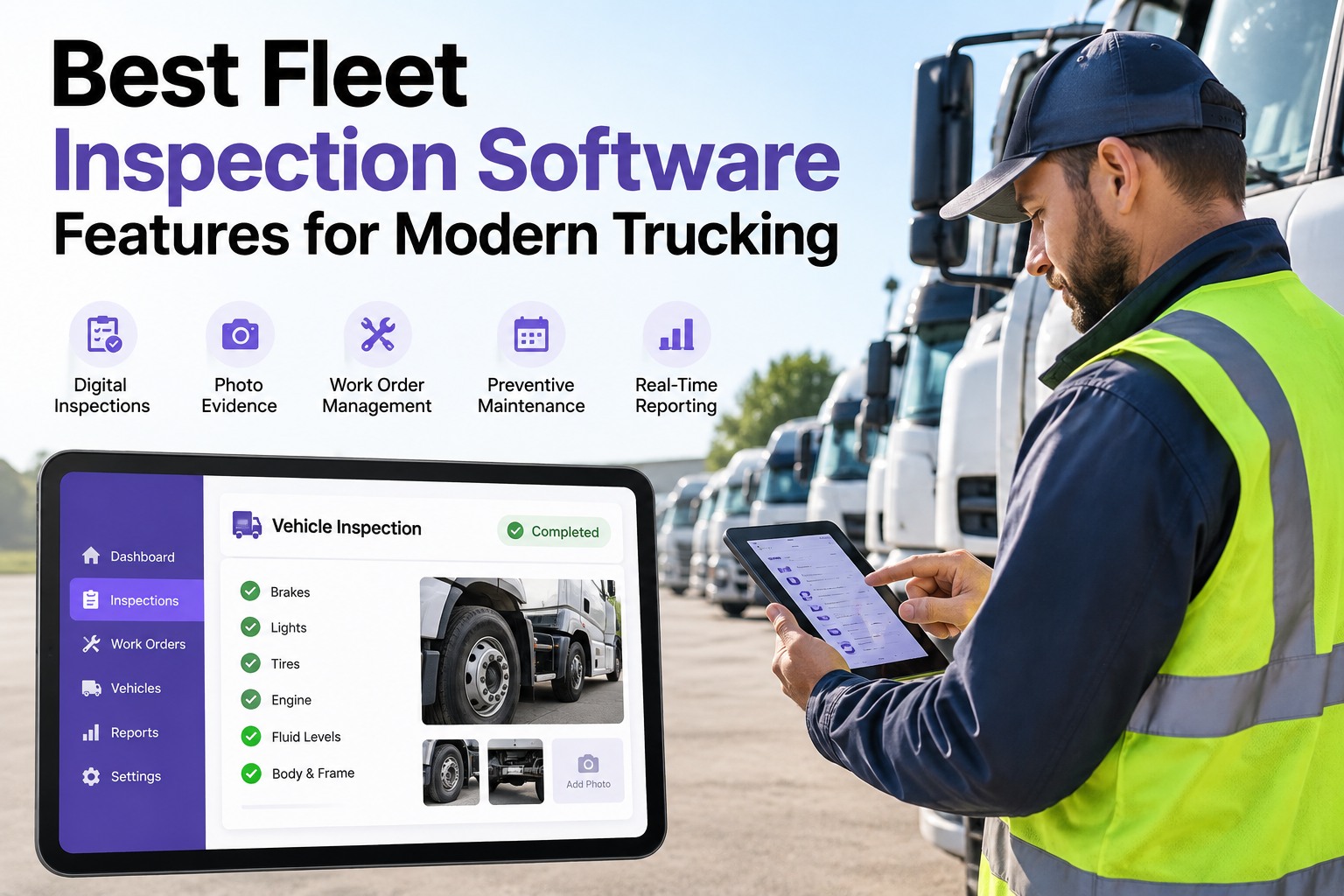
Truck Inspection & Maintenance tracks chassis location, mount status, dwell, and geofence events in one dashboard — so you recover idle units, bill per diem accurately, and stop losing assets.
The Payoff: Five Ways Tracking Pays for Itself
Chassis telematics isn't a cost center — it's a recovery tool. Each of these returns shows up fast once the asset becomes visible, and together they make the business case undeniable.
See available chassis by location and allocate pools to demand — get idle units back into revenue service instead of leasing more.
Spot units sitting too long and recover them before street dwell turns into runaway per-diem charges.
Timestamped entry and exit end the disputes — bill exactly what's owed and defend every charge with data.
Real-time location and movement alerts cut the lost and missing chassis that drive costly write-offs and replacements.
Usage cycles and mileage feed PM scheduling, so service is based on real use — not guesswork or a calendar.
Continuous location feeds accurate ETAs and on-time delivery, improving the customer experience and repeat business.
What to Look For When You Compare
Chassis platforms aren't all equal — many show location and stop there. Use this as your evaluation core; these are the features that separate a map from a management system.
Wheeled vs Grounded: Why Visibility Decides It
Intermodal ramps run two ways, and tracking changes the economics of both. Knowing your chassis status in real time is what lets you choose the right operation instead of defaulting to whichever is easiest.
Containers stay mounted on chassis, ready for immediate pickup. Fast turns — but only if you know which mounted chassis are available and where, or they sit idle racking up cost.
Containers are stacked and lifted onto chassis at pickup. More space-efficient — but demands precise chassis availability data so a driver never arrives to no equipment.
Frequently Asked Questions
It's a platform that monitors the location, status, and usage of intermodal container chassis in real time. Using GPS trackers mounted on each chassis, it shows where every unit is, whether a container is mounted or it's running empty, when it last moved, and how long it's been sitting — plus geofence alerts at terminals and depots. The data drives utilization, per-diem billing accuracy, maintenance, and asset recovery. Start a free trial to see it in action.
By showing available chassis by location, it lets you allocate pools to actual demand instead of guessing. Operators can see which units are idle, where dwell is piling up, and which terminals are over- or under-supplied — then redistribute. The result is getting idle assets back into revenue service and reducing the need to lease additional chassis to cover gaps that were really just visibility problems.
GPS and geofencing record timestamped entry and exit at every location, creating a precise history of how long each chassis was in use or sitting on the street. With street dwell averaging 5.5 days per move, those records let you bill per diem accurately and defend or dispute charges with hard data instead of conflicting manual logs — ending the billing disputes that plague intermodal operations.
Yes. A chassis is a non-powered asset, so trackers are self-contained — running on multi-year internal batteries or solar charging, and built rugged (often IP67 or IP69K rated) to survive weather, vibration, and impact. They check in on a schedule to conserve power. When comparing options, look for software that integrates with multiple tracker types so you're not locked into a single hardware vendor.
No — chassis tracking is not a federal requirement; it's an operational and commercial choice. That said, adoption is accelerating across the leasing market, with major providers equipping entire fleets with GPS. While not mandated, tracking supports compliance, safety, and maintenance recordkeeping, and the utilization and per-diem savings make it a strong investment for growing intermodal fleets. Contact our team to build your case.
Turn Every Chassis Into a Managed Asset
Truck Inspection & Maintenance brings chassis location, mount status, dwell, geofencing, and maintenance into one platform — so you lift utilization, slash street dwell, bill per diem to the minute, recover lost units, and keep every chassis earning instead of hiding in a yard.