Your fuel card statement shows transactions. It does not show that the truck was 200 miles away when the card was swiped, that 170 gallons went into a 120-gallon tank, or that someone siphoned 10 gallons during an overnight stop. Fuel is 30–40% of fleet operating costs, and industry research shows 6–15% of that budget vanishes to theft, fraud, and waste before a single productive mile — for a 50-truck fleet, that's $50,000 to $125,000 a year you can't see on any receipt. The fix isn't a tighter spreadsheet; it's software that matches every gallon to a GPS position and a tank level and flags the anomaly in seconds. This guide breaks down where fuel actually disappears, how detection works, and what to look for when comparing platforms. Start catching fuel theft free.
Best Fuel Management Software for Trucking Fleets to Stop Theft
The best fuel management software catches card fraud, theft, and idle waste across the fleet. See what to compare — and how to turn fuel data into real savings instead of a stack of receipts.
Where Fuel Money Actually Disappears
The reason fuel waste is so hard to stop is that it hides in plain sight — spread across thousands of normal-looking transactions. A monthly card statement shows what was bought, never whether it was legitimate. Here's the scale of the leak.
The Four Ways Fuel Gets Stolen
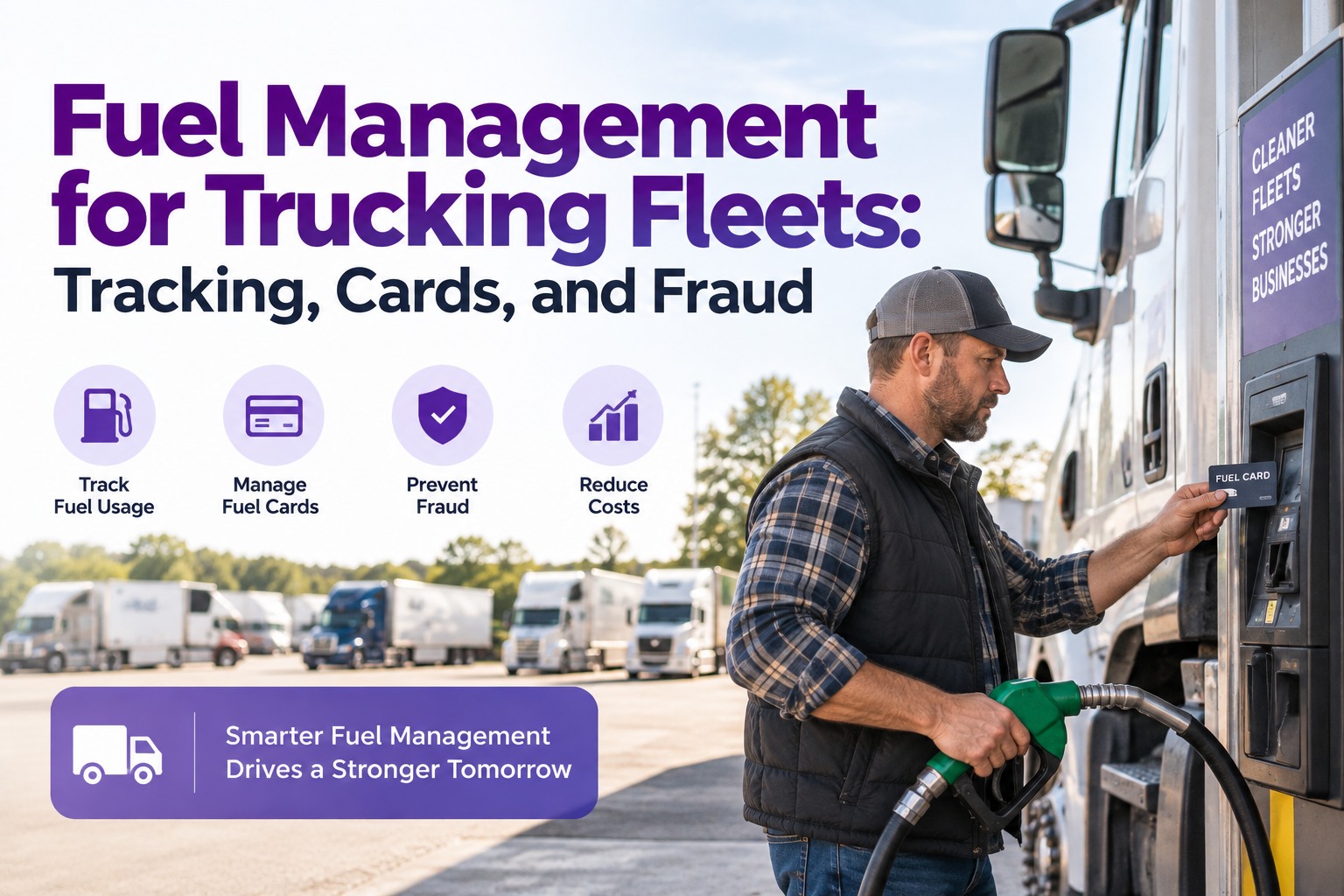
Fuel theft isn't one crime — it's four, each with its own pattern. A good platform is built to catch all of them, because closing one door just sends the loss to another. Here's what to watch for.
A company card fills a personal vehicle. The card and tank don't match the assigned truck's GPS or capacity.
One driver fuels another's truck — or a friend's — on the same card. Two fills, one location, impossible timing.
Split or repeated purchases — several small fills instead of one normal refuel — a classic siphoning signature.
Diesel drawn from a parked truck or depot tank overnight. Tank level drops with no matching transaction.
How Detection Actually Works
The magic isn't the fuel card — it's correlating the card against everything else. When a transaction has to agree with the truck's location, its tank capacity, and its consumption, theft has nowhere to hide. These are the four checks that do the work.
Every transaction matched to the truck's live position. A card swiped 200 miles from the vehicle flags instantly.
A 170-gallon purchase into a 120-gallon tank is impossible. The system catches it before the receipt hits your desk.
A 2 AM fill when the truck is parked, or two fills minutes apart in different places, trips an alert.
AI learns each truck's normal MPG and flags fuel purchased that doesn't match miles actually driven.
Match Every Gallon to a Truck and a Place
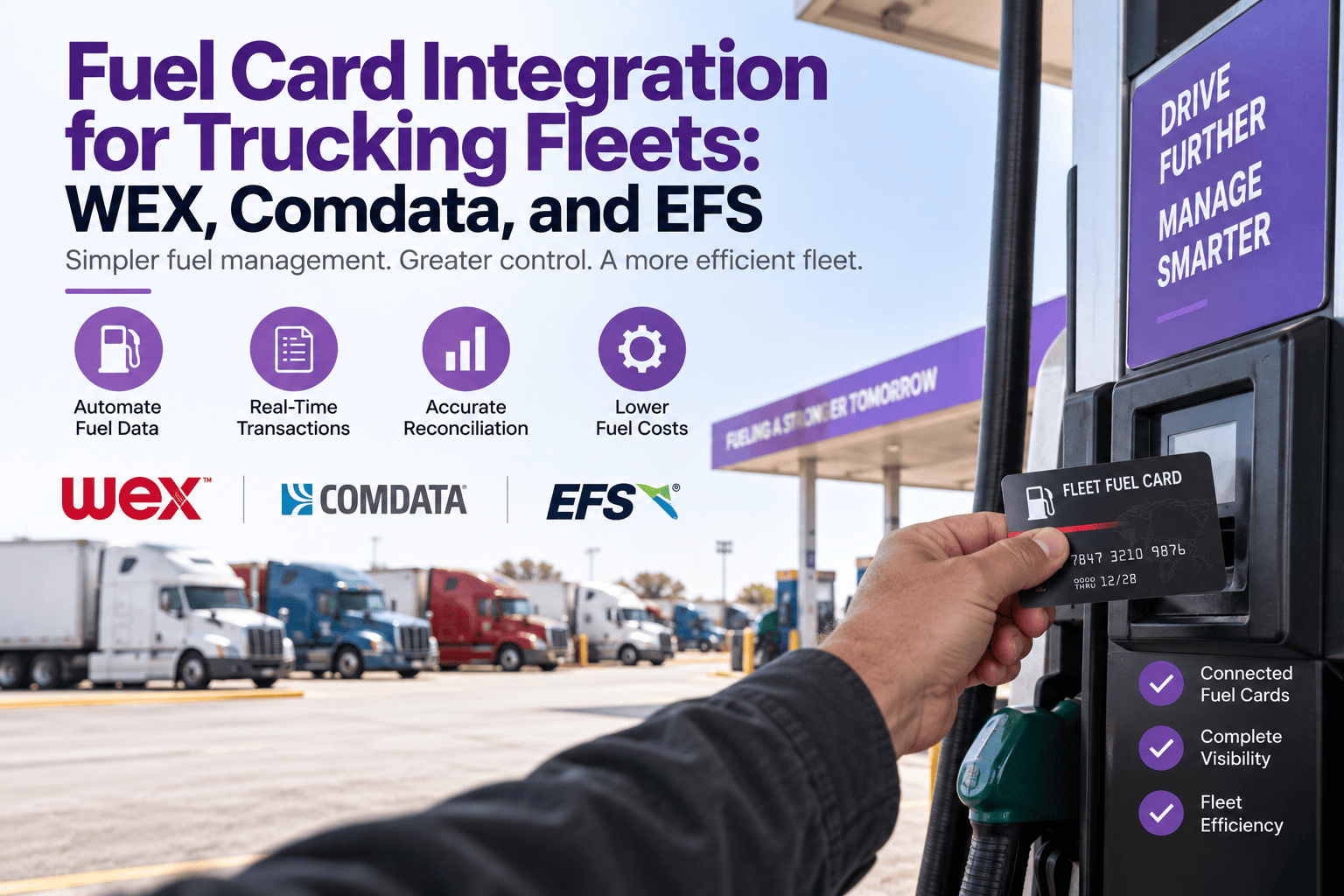
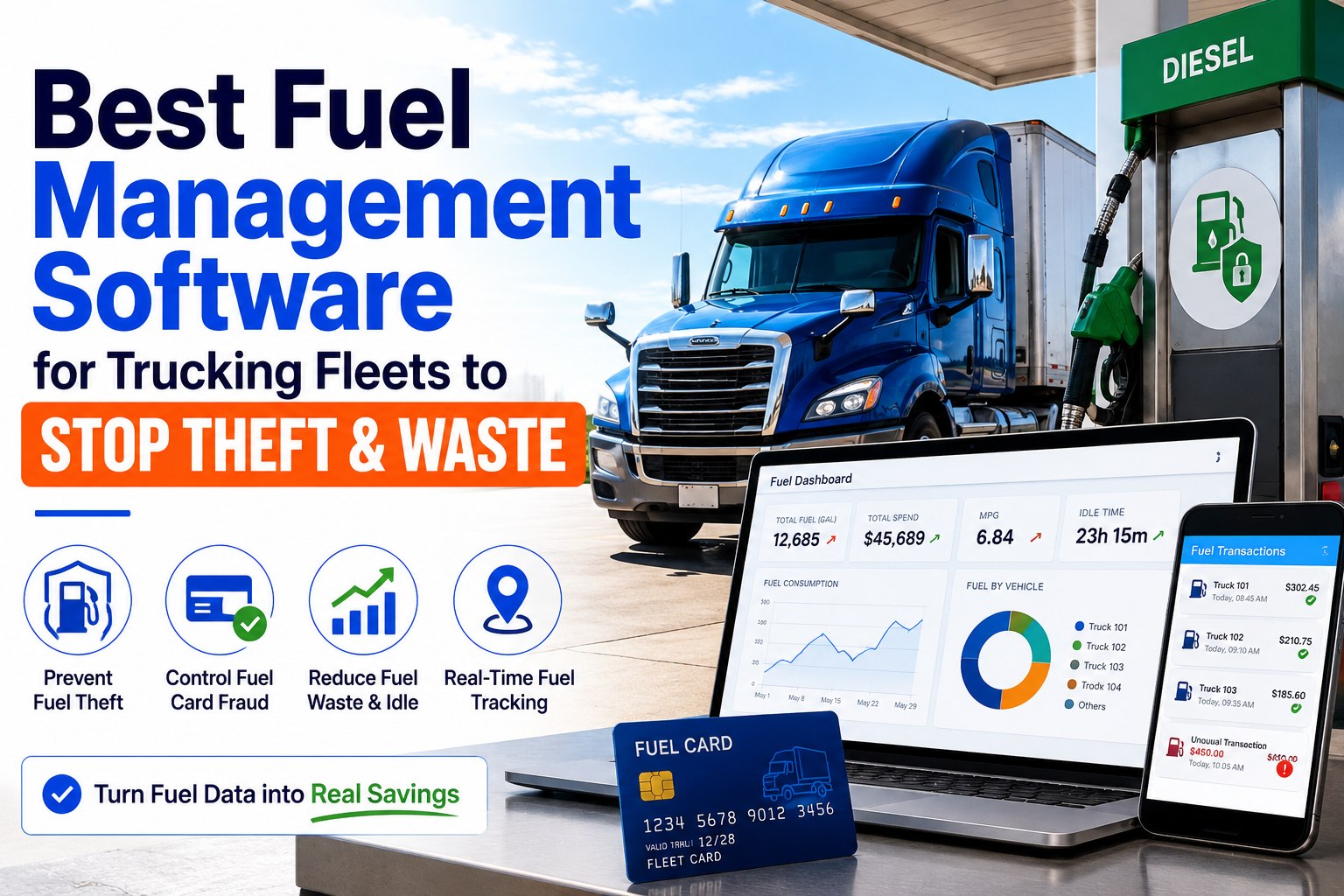
Truck Inspection & Maintenance correlates fuel-card transactions with GPS, tank levels, and consumption — flagging theft and fraud in seconds instead of at quarterly reconciliation.
It's Not Just Theft: The Waste You're Not Watching
Outright theft is only part of the leak. The bigger, quieter drain is waste — fuel burned by habits and inefficiencies nobody's measuring. The same software that catches a siphon also surfaces these.
Every hour of idling burns about a gallon, moving zero freight. Idle alerts by truck and driver turn it visible.
Fills outside your approved-station map miss negotiated discounts. Geofenced station rules flag and prevent it.
The truck or driver burning more than the fleet average points to a maintenance issue or a coaching opportunity.
What to Look For When You Compare
Not every platform earns its price. Many are dashboards that show transactions without catching anomalies. Use this as your evaluation core — these are the features that actually pay for themselves.
Frequently Asked Questions
Industry research estimates 6–15% of a fleet's fuel budget disappears to theft, fraud, and unmonitored waste, with 3–8% attributable to theft and fraud specifically. For a 50-truck fleet spending $500,000 a year on diesel, that can mean $50,000–$125,000 in invisible losses annually. Monthly card statements don't catch it because they show transactions, not anomalies.
It correlates each transaction against the truck's GPS position, tank capacity, consumption baseline, and timing. If a card is swiped 200 miles from the vehicle, a 170-gallon fill goes into a 120-gallon tank, or fueling happens at 2 AM while the truck is parked, the system flags it in seconds with location and driver details — long before a quarterly reconciliation would surface it.
Theft is deliberate — siphoning, buddy fueling, personal fueling, card fraud. Waste is unintentional loss from idling, off-network fueling that misses discounts, inefficient routes, and poor MPG from neglected maintenance. Good fuel management software catches both: anomaly detection for theft, and idle/MPG/route analytics for waste. Together they drive the 15–25% cost reductions fleets report.
Not to start. The fuel-card integration alone, correlated with GPS, catches the majority of theft and fraud anomalies — impossible volumes, location mismatches, and suspicious timing — without any added hardware. Tank-level sensors add a layer for catching slow siphoning, but most fleets see strong results from card-plus-GPS correlation first, making it the smart place to begin.
Often under 12 months, and frequently within 90 days. Fleets typically report 15–25% reductions in total fuel costs, and theft detection alone can recover tens of thousands per year — one fleet found $35,000 in annual theft and cut total fuel costs 12% within a quarter. Because fuel is such a large line item, even single-digit percentage savings produce a fast, measurable return.
Turn Fuel Data Into Real Savings
Truck Inspection & Maintenance matches every fuel transaction to GPS, tank capacity, and consumption, flags theft and fraud in seconds, surfaces idle and MPG waste, and ties low efficiency to the maintenance behind it — so the money leaking out of your fuel budget stops leaking.