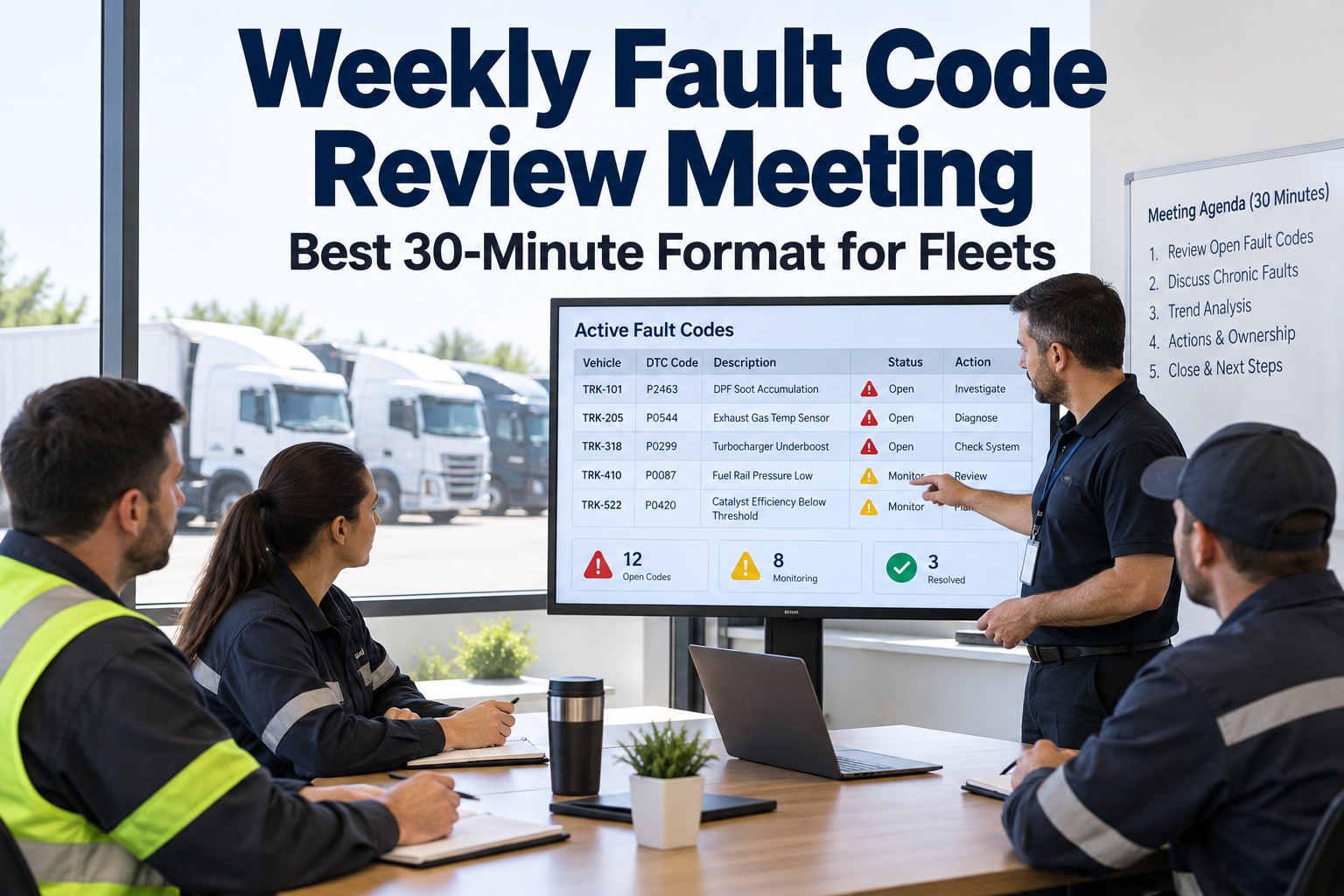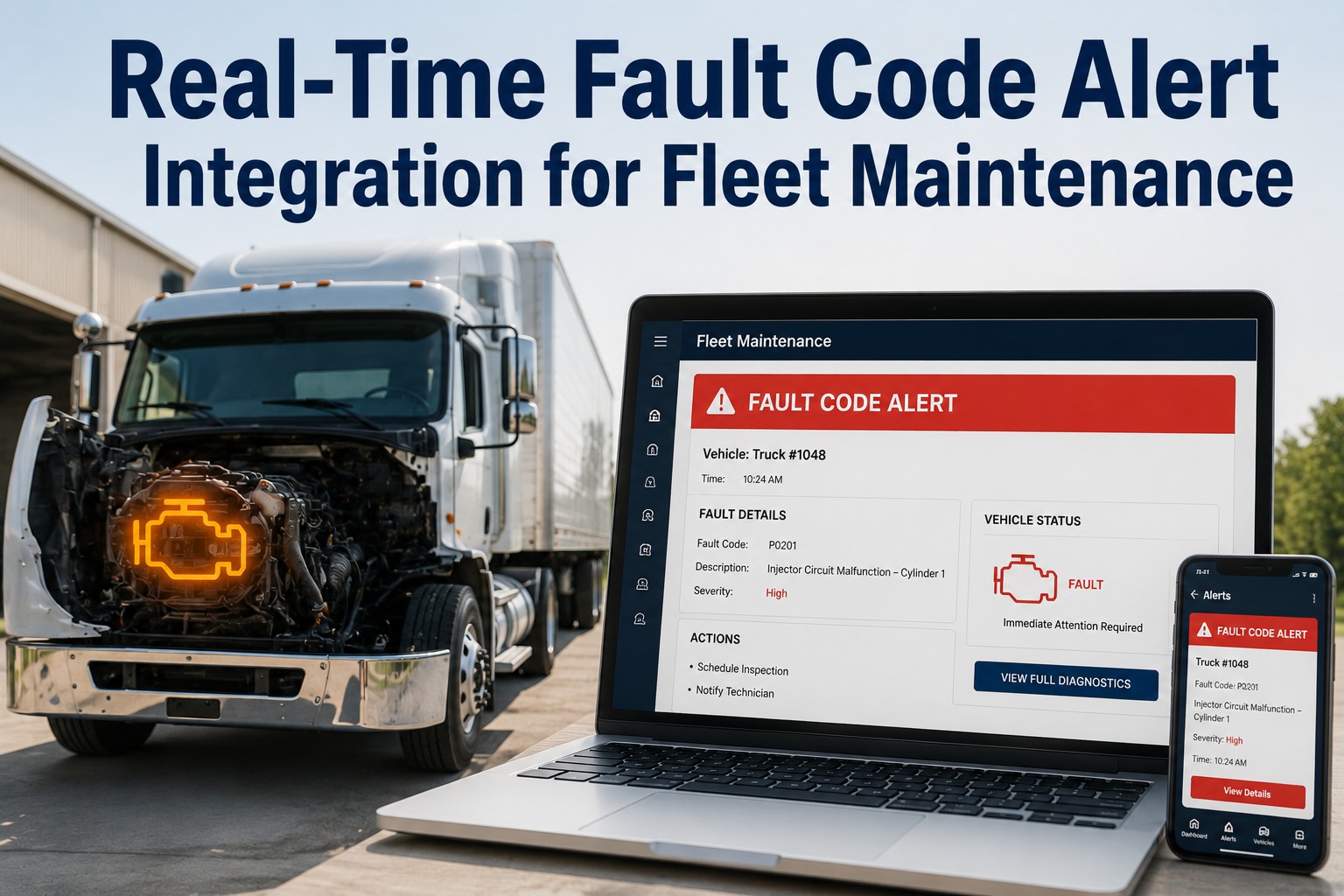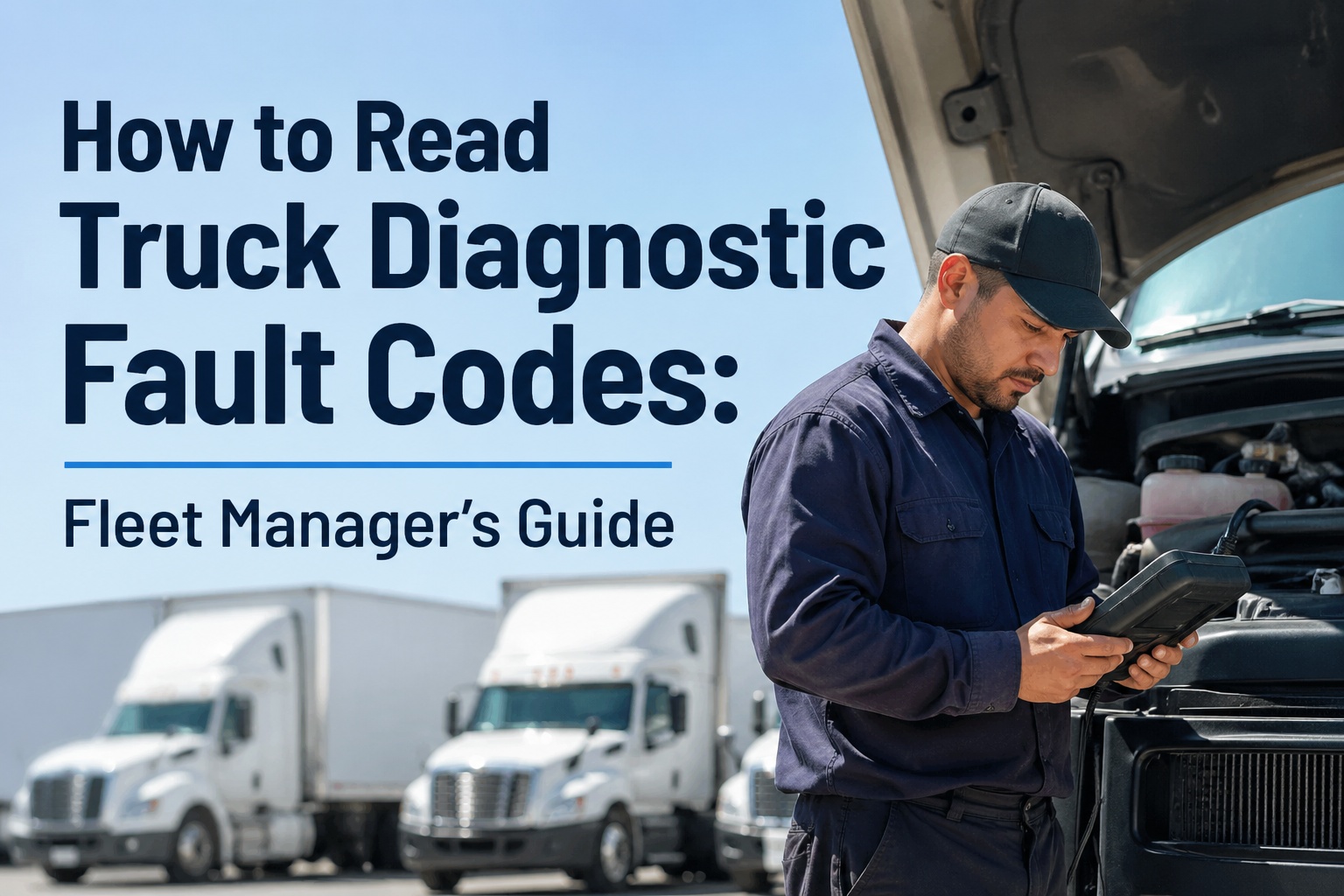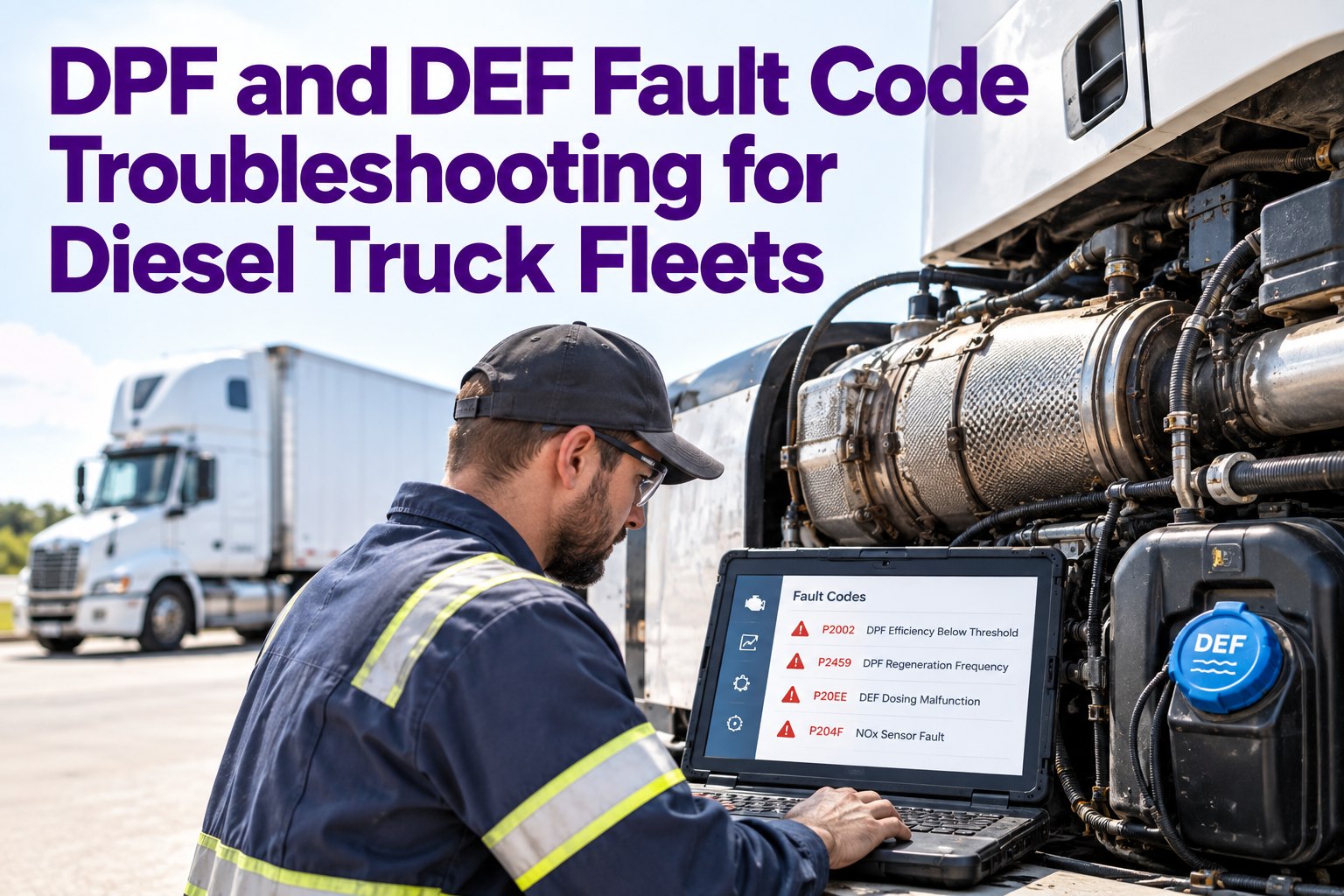
DPF and DEF codes account for the largest share of active fault codes on modern diesel fleets. A truck hits SPN 3719, SPN 3226, or P207F on a Tuesday and by Friday it's in a 25–40% derate — and by Monday it's at 5 mph limp mode with a tow bill attached. Every one of these codes has a specific system, specific root cause, and specific fix — but only if the shop knows which SPN maps to what before the truck rolls in. Truck Inspection & Maintenance Management Software captures DTC codes from the ELD in real time, maps them to the responsible aftertreatment subsystem, routes the diagnostic workflow to the tech, and tracks the derate clock so no truck ends up shut down mid-lane. Start free and run DPF/DEF troubleshooting workflow in TIM.
DPF and DEF Codes Are the #1 Diesel Fleet Downtime Cause — TIM Runs the Diagnostic Workflow
A DPF regen fails, a DEF doser clogs, an SCR catalyst efficiency drops — the code fires, the derate clock starts, and the shop has hours (not days) to act. Truck Inspection & Maintenance Management Software ingests DTCs from any ELD, decodes SPN/FMI to plain English, opens the correct diagnostic workflow, and files every step against the unit history — so recurring codes get root-caused, not just cleared.
DPF vs DEF — Two Systems, Two Different Failure Paths
Half the misdiagnoses on aftertreatment codes come from techs treating DPF and DEF as one system. They're not — they solve different pollutants, sit on different sides of the exhaust stream, and fail for different reasons. TIM's diagnostic template routes to the correct subsystem before the tech opens the truck.
Traps soot particulate matter from exhaust. Cleans itself by burning soot off during regeneration — passive, active, or parked.
- Regen never completes (short-trip duty cycle)
- Soot load exceeds active regen capacity
- Ash accumulation from oil consumption
- Delta-pressure sensor failure
- EGR issue prevents regen (Paccar P1495/96)
Injects urea (DEF) into exhaust to convert NOx into nitrogen and water. Requires proper DEF quality, dosing pressure, and catalyst efficiency.
- DEF crystallization in doser/lines
- Low DEF quality (contamination, dilution)
- Dosing pump pressure loss
- NOx sensor drift or failure
- SCR catalyst efficiency degraded
The SPN Code Lookup — Top DPF/DEF Codes and What Each Means
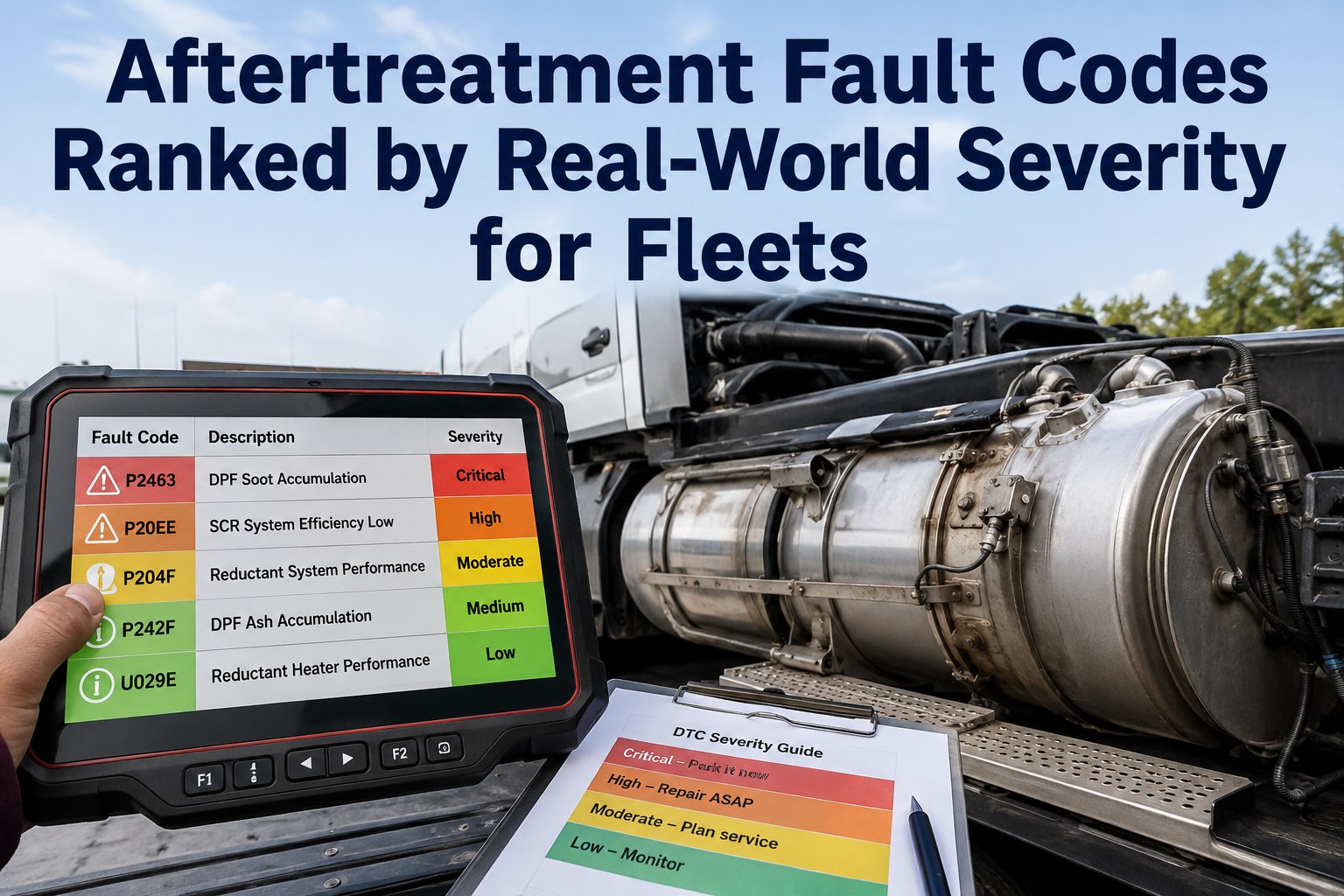
The table below is the working reference TIM ships with. Each SPN maps to a subsystem, severity, and first-response action. FMI (Failure Mode Identifier) further narrows the specific failure mode within the SPN.
| Code | System | What it means | Severity | First response |
|---|---|---|---|---|
| SPN 3719 | DPF | Soot load high · regen needed | Moderate | Parked regen · verify duty cycle |
| SPN 3251 | DPF | DPF differential pressure fault | High | Inspect ΔP sensor + tubing |
| SPN 4796 | DPF | Fuel dosing module degraded · active regen disabled | High | Test HC doser + fuel supply |
| SPN 411 / P1495 | DPF/EGR | PACCAR EGR disabled · regen suspended · 10-hr window | High · 25–40% derate | Fix underlying EGR fault immediately |
| P20EE | DEF/SCR | NOx catalyst efficiency below threshold | High | Test SCR + inspect DEF quality |
| P204F | DEF/SCR | Reductant system performance · info code | Info | Fix companion DTCs · P204F clears |
| P207F | DEF/SCR | DEF quality below spec | High · derate path | Test DEF concentration + quality sensor |
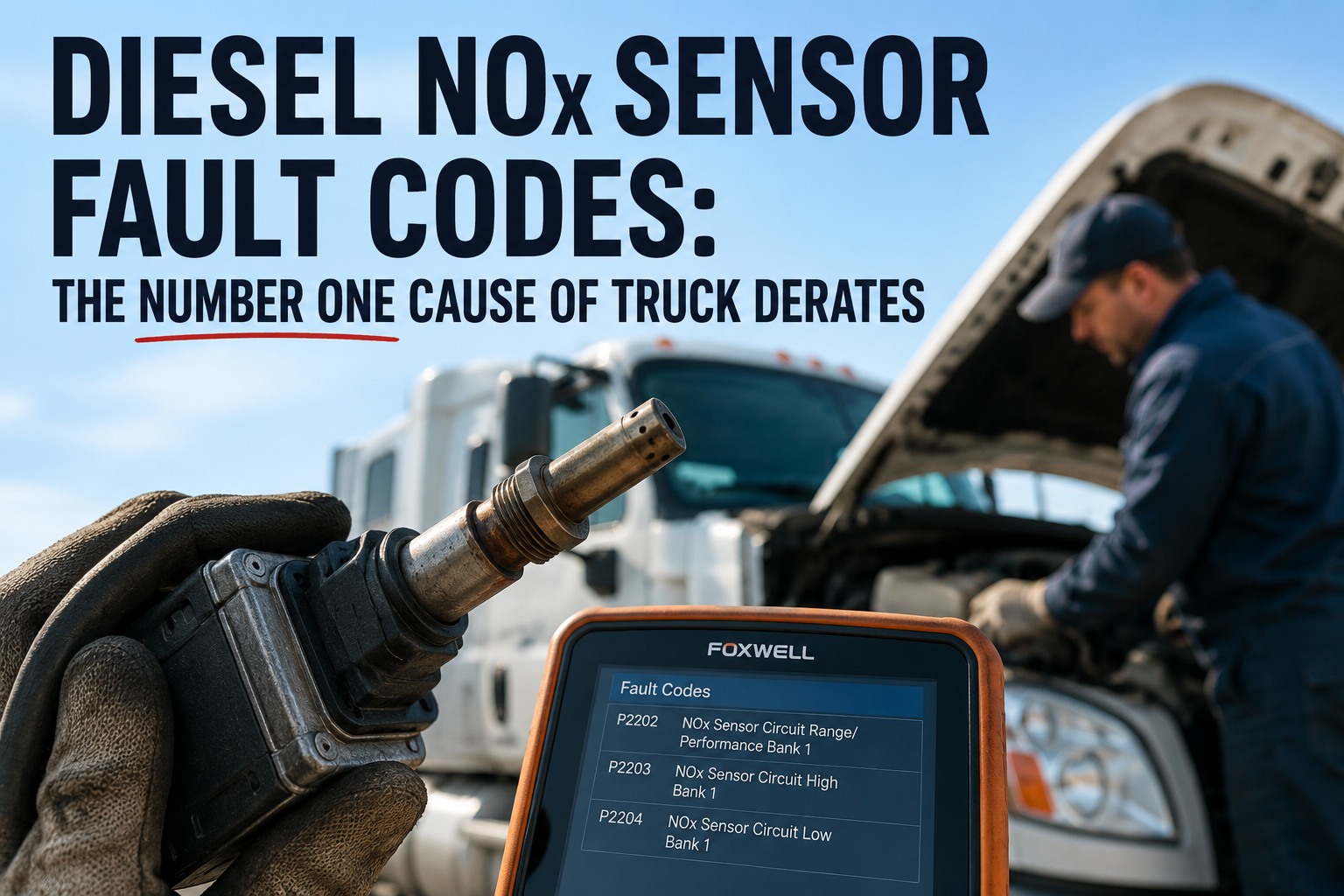
| SPN 3226 | DEF/SCR | NOx sensor drift · SCR conversion failure | High | NOx sensor test · check DEF quality |
| SPN 4374 / 4334 | DEF pump | DEF pressure low · pump / clog / crystallization | Moderate–High | Pressure test · inspect lines + filter |
The 3-Stage Regen Escalation — Where Every DPF Truck Sits
DPF regeneration isn't one process — it's a three-stage escalation. Passive tries first; active steps up when passive can't keep up; parked is the last resort. Knowing which stage a truck is stuck at tells you the root cause before the scan tool.
DTC Ingest · SPN Decoding · Diagnostic Workflow · Unit History — All in TIM
Truck Inspection & Maintenance Management Software ingests every DTC from the ELD, decodes SPN/FMI codes to plain English, routes the tech to the right diagnostic workflow, and files every repair against the unit's history. Recurring codes get root-caused instead of cleared. Trucks stop hitting the same derate for the third time.
The Derate Cascade — The Clock That Starts When the Code Fires
Most emissions faults follow a defined derate cascade. Understanding where a truck sits on the cascade tells the shop how fast they have to act — and TIM tracks the countdown per unit.
Frequently Asked Questions
Stop Clearing Codes. Start Fixing the Reason They Fire.
TIM ingests every DTC, decodes SPN/FMI to plain English, routes the diagnostic workflow to the right subsystem, tracks the derate clock, and files every repair against the unit. Recurring codes stop being weekly surprises.