Every diesel fuel tank in a fleet — whether it's the saddle tank on a Class 8 tractor or a 10,000-gallon bulk storage tank at the yard — accumulates contamination the moment fuel enters it. Water condenses from air breathing overnight. Sediment settles from fuel deliveries. Microbes grow at the fuel-water interface, forming biomass sludge. Rust flakes off tank walls and manifolds. By the time any of this becomes visible in a fuel filter, injectors are already at risk, fuel gauges are reading wrong from sender fouling, and one bad delivery can push the tank into full-blown contamination requiring emergency cleanout. The problem is that fuel tank cleaning is invisible work — it's easy to defer, easy to skip, and easy to convince yourself isn't necessary. It stays that way until the day a $2,000 tank cleaning becomes a $15,000 emergency job with a truck down for a week, three injectors seized, and a fuel-system flush required all the way to the injection pump. This guide walks through the complete framework: what actually accumulates in diesel fuel tanks, the warning signs contamination has crossed the threshold, the three cleaning methods (fuel polishing, mechanical cleaning, full drain-and-service), the step-by-step process, prevention programs that eliminate 80% of contamination before it starts, and how fleet software tracks fuel tank service across every vehicle and bulk storage asset. Ready to track fuel tank service across your fleet? Start a free trial of our fleet maintenance software, or reach out to our support team for a walkthrough.
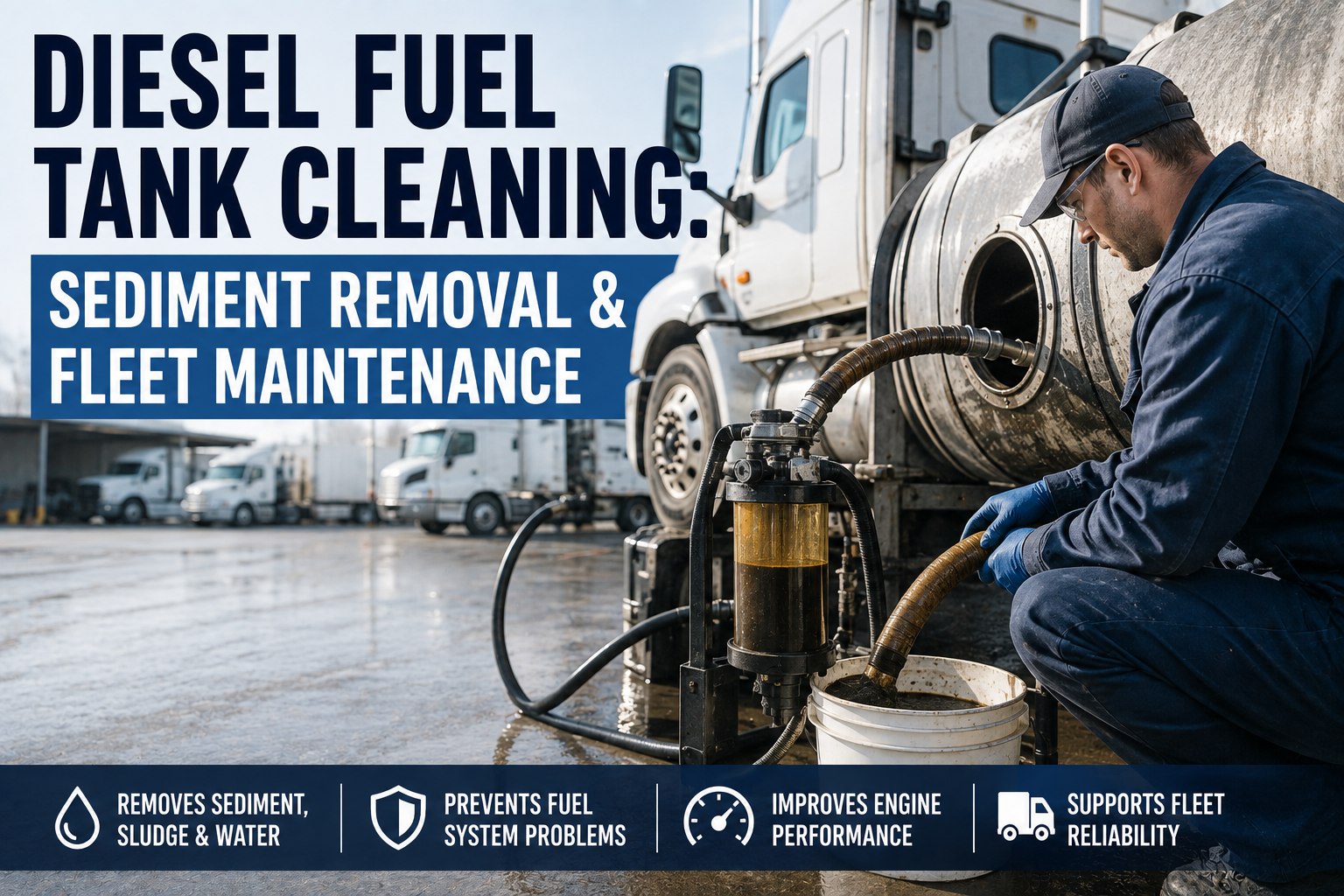
Diesel Fuel Tank Cleaning: Sediment Removal & Fleet Maintenance
What accumulates, when it matters, and how to clean it — plus the prevention program that stops 80% of contamination before it starts. Skip the $15,000 emergency by doing the $2,000 job.
What Actually Accumulates in a Diesel Fuel Tank
A cross-section of a neglected diesel tank tells the whole story. Four distinct layers form over time, each causing its own damage pattern.
The 6 Warning Signs Your Tanks Need Cleaning
Contamination announces itself before catastrophic failure — but only if you know what to look for. Six specific signs mean tank service is overdue.
The 3 Fuel Tank Cleaning Methods
Tank cleaning isn't one job. Three progressively-invasive methods handle different contamination severity levels — matching the method to the problem controls cost and downtime.
The Step-by-Step Cleaning Process
Whatever method you choose, the sequence matters. Here's the standard workflow for mechanical fuel tank cleaning — the method most fleets use for their scheduled service.
Pre-Cleaning Sample & Assessment
Pull fuel sample from tank bottom via drain or dipstick. Visual inspection for water, sediment, biomass. Document contamination level for method selection and warranty records.
Fuel Drain & Recovery
Pump remaining fuel into a recovery tank through 10-micron filter. Clean fuel can be filtered further and returned; contaminated fuel is disposed of per hazmat regulations.
Tank Access & Ventilation
Open fill port, drain plug, or inspection cover. Ventilate for at least 20 minutes before any entry work. Confirm vapor levels safe with 4-gas meter before proceeding.
Sludge & Sediment Removal
Manually scoop or pump out heavy sludge from tank bottom. Use non-sparking tools. Bag material for hazmat disposal. Photograph condition for service record.
Wall & Baffle Cleaning
Pressure-wash interior with approved cleaning solution. Focus on baffles and corners where biomass anchors. Rinse thoroughly. Vacuum residual liquid.
Inspection & Repair
Inspect for corrosion damage, pinhole leaks, sender fouling, pickup tube damage. Replace or repair as needed before refilling. Photograph for record.
Refill & Biocide Treatment
Refill with clean fuel filtered to 1-micron. Add biocide at shock-treatment dosage (2× normal) to prevent re-establishment. Add water demulsifier if area is humid.
Post-Service Filter Change
Replace fuel filters immediately. Run truck 30 minutes and inspect filter for any material carrying through. Schedule follow-up filter change at 5,000 miles.
Track tank service across every vehicle and bulk asset
Schedule fuel polishing at preventive intervals. Log mechanical cleanings with photos. Track contamination trends per truck to predict service needs.
The Prevention Program: Stop 80% of Contamination
Most tank contamination is preventable. Six specific practices, applied consistently, eliminate the majority of tank cleaning needs — and pay back 15–20x their cost through avoided emergency service.
Keep Tanks Full
Full tanks minimize air space, reducing condensation. Park with tanks at 90%+ overnight when possible. Bulk tanks should stay above 60% capacity.
Drain Water Separators Daily
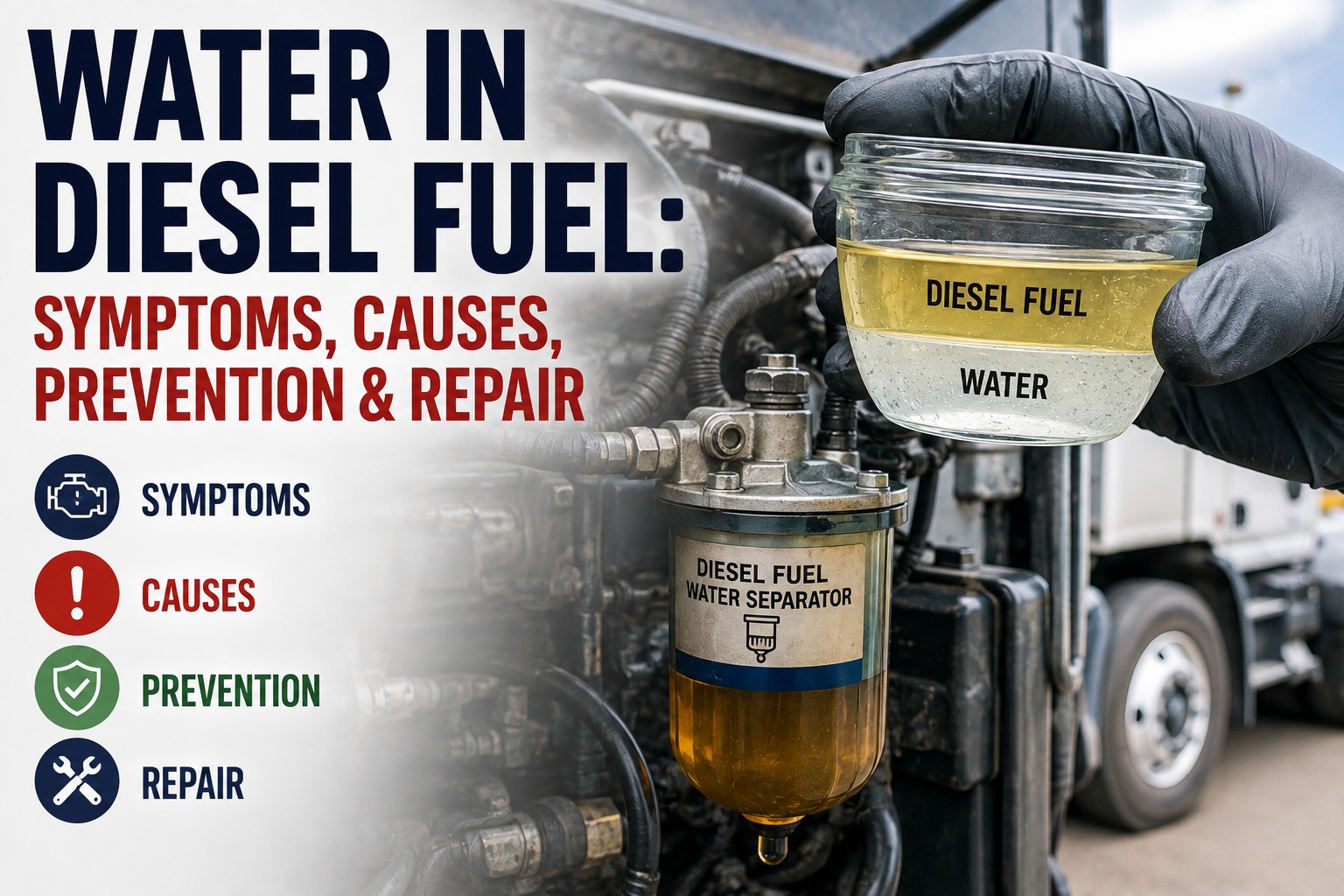
The separator catches water before it reaches injectors — but only if drained regularly. Include in pre-trip inspection every shift.
Biocide Bulk Storage Quarterly
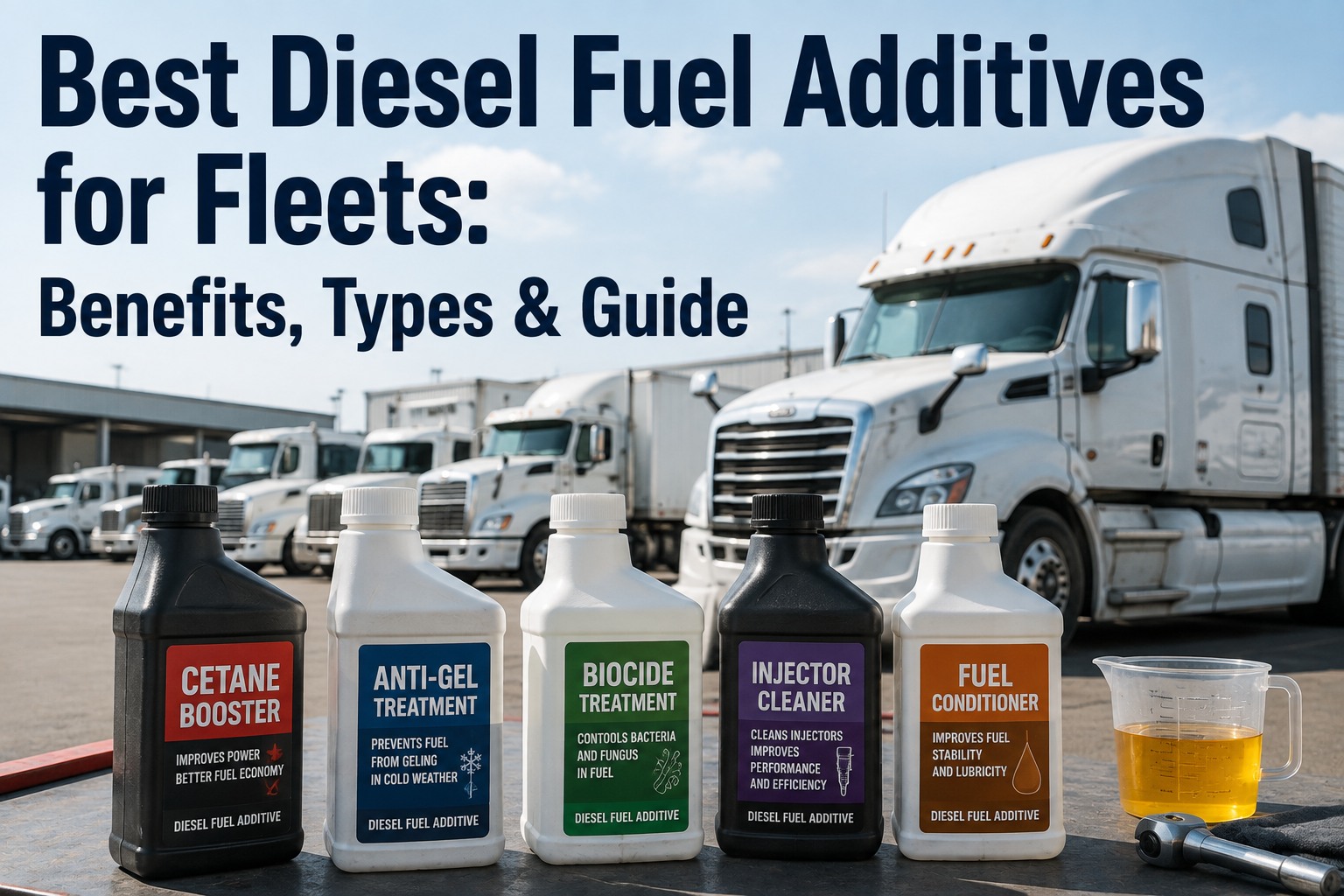
Preventive biocide dose in storage tanks every 3 months eliminates microbial growth before it establishes. Cheap insurance against biomass sludge.
Filter Bulk Deliveries
Filter every fuel delivery to 25-micron minimum. Bulk delivery is where most sediment enters your system. Delivery-time filtration stops it at the source.
Sample & Test Quarterly
Pull tank-bottom samples every 3 months. Visual inspection catches problems early; lab analysis catches problems earlier. Simple, cheap, effective.
Schedule Preventive Polishing
Fuel polishing on vehicles every 100K miles or 2 years, whichever comes first. On bulk storage tanks annually. Avoids ever needing mechanical cleaning.
Service Interval Guide by Tank Type
Different tanks in a fleet need different service rhythms. Match the interval to the tank's role and duty cycle.
Fuel polishing is the least invasive tank cleaning method. Fuel is pumped from the tank through an external filtration system (typically 1-micron filter plus water separator) and returned to the tank. No tank entry required, downtime is 2–4 hours per vehicle, and cost runs $200–$500 per tank. It removes suspended water and sediment but doesn't reach settled sludge in tank corners — that requires mechanical cleaning. Best used as preventive service before contamination becomes severe.
Six signs to watch for: dark or discolored fuel samples (fresh diesel is clear amber), rapid fuel filter clogging (weeks instead of the normal 15K–30K miles), water in the separator every drain, reduced power and MPG, bad fuel gauge readings from sender fouling, and rotten-egg or sour smell at the fill neck indicating sulfide bacteria. Two or more signs simultaneously means tank cleaning is not optional; one sign warrants investigation and monitoring.
Yes for most modern truck and bulk storage tanks. Fuel polishing requires no tank entry at all. Mechanical cleaning can typically be done through the fill port, drain plug, and inspection covers for most saddle tanks and bulk tanks. Full tank removal is only required when there's serious corrosion damage, when the tank needs replacement, or when contamination has reached the injection system requiring complete fuel-line flushing. Fleet software should track which method was used so future service can plan accordingly. Contact our team for service tracking setup.
Microbial growth requires water. Eliminate water and you eliminate 90% of biomass problems. Six practices: keep tanks full to minimize condensation, drain water separators daily, apply biocide to bulk storage quarterly (or per fuel supplier program), filter every fuel delivery, sample and test quarterly for early detection, and schedule preventive fuel polishing. Together these six practices eliminate about 80% of contamination and 90% of microbial issues. Trying to solve biomass after it establishes is 10x more expensive than preventing it.
Depends on method. Fuel polishing: $200–$500 per vehicle tank; $500–$1,200 for a bulk storage tank. Mechanical cleaning: $500–$1,500 per vehicle tank; $2,000–$5,000 for a bulk storage tank. Full drain and service: $1,500–$4,500 per vehicle tank; $5,000–$15,000 for bulk storage. A comprehensive annual prevention program for a 25-truck fleet runs $8,000–$14,000; the reactive-only equivalent typically costs $45,000–$80,000 per year in emergency service, injector damage, filter replacements, and downtime. Start tracking free: sign up here.
Fuel tank service tracked across every asset
Fuel polishing schedules per vehicle. Mechanical cleaning history with photos archived by VIN. Bulk storage tank service tracked separately. Biocide dosing logs per tank. Contamination trends per truck. Warning-sign alerts before service becomes emergency. Everything a fleet needs to protect the fuel-system value chain instead of paying for reactive emergency service every quarter.