Somewhere between 8 and 20 percent of a fleet's annual repair spend is typically warranty-recoverable — and most fleets running on spreadsheets and tribal memory only ever claim about half of it. Not because the coverage wasn't real, but because nobody checked it before authorizing the repair, or the paperwork sat on a desk until the filing window quietly closed. That's not a paperwork problem. That's a six-figure fleet writing off real money every year. Start free and flag every warranty-eligible repair before it's paid out of pocket.
Coverage Tracking · Claim Capture · Recovery Rate
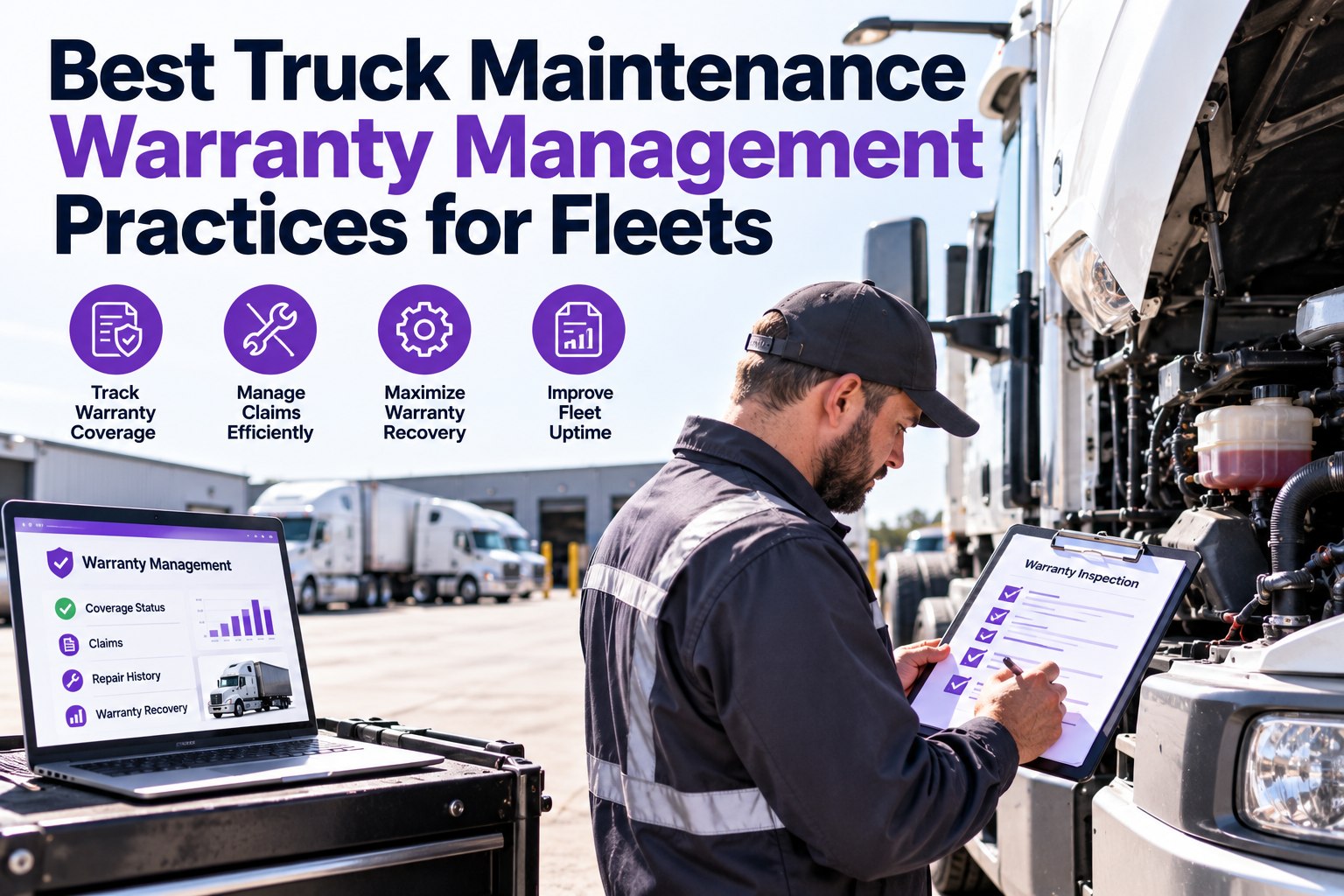
Best Truck Maintenance Warranty Management Practices for Fleets
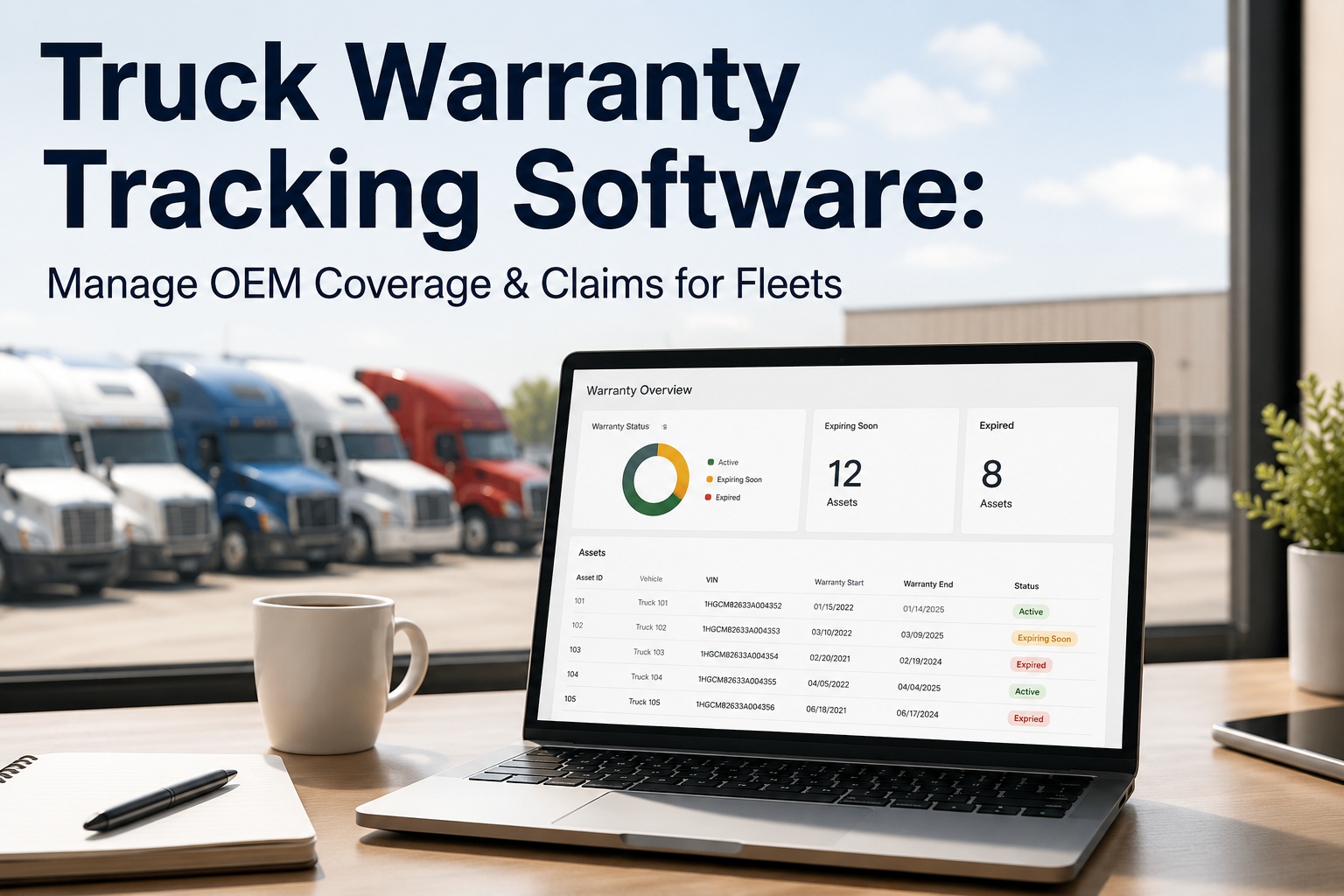
Every truck in a fleet is carrying multiple overlapping warranties at once — base, powertrain, emissions, extended coverage — and a repair authorized before anyone checks which ones apply turns a free fix into a sunk cost. Truck Inspection & Maintenance Management Software links every part and repair to its warranty terms automatically, flags coverage before a technician starts the work, and keeps the PM history on file that OEMs require to approve a claim.
Where the Money Actually Goes
Manual / Spreadsheet Tracking
40–60%
of eligible warranty cost typically recovered
Automated Coverage Tracking
85–95%
of eligible warranty cost recovered consistently
One Truck, Several Overlapping Warranties
A fleet manager isn't tracking one warranty per truck — they're tracking several, each with its own mileage limit, time window, and claim procedure, often from different OEMs across a mixed fleet.
Base Vehicle WarrantyShortest window — typically the first to expire and the easiest to miss on an older truck
Powertrain WarrantyOften outlasts the base warranty, which is exactly why it's one of the most frequently missed categories
Emissions / EPA WarrantyFederally mandated minimum coverage on aftertreatment components, separate from the OEM's own terms
Extended / Service ContractPurchased coverage that requires its own tracking, separate from anything factory-included
The Five-Stage Path From Failure to Reimbursement
Coverage checked firstBefore a technician starts the repair — not after it's already been paid for
Failure documentedPhotos, fault codes, and PM history attached at the moment of failure, not reconstructed later
Claim filed promptlyBest-performing programs file within 5 to 7 days; struggling ones average 30-plus and start losing claims to missed deadlines
Recovery tracked to closeApproved amount logged against the vehicle's actual repair cost, not left as an unreconciled line item
The PM connection nobody expects A missed oil change or a skipped scheduled maintenance item can void powertrain warranty coverage entirely — OEMs deny claims when a fleet can't show the vehicle was maintained to the prescribed schedule. Warranty tracking and PM compliance aren't separate programs; a gap in one quietly creates a gap in the other.
Why Claims Get Denied — Before They Ever Reach a Second Look
Repair Authorized FirstNobody checked coverage before the work started, so there's no claim left to file
Missing DocumentationNo photos or fault codes captured at the moment of failure to support the claim
PM History GapsCan't prove the vehicle was maintained to the schedule the warranty requires
Filed Past the DeadlineA claim sitting unfiled for 60-plus days has often already aged out of the filing window
Every Covered Repair, Flagged Before You Pay for It
Our Truck Inspection & Maintenance Management Software links every vehicle's parts and repair history to its active warranty coverage automatically, flags eligible claims before a technician starts the work, and keeps the PM documentation OEMs require to approve them — turning warranty management from a paperwork afterthought into a tracked recovery program.
Frequently Asked Questions
How much of a fleet's repair spend is actually warranty-recoverable?
Why is powertrain warranty the most frequently missed coverage type?
Powertrain coverage typically runs longer than the base vehicle warranty, so by the time it's relevant, a fleet has often stopped thinking about warranty at all — the truck "feels" out of warranty even though the engine and transmission may still be covered for years longer.
Can a fleet lose warranty coverage it already paid for by missing maintenance?
Yes — most powertrain and extended warranties require proof the vehicle was maintained on the manufacturer's prescribed schedule, and a documented gap in that history is one of the most common reasons an otherwise legitimate claim gets denied.
How quickly should a warranty claim be filed after a repair?
Filing within the first several days of the repair gives the best chance of a clean approval; the longer a claim sits unfiled, the higher the risk it ages past the OEM's filing window and becomes unrecoverable entirely, regardless of how legitimate the original claim was.
Contact us to set up automatic filing-deadline alerts for your fleet.
Coverage Checked First · Claims Filed On Time · Recovery Tracked
Stop Paying Out of Pocket for Repairs the OEM Already Owes You
Our Truck Inspection & Maintenance Management Software links parts and repairs to active warranty coverage automatically, flags eligible claims before work begins, and keeps the PM history that makes the difference between an approved claim and a denied one.
No credit card required. Free for up to 3 trucks.