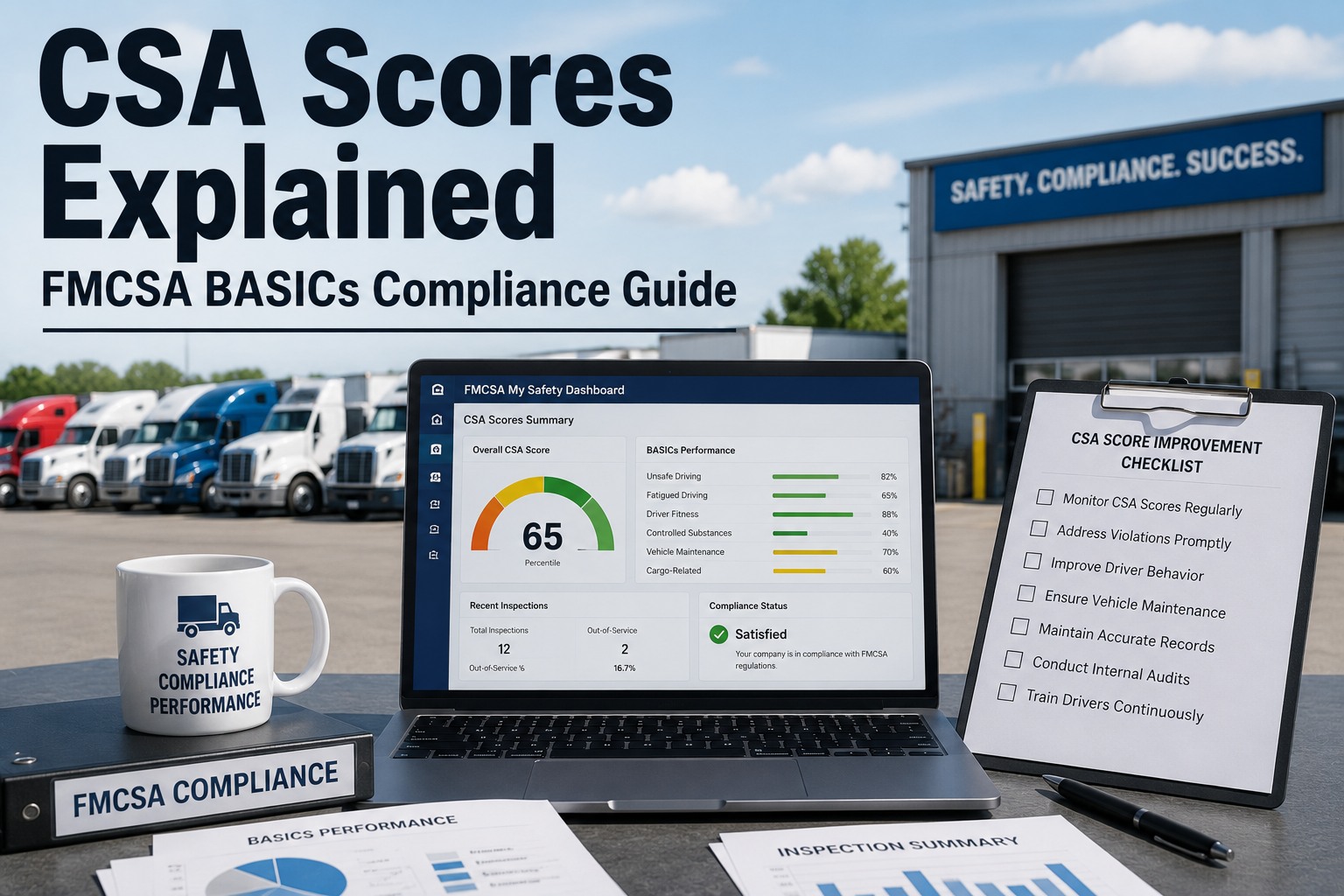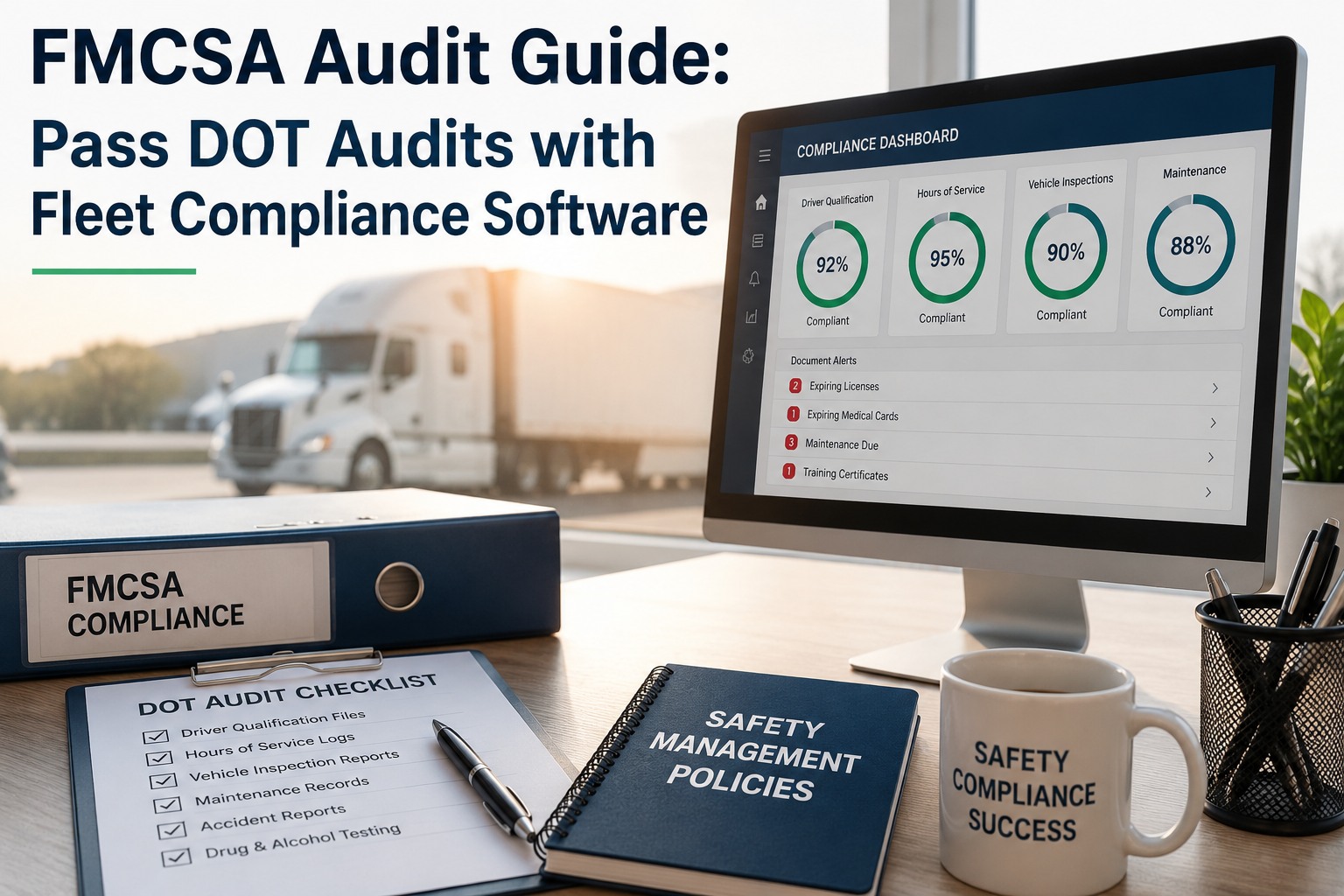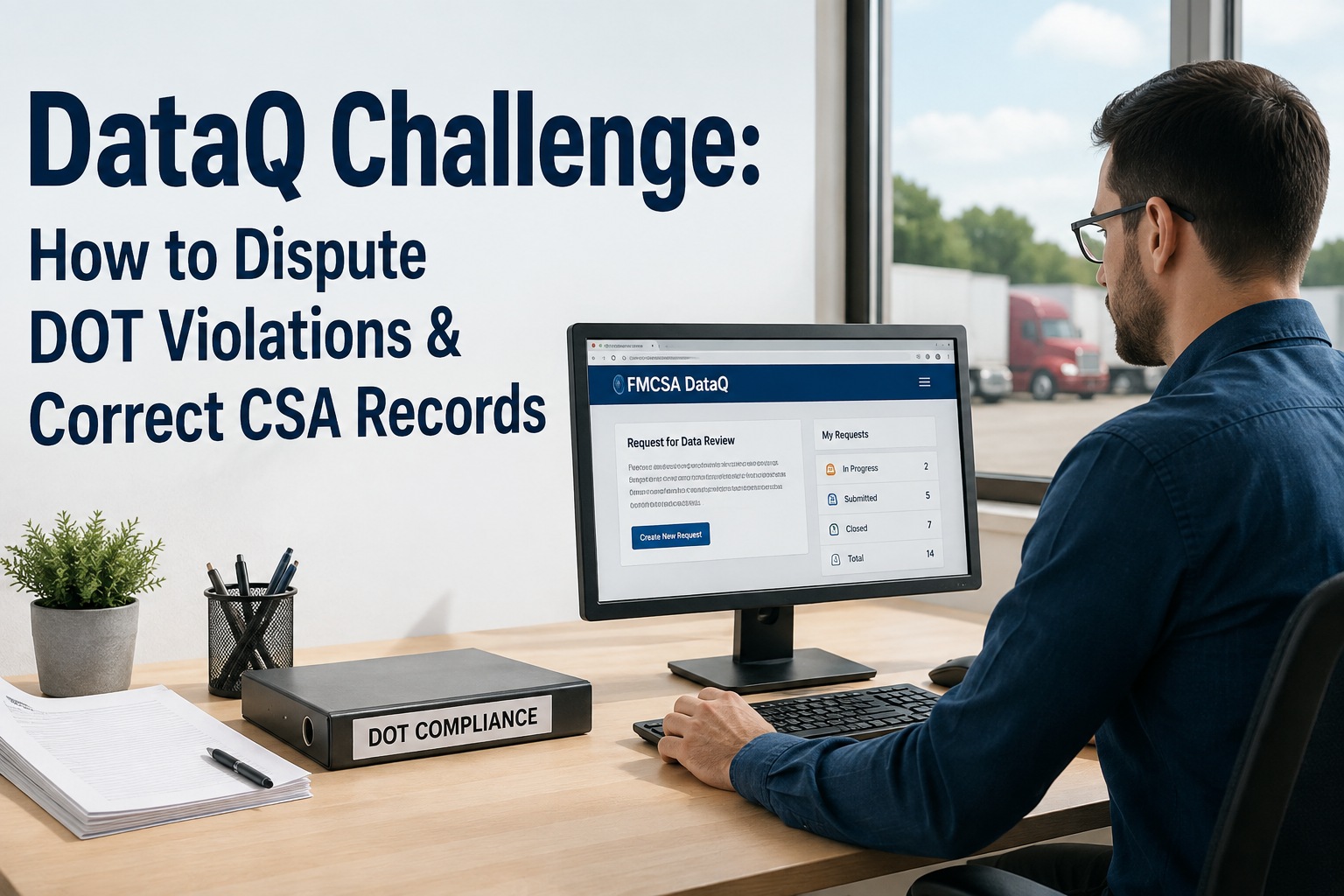
Not every violation on a fleet's CSA record is accurate. Inspection errors happen. Wrong violation codes get entered. Non-preventable crashes get counted against the carrier. A driver's name gets attached to the wrong DOT number. Duplicate records slip through. Every one of those inaccuracies raises the fleet's Safety Measurement System percentile, triggers regulatory intervention risk, and makes it harder for drivers to pass pre-employment screening — until someone files a formal challenge to fix it. That formal challenge is called a Request for Data Review (RDR), filed through FMCSA's DataQs system at dataqs.fmcsa.dot.gov, and in 2024 alone motor carriers submitted 71,862 of them — 63,548 for inspections and violations, plus 8,314 crash data challenges. The system is free, entirely online, and gives carriers up to three years from the inspection date to file. But success isn't automatic. FMCSA's own data shows that violation challenges succeed only 39% of the time — while data entry errors and duplicate records succeed 70–90% of the time when documented properly, and professional services handling crash challenges hit closer to 60% success. On April 16, 2026, FMCSA published a sweeping overhaul of the DataQs system in the Federal Register, going live in September 2026 with mandatory multi-stage state review, enhanced independence requirements, and a formal reconsideration path. The reform is the most significant change to DataQs since the program's inception. This guide covers what a DataQ challenge actually is, when to file, what evidence wins, the six-step RDR filing process, the timelines by challenge type, the 2026 overhaul, and how Truck Inspection & Maintenance software builds the daily documentation trail that makes RDR wins easier — because a challenge is only as strong as the records supporting it. Ready to protect your CSA record? Start a free trial of Truck Inspection & Maintenance, or contact our support team for a walkthrough.
DataQ Challenge: How to Dispute DOT Violations & Correct CSA Records
Every wrong violation on your CSA record inflates your BASIC percentiles for 12 months. Here's how to fight back — file the RDR, submit the evidence, correct the record.
What a DataQ Challenge Actually Is
DataQs is FMCSA's official system for correcting inaccurate safety data in the federal database. Every roadside inspection, crash report, and investigation result lives in the Motor Carrier Management Information System (MCMIS) — and when something in MCMIS is wrong, the RDR is how you fix it.
When Should You File a DataQ Challenge?
Not every violation is worth challenging. But eight specific scenarios have strong precedent for successful RDRs. Match your situation to the right category before spending time on evidence.
The 6-Step RDR Filing Process
Every successful DataQ challenge follows the same six-step process. Skip a step and the challenge gets rejected. Follow all six and you land in the successful percentage for your challenge type.
What Evidence Actually Wins
The single biggest factor in RDR success is evidence quality. Weak challenges get denied fast; well-documented challenges get corrected. Here's what states actually accept.
Success Rate by Challenge Type
Not all challenges are created equal. FMCSA's own data shows dramatic variation in success rates by category. Match your energy to the challenges most likely to win.
Build the evidence trail before you need it
Photo-verified DVIRs. Timestamped brake stroke measurements. PM records tied to dates. Truck Inspection & Maintenance software captures the daily documentation that turns future RDRs into evidence-backed wins.
Timeline: What Happens After You File
Response times vary by challenge type. Here's what to expect between clicking submit and seeing your CSA record updated.
The 2026 DataQs Overhaul — What Changed
On April 16, 2026, FMCSA published the most significant DataQs reform since the program's creation. The new system goes live in September 2026. Here's what's different.
The 5 Most Common RDR Mistakes
Almost every rejected challenge falls into one of these five patterns. Avoid them and your success rate climbs immediately.
Frequently Asked Questions
A DataQ challenge is a formal Request for Data Review (RDR) filed through FMCSA's DataQs system at dataqs.fmcsa.dot.gov. It allows carriers and drivers to challenge incorrect safety data in the federal MCMIS database — including roadside inspection violations, crash reports, driver assignments, or violation codes that affect CSA BASIC percentiles. Filing is free, entirely online, and carriers have up to three years from the inspection date to submit a challenge. Successful challenges result in the correction or removal of the disputed data from the federal record. Truck Inspection & Maintenance software builds the daily documentation trail that makes RDR wins easier.
Six steps. First, register on the DataQs portal at dataqs.fmcsa.dot.gov with your USDOT number, EIN, and administrator email. Second, identify the exact Inspection Report Number or Crash Report Number from your CSA record — wrong report number is an automatic reject. Third, select the challenge type (data entry, driver assignment, violation code, dismissal, non-preventable crash) and write a factual one-paragraph rationale. Fourth, attach supporting evidence — photos, dashcam video, court dismissal orders, certified maintenance records. Fifth, submit and receive a tracking number. Sixth, monitor status; if denied, pursue reconsideration where offered.
Response times vary by challenge type. Simple data corrections — entry errors, duplicates, wrong carrier assignment — typically resolve in 2 to 4 weeks. Violation code disputes take 30 to 60 days because the state must review the officer's original notes and evidence. Crash accountability challenges under the Crash Preventability Determination Program take 60 to 120 days due to full review of police reports, dashcam footage, and third-party statements. If your challenge exceeds 60 days without resolution, contact FMCSA directly through the DataQs portal to inquire about status.
Success rates vary dramatically by challenge type. Data entry errors and duplicate records have the highest success rate at 70–90% because they're objectively verifiable. Wrong carrier assignment sits around 70%. Professional service providers handling crash preventability challenges hit approximately 60%. Dismissed citations succeed around 55% when supported with the court order. Wrong violation code disputes are 30–50% with good evidence. Overall violation challenges — the broader "the violation didn't happen" category — succeed 39% per FMCSA data. Evidence quality is the single biggest factor in every category. Contact our team to see how the software captures RDR-ready evidence.
The strongest evidence types are court dismissal orders (nearly automatic RDR approval when the underlying citation was dismissed), corrected government documents (title corrections, VIN fixes, valid medical certificates for the date in question), and timestamped photos or dashcam video showing vehicle condition at inspection. Medium-strength evidence includes certified maintenance records with clear date correlation and third-party technician statements from independent shops. Driver statements alone are weak — never sufficient without corroborating photos, video, or documents. The rule that wins: take photos of the cited condition before leaving the inspection scene, whenever possible.
Many states offer an internal reconsideration process — check your denial response for specific instructions. Under the 2026 DataQs overhaul (going live in September 2026), state-level reconsideration with an independent reviewer becomes mandatory. As of mid-2026, however, there is no formal federal-level appeal path for a state-denied RDR. FMCSA proposed a federal third-stage appeal in 2023 but ultimately shifted direction toward strengthening the state-level process. If reconsideration is denied, the remaining option is to file a new RDR later with stronger evidence — but the same challenge based on the same evidence typically will not be re-reviewed. Try free: sign up here.
Truck Inspection & Maintenance software builds the evidence trail that wins DataQ challenges
Photo-verified DVIRs with timestamps. Brake stroke measurements per wheel logged at every PM. Tire tread depth records. Light and reflector verification photos. Certified maintenance history per unit. Every daily record becomes potential RDR evidence — because a challenge is only as strong as the documentation supporting it. One platform, one workflow, one source of truth.