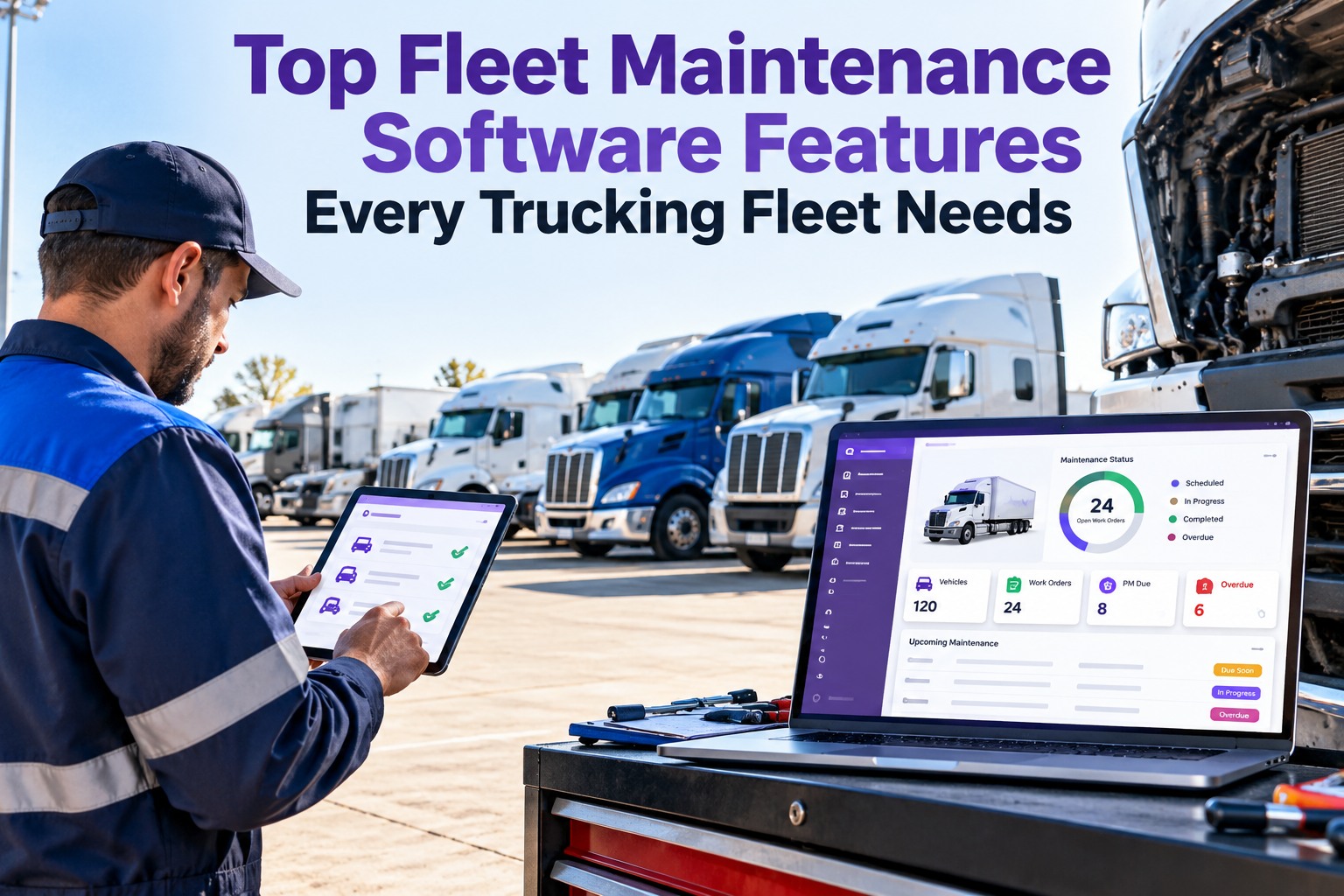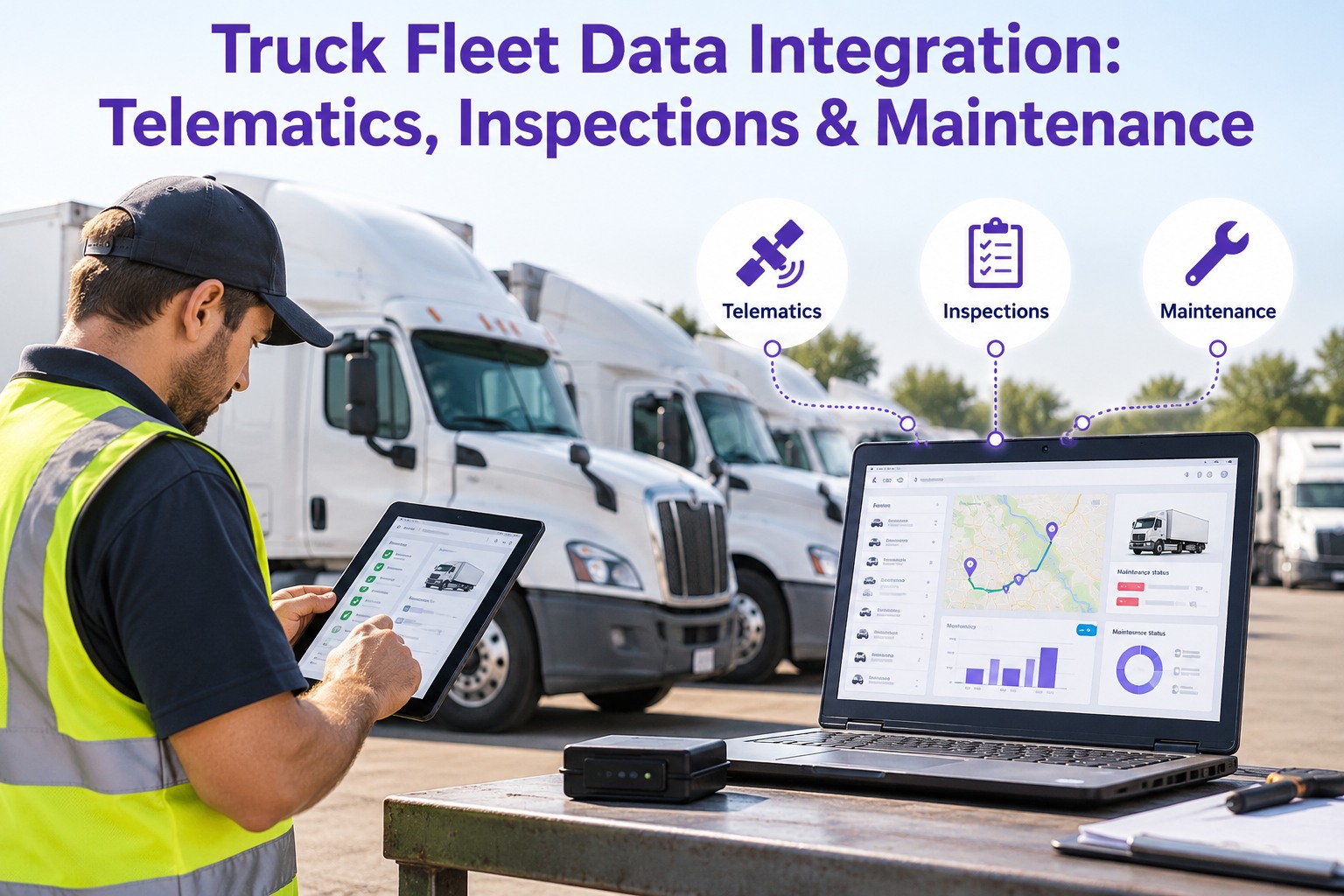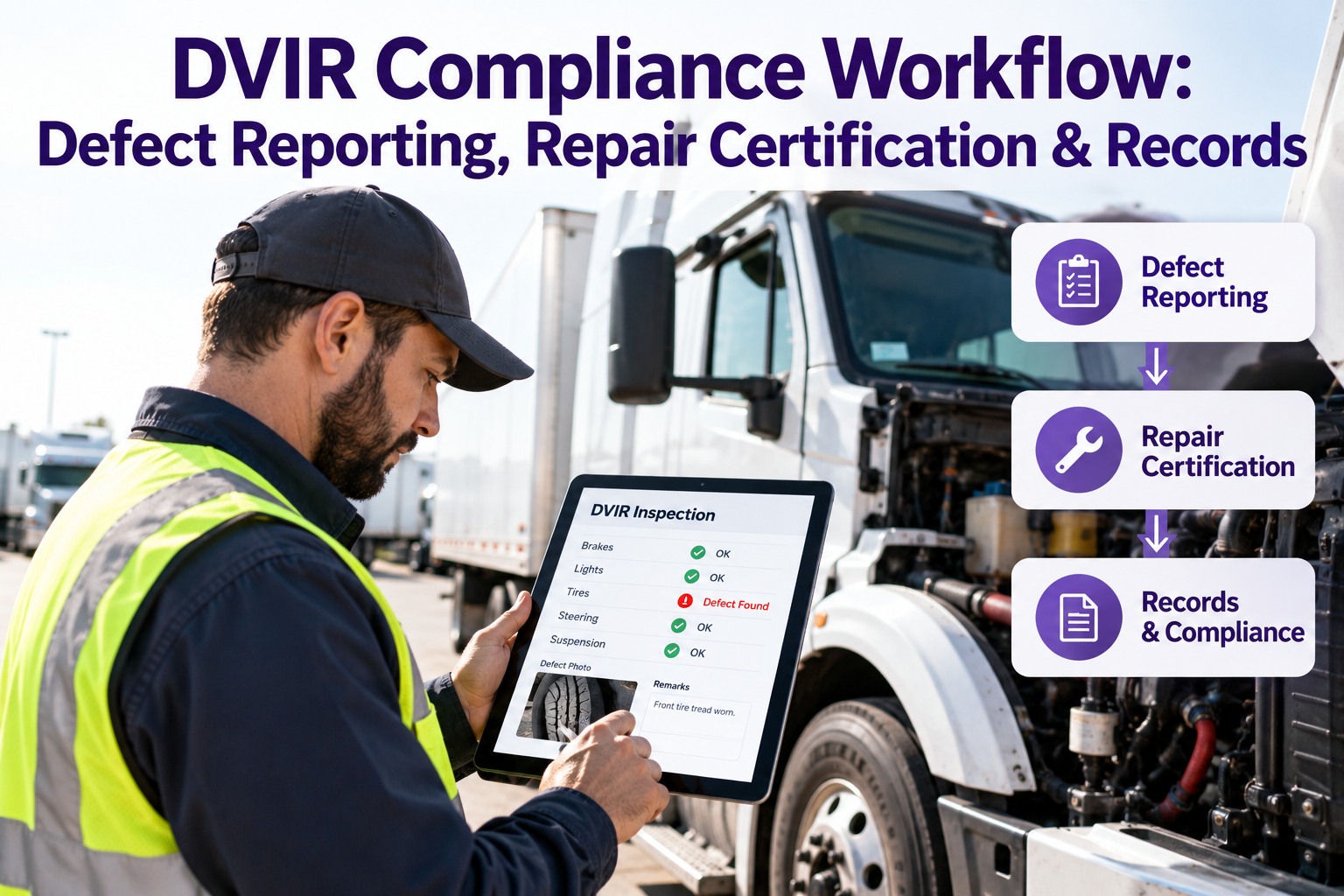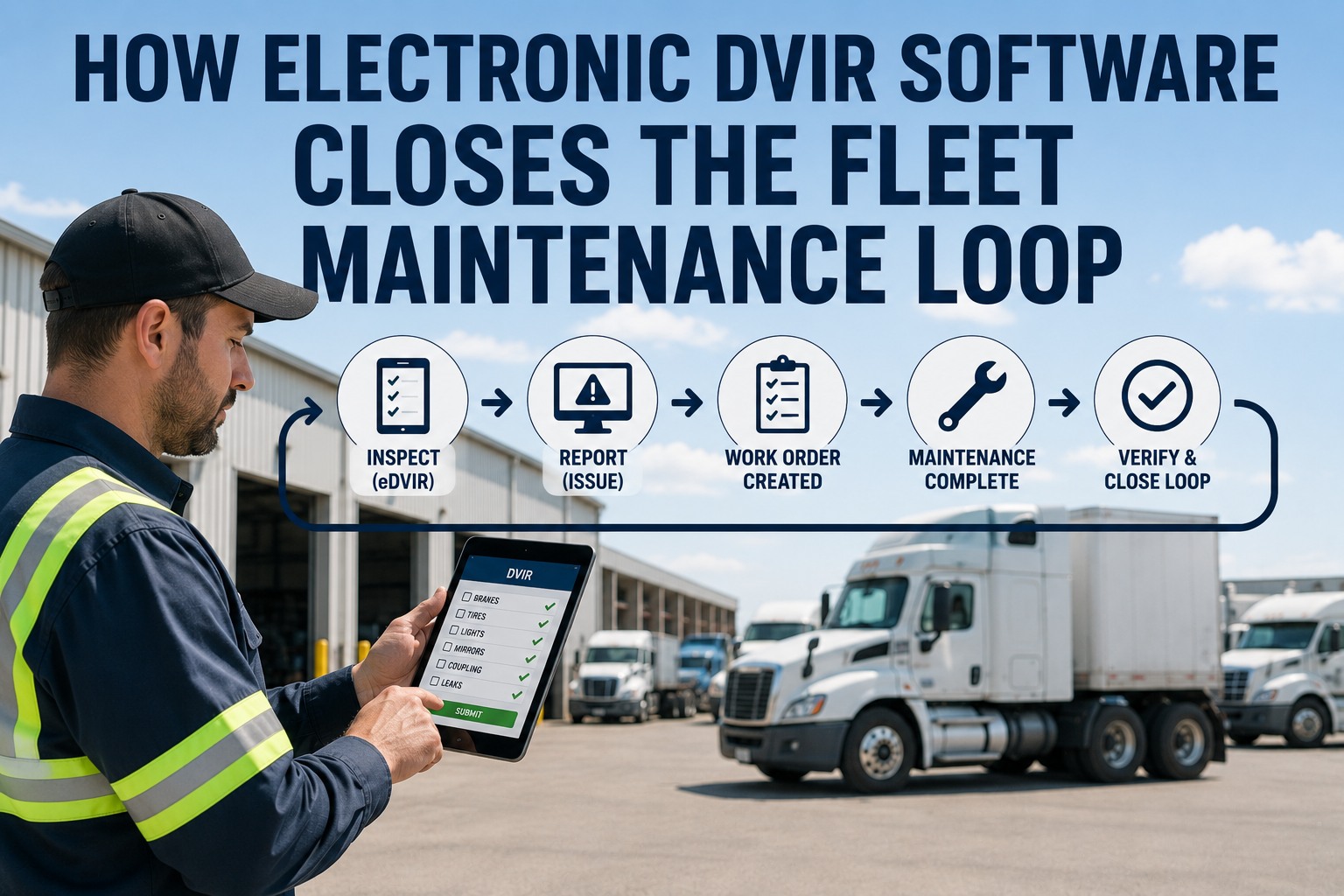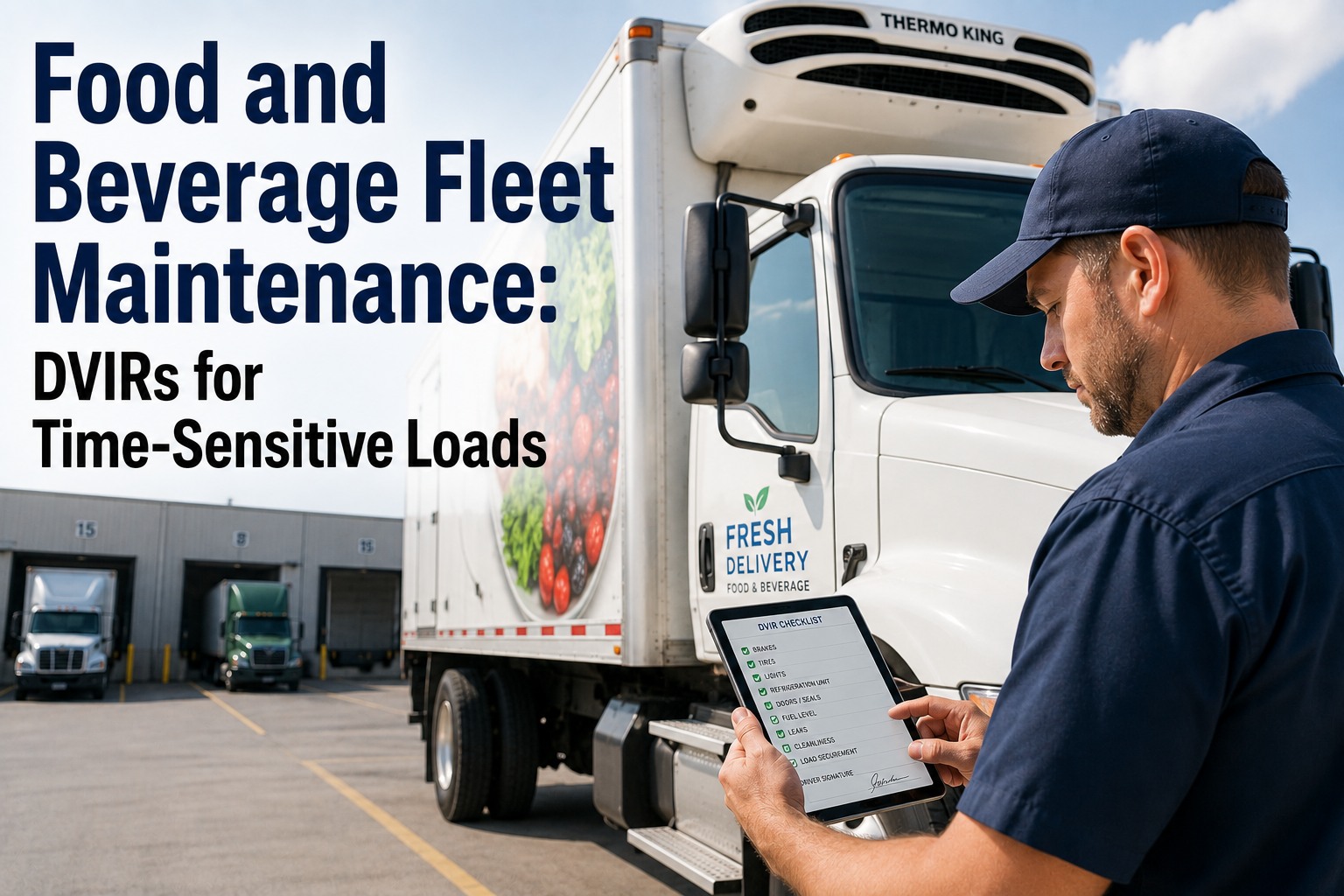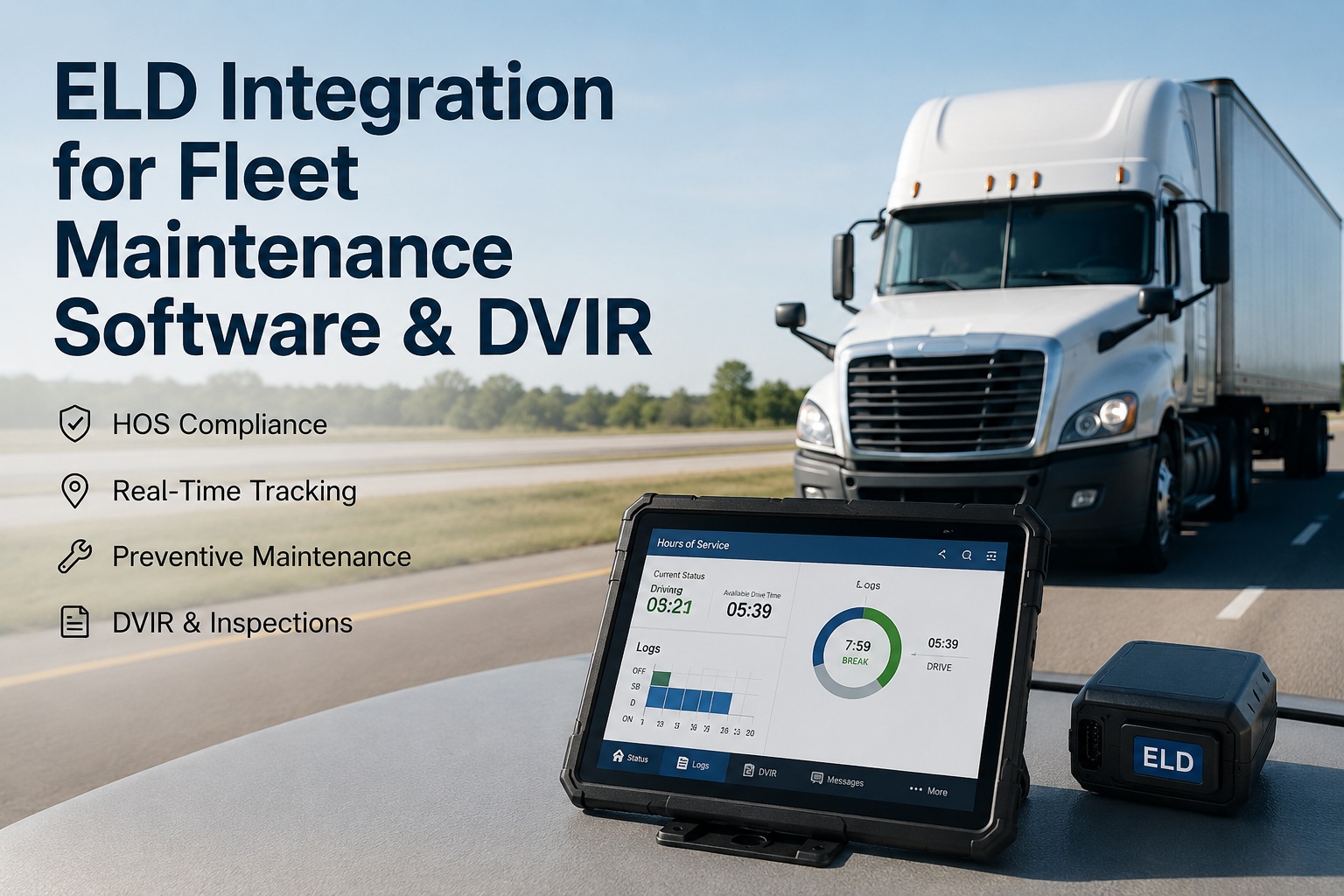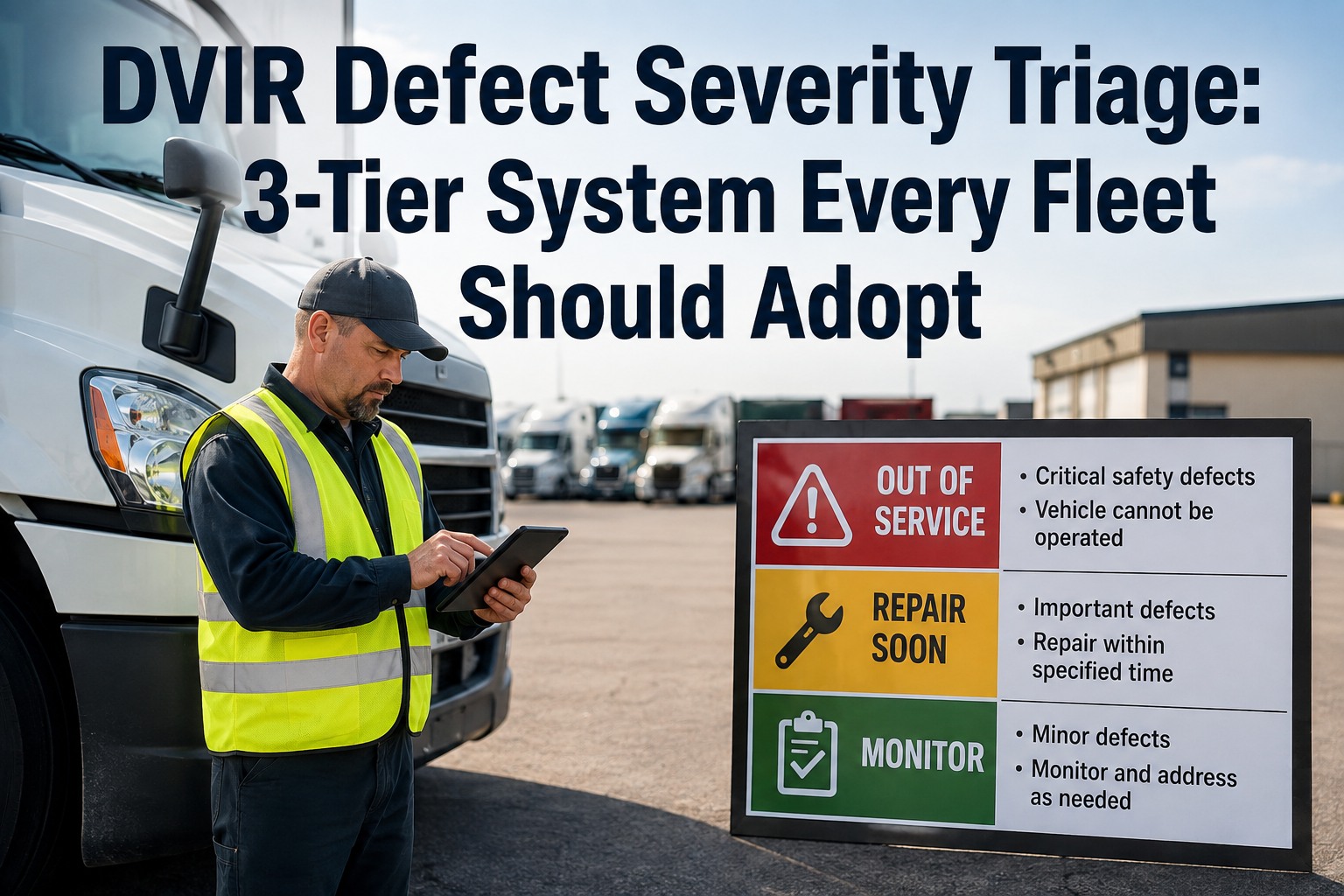
Every day in America, 3.5 million commercial drivers file DVIRs and the shop floors that receive them face the same impossible problem — a stack of defects, all marked "found," with no clear signal about what has to happen right now versus what can wait until the next PM cycle. A leaking valve stem gets treated with the same urgency as a burned-out marker bulb; a cracked brake drum sits in the same queue as a torn seat cover. Mechanics burn hours triaging by hand, dispatchers hold trucks that could be running, and every so often something genuinely dangerous slips through because it looked like a nothing-defect on the form. The 2026 FMCSA final rule that authorized electronic DVIRs (Docket FMCSA-2025-0115, effective March 23, 2026) removed the last excuse for this chaos — but only if the fleet actually installs a triage system on top of the eDVIR flow. That is what this article walks through: the 3-tier defect severity triage model that top-performing fleets have quietly standardized on, which classifies every DVIR defect into one of three buckets — Tier 1 Out-of-Service (park it now), Tier 2 Next-Shift (fix before next dispatch), or Tier 3 Next-PM (queue for scheduled maintenance) — with clear criteria per tier tied directly to the CVSA Out-of-Service Criteria, 49 CFR 393 safety standards, and 49 CFR 396.11 documentation requirements. You will get the definitive per-tier defect examples, the automated workflow that routes each tier to the right people in the right timeframe, the KPIs that measure whether the system is working, and how the free Truck Inspection & Maintenance app runs this exact triage automatically on every DVIR submitted from a driver's phone. Sign up free for up to 3 vehicles or talk to our fleet team for a live walkthrough.
DVIR Defect Severity Triage: The 3-Tier System Every Fleet Should Adopt
Out-of-Service · Next-Shift · Next-PM — the framework that keeps every truck safe and every mechanic focused on real work.
Why Fleets Without a Triage System Bleed Money
Three problems plague every fleet that treats DVIR defects as a flat queue instead of a triaged priority list. All three are directly measurable:
Pencil-Whipping Epidemic
Industry data shows 95% of DVIRs across the trucking industry report no defects. That is not because trucks are perfect — it is because drivers know a "defect found" checkbox slows the truck's next dispatch. A triage system that separates dispatch-blockers from can-wait items removes that incentive and surfaces real safety issues faster.
Missed Defects = Missed Crash Prevention
FMCSA estimates DVIRs prevent 14,000 accidents annually — but only when the reported defects actually reach a mechanic before the truck rolls again. Flat queues mean high-severity items sit behind low-severity ones. Triage puts Tier 1 defects in front of a mechanic within the hour, not the shift.
Audit Exposure on Every Defect
Under 49 CFR 396.11(a)(4), every DVIR that documented a defect requires the full three-signature chain (driver → mechanic → next driver) retained for 90 days minimum. Missing any signature is a citable violation. Without triage tagging, audit prep becomes a scavenger hunt across paper files.
The 3-Tier Model — Explained
Every DVIR defect fits into one of three tiers based on two questions: does it violate CVSA Out-of-Service Criteria, and does it affect safe operation before the next scheduled service? The answers dictate the routing:
Defect Examples by Tier
Real DVIR defects, mapped to the tier they belong in. Use this as the reference sheet for training drivers and mechanics on the triage model:
Park It Now
- Brake pushrod stroke exceeds CVSA adjustment limit on 20% of brakes
- Any tire with less than 2/32" tread on drive/trailer or 4/32" on steer
- Tire with sidewall cut exposing body ply, bulge, or flat
- Missing wheel lug nut or cracked wheel rim
- Steering wheel free play greater than 30° (10° normal)
- Fifth wheel not fully locked; visible gap at kingpin
- Fuel tank leaking or not securely mounted
- Inoperative brake lights, headlights, or turn signals at night
- Air brake system leak-down exceeds CVSA rate
- Cracked frame or broken spring leaves
- Windshield damage impairing driver vision
- Expired medical card or CDL disqualification
Fix Before Next Dispatch
- Slack adjuster within limit but requiring adjustment soon
- Tire tread depth approaching minimum (2.5/32" drive)
- Air pressure builds slowly but within 45-second spec
- Oil leak from valve cover — not dripping to ground
- Coolant loss less than 1 quart per week
- Marker light inoperative (day operation only)
- Wiper blade streaking heavily
- Mirror cracked but usable
- Air dryer purge cycle irregular
- DEF warning lamp intermittent
- Cab door seal torn but latches secure
- Reefer battery voltage 12.2V — will fail in Cycle-Sentry
Queue for Scheduled Service
- Interior seat cover torn
- Fifth wheel plate needs regreasing
- Mud flap frayed at edge but present
- Dash trim panel loose
- Sleeper light bulb burned out
- Chrome trim missing screw
- Bunk mattress worn
- DOT reflective tape faded but present
- Grille bug screen torn
- Interior floor mat worn through
- Radio antenna damaged
- Fifth wheel handle loose (not the lock itself)
The Golden Rule: When in Doubt, Tier Up
A defect that could plausibly meet CVSA Out-of-Service Criteria gets classified as Tier 1 by default, not Tier 2. The cost of parking a truck for 4 hours is a fraction of the cost of a roadside OOS violation, an accident, or a compliance review finding. Every triage system has to be biased toward safety, and every driver and mechanic has to know that "when in doubt, tier up" is not just permitted — it is expected.
The Automated Triage Workflow
Manual triage does not scale past ~20 trucks. Here is the automated flow that runs on every DVIR submitted through a modern eDVIR platform — driver's phone to shop dashboard in under 60 seconds:
End of shift, driver opens app, walks the 11 FMCSA component categories, tags each defect with photo evidence. Submit signed on phone.
Each defect matched against tier rules library. CVSA OOS trigger words + component + severity combined into Tier 1, 2, or 3 classification.
Tier 1 pages shop manager + dispatcher immediately. Tier 2 auto-generates work order for tomorrow. Tier 3 added to next-PM checklist.
Each defect stays open in the system until repaired, mechanic-certified, and next-driver signed — the full three-signature chain.
The KPIs That Prove Triage Works
You cannot manage what you do not measure. Six KPIs that every fleet running a 3-tier triage system should be reporting monthly:
Tier 1 Time-to-Acknowledge
Minutes between DVIR submission and shop manager acknowledgment on a Tier 1 defect. Target: under 15 minutes during business hours, under 60 minutes after hours.
Tier 1 Time-to-Repair
Total elapsed time from submission to mechanic certification for Tier 1 defects. Target: under 4 hours in-yard, under 24 hours for road-call scenarios.
Tier 2 Dispatch-Hold Compliance
Percentage of Tier 2 defects repaired before the truck's next dispatch. Target: 100%. Any truck rolling with an open Tier 2 defect is a system failure.
Defect Detection Rate
Percentage of DVIRs reporting at least one defect. Industry baseline is 5%; well-triaged fleets hit 15–25% because drivers trust the system to route non-blockers correctly.
Roadside OOS Rate
Percentage of Level I roadside inspections resulting in an out-of-service order. Target: under 10% (industry average 22.6%). Direct proof triage catches defects before roadside does.
Three-Signature Chain Completion
Percentage of Tier 1 and Tier 2 DVIRs with complete driver + mechanic + next-driver signatures per 49 CFR 396.11. Target: 100%. Missing signatures = audit violations.
Every DVIR triaged, routed, and tracked — automatically.
Truck Inspection & Maintenance runs the full 3-tier triage workflow automatically on every DVIR submitted from a driver's phone. Tier 1 pages your shop manager the moment it hits. Tier 2 auto-generates a work order and holds the truck from tomorrow's dispatch. Tier 3 queues to the next PM without human intervention. Three-signature chain enforcement, 90-day retention, and full audit trail built in. Sign up in 10 minutes or contact our expert team for a fleet demo.
Common Triage Mistakes to Avoid
Fleets rolling out a triage model for the first time repeat the same five mistakes. Recognizing them ahead of time saves months of rework:
Treating All Brake Defects as Tier 1
Not every brake defect is out-of-service. A slack adjuster within CVSA limit but requiring adjustment is Tier 2, not Tier 1. Over-tiering causes shop overload and drivers stop trusting the system. Use CVSA Out-of-Service Criteria as the actual threshold.
Letting Tier 3 Defects Accumulate Forever
Tier 3 items must have a hard PM-cycle deadline. Otherwise they drift into "somebody else's problem" and eventually get discovered by a DOT auditor asking why a torn air chute has been open for 8 months. Every Tier 3 gets cleared at the next PM, no exceptions.
Skipping the Three-Signature Chain on Tier 2
Tier 2 defects require the full driver → mechanic → next-driver signature chain under 49 CFR 396.11 exactly like Tier 1. Just because the truck kept rolling for one more shift does not exempt the DVIR from three-signature compliance.
No Escalation Path for After-Hours Tier 1
A driver finding a Tier 1 defect at 11pm cannot wait until the shop opens at 6am. Every triage system needs a documented after-hours escalation path — road-call service, mobile mechanic, or authorized parking + tow — with named contacts and response SLAs.
Ignoring Driver Feedback on Tier Placement
Drivers know their trucks. If drivers repeatedly override the system's tier suggestion for the same defect type, the tier rules need updating — not the drivers. A monthly triage-rule review with driver input keeps the model accurate and buy-in high.
Frequently Asked Questions
What is a DVIR defect severity triage system?
A DVIR defect severity triage system is a classification framework that assigns every driver-reported defect to a severity tier that determines the response SLA. The 3-tier model — Out-of-Service, Next-Shift, Next-PM — is the industry standard. Tier 1 means the truck cannot move until repaired. Tier 2 means fix before next dispatch. Tier 3 means queue for the next scheduled PM. Triage transforms a flat defect queue into a prioritized workflow that keeps mechanics focused on real work and trucks off the road only when they genuinely need to be.
Is a triage system required by FMCSA?
FMCSA does not mandate a specific triage model in 49 CFR 396.11, but the regulation requires that "any defect affecting safe operation of the vehicle or likely to cause breakdown" must be documented and repaired before the truck operates again. In practice, that requires triage — because you have to distinguish which defects meet that threshold (Tier 1 and Tier 2) from those that do not (Tier 3). Fleets without an explicit triage model end up making the same distinction ad hoc, inconsistently, and without audit-defensible documentation.
What is the difference between Tier 1 and Tier 2?
Tier 1 defects meet the CVSA North American Standard Out-of-Service Criteria — the vehicle cannot legally operate until the defect is repaired and certified. Tier 2 defects affect safe operation but do not meet OOS thresholds — the truck can complete its current trip but must not be dispatched again until repaired. The practical distinction: Tier 1 stops the truck where it is; Tier 2 stops the truck at the end of the current shift. Both require the full three-signature chain under 49 CFR 396.11.
How long must DVIR records be retained under the new 2026 rule?
The FMCSA final rule effective March 23, 2026 (Docket FMCSA-2025-0115) explicitly authorized electronic DVIRs and signatures, but did not change the retention requirement. Under 49 CFR 396.11(a)(4), DVIRs documenting defects must be retained for a minimum of 3 months (90 days). Most safety-conscious fleets retain for 12 months or longer to support CSA score disputes, litigation defense, and pattern analysis. The three-signature chain (driver, mechanic, next driver) must be complete on every retained DVIR that documented a defect.
Can a triage system reduce roadside OOS violations?
Yes — and directly. The 2025 CVSA International Roadcheck found 22.6% of vehicles inspected were placed out of service, the majority for brake, tire, and lighting defects that a properly triaged DVIR system would have caught in the yard. Fleets running automated 3-tier triage typically see their roadside OOS rate drop below 10% within 6 months of deployment, because Tier 1 defects never leave the yard and Tier 2 defects never reach a second dispatch. Talk to our team about your fleet's OOS rate.
How does Truck Inspection & Maintenance handle DVIR triage automatically?
Truck Inspection & Maintenance runs the full 3-tier triage on every DVIR submitted from a driver's phone. The system matches each reported defect against a tier rules library aligned with CVSA Out-of-Service Criteria and 49 CFR 393 safety standards. Tier 1 defects trigger immediate pager alerts to shop management. Tier 2 auto-generates a work order and places a dispatch hold. Tier 3 queues to the next PM checklist. Full three-signature chain enforcement, 90-day retention, and audit-ready DVIR export built in. Free forever for up to 3 vehicles. Create your free account in 10 minutes.
A flat DVIR queue is a fleet manager's silent crisis. A 3-tier triage is the fix.
Every day a fleet runs without triage, high-severity defects sit behind cosmetic wear items, mechanics burn hours sorting, and drivers stop trusting the process. Truck Inspection & Maintenance installs the full 3-tier triage on top of your eDVIR flow — automated routing, three-signature enforcement, 90-day retention, and audit-ready export. Free forever for up to 3 vehicles. No hardware, no contract, no credit card to start.