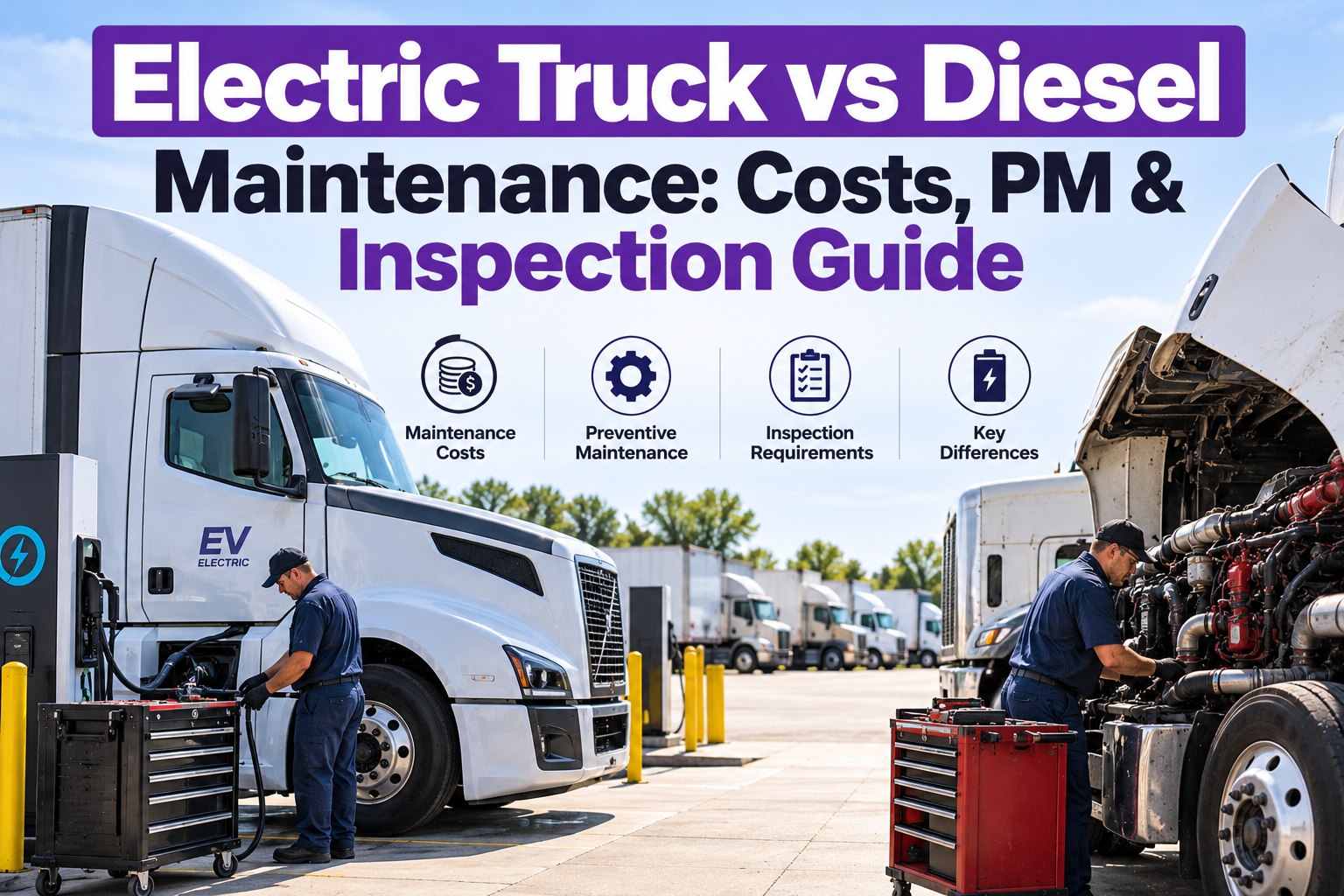
Electric trucks remove oil changes and exhaust systems, but not maintenance they swap them for batteries, high-voltage safety, and brakes and tires that wear differently. One industry estimate puts diesel upkeep near $0.25 a mile and battery-electric near $0.17. This guide shows what changes, what stays the same, and how to keep one clean record across a mixed fleet. Start free and track diesel and electric trucks in one place.
Costs · PM · Inspection
Electric Truck vs Diesel Maintenance: Costs, PM & Inspection Guide
Whatever powers the truck, the inspection and repair record still has to be complete. Truck Inspection & Maintenance Management Software keeps one file per truck — diesel or electric — so DVIRs, repairs, and retention clocks stay in one system as your fleet changes.
~$0.25estimated diesel maintenance cost per mile
~$0.17estimated battery-electric cost per mile
Up to 2×reported brake pad and rotor life with regenerative braking
What Goes Away, What Stays, What Is New
The cost gap comes from parts that simply are not on an electric truck. But the savings are partly offset by new tasks that diesel crews never had to learn. Contact our team to plan records for your mix of trucks.
Goes AwayNot on an electric truck
Engine oil and oil changes
Fuel filters, pumps, injectors
Diesel exhaust fluid (DEF)
DPF and SCR aftertreatment
Spark plugs and valve work
StaysStill needs your attention
Brakes and brake fluid
Tires and wheel ends
Suspension and steering
Cab systems and lighting
DVIRs and annual inspections
NewAdded by electrification
Battery health monitoring
Specialized cooling for battery and electronics
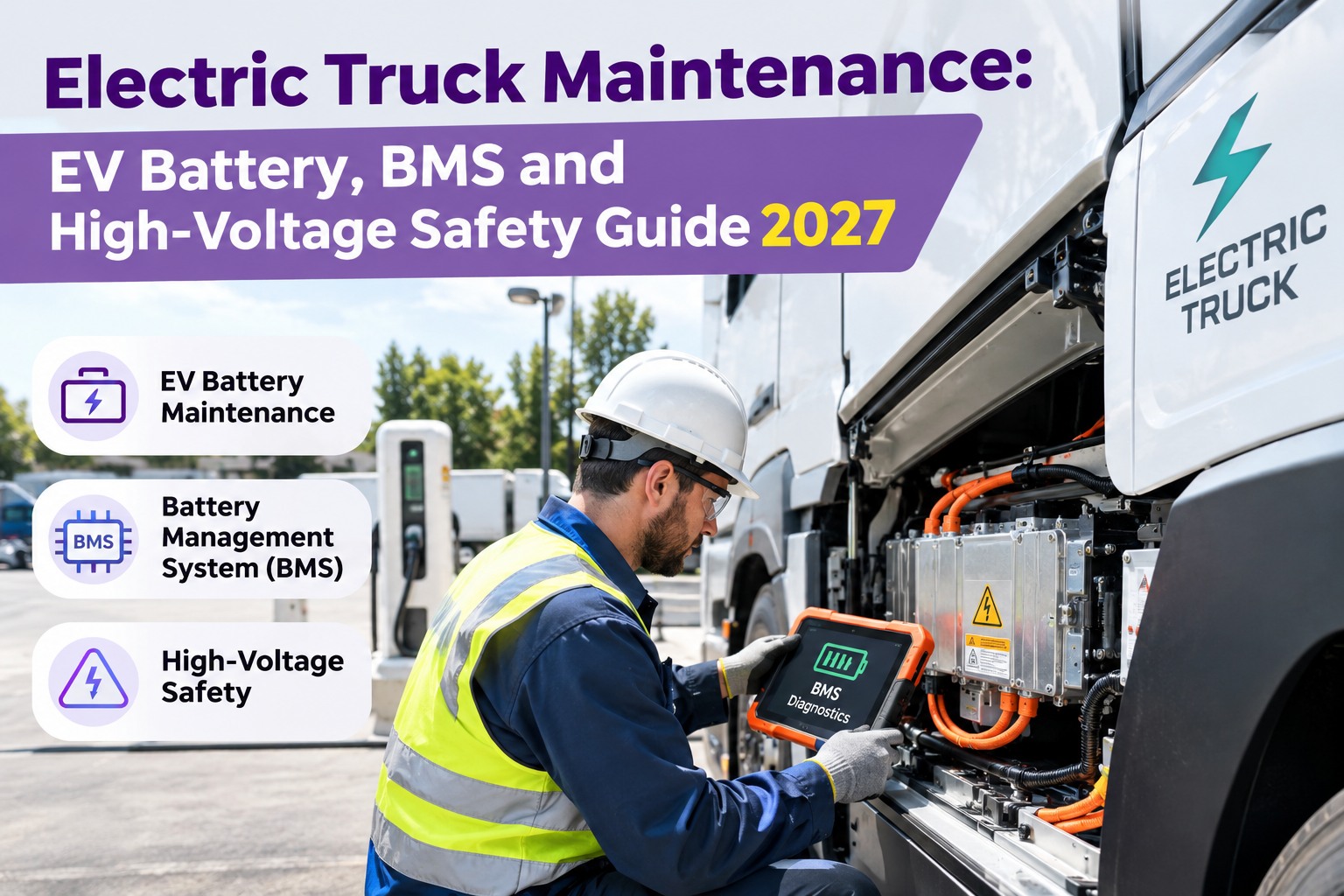
High-voltage safety checks
Software patches and fault-code diagnostics
Technician high-voltage training
System-by-System Comparison
Here is how each system compares. Treat the numbers as planning ranges, since real costs vary by duty cycle, weight, and climate.
SystemDieselElectric
Engine oil & filtersRegular changes, often every 10,000–15,000 miles, sooner with heavy idlingNone — there is no engine oil
ExhaustDPF, SCR, and DEF to serviceNone — there is no exhaust
BrakesPads and rotors wear with every stop; frequent inspectionRegenerative braking can extend pad and rotor life, but brakes still need checks
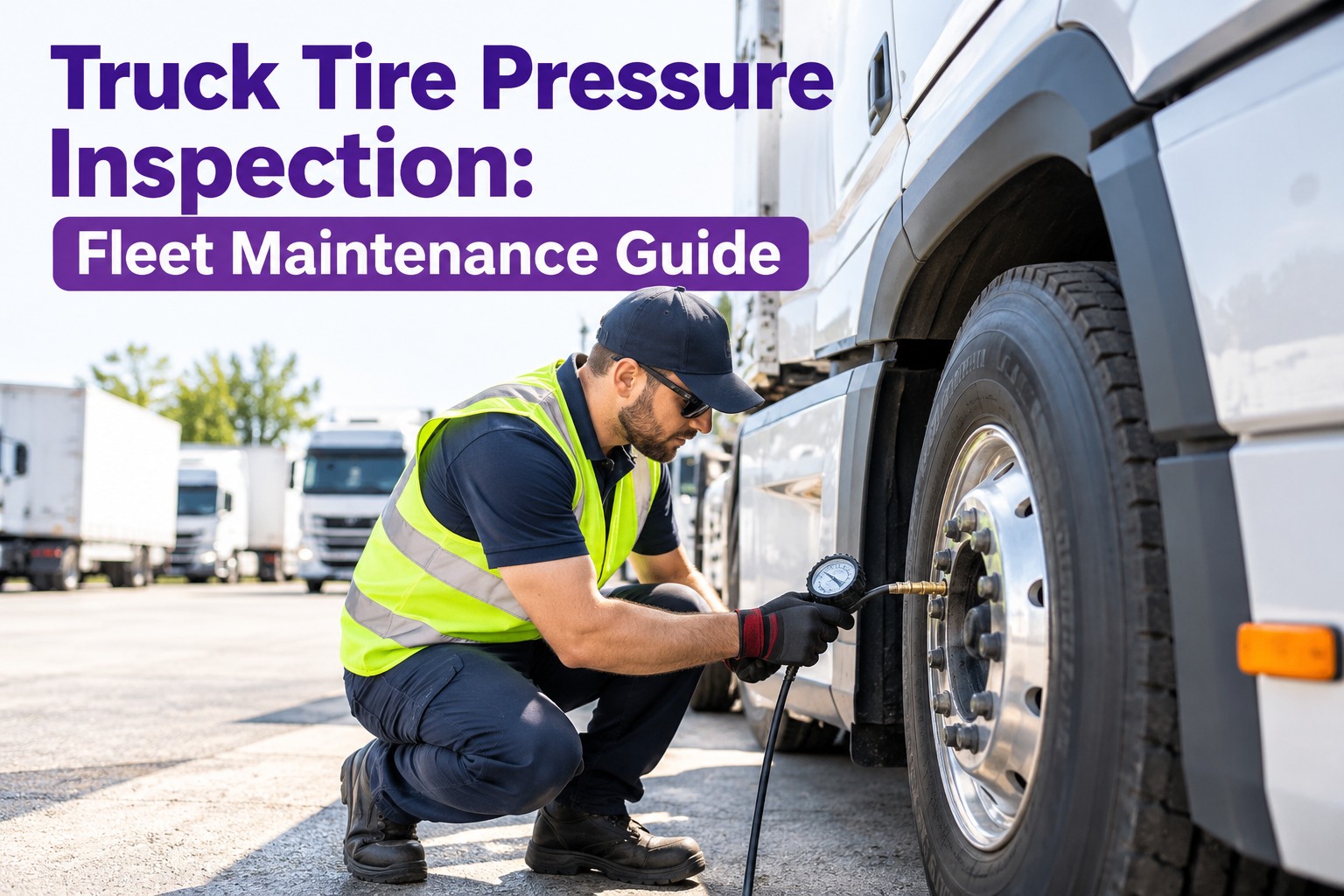
TiresStandard wear patternsHigher motor torque and regenerative braking add wear; battery weight leaves steer tires little headroom
CoolingEngine coolantSpecialized coolant for battery and power electronics
PowertrainEngine and transmissionElectric motor; some designs have no transmission
Battery & high voltageNot applicableHealth monitoring and HV safety checks by certified technicians; warranties often run about five years
Fewer visits, different visits Electric truck maintenance tends to focus on inspections more than part replacements, so visits can be quicker — but repairs that do come up may take longer because they need specialized skills. Plan for fewer, more technical visits.
How the PM Calendar Changes
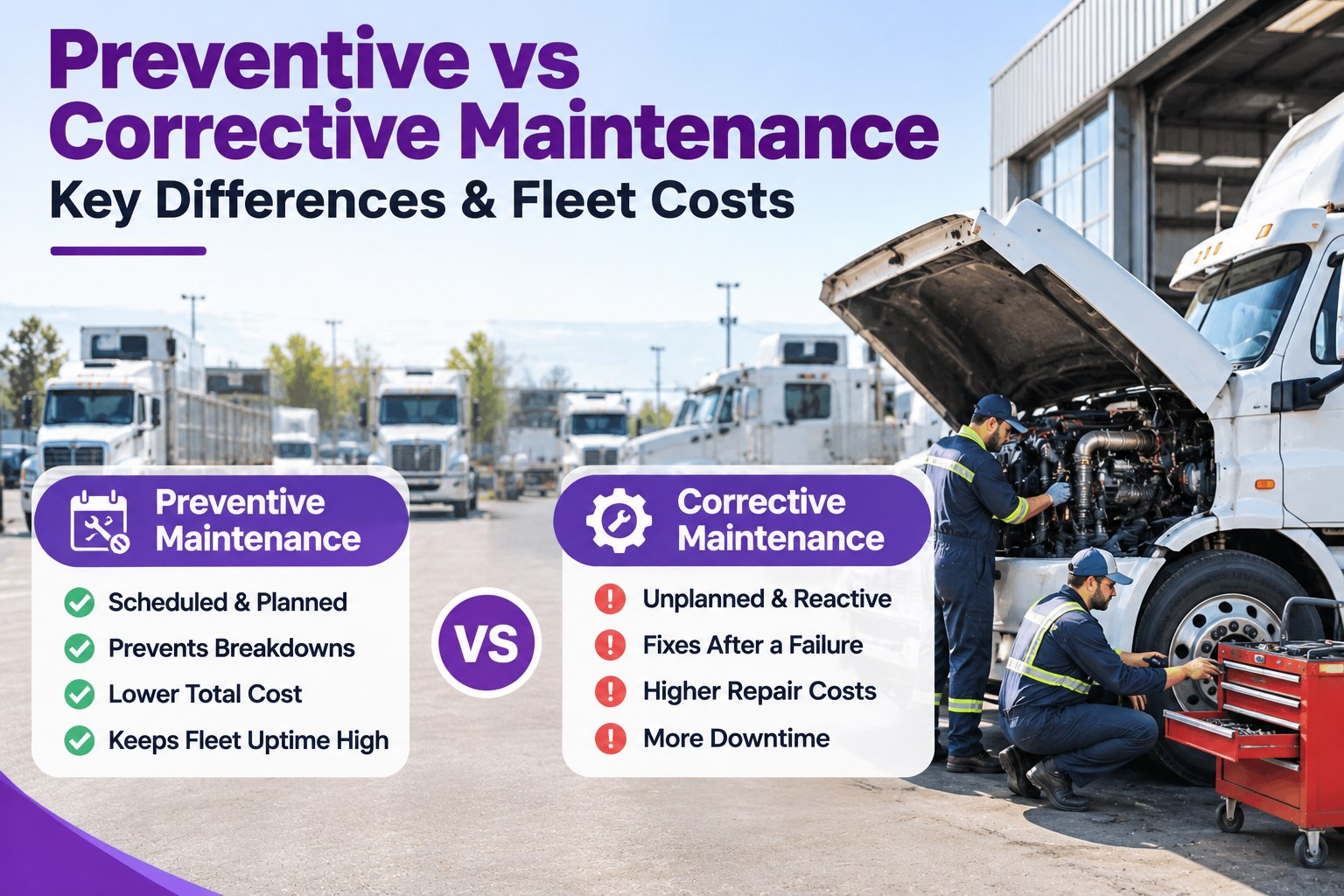
Diesel preventive maintenance is driven by miles and hours: oil, filters, fluids. Electric PM is driven by condition: what the battery, brakes, and tires are telling you. Follow your manufacturer's schedule, and expect the rhythm to look like this. Start free and keep each truck's history in one record.
1Every inspectionDriver DVIR, tire condition and wear, brake check, visible cable and connector condition
2Per OEM scheduleCoolant checks, battery health review, brake service, software patches
3When a fault appearsDiagnostic codes read by a trained technician before any high-voltage work
Inspection and Safety — Nothing in Part 396 Goes Away
Driver inspection reports, annual inspections, and maintenance records apply to a commercial vehicle whatever powers it. What changes is who can work on it. Technicians doing only mechanical and low-voltage work need short electrical safety training; those working on high-voltage systems need a multi-day high-voltage course, and battery work needs its own battery safety training. FMCSA has also developed inspector training because electric-drive vehicles bring risks like electrocution, quiet approach, and stored energy.
Mechanical and low-voltage tasksShort electrical safety familiarization
High-voltage workMulti-day high-voltage electrical safety plus technical service training
Battery workBattery safety training for anyone handling lithium-ion packs
Every repairApproved, safety-checked service documents — no trial-and-error on high voltage
One Record for Every Truck, Whatever Powers It
Truck Inspection & Maintenance Management Software ties each inspection, DVIR, and repair to its truck, attaches the retention clock, and keeps the file reachable from any yard. Whether a truck runs on diesel or batteries, an audit request becomes a date filter instead of a binder hunt.
Why Records Matter More During a Transition
A mixed fleet runs two maintenance playbooks at once, and the gaps appear between them: a battery concern noted by a driver, a brake wear pattern spotted on a new truck, a repair done by a specialist outside your shop. Logging each against the right truck is what lets you compare real costs and real downtime instead of guessing. Contact our team to set up a clean record for your first electric trucks.
Driver reports a defectIt stays tied to that truck until the repair is signed off
Specialist does the repairThe work is logged on the same record as everything else
You compare the twoPer-truck history shows real downtime and repair patterns
Frequently Asked Questions
Are electric trucks really cheaper to maintain than diesel?
Usually, yes. One industry estimate puts diesel maintenance near $0.25 per mile and battery-electric near $0.17, mainly because oil, fuel, and exhaust systems are gone. Brakes may also last longer. Savings depend on duty cycle, tire wear, and whether a battery needs repair, so treat these as planning numbers and compare them with your own records.
Do electric trucks still need DVIRs and annual inspections?
Yes. Federal inspection and maintenance recordkeeping rules for commercial vehicles do not depend on the powertrain. Drivers still complete inspection reports, annual inspections still apply, and repair records still need to be kept. Electric trucks add high-voltage components that need trained technicians.
Start free and see how one record covers both.
Does the battery need to be replaced?
Batteries need health monitoring, and a replacement is a major cost. Warranties commonly run around five years, so check your terms and what they cover. Tracking battery-related reports and repairs per truck helps you spot problems early and supports any warranty claim.
Do my technicians need special training for electric trucks?
For high-voltage work, yes. Manufacturers describe short electrical safety training for mechanical and low-voltage tasks, a multi-day course for high-voltage work, and separate battery safety training. Repairs should follow approved service documents, never trial-and-error on high-voltage systems.
Diesel · Electric · One Record
Keep Every Truck's Record Audit-Ready
Truck Inspection & Maintenance Management Software ties each inspection, DVIR, and repair to its truck and keeps the whole file reachable from any yard — so your fleet can change powertrains without changing how you prove compliance.
No credit card required. Free for up to 3 trucks. Built for FMCSA-compliant fleets.
Cost-per-mile estimates and component comparisons are from a NACFE industry-engagement article in Fleet Maintenance magazine; most figures there are approximate. Technician training details are from Fleet Equipment magazine, and inspector safety notes from FMCSA. Tire notes are from Truck News. Always follow your manufacturer's service schedule.