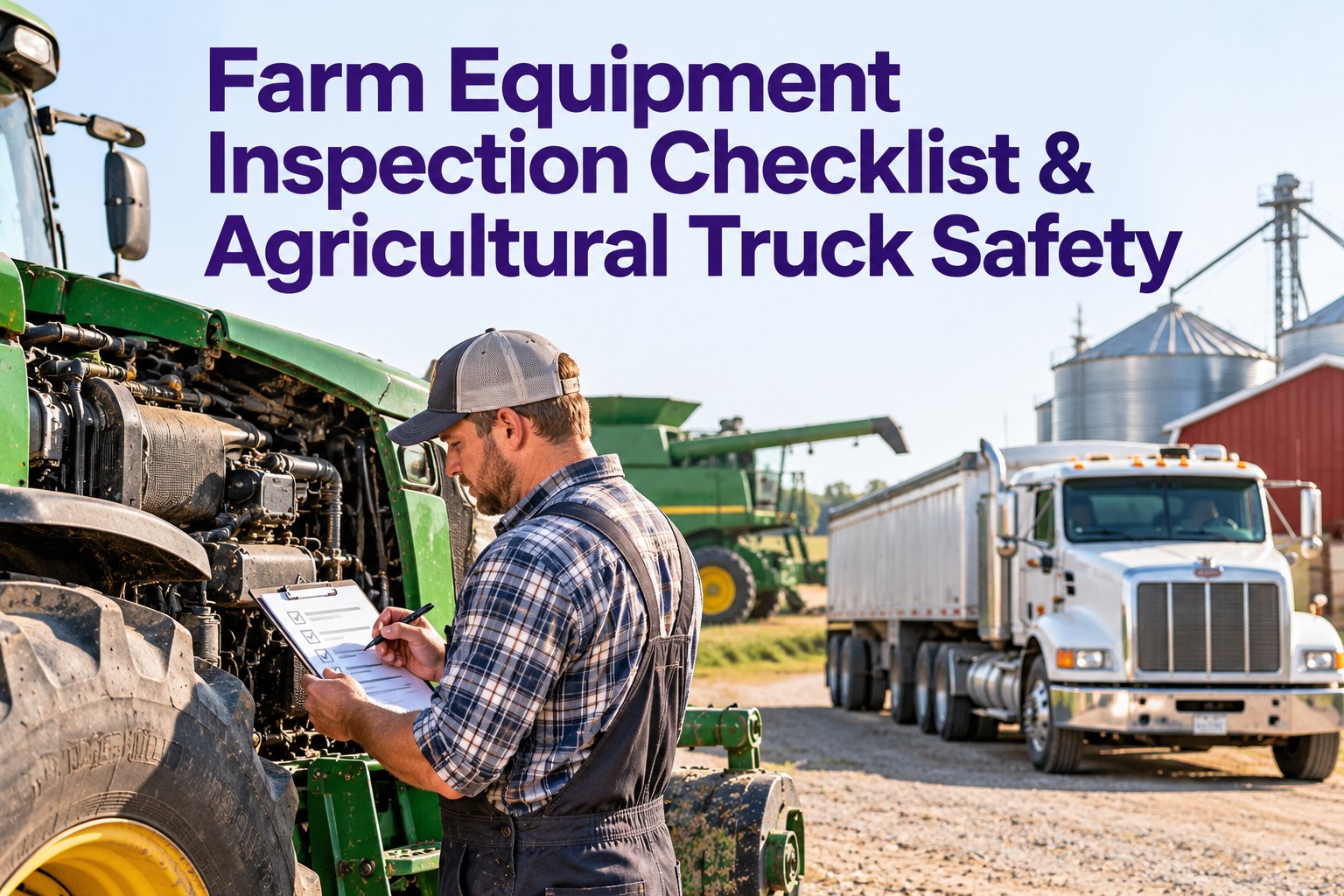
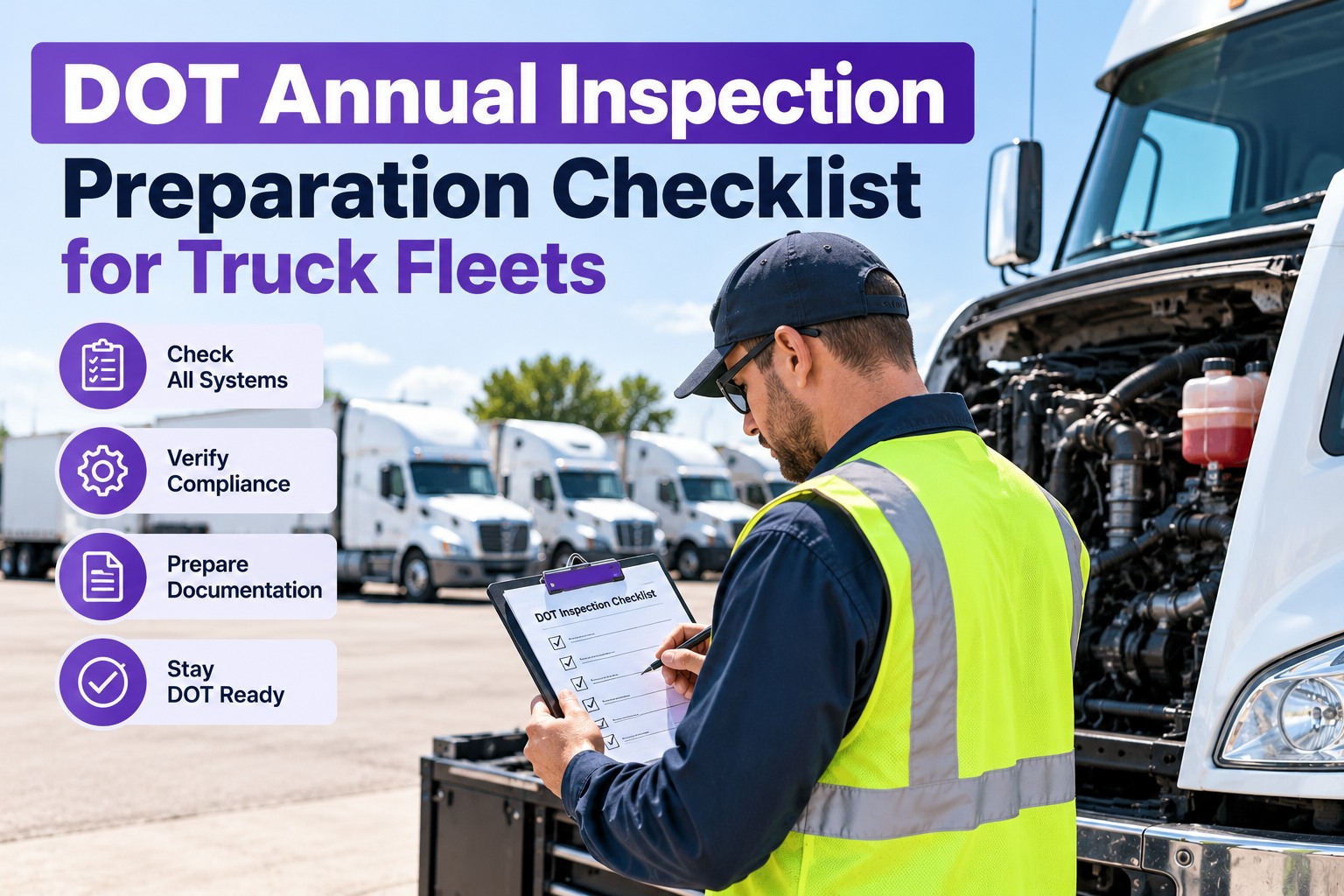
A farm runs on mixed iron — a 20-year-old tractor, a combine that only earns its keep six weeks a year, implements hitched and unhitched daily, and a grain truck that has to be road-legal when it leaves the gate. Most of it is exempt from the federal inspection rules that bind a commercial fleet. The catch: overturns, PTO entanglement, and harvest fires don't check your license plate. This checklist covers both worlds — the machinery in the field and the truck on the road — so a quick pre-use look catches the thing that would have put someone in the hospital. Start free and run these checks on every machine with TIM.
You may be exempt from the paperwork — but not from the hazard. Tractor overturns are the single deadliest incident on farms, an unguarded PTO shaft can kill in seconds, and a combine packed with dry chaff is a fire waiting for a hot bearing. The fix is a two-minute look before the key turns. This checklist walks the field machinery and the road truck, flags the stop-use conditions, and shows how TIM keeps the record even when no one is making you.
A covered farm vehicle gets broad relief from the federal motor-carrier rules. That relief is real — and it's the reason so many farm machines never get a second look. But the exemption is from the filing cabinet, not from the ditch bank.
WAIVED FOR A COVERED FARM VEHICLE
49 CFR 390.39
CDL requirement (Part 383)
Medical certificate (Part 391, Subpart E)
Hours of service (Part 395)
Drug & alcohol testing (Part 382)
Inspection, repair & maintenance (Part 396)
STILL TRUE ON EVERY FARM
the conditions & the physics
At or under 26,001 lb, the exemption follows you anywhere in the U.S.
Over 26,001 lb, stay in-state or within 150 air-miles of the farm
Farm plate, run by the owner, family, or a hired hand — not for-hire, no placarded hazmat
A brake or tire failure at road speed is exempt from nothing
Tractor overturns are the leading cause of death on farms — about 96 lives a year, the most frequent tractor-related death
99%
How effective a rollover bar plus a worn seatbelt is at preventing death in an overturn — but only about 70% with the belt unbuckled
~half
Of U.S. tractors still carry no rollover protection at all — which is exactly what the ROPS line on this checklist is guarding against
Two Worlds, One Fleet
Farm equipment lives a double life, and each half has its own killers. The machinery in the field fails toward overturns, entanglement, and fire. The truck on the road fails toward brakes, tires, and visibility. TIM keeps both on one record — but you inspect them differently.
FIELD MACHINERY — OFF-ROAD
Tractors · combines · implements
The hazards here are mechanical and sudden: a slope that tips a tractor without a ROPS, a spinning PTO that grabs a pant leg, a chaff fire on a harvest afternoon. Look before each use, and again daily through the season.
Check: before each use + daily in-season
ROAD TRUCK — ON-ROAD
Grain trucks · farm haulers · trailers
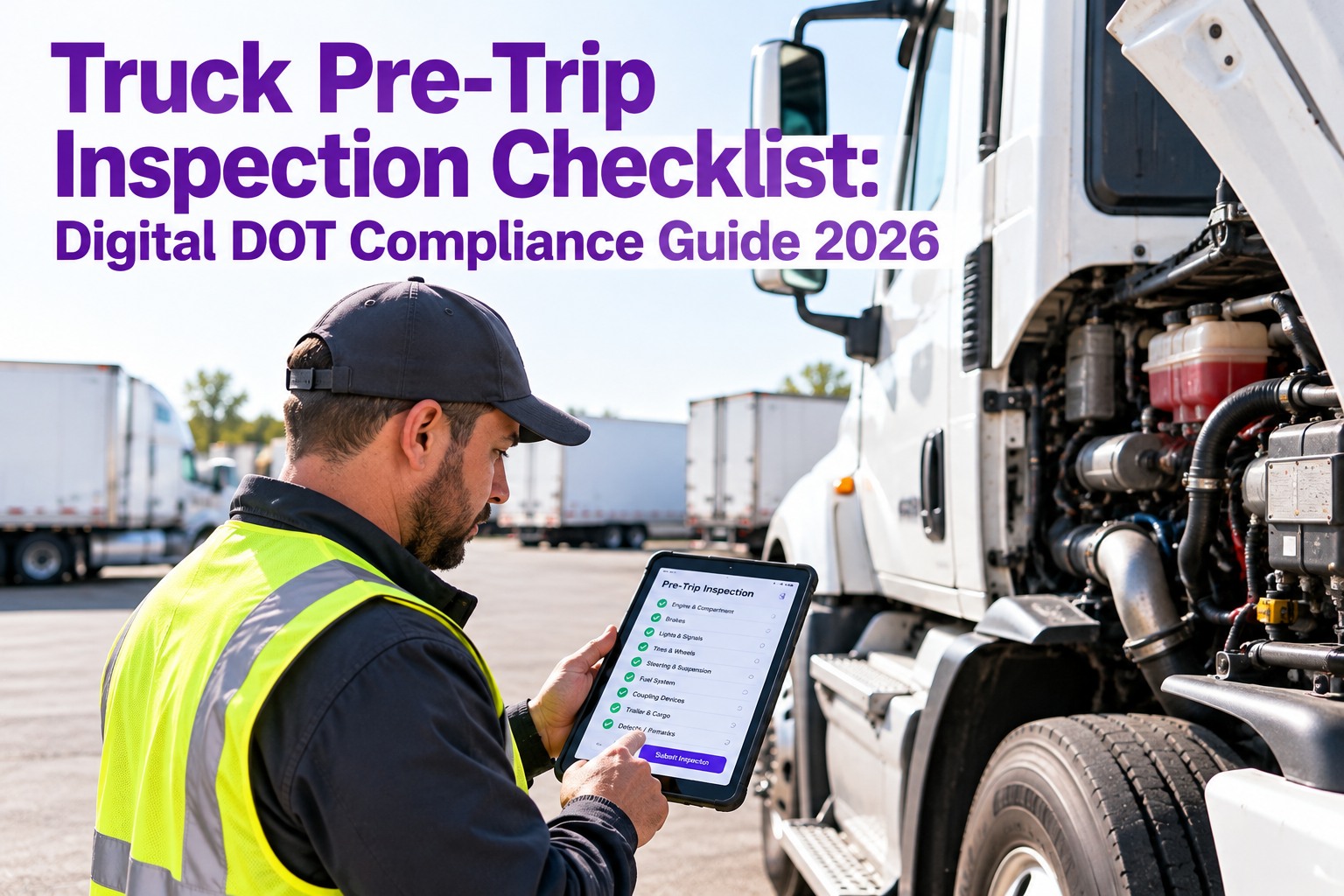
The moment a farm truck leaves the gate it shares the road with everyone else. Brakes, tires, lights, and a secured load are what stand between a loaded hauler and a highway incident. Walk it like a pre-trip every time it hauls.
Check: pre-trip, every haul
A covered farm vehicle may be exempt from the Part 396 inspection rule — but the brakes on a loaded grain truck don't know that, and neither does the family in the car behind it. Start free and give each machine its own checklist in TIM.
The Farm Equipment Inspection Checklist
Work top to bottom before the machine earns its keep. Tap each box as you clear it — the ones grouped here are the checks that actually prevent an injury, not busywork. Anything you can't clear goes to the stop-use panel further down.
26 Checks. Two Minutes. One Trip to the Hospital Avoided.
None of these lines is hard. The hard part is doing them every time, on every machine, and keeping proof you did. TIM turns the list into a tap-through on the operator's phone, logs who cleared it, and turns anything that fails into a work order before the machine goes back out.
Most checklist items are a judgment call. These six are not. If any one of them is true, the machine comes out of service until it's fixed — exemption or no exemption, harvest or no harvest.
Do Not OperateAny one of these is a hard stop
⊘Rollover bar missing or removed on a machine working a slope, bank, or ditch
⊘Unguarded PTO stub or a bare, exposed driveline shaft
⊘Brakes that pull, fade, or won't hold on a grade
⊘A tire with exposed cord, a deep cut, or a sidewall bulge
⊘No SMV emblem or no working lights before taking equipment on a public road
⊘Fuel, hydraulic, or oil leak dripping onto a hot exhaust or manifold
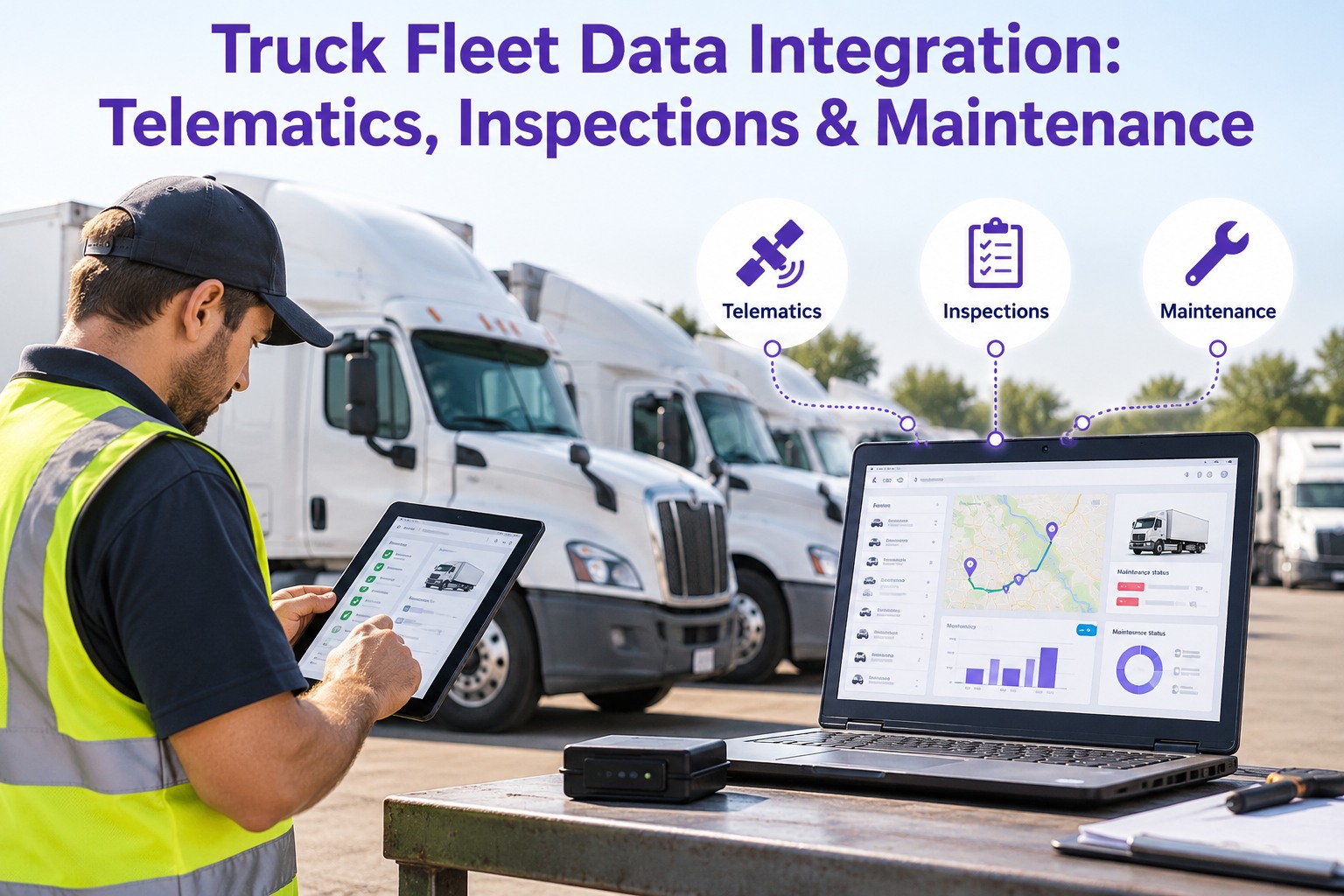
A farm fleet isn't one kind of asset — it's tractors, combines, implements, and trucks that each wear differently and get used in bursts. TIM is built to inspect and maintain all of them from one place, from the cab, even where the cell signal is thin.
One register, mixed ironTractors, combines, implements, and trucks each get their own file and history.
A checklist per machineThe tractor list isn't the truck list — build the right checks for each asset type.
Photo a defect, raise a jobA flagged item becomes a work order with the photo attached — no clipboard, no lost slip.
PM by hours and seasonSchedule service by engine hours and the calendar — ready before harvest, not mid-field.
Records even when exemptKeep proof the machine was safe and inspected, for your own protection if it's ever asked.
Works in the fieldInspect from the cab on a phone, offline, and let it sync when you're back in range.
Often, yes. A covered farm vehicle is exempt from the federal inspection, repair, and maintenance rule (Part 396), along with CDL, medical card, hours of service, and drug and alcohol testing, under 49 CFR 390.39. At or under 26,001 pounds the exemption applies anywhere in the country; over that weight the vehicle has to stay in its registration state or within 150 air-miles of the farm. The relief is from the federal paperwork, though — it does not make an unsafe truck legal or safe to run, which is exactly why a pre-trip walkaround still matters.
Do I need a CDL to drive a farm truck?
Usually not, if it qualifies as a covered farm vehicle — the CDL requirement (Part 383) is one of the exemptions under 390.39, provided the truck carries a farm plate, is run by the owner, a family member, or a hired hand, isn't used for hire, and isn't hauling placarded hazardous materials. State rules can differ, so confirm with your own state before assuming. What doesn't change with the license: the driver still has to know how a loaded hauler brakes and handles, which no exemption teaches.
If I'm exempt from the rules, why inspect at all?
Because the hazards ignore the exemption. Tractor overturns are the leading cause of death on farms — roughly 96 a year — and a rollover bar with a worn seatbelt is about 99% effective at preventing death in one, yet nearly half of U.S. tractors still have no rollover protection. Add an unguarded PTO that can entangle in a heartbeat and the fire risk of a chaff-packed combine, and a two-minute check is the cheapest insurance on the farm.
What's the single most dangerous thing to skip?
Two things tie for first. The rollover bar and seatbelt, because an overturn is the deadliest farm incident and the ROPS is what keeps you in a survivable space. And the PTO guarding — the master shield and driveline shield — because an exposed, spinning shaft at 540 or 1,000 rpm can pull a person in faster than they can react. Both are on this checklist for a reason, and both are stop-use conditions if they're missing.
How often should I inspect farm equipment?
Match the rhythm to the machine. Field machinery — tractors, combines, implements — gets a look before each use and a quick daily check through the busy season. A farm truck gets a pre-trip walkaround every time it hauls on the road. On top of that, a deeper check before harvest and a full service at the end of the season keeps the short, intense work windows from being the moment something fails. TIM lets you set each cadence per asset and reminds the operator automatically. Start free and set a cadence for every machine with TIM.
Tractor · PTO · Implements · Truck · Fire Readiness
Exempt or Not, the Checklist Is What Keeps Everyone Home
No one is making you inspect your farm equipment. That's the point — the responsibility lands on you, and so does the overturn, the entanglement, or the harvest fire that a two-minute look would have caught. Run the 26 checks, honor the stop-use lines, and let TIM keep the record and the reminders. It's free to start on your first three machines.