Most tanker trailer failures don't arrive without warning. A hairline crack starts at a weld, a rust streak bleeds through the paint, a spring hanger loosens a little more each month. Then one day the trailer fails an inspection or fails on the road. A tanker carries a heavy, shifting load on a structure that flexes with every mile, so preventive maintenance has to follow the path that load takes: tank, saddles, frame, undercarriage, suspension, brakes and wheel ends. This guide walks that path layer by layer, then lays out a tiered PM schedule (daily, monthly, quarterly, annual), a weld and crack watchlist, a 2027 calendar and the mistakes that break most PM programs. It also shows how Truck Inspection & Maintenance Management Software turns the schedule into due dates, checklists and work orders you can't forget. Start free and put every tanker on a PM schedule.
Tanker Trailers · Structure · Suspension · Brakes · PM Schedule
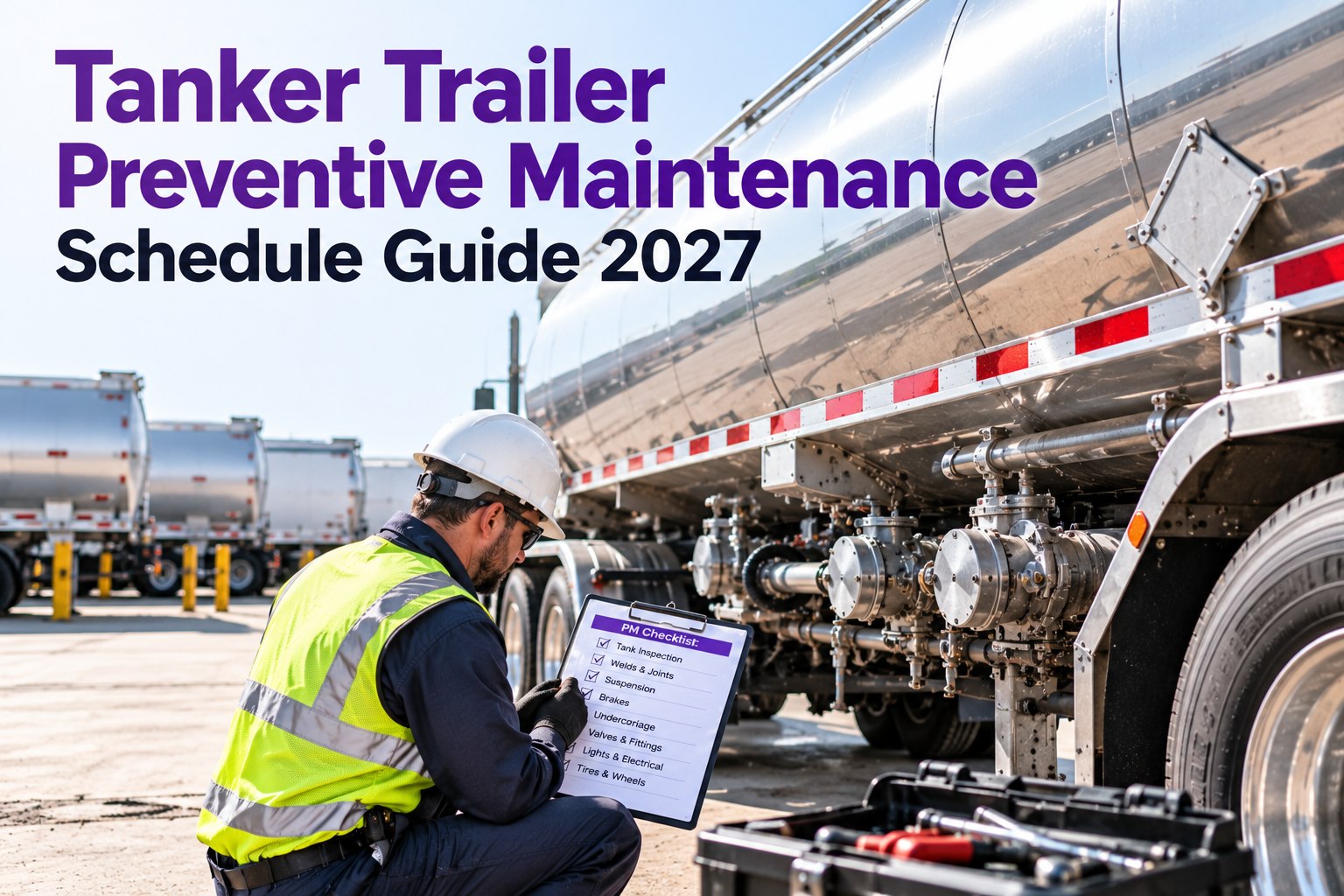
Tanker Trailer Preventive Maintenance Schedule Guide 2027
Welds, saddles, frame rails and running gear wear out of sight, and a PM program that lives in a notebook always slips. TIM puts each tanker on a recurring schedule, gives the technician a checklist for every zone, turns each finding into a work order, and keeps the history on the trailer so repeat problems stand out.
6 layersfrom tank shell down to wheel ends
4 tiersdaily, monthly, quarterly and annual PM
1 recordper trailer, with every finding and fix
Follow the Load Path: Six Layers to Inspect
Weight moves down through the trailer in a chain. A weakness in any link overloads the next one, so inspect them in order from the top.
1
Tank shell & welded jointsCheck: seams, welds at heads and fittings, dents, corrosion. Warning sign: weeping at a weld, rust streaks, cracked paint along a seam.
▼
2
Support saddles & mountingCheck: saddle-to-frame welds, pads and fasteners where the tank rests. Warning sign: movement marks, loose or missing hardware, shiny wear spots.
▼
3
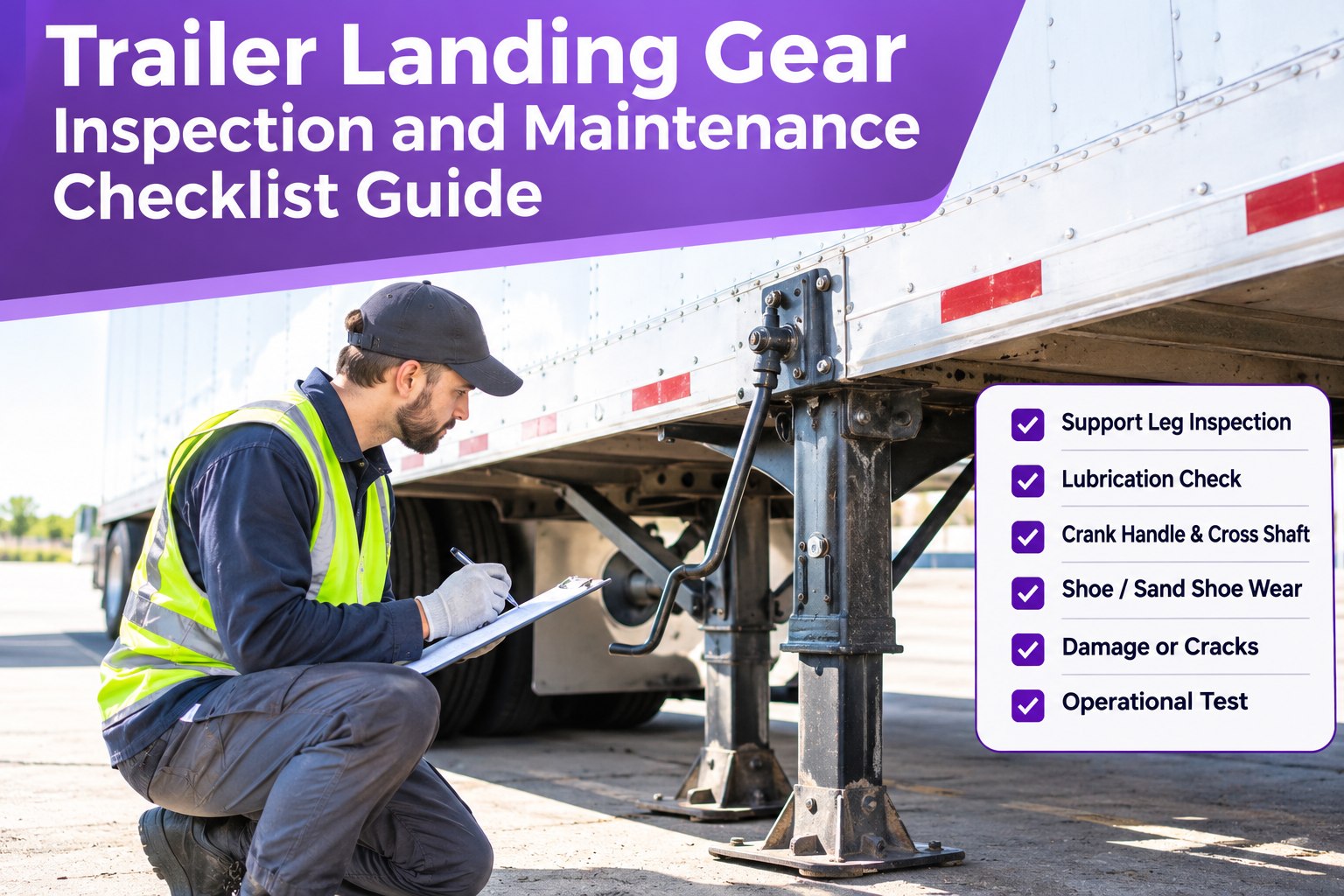
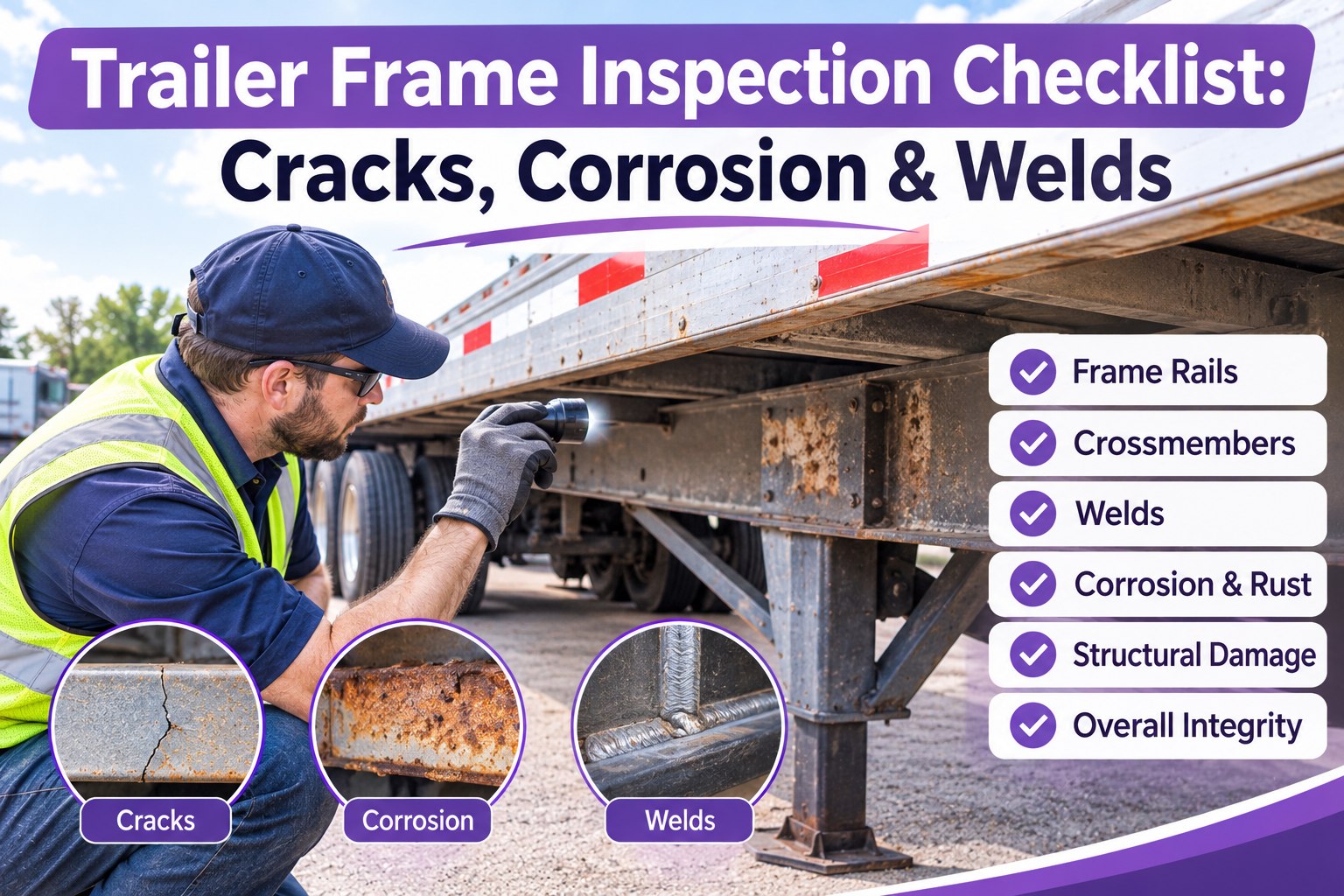
Frame rails & crossmembersCheck: rails, flanges, crossmember welds, kingpin and upper coupler area, landing gear mounts. Warning sign: cracks near hangers, bends, rust bleeding from a joint.
▼
4
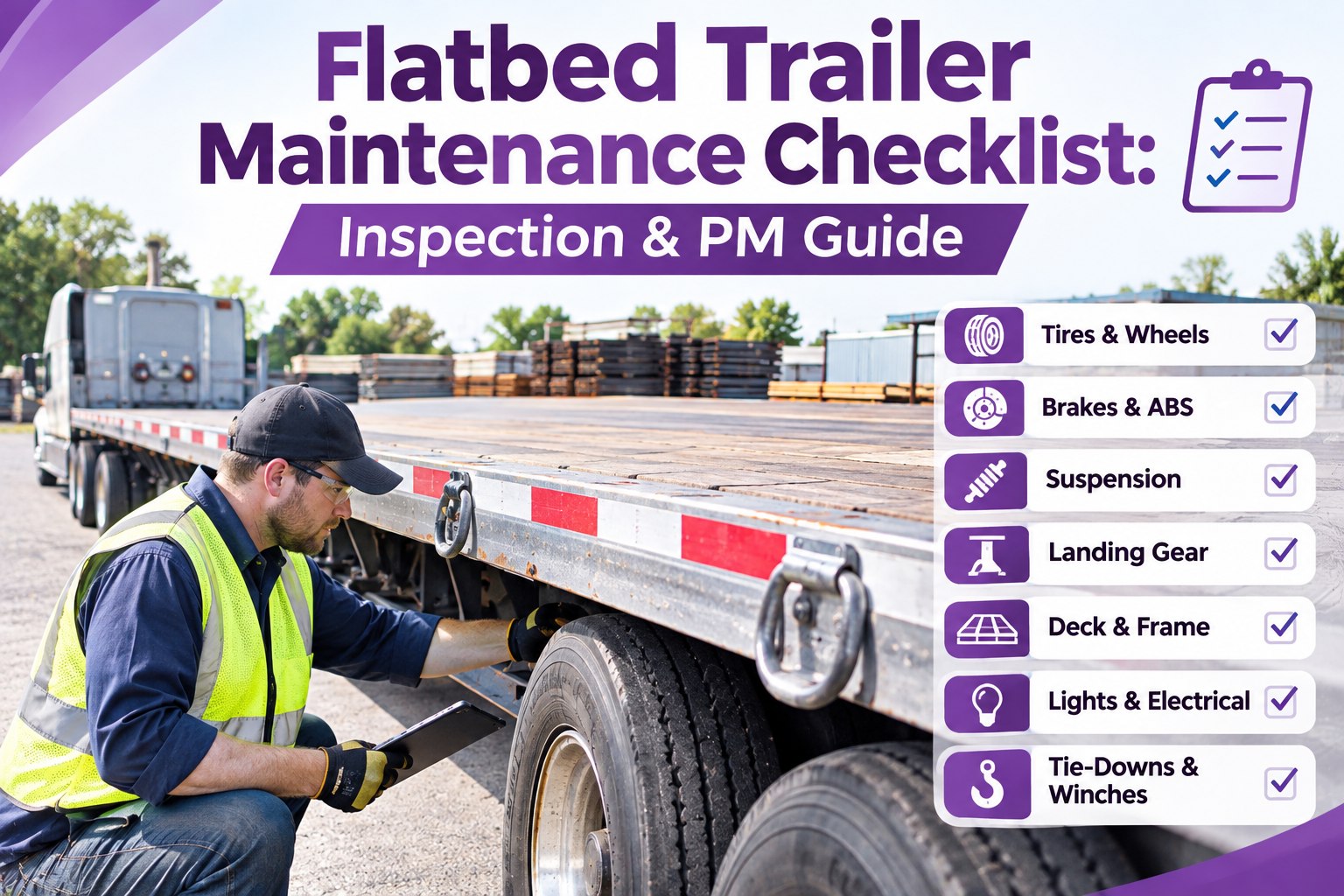
SuspensionCheck: hangers, bushings, torque rods, shocks, air springs, U-bolts, ride height. Warning sign: uneven stance, chafed air bags, worn bushings, loose fasteners.
▼
5
BrakesCheck: chambers, pushrod stroke, slack adjusters, lining, drums, air lines, ABS. Warning sign: out-of-adjustment stroke, cracked drums, leaks, ABS lamp on.
▼
6
Wheel ends & tiresCheck: hub oil and seals, bearings, lug nut torque, tread depth, inflation. Warning sign: oil on the wheel, rust streaks at lugs, uneven wear, heat.
Clean before you inspect Caked-on road film and cargo residue hide cracks. Wash or wipe the areas you're checking, especially welds and joints. Chemical exposure and washouts also speed corrosion in crevices, so give those spots extra attention. The cargo tank itself has its own required tests under 49 CFR 180.407, covered in our tanker trailer inspection requirements guide. This schedule covers the structure and running gear beneath it.
The PM Ladder: Four Tiers, One Schedule
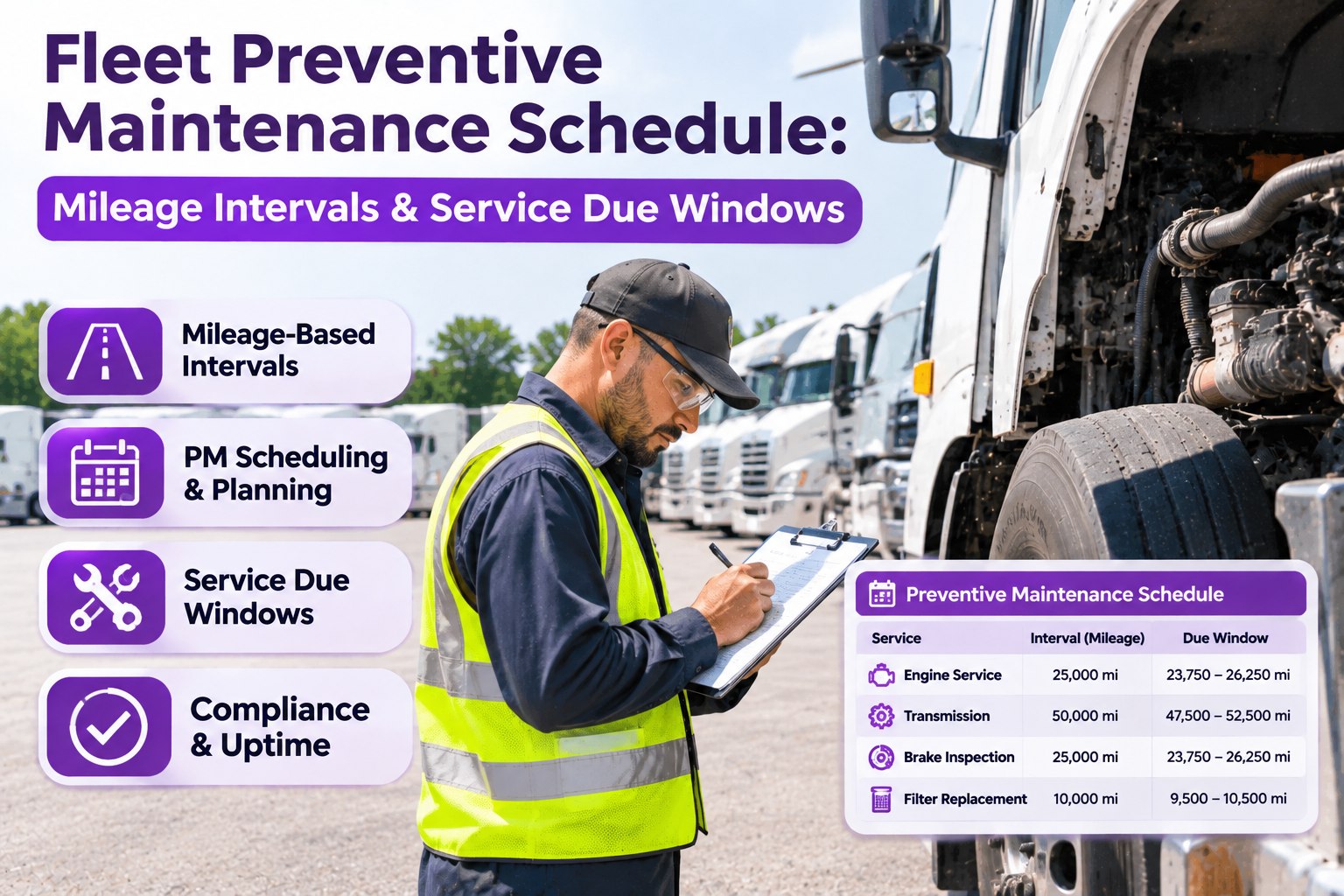
Under 49 CFR 396.3, carriers must systematically inspect, repair and maintain their vehicles, and records must be kept (12 months at the location where the vehicle is housed and 6 months after it leaves your control). The intervals below are an example cadence. Set yours from the trailer manufacturer's guidance, your duty cycle and what your own history shows.
DailyPre-trip walkaround
- Visible leaks and damage
- Tires, lights, brakes and coupling
- Landing gear raised and secure
- Anything new since last trip
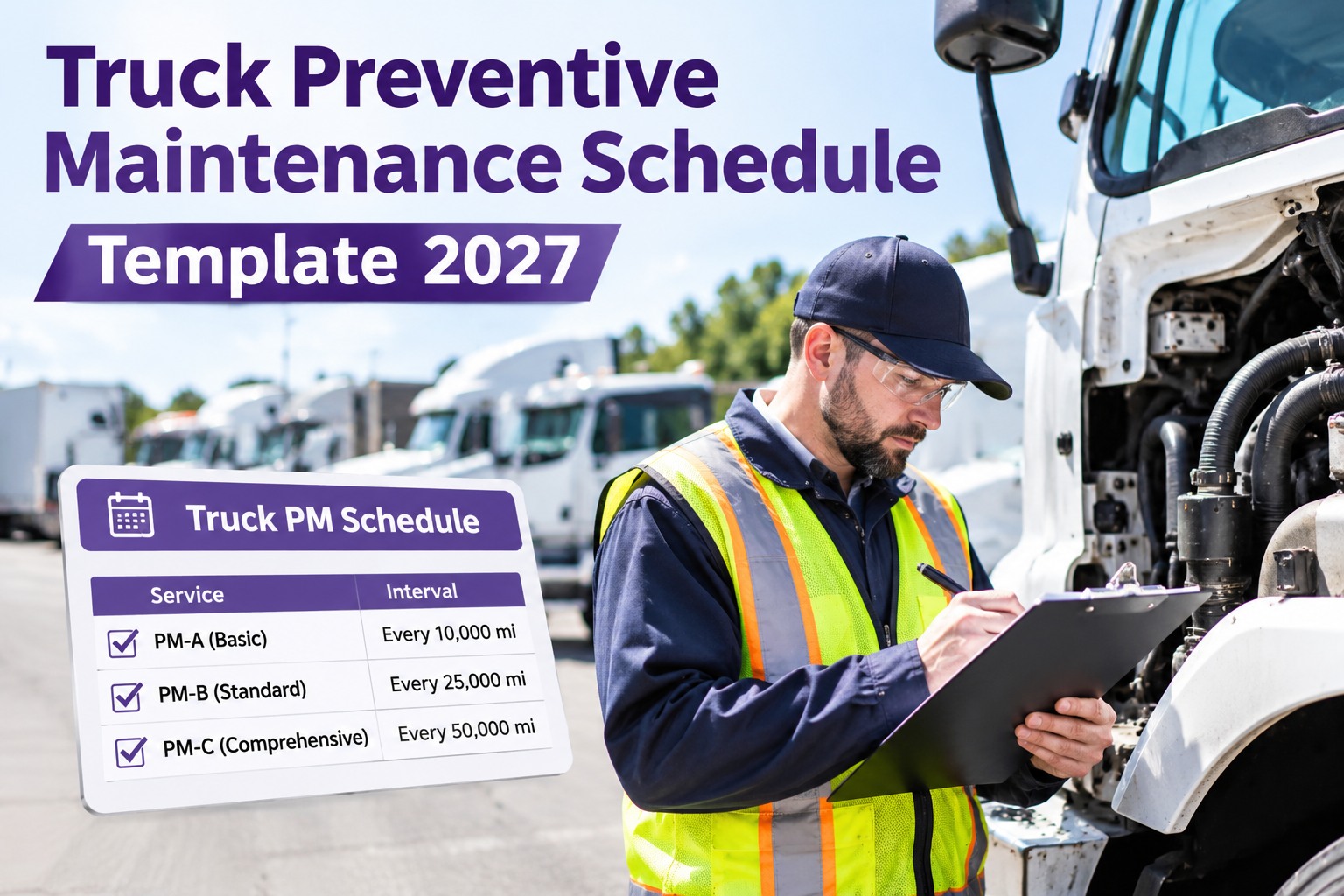
Monthly PM-AExample: every 30 days
- Lubricate all grease points
- Wheel and fastener torque check
- Visual pass: welds, saddles, rails
- Air system and line inspection
Quarterly PM-BExample: every 90 days
- Brake measurements and lining check
- Suspension and air spring inspection
- Wheel-end oil, seals and bearings
- Detailed weld and crack survey
Annual PM-CEvery 12 months
- Full structural inspection, cleaned
- Annual vehicle inspection (§396.17)
- Wheel-end and brake service by condition
- Advanced testing on any suspect crack
The Weld and Crack Watchlist
Cracks start where stress concentrates. These six places deserve a closer look at every quarterly PM and a quick glance at every monthly one.
1Saddle-to-frame weldsWhere the tank's weight transfers into the frame
2Crossmember jointsEspecially near suspension hangers
3Suspension hanger weldsTakes braking, bumps and load shifts
4Landing gear mountsBracing and attachment points
5Kingpin and upper coupler areaPlate, welds and surrounding structure
6Frame rail flanges and bendsAny change of section or past repair
Rust streaksA line of rust bleeding from a joint often marks a crack beneath.
Cracked paintPaint splitting in a straight line follows the metal underneath.
Weeping or wet spotsFluid or residue at a seam points to a leak path.
Bright wear marksShiny metal means two parts are moving that shouldn't.
Running Gear Thresholds to Keep in Mind
| Item | What to check | Reference point |
| Steer tires |
Tread depth, cuts, bulges, inflation |
4/32" minimum |
| Other tires |
Same checks on drive and trailer positions |
2/32" minimum |
| Brake stroke |
Pushrod travel when fully applied |
Within limit for chamber size |
| Brake system |
Percent of brakes defective on the vehicle |
20% or more can bring an out-of-service order |
| Wheel ends |
Hub oil level, seals, lug nuts |
No leaks, no missing nuts |
| Structure |
Cracked or broken frame, crossmember or hanger |
Needs immediate evaluation |
Three Ways PM Programs Quietly Break
1Mileage-only intervalsTankers that idle, wash out or work short routes can age faster than the odometer shows. Use calendar and mileage, whichever comes first.
2One checklist for every trailerA tanker's weld, saddle and frame points aren't on a generic dry-van form. Use a checklist built for the structure.
3Findings without a historyA crack noted on paper and forgotten can't show you it's the third one on that hanger. Record every finding against the unit.
Your 2027 PM Calendar at a Glance
Stagger each trailer's annual PM-C so the shop isn't buried in one month, and use the quarterly PM-B months below as the template.
JanA
FebA
MarAB
AprA
MayA
JunAB
JulA
AugA
SepAB
OctA
NovA
DecAB
A monthly PM B quarterly PM Annual PM-C: assign each trailer its own month, ahead of its §396.17 annual inspection due date.
Make the Schedule Run Itself
Truck Inspection & Maintenance Management Software puts each tanker on recurring PM, gives the technician a checklist for every zone, lets you attach photos to a finding, and turns each defect into a work order. The trailer's history shows what was found, what was fixed and where problems repeat.
Frequently Asked Questions
How often should a tanker trailer get preventive maintenance?
There's no single federal interval beyond the annual inspection under §396.17 and the requirement to systematically inspect and maintain under §396.3. Many fleets run monthly lube and torque checks, a quarterly brake and structure survey, and an annual full inspection. Adjust to the manufacturer's guidance and your duty cycle.
Start free and set each tier as recurring PM.
How often should I inspect tanker welds?
A quick look at the key stress points on every PM, plus a cleaned, detailed survey at least quarterly, is a sound approach. Any crack, weep or rust bleed line should be recorded and evaluated by a qualified person before the trailer goes back into service.
Does this replace the cargo tank tests?
What records should I keep?
Keep inspection, repair and maintenance records for each vehicle as §396.3 requires: 12 months where the vehicle is housed and 6 months after it leaves your control. Include dates, what was done and by whom, and keep your annual inspection report.
PM Due Dates · Zone Checklists · Work Orders · History
Put Every Tanker on a Schedule That Doesn't Depend on Memory
Start free to build recurring PM for each trailer, or book a demo and we'll walk through a tanker schedule built around your fleet.
No credit card required. Free for up to 3 trucks. Built for FMCSA-compliant fleets.