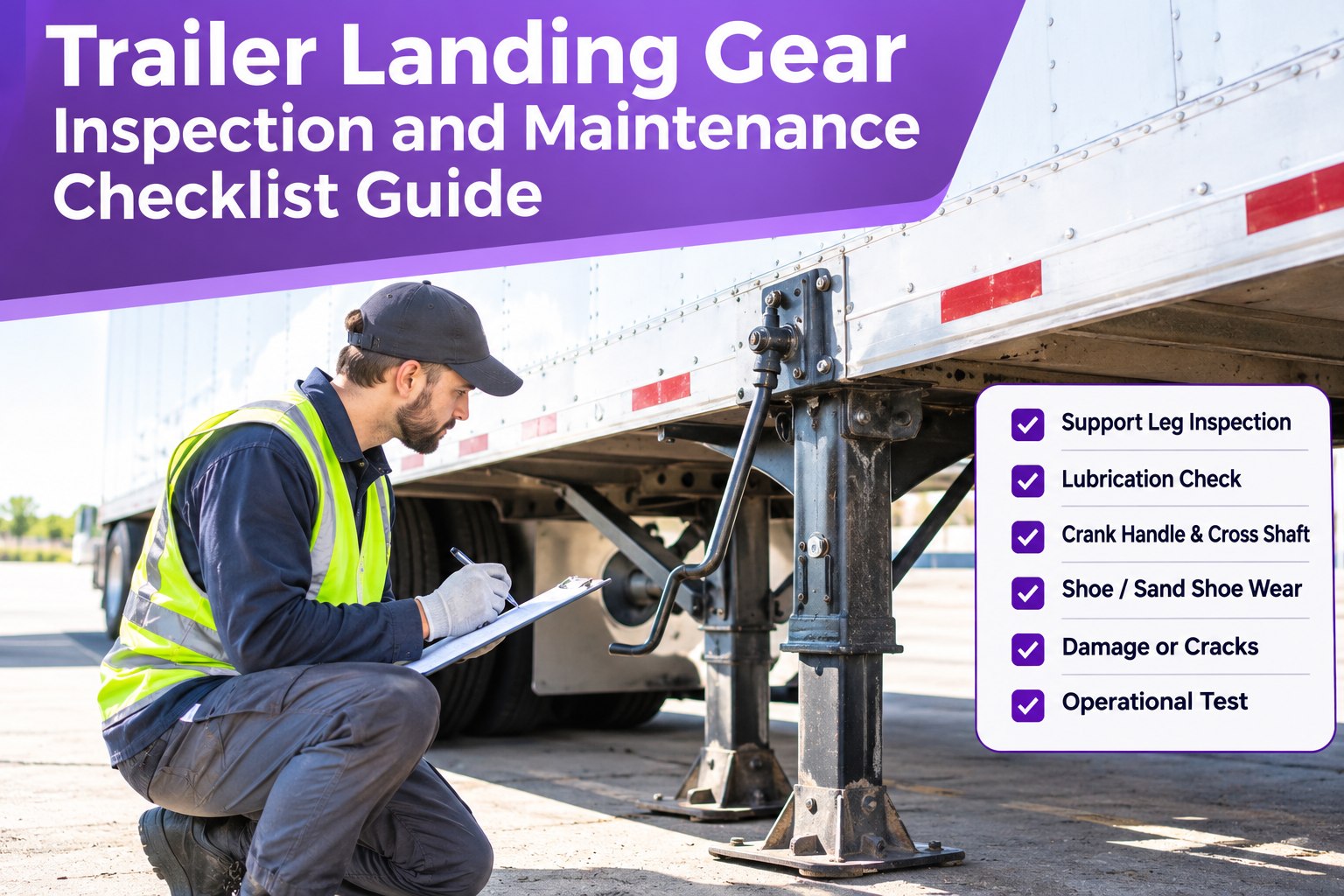
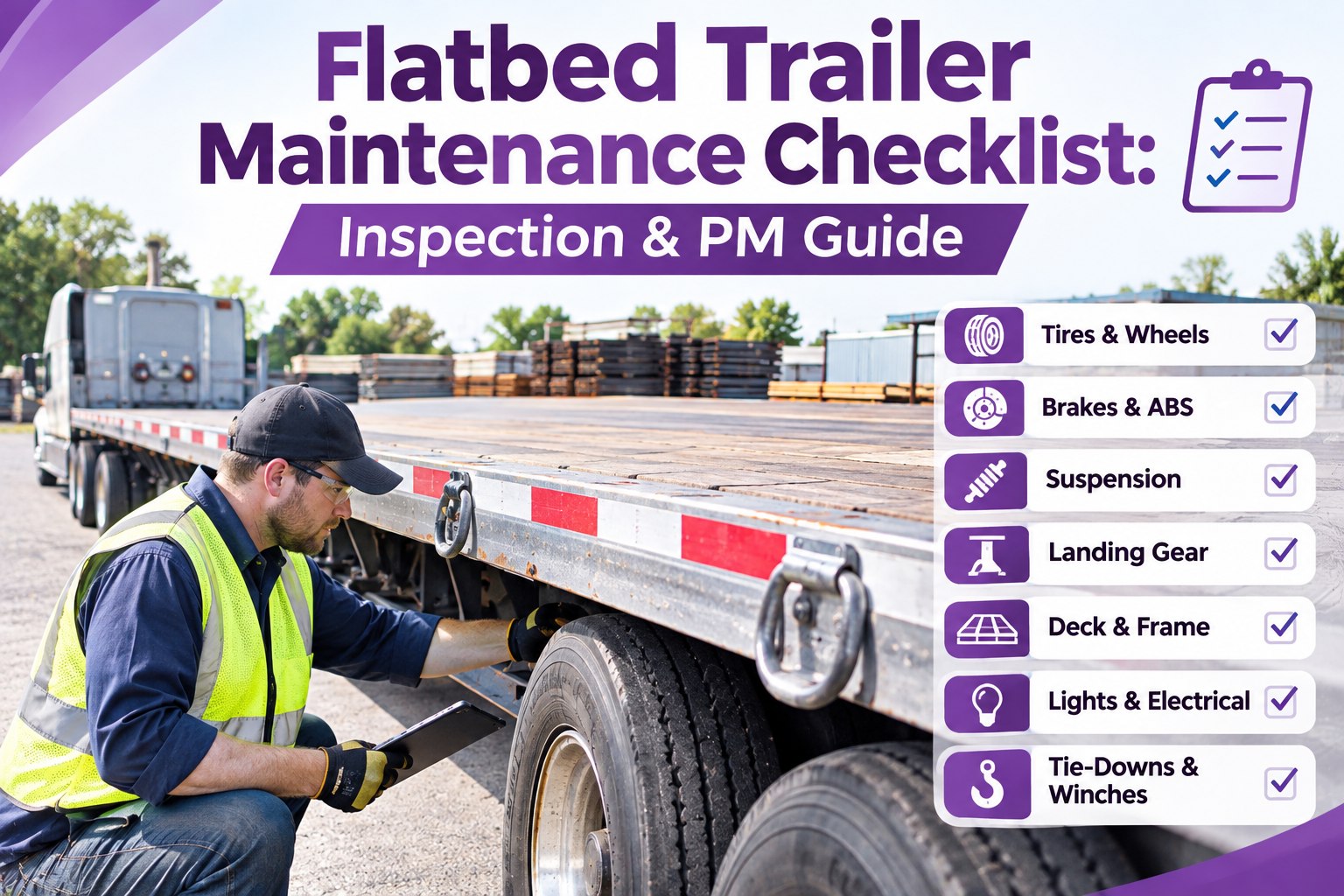
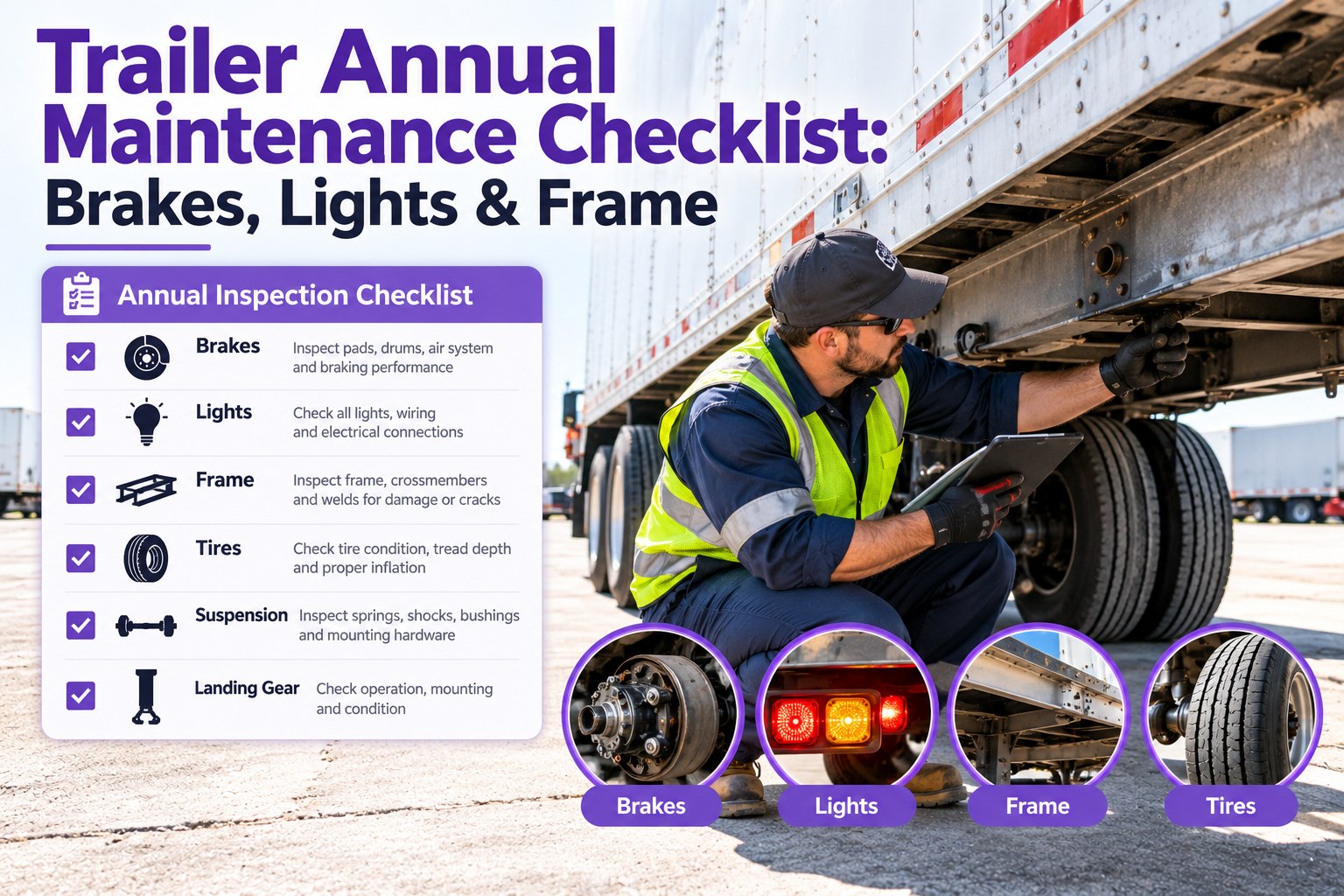
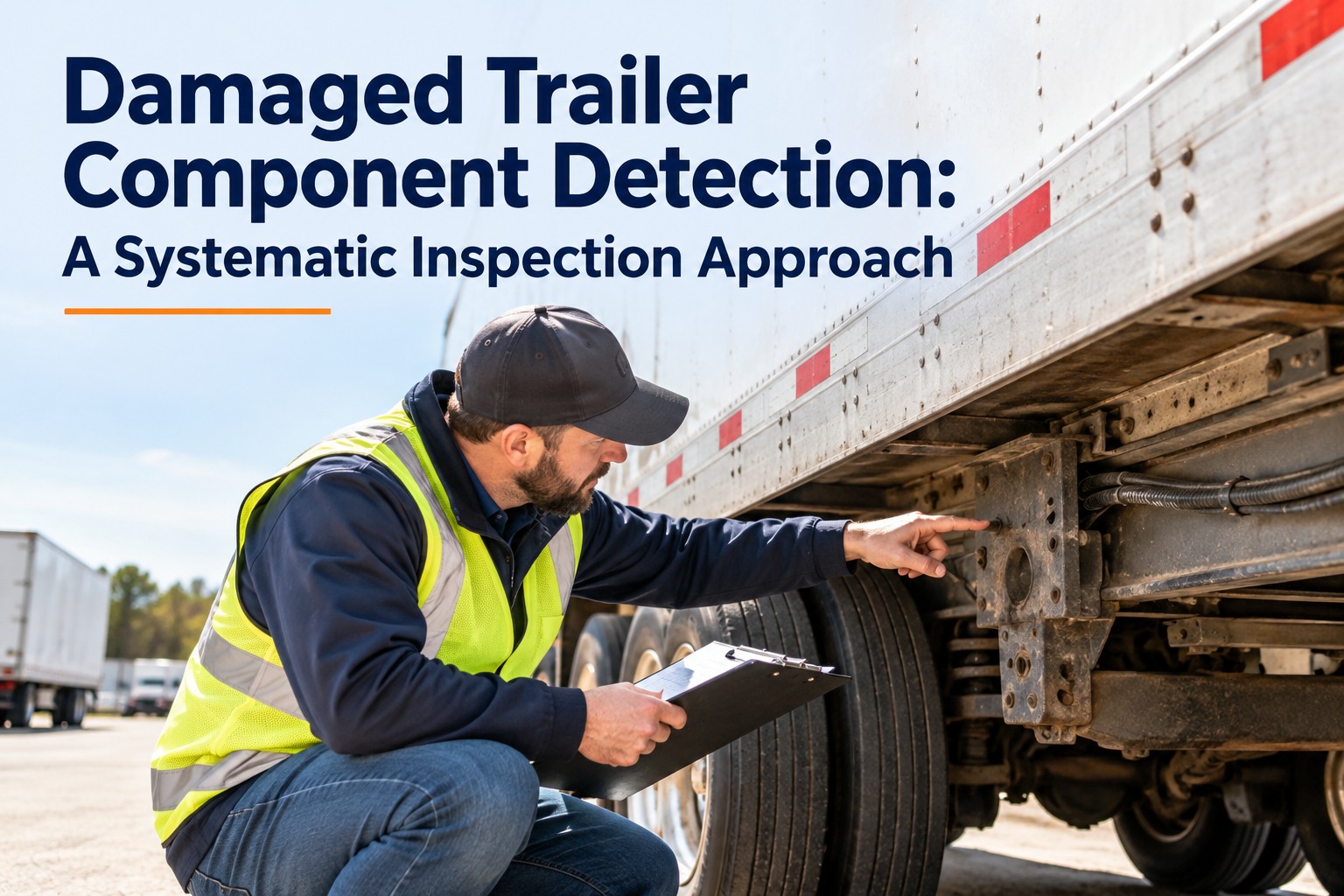
The frame is the one part you can't bolt a replacement onto. A crack caught as a hairline is a weld; caught late, it's a scrapped trailer or a tow off the shoulder — because a cracked frame can't legally be driven to the shop. This checklist walks the rails, crossmembers, welds and corrosion zone by zone, and shows how Truck Inspection & Maintenance Management Software photo-pins each finding so you can watch a crack instead of discovering it. Start free and inspect every frame against the same hot spots.
A frame crack starts as a hairline under paint at a spot you rarely look, and grows every mile until the rail lets go. Our software runs the structural inspection as a guided form: you check the known hot spots, photo-pin any crack to its exact location, and the finding becomes a work order or a tracked item — so you can see whether a hairline is moving before it moves on you.
Out of serviceA cracked frame can't be driven to the shop.Under §393.201 and §393.207(b), a frame that is cracked, loose, sagging or broken is an immediate out-of-service condition — the trailer is towed, not driven.
OOSeligible at roadside
8severity weight (of 10)
~20%of CVSA Level I failures are structural
Three Ways a Frame Fails
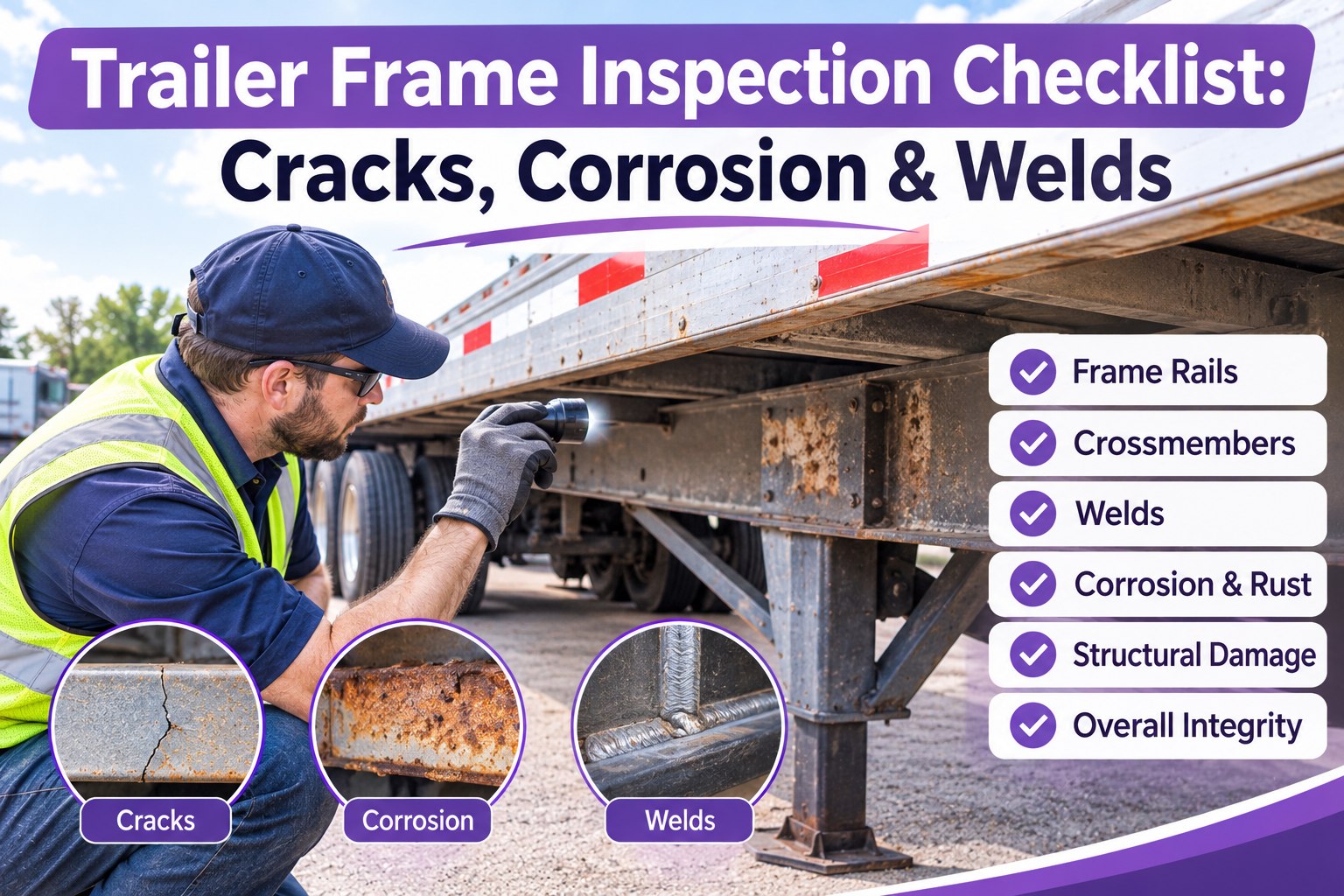
The title names all three, and a real inspection looks for each separately — they hide in different places and mean different things.
✦CracksFatigue hairlines that begin at a stress riser and grow with every load cycle — under paint, easy to miss.
◆CorrosionRust that moves from cosmetic to structural once it scales, perforates or thins the rail from the inside.
⊿WeldsOriginal or repair joints that crack at the toe, show porosity, or rust from a defect inside the joint.
Where Cracks Start
Frame cracks don't appear at random — roughly nine in ten begin at a stress concentration. Check these five first, every time, and you've covered where almost all of them show up.
1Suspension & spring hangersThe busiest stress point — cracks radiate from the mounting holes and along the rail flange right behind the hanger.
2Crossmember-to-rail jointsWhere a rung meets the rail. Look for fish-mouth or diamond-shaped cracks off the rivets.
3Rear crossmemberFlex behind the axles gathers here, along with underride-bumper mount loads.
4Kingpin / upper couplerThe highest-consequence weld on the trailer — inspect the plate and its mounting welds for cracks.
5Fastener & bolt holesAny hole in a high-stress area is a crack starter, especially aftermarket brackets added to the flange.
A proper inspection targets these intersections, not the flat center of the rail — that's where the stress, and the fractures, concentrate. Book a demo to see a frame-specific template.
The Trailer Frame Inspection Checklist
Six zones, walked in order after a wash so the metal is actually visible. Tick each item; photo-pin anything you flag to its exact spot on the rail.
Walk the hot spots on the phone, photo-pin each finding, and keep the frame's history on one record — so a growing crack shows up at the next check, not at the roadside.
A frame weld is structural work, not a quick patch. Getting it wrong transfers stress elsewhere and starts the next crack.
The RuleFrame repairs follow the manufacturer, not the handiest welder
⊘Unapproved welds, extra drilled holes or a torch-cut rail void the engineering and are an out-of-service violation under §393.201.
⊘Structural welds must follow OEM procedure and be inspected before the trailer returns to service — leave them to a qualified welder.
Track a Crack Before It Grows
A hairline isn't automatically a park-it crack — but you only know if it's moving if you can compare it to last time. That's what pinning it to a record does.
1InspectWalk the six zones on a guided structural form.
2Photo-pinMark the crack's exact spot with a photo and note.
3Grade itMonitor, work order, or out-of-service hold.
4CompareNext check reads the same crack against the last photo.
Holding one structural standard across a yard of trailers is where paper falls apart. Software keeps the same hot spots checked the same way on every unit.
Photo-pinned cracksEach finding fixed to its exact spot on the rail.
Propagation trackingCompare a crack to its last photo to see movement.
Frame-specific templateEvery tech checks the same five hot spots.
Out-of-service holdA confirmed cracked frame is held from dispatch.
Per-trailer historyStructural findings on one record over the years.
Annual readiness§396.17 structural evidence kept and retrievable.
1Can a trailer with a cracked frame be driven to the shop?
No. Under §393.201 and §393.207(b), a cracked, loose, sagging or broken frame is an immediate out-of-service condition — the trailer has to be towed, not driven. Book a demo to see out-of-service holds.
2Where do frame cracks usually start?
At stress risers — suspension and spring hangers first, then crossmember-to-rail joints, the rear crossmember, the kingpin mount, and any fastener hole in a loaded area. Book a demo to see the hot-spot template.
3Is rust on the frame a violation?
Surface rust on sound metal generally isn't. Scaling that thins the rail, rust-through, or perforation of a structural member is — it's a §396.3 / §393.201 concern. Book a demo to grade corrosion with photos.
4How often should I do a detailed frame inspection?
A driver walkaround each trip, a detailed structural check with PM B/C — quarterly for high-vibration vocational trailers — and the §396.17 annual. Clean the frame first so the metal is visible. Book a demo to set the cadence.
Rails · Crossmembers · Welds · Corrosion
Inspect the Frame Before the Roadside Does
Truck Inspection & Maintenance Management Software checks the same structural hot spots on every trailer, photo-pins each crack, and tracks it over time — so the frame is proven, not assumed.