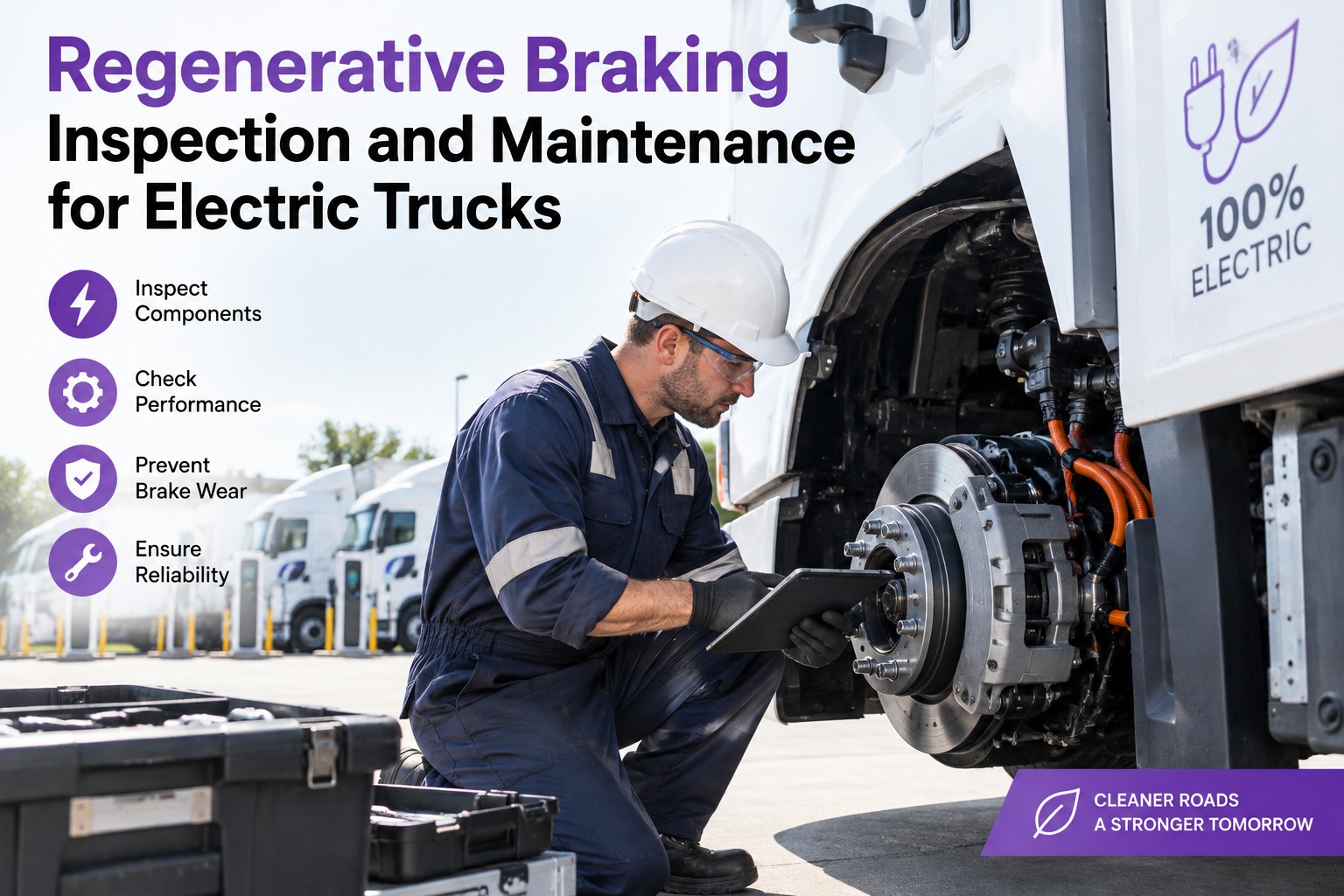
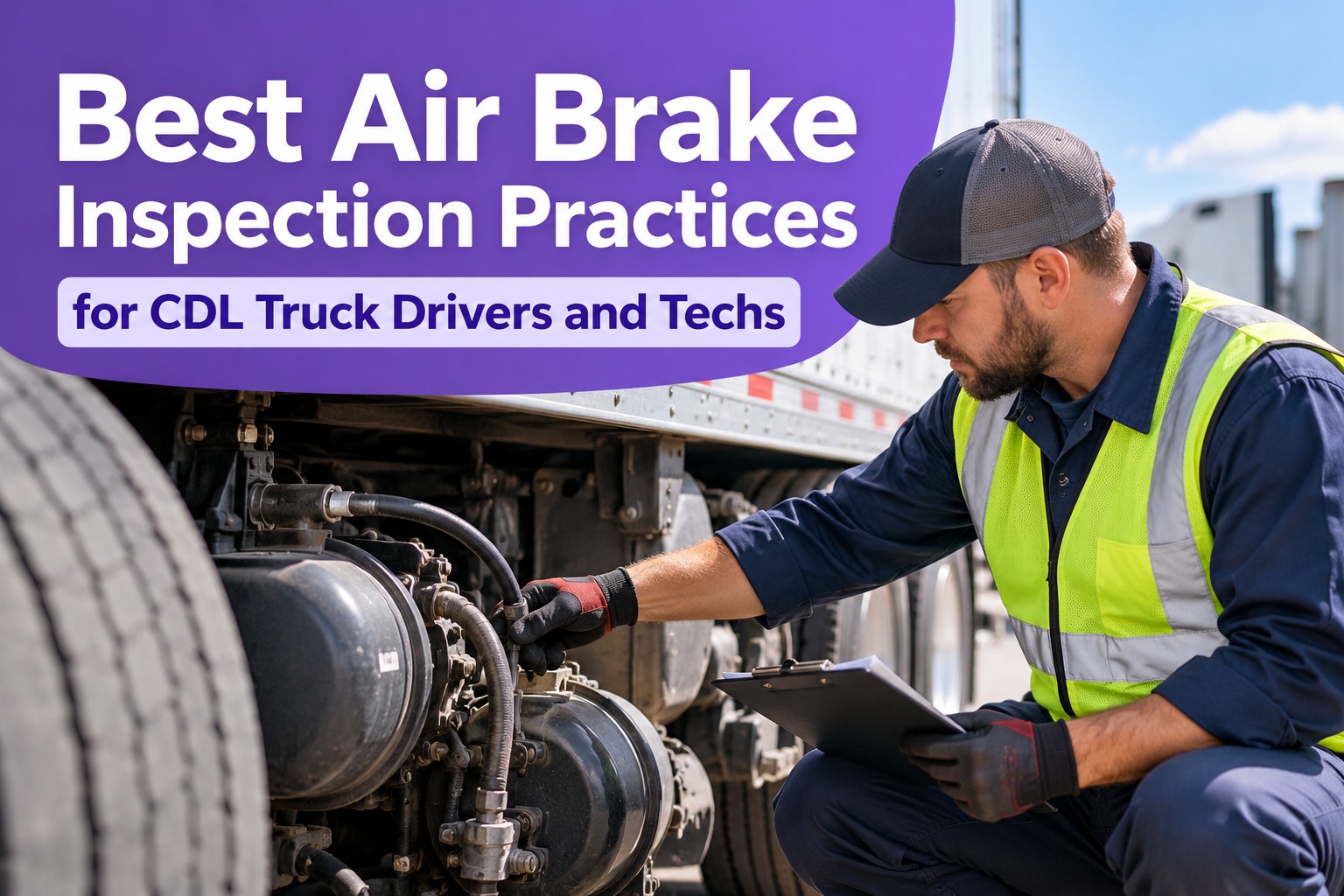
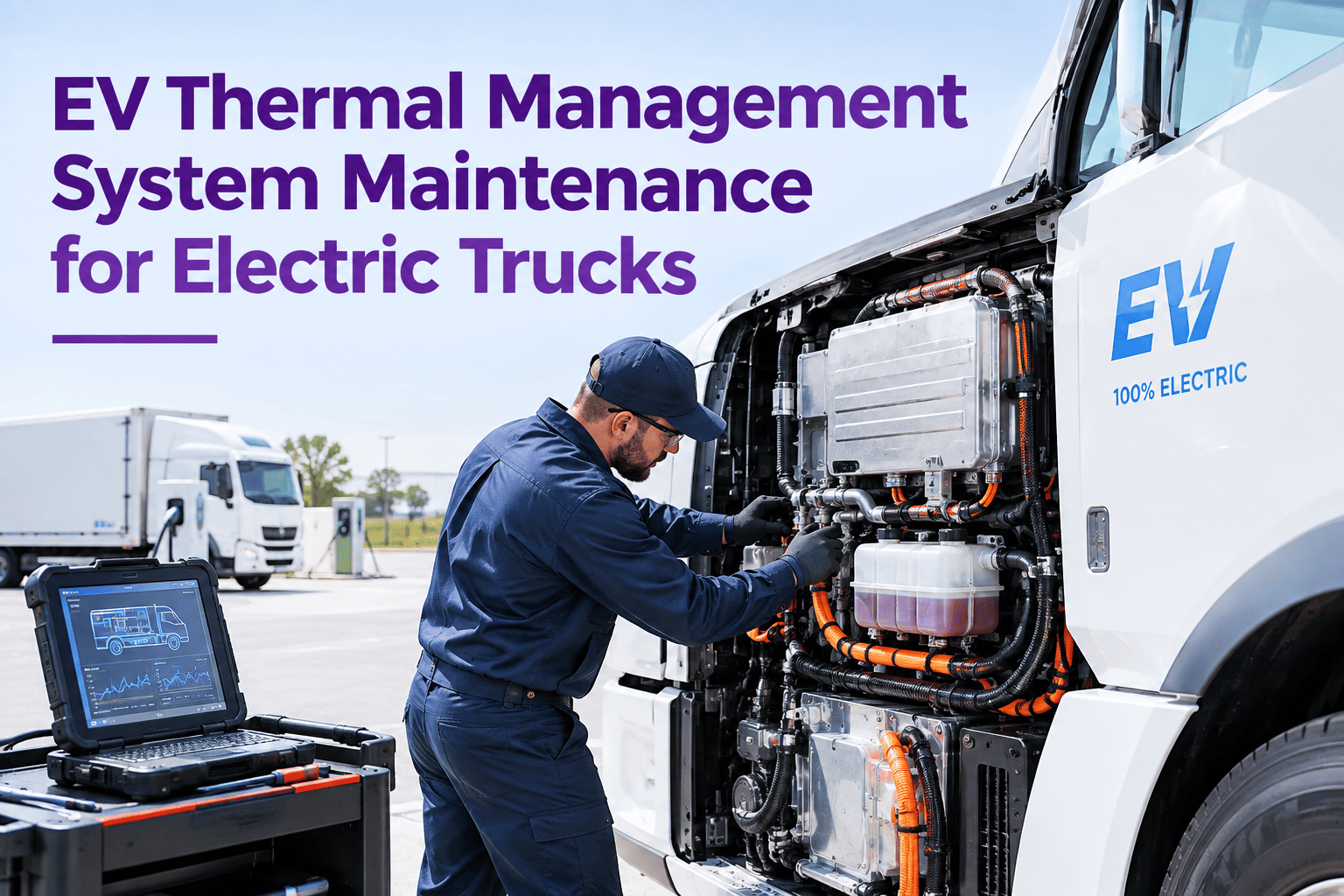
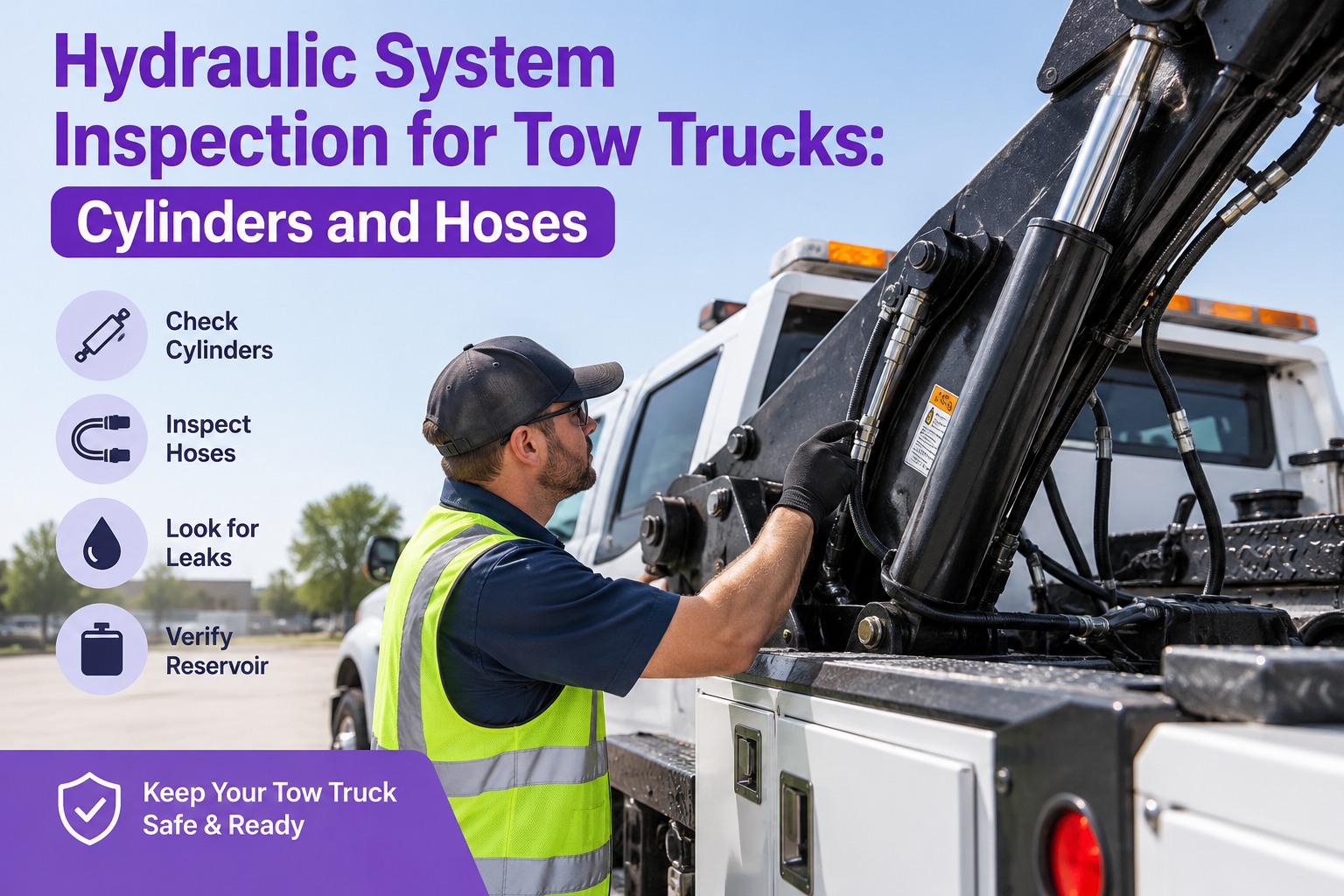
An electric truck's brake pads can look nearly untouched at 40,000 miles — and that's exactly the problem. Regenerative braking does most of the slowing down electronically, which means the friction brakes barely engage, rarely get hot, and rarely scrub themselves clean. The pads aren't wearing out. The rotors are quietly rusting instead, and a corrosion-seized caliper doesn't wait for a mileage interval to fail. Start free and inspect EV brakes on the schedule corrosion actually follows.
Regenerative Braking · Corrosion, Not Wear, Is the Threat
Low Pad Wear Isn't the Same Thing as a Healthy Brake
Regen braking changes what "needs inspecting" on an electric truck — pads that barely wear can still hide a rusted rotor or a seized caliper underneath. Truck Inspection & Maintenance Management Software runs EV brake inspections on a time- and corrosion-based interval instead of a mileage or pad-thickness trigger, so the checkpoint that actually predicts an EV brake failure gets checked before it becomes a roadside call.
Time-Basedinspections triggered by calendar, not just miles
Rear-Focusedthe axle regen protects least from wear
Fluid-Trackedbrake fluid change interval never quietly skipped
How Regen Braking Changes What "Normal Wear" Looks Like
Most electric trucks use blended braking — the motor's regenerative resistance handles the bulk of everyday slowing, and the friction brakes only step in for hard stops or the last few mph before a full stop. That's efficient for range, but it means the rear brakes especially can go long stretches without ever generating real heat. Heat is what normally scrubs a rotor's surface clean and dries out moisture. Take that away, and the brake isn't wearing less — it's corroding more.
Traditional Friction Braking
Frequent heat cyclesRotor scrubbed clean on nearly every stop
Predictable wearPad thickness tracks mileage reliably
Moisture burns offRegular heat prevents rust from setting in
Regen-Blended Braking
Rare heat cyclesRegen absorbs most stops before pads engage
Deceptive pad wearThickness looks fine while rotors corrode
Moisture lingersRust and contaminants build up undisturbed
What to Actually Inspect on a Regen-Equipped Brake System
Pad thickness is still worth checking, but it's no longer the checkpoint that predicts failure on a regen-heavy truck. These four are.
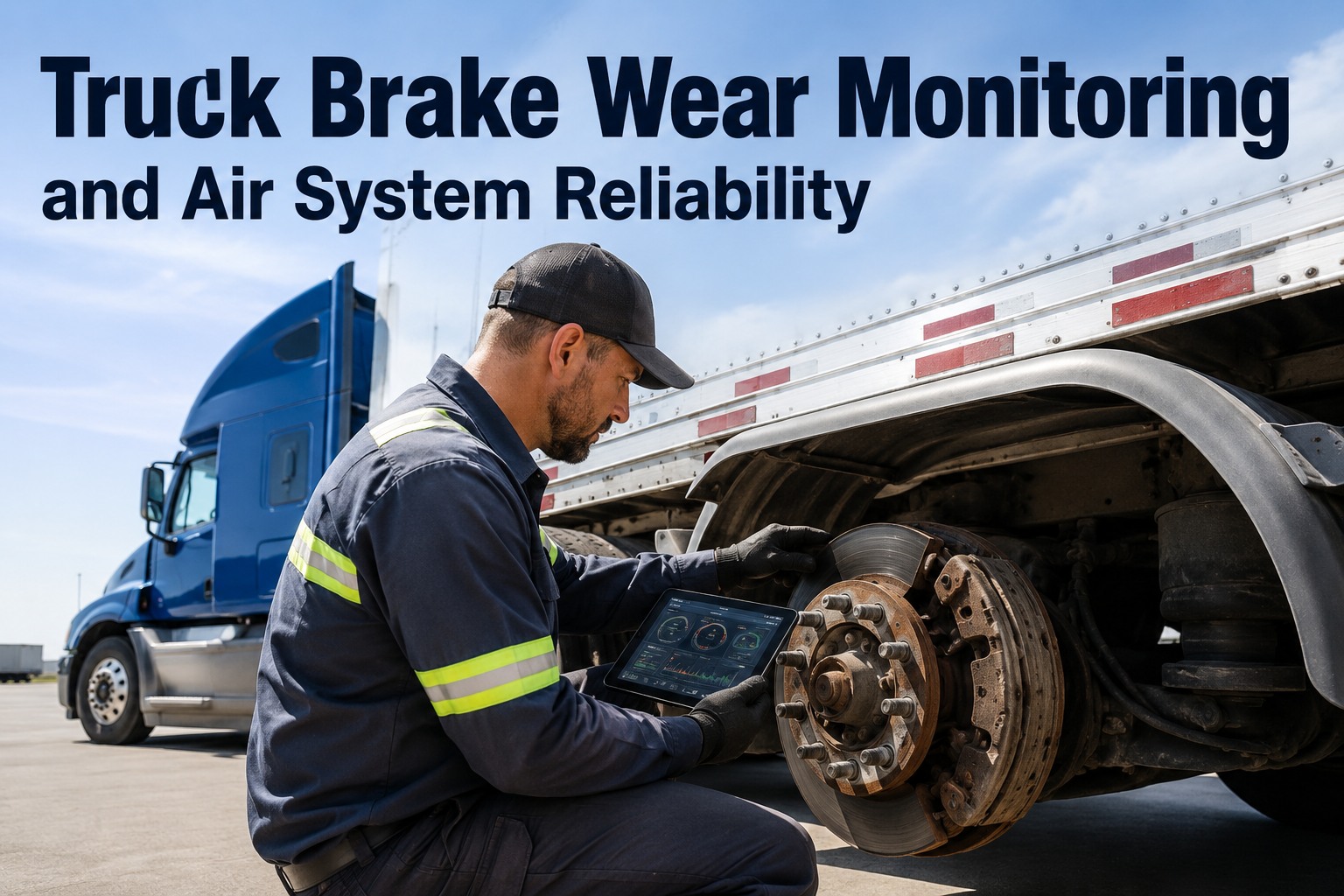
1Rotor Surface RustSurface rust that hasn't been scrubbed off by regular heat and friction — look for pitting, not just discoloration
2Caliper Freedom of MovementA caliper that's sat idle can begin to seize on its slide pins from corrosion, even with plenty of pad left
3Brake Fluid ConditionFluid absorbs moisture from the air over time regardless of mileage — low usage doesn't slow this down
4Pad-to-Backing AdhesionCorrosion on a backing plate can weaken the bond holding friction material in place, independent of pad thickness
Why the rear axle needs extra attention On most electric trucks, regenerative braking recovers energy primarily through the drive axle during normal driving, leaving the opposite axle's friction brakes to handle only hard stops and low-speed finishing. That axle sees dramatically less heat and is where corrosion, glazing, and seized components show up first — and most consistently.
Don't Let the Brake Fluid Interval Quietly Disappear
Brake fluid absorbs moisture from the atmosphere whether the truck drives 100 miles a year or 100,000 — mileage has nothing to do with it. On a conventional truck, a fluid change often rides along with other brake service triggered by pad wear. On a regen-heavy EV, that natural trigger may never come, and the fluid interval is the one most likely to get quietly skipped simply because nothing else prompted a look under the hood.
Building the Right Inspection Cadence
Calendar trigger, not just mileageA corrosion-prone component needs a time-based check even on a low-mileage truck
Rear axle gets its own checkpointCalled out separately from the front, since it wears — and corrodes — on a different curve
Fluid interval tracked independentlyNever bundled only with pad-wear-triggered service
Occasional hard-brake reminderA deliberate firm stop now and then keeps friction brakes from sitting completely idle
Inspect for Corrosion, Not Just Wear
Our Truck Inspection & Maintenance Management Software runs EV-specific brake checkpoints on a calendar-based interval, flags the rear axle separately, and tracks brake fluid condition independently of pad thickness — so a truck with plenty of pad left doesn't roll out with a rusted rotor or a seizing caliper underneath.
Frequently Asked Questions
Does regenerative braking mean an electric truck's brakes need less maintenance overall?
Is it true that drivers should occasionally brake hard on purpose?
It's a commonly recommended habit — an occasional firm stop engages the friction brakes fully, generating enough heat to help scrub light surface rust off the rotor before it develops further. It's a simple, low-cost way to counteract the corrosion risk that comes from regen handling most everyday stops.
How is brake fluid affected differently on an EV than a conventional truck?
Brake fluid absorbs moisture from the air over time regardless of how the truck is driven, so the degradation clock runs the same on an EV as on a diesel truck. The difference is that a conventional truck's other brake service often triggers a fluid check along the way — an EV with light friction-brake use may not get that same natural prompt.
Which axle typically shows corrosion first on a regen-equipped truck?
It depends on the drivetrain layout, but the axle that regen relies on least for everyday deceleration is generally the one that sees the least heat — and heat is what keeps rust from building up. Checking the manufacturer's regen configuration is the first step in knowing which axle deserves the closer look.
Contact us to map your fleet's regen configuration to an inspection plan.
Regen-Aware Brake Inspections — Built for Corrosion, Not Just Wear
Give Your Electric Fleet the Inspection Its Brakes Actually Need
Our Truck Inspection & Maintenance Management Software runs EV brake checkpoints on a calendar-based schedule, flags the low-heat axle separately, and tracks brake fluid condition on its own trigger — so a low pad-wear reading never hides a rusted rotor or a seizing caliper.
No credit card required. Free for up to 3 trucks.