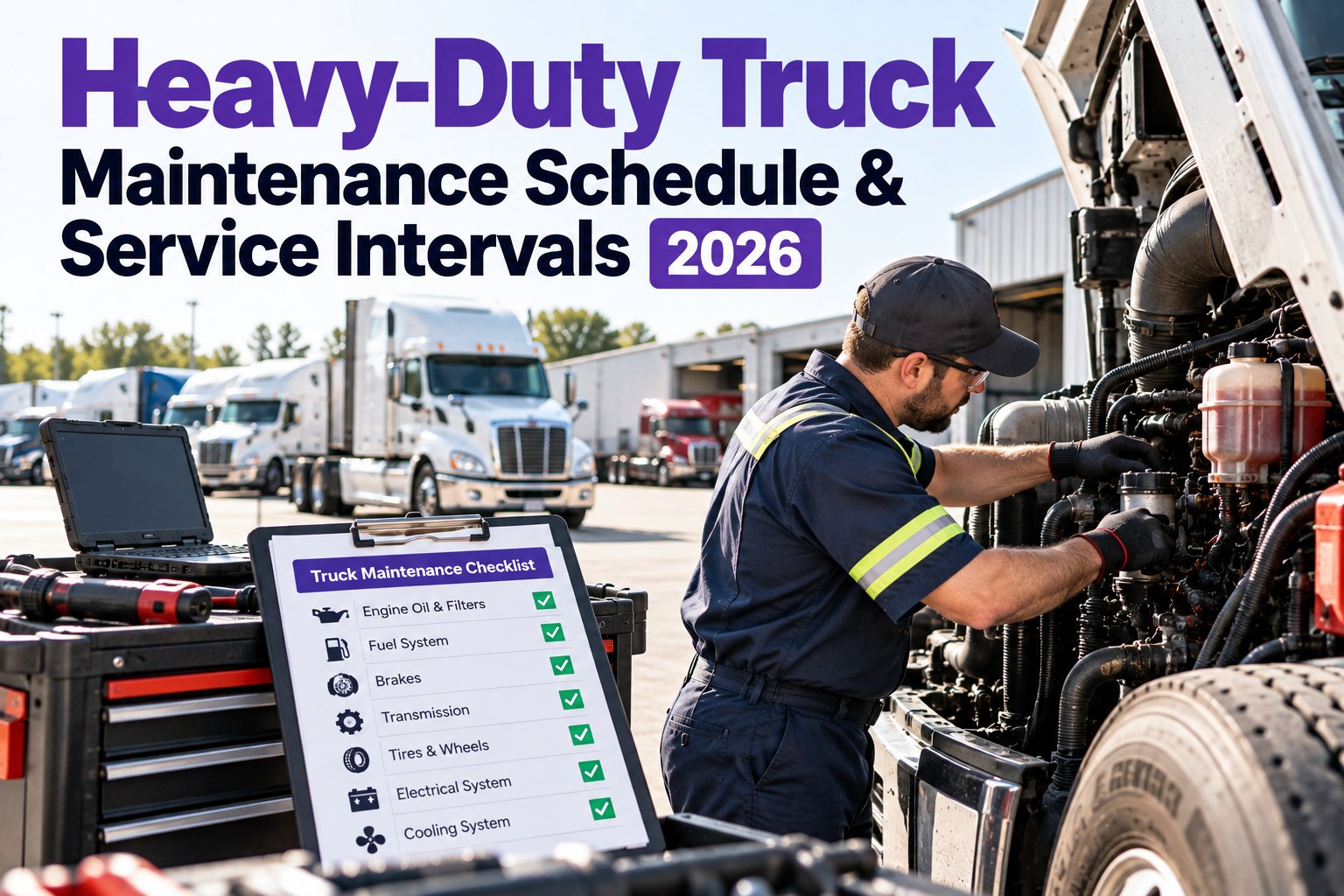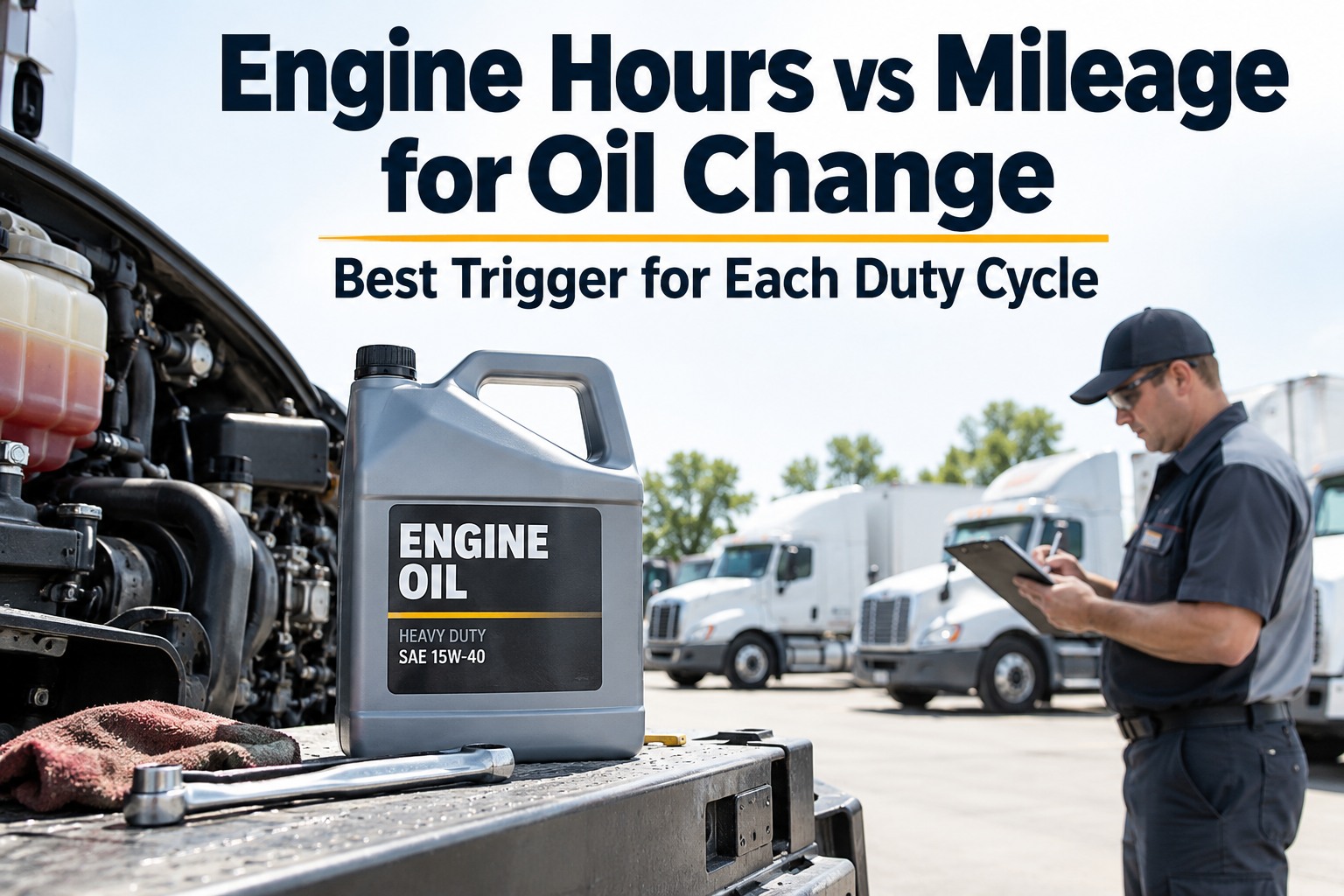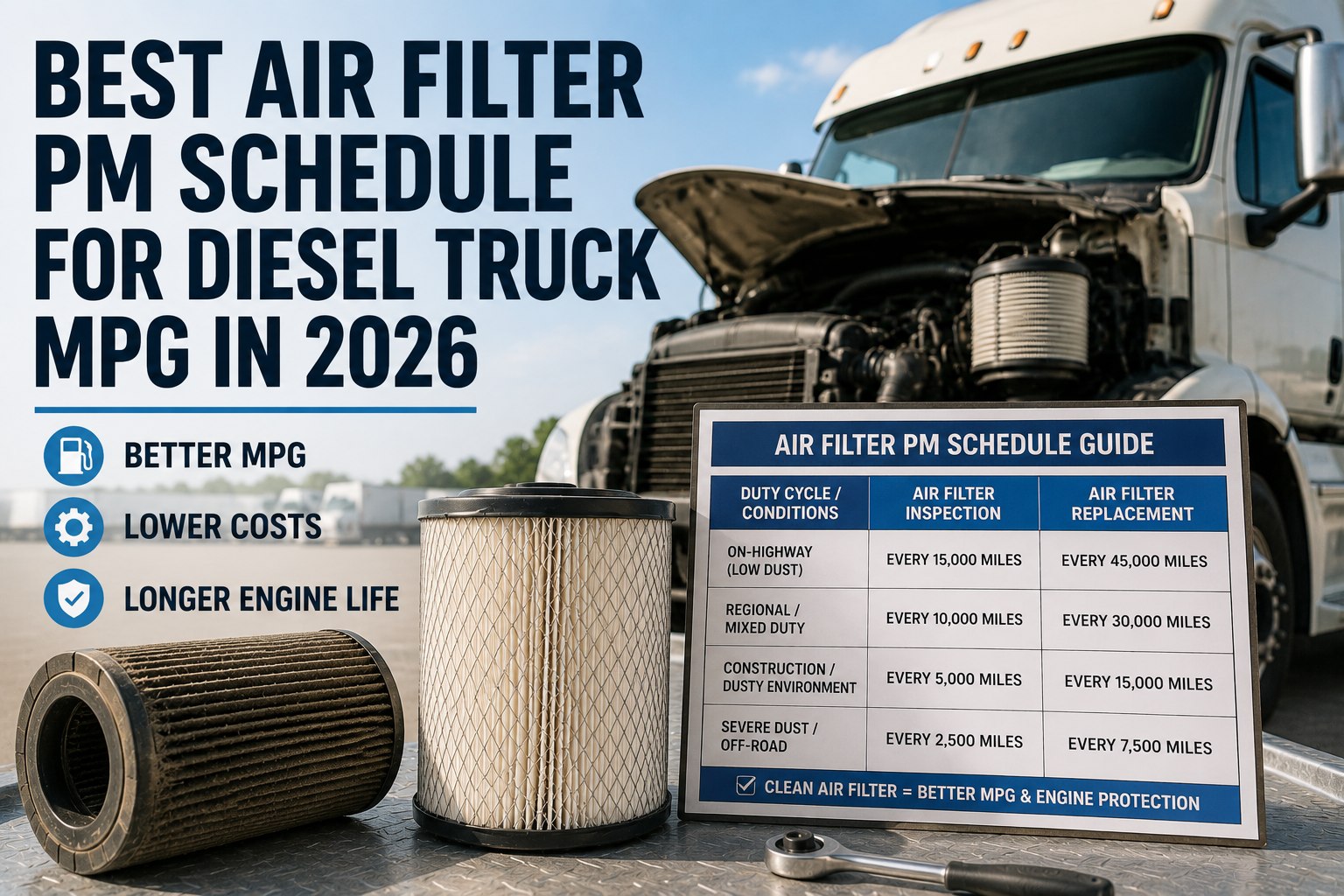
Choosing the wrong engine oil for a diesel truck can turn a $12,000 top-end refresh into a $45,000 in-frame overhaul — and void the OEM warranty that would have covered both. That's not a hypothetical; it's what happens when a fleet operator pours a modern low-viscosity FA-4 oil into an older engine designed for the thicker CK-4 oil film. And with over 3.5 million heavy-duty diesel trucks operating in North America, every major engine OEM (Cummins, Detroit Diesel, Mack/Volvo, PACCAR) now factory-filling with 10W-30 rather than the legacy 15W-40 standard, and the API classification system dividing modern oils into two non-interchangeable performance categories, the oil-selection conversation has shifted dramatically in the last five years. The numbers on the oil jug — 15W-40, 10W-30, 5W-40, CK-4, FA-4, HTHS ratings, SAPS levels — aren't mechanic trivia anymore; they're financial and compliance decisions that repeat every 25,000 miles across every truck in the fleet. Get the viscosity right for your climate and duty cycle, get the API category right for your engine model year, and get the OEM approval right for warranty compliance — and you'll extend engine life, protect the DPF and SCR aftertreatment ($5,000+ if you poison it with the wrong SAPS oil), and often pick up 0.5–1.5% fuel economy along the way. Get any of them wrong and the cost accrues quietly across every mile until the engine tells you at 400,000 miles instead of 800,000. This guide decodes exactly what the numbers on the oil jug mean — how to read viscosity grades, the API CK-4 vs FA-4 classification that determines warranty compatibility, the climate and duty-cycle factors that push you to one grade over another, OEM-specific specs (Cummins CES, Detroit DFS, Volvo VDS, Mack EOS), the conventional vs synthetic-blend vs full-synthetic tiers, and how Truck Inspection & Maintenance software tracks oil spec per truck so no one accidentally puts FA-4 into a pre-2017 engine. Ready to make oil selection a documented spec instead of a warranty gamble? Start a free trial of Truck Inspection & Maintenance, or contact our support team for a walkthrough.
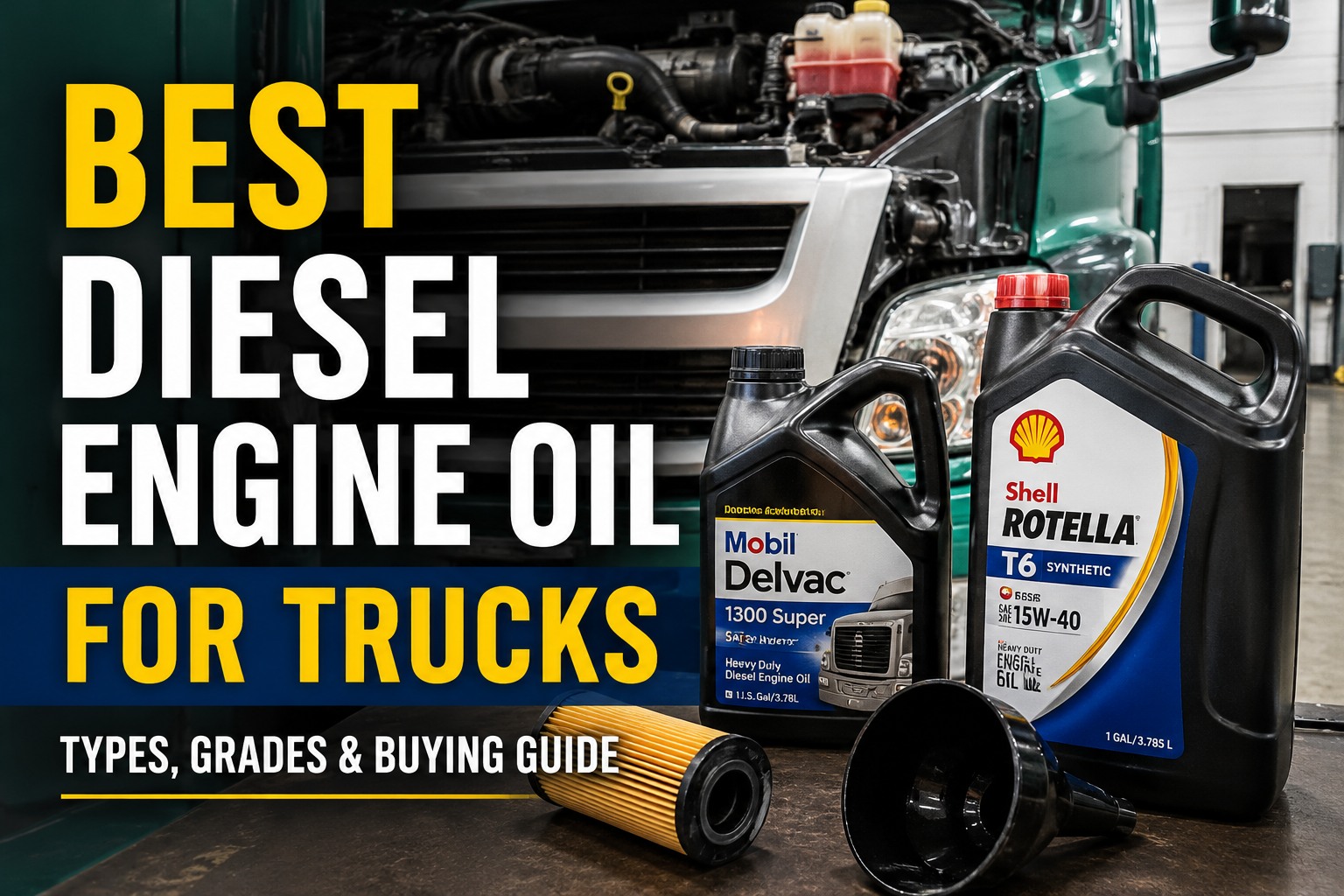
Best Diesel Engine Oil for Trucks: Types, Grades & Buying Guide
Two API categories. Four common viscosities. Three base-oil tiers. One correct answer per truck. Here's how to spec the right oil for your engine, climate, and duty cycle.
How to Read a Viscosity Grade — The Numbers Decoded
Every diesel oil label starts with a viscosity code like 15W-40. Those numbers describe how the oil flows at cold-start and at operating temperature. Understanding both halves of the code is the foundation of every oil-selection decision.
API Classification — CK-4 vs FA-4 — Non-Negotiable Compatibility
The American Petroleum Institute classification on every heavy-duty oil label determines warranty compatibility, emissions system protection, and engine model-year suitability. Miss this and you can void warranties or cause catastrophic engine damage.
The 4 Common Viscosity Grades — Which Fits Your Truck
Four viscosity grades dominate the North American heavy-duty diesel market. Each has an optimal use case; matching the grade to the truck's climate, engine year, and duty cycle is the core skill of oil selection.
Climate & Duty Cycle Selector
Beyond API category and viscosity, the truck's operating conditions dictate which oil actually performs. Match the climate and duty cycle to the right grade and you optimize both protection and cost.
Track oil spec per truck — never mix FA-4 into a CK-4 engine again
Engine model-year and OEM spec logged per unit. Oil spec locked to truck: CK-4 vs FA-4, viscosity grade, brand and part number. Oil change interval alerts. Warranty compliance documentation. Truck Inspection & Maintenance software makes oil selection a spec, not a memory-based decision at the shop.
OEM-Specific Approvals — Beyond API
API classification is the minimum standard. Every major engine OEM adds its own approval specification that goes beyond API testing. Ignoring the OEM spec voids warranties even if you use the "right" API category.
Conventional vs Synthetic-Blend vs Full Synthetic
Beyond API and viscosity, oil base type affects performance, drain interval, and cost per mile. Three tiers exist — and the right choice depends more on drain interval and duty cycle than on premium branding.
Frequently Asked Questions
It depends on climate, engine year, and duty cycle. 15W-40 is the workhorse grade — superior film strength under heavy load, excellent high-temperature protection, cost-effective, universally available. Best for warm climates (consistently above 20°F), heavy-haul/logging/off-road applications where sustained heavy load generates extreme heat, older pre-2010 engines, and mixed fleets on tight budgets. 10W-30 is the modern OEM factory-fill standard — Cummins, Detroit, Mack/Volvo, and PACCAR now ship trucks with 10W-30 from the factory. Better cold-flow properties reduce startup wear, delivers a modest fuel economy gain (typically 0.5-1.5% vs 15W-40), and is OEM-approved for most current heavy-duty engines. Best for post-2010 highway trucks, mixed-climate operations, and fleets targeting fuel economy. Neither is "better" universally — match the grade to the truck. Truck Inspection & Maintenance software logs oil spec per truck to prevent grade mismatches.
Both categories were introduced in 2016 for modern diesel engines, but they serve fundamentally different goals. API CK-4 is the universal current standard — enhanced oxidation stability, shear resistance, and wear protection versus its predecessor CJ-4, backward-compatible with all previous diesel categories (CJ-4, CI-4+, CI-4, CH-4, CG-4, CF-4), and available in 5W-30, 10W-30, 15W-40, and 20W-50 grades. CK-4 has an HTHS (High-Temperature High-Shear) viscosity of ≥ 3.5 mPa·s. API FA-4 is a specialized low-viscosity category designed exclusively for fuel economy — HTHS ≤ 3.5 mPa·s, typically only in 10W-30 or 5W-30 grades, and NOT backward-compatible. Using FA-4 in an engine designed for CK-4 causes accelerated bearing wear, scuffing, and potential catastrophic failure because older engines have looser bearing clearances that rely on the thicker CK-4 oil film. When in doubt, use CK-4 — it works everywhere. Only use FA-4 on 2017+ engines with explicit OEM approval.
In most cases, yes — provided the oil meets your engine's required performance specification (typically CK-4 or CES 20086 for Cummins, DFS 93K222 for Detroit, VDS-4.5 for Volvo). Almost every major heavy-duty engine manufacturer (Cummins, Detroit, Mack/Volvo, PACCAR) approves 10W-30 for their current and recent (post-2010) engine platforms — many new trucks leave the factory filled with 10W-30 rather than 15W-40. Switching won't void the warranty as long as the oil carries the required OEM approval. Advantages of switching: better cold-start flow (less wear at morning startup), modest fuel economy gain (0.5-1.5% typical), and easier pumping efficiency. Verify the OEM spec first — check the owner's manual for approved viscosity grades — and always retain purchase receipts as proof of compliance.
Cold-weather diesel operation demands lower "W" (winter) numbers for adequate cold-start flow. Below 20°F regular exposure: use 5W-40 CK-4 full synthetic — flows at -30°F, thick 40-weight film at operating temperature. Extreme cold below 0°F: consider 0W-40 or 0W-30 synthetic — flows at -40°F. Full synthetic base oil is strongly recommended for cold climates because it maintains consistent cold-flow performance across temperature cycles and doesn't thicken as dramatically at extreme low temperatures. Avoid 15W-40 in cold climates — the 15W cold-flow rating (down to only -20°F) causes significantly higher startup wear on cold mornings because the oil is too thick to pump quickly to critical bearing surfaces. The cost premium of synthetic 5W-40 versus conventional 15W-40 is paid back multiple times over in reduced cold-start engine wear. Contact our team to see how the software matches oil spec to climate zone per truck.
Yes, to a meaningful degree. API CK-4 is a minimum standard — every CK-4 oil passes the same baseline tests. But premium brands (Shell Rotella, Chevron Delo, Mobil Delvac, Valvoline Premium Blue, AMSOIL Heavy-Duty) exceed those minimums significantly on additive package quality, oxidation resistance, shear stability, and cold-flow performance. Third-party testing shows premium brands can deliver 30-35% less valve train wear than industry standards. Additionally, OEM-specific approvals matter beyond API — Cummins CES 20086, Detroit DFS 93K222, Volvo VDS-4.5, and Mack EOS-4.5 add manufacturer-specific validation that goes well beyond API testing. For warranty compliance and premium engine protection, choose oils that carry both the API CK-4 rating AND the specific OEM approval for your engine platform. The cost premium of a premium CK-4 oil ($20-30 per oil change) is trivial compared to the risk of engine damage on a $50,000+ engine.
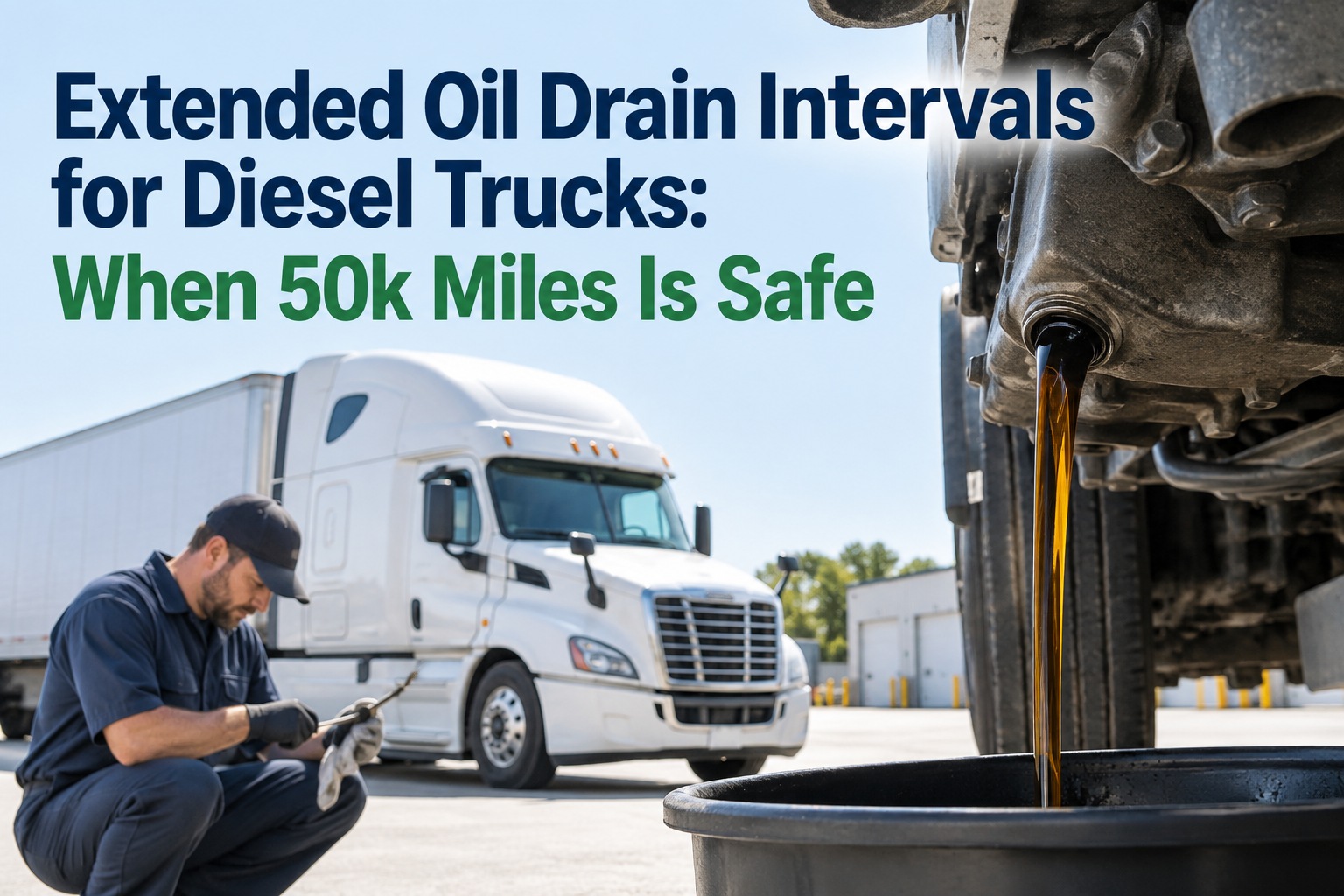
Drain intervals depend on oil type, duty cycle, and used-oil analysis results. Conventional 15W-40: 15,000-25,000 miles typical, or per OEM interval. Synthetic blend CK-4: 25,000-30,000 miles typical, extended with oil analysis validation. Full synthetic CK-4/FA-4: 35,000-50,000 miles possible with regular oil analysis, or per OEM extended-drain interval. Severe duty (heavy haul, high idle, off-road, dusty environments) requires shortened intervals regardless of oil type — high idle causes fuel dilution and acidic sludge from cool operation, dusty environments contaminate oil faster, heavy haul accelerates soot loading. Best practice for fleet operators: implement a used-oil analysis program to track wear metals (iron, aluminum, chromium), oil condition (TBN, TAN, viscosity), and additive depletion. Analysis extends intervals safely by data rather than guesswork, and catches engine problems (coolant leaks, fuel dilution, bearing wear) before they become failures. Try free: sign up here.
Truck Inspection & Maintenance software turns oil selection into a documented spec, not a warranty gamble
Engine model-year and OEM spec logged per truck. Oil viscosity grade and API category (CK-4 vs FA-4) locked per unit. OEM approval requirement tracked (Cummins CES, Detroit DFS, Volvo VDS, Mack EOS, PACCAR MX). Oil change interval alerts by mileage AND time. Used-oil analysis results captured. Warranty compliance documentation. Every element of diesel engine oil management captured in one platform — because a $200 oil change with the wrong spec can cost a $45,000 engine overhaul and a voided warranty.