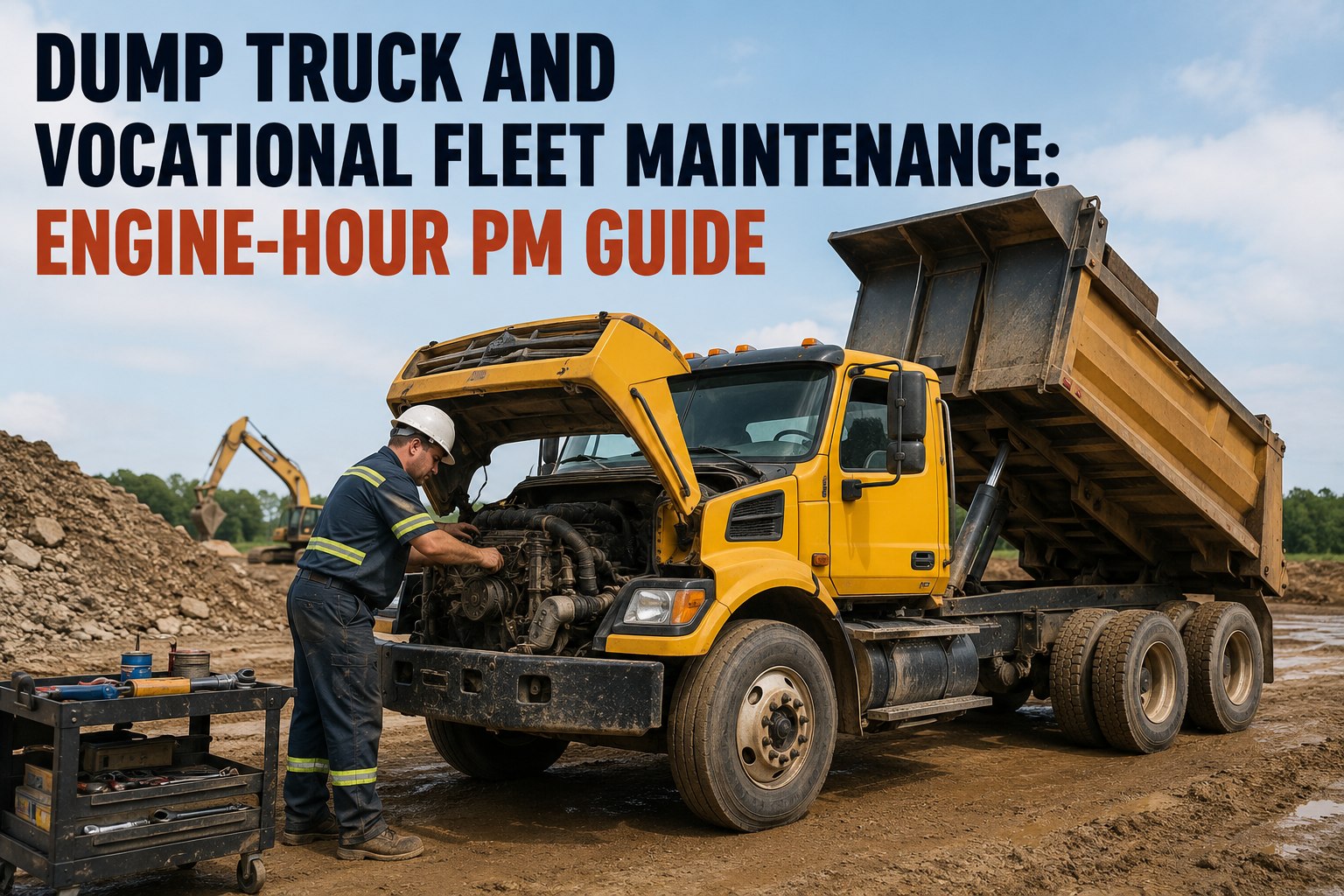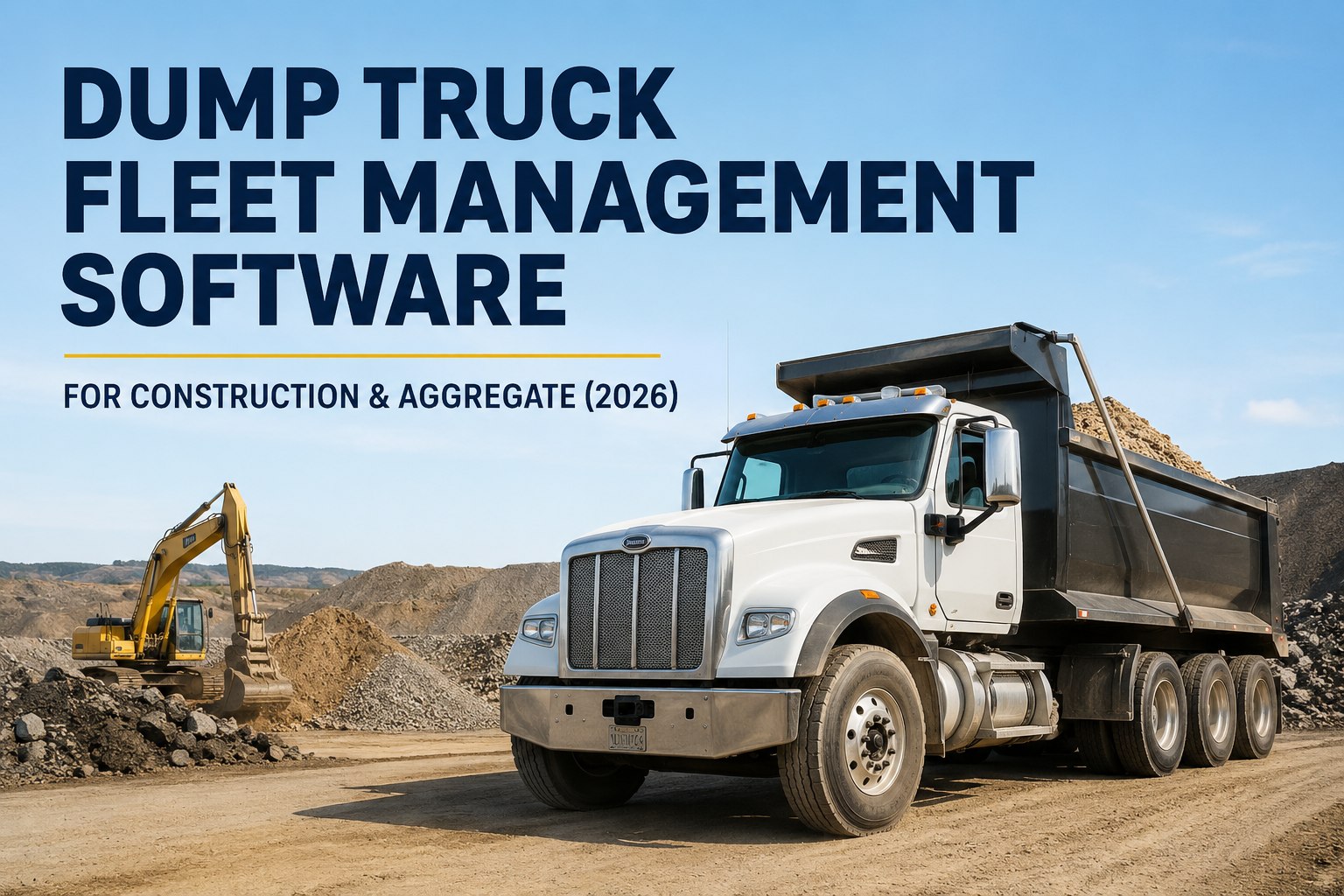
A dump truck sitting idle on a job site doesn't just miss loads — it burns $448–$760 per day in lost productivity. High maintenance costs affect 45% of dump truck fleet operators, and fuel expenses drive 40% of all operational decisions in heavy hauling. Whether you're running aggregate out of a quarry, moving earthwork on a highway project, or hauling demolition debris across a city, the margin lives in the details: payload per cycle, hydraulic uptime, tire lifespan, and DOT compliance. Truck Inspection & Maintenance gives construction and aggregate fleets a single platform to track every truck's maintenance history, inspection record, payload data, and driver performance — so you maximize cycles, minimize downtime, and stay audit-ready on any job site. Start free for up to 3 vehicles and see exactly where your hauling margins are leaking.
Run More Loads. Spend Less Per Ton. Stay Compliant.
Construction and aggregate fleets win on efficiency — here's what separates the profitable ones.
The 6 Biggest Profit Drains in Dump Truck Operations
Every haul has a cost-per-ton. These six factors quietly inflate that number on fleets running without structured tracking — and they compound across every truck, every shift, every contract:
Hydraulic System Failures
Missed PTO cycle tracking and skipped fluid intervals cause sudden lift failures mid-site. One hydraulic cylinder blowout can trigger emergency repair bills plus rental truck costs to meet contract deadlines. Start tracking PTO cycles free — catch failures before they happen.
Tire Destruction on Rough Terrain
Abrasive surfaces and debris accelerate tread wear. Without tread depth tracking and rotation scheduling, tires get replaced reactively — at 2–3x the cost of a planned rotation cycle.
Payload Overloading
Consistently exceeding payload limits cracks frames, blows tires prematurely, and triggers weigh station fines. Without load monitoring alerts, dispatchers can't catch overloading before trucks leave the site.
Untracked Idle Time
Queue time at quarries, waiting at job site gates, and extended engine-on breaks add up to thousands of idle hours per year. Every idle hour is diesel cost with zero tons moved.
Missed PM Intervals
Paper-based or spreadsheet maintenance programs let oil changes, filter replacements, and grease intervals slip. A missed PM on a dump truck leads to premature component failure on a platform that runs hard every shift. Set up automated PM alerts for your fleet in under 14 days.
DOT Compliance Gaps
Expired CDLs, missing DVIRs, and overdue annual inspections create out-of-service risk on every haul. A single OOS order on a job site doesn't just cost the fine — it delays the project and damages customer relationships.
What Dump Truck Fleet Software Actually Tracks
Not all fleet software is built for heavy hauling. Dump truck operations have specific needs — PTO cycles, body integrity, payload data, and rough-terrain tire wear — that generic platforms miss. Here's what Truck Inspection & Maintenance covers per asset:
Hydraulic System Tracking
Monitor PTO engagement cycles and pressure trends. Schedule fluid changes and seal replacements before failures — not after. Reduces hydraulic breakdowns by up to 42%.
Pre/Post-Trip DVIRs (eDVIR)
Digital inspections with photo evidence from the driver's phone. Defects auto-escalate to work orders. GPS-timestamped and FMCSA 2025-0115 compliant since March 2026.
Tire Pressure & Tread Tracking
Track tread depth per tire, flag underinflation, and optimize rotation schedules. Fleets report 35% longer tire lifespan with structured monitoring vs. reactive replacement.
PM Scheduling by Miles / Hours
Set service triggers by odometer, engine hours, or calendar date. Automated alerts fire 30/14/7 days before due — no missed oil changes, no expired annual inspections.
Payload & Load Monitoring
Dispatcher alerts when assigned weights approach legal or structural limits. Tracks cost per ton hauled across routes and contracts to identify which jobs are actually profitable. Sign up free to start monitoring payload per truck today.
Driver Performance Scoring
Monitor harsh braking, speeding, and idle time per driver. Safety scores surface coaching opportunities before incidents. Idle reduction alone can cut fuel spend 8–15%.
Truck Body & Bed Inspection
Digital templates mandate liner condition and weld integrity checks on every inspection cycle. Catches degradation before it becomes structural — saving $12K–$35K per bed replacement.
DOT Compliance Dashboard
CDL expiry alerts, medical card tracking, HOS compliance, and annual inspection due dates — all in one view. Produces audit-ready records within 48 hours of any FMCSA request. Talk to our team about getting your fleet DOT-ready.
Track every load, every lift, every mile — per truck.
Truck Inspection & Maintenance deploys in 14 days with zero disruption to daily hauling. No hardware. No contracts. Contact our team to plan your fleet rollout.
Cost Per Ton: The Number That Defines Hauling Profitability
Cost per ton hauled is the single most important metric in dump truck operations. It's where fuel, maintenance, payloads, and cycle time all collapse into one number. Here's what moves it — and by how much:
Construction vs. Aggregate Hauling — Different Operations, Same Platform
Dump truck fleets split into two distinct operational modes. Both need compliance and maintenance management — but their day-to-day priorities differ significantly:
Dump Truck Maintenance Schedule — What to Track and When
Dump trucks run harder than any other truck type. Manufacturer-recommended intervals exist — but heavy hauling on rough terrain accelerates wear beyond standard schedules. Track these by engine hours, not just calendar date:
Frequently Asked Questions
What makes dump truck fleet management different from standard trucking software?
Dump trucks have unique requirements not addressed by generic fleet platforms: PTO cycle tracking for hydraulic systems, truck body and bed liner inspection workflows, payload monitoring against structural and legal limits, and high-cycle tire wear management on rough terrain. Standard trucking software tracks location and HOS — dump truck management goes deeper into asset-specific wear and load data.
How does fleet software reduce dump truck downtime?
By converting reactive repairs into planned maintenance. When PTO cycles trigger proactive hydraulic fluid changes, and mileage-based alerts fire before oil intervals expire, failures happen in the shop on schedule — not mid-haul on a job site. Fleets using systematic PM tracking report 42% fewer hydraulic failures and 28% lower overall maintenance spend within the first operating year.
Can I track payload and cost per ton in the platform?
Yes. Truck Inspection & Maintenance logs load data per dispatch, calculates maintenance and fuel costs per vehicle, and surfaces cost-per-ton by route or contract. This tells you which jobs are profitable and which ones are quietly bleeding margin. Sign up free to start tracking your hauling economics today.
How does DOT compliance work for dump truck fleets?
Dump trucks operating on public roads are subject to full FMCSA requirements — DVIRs, annual inspections (49 CFR 396), HOS/ELD compliance, CDL and medical certificate tracking, and Drug & Alcohol Clearinghouse queries. The platform maintains all documentation in one audit-ready system, with automated alerts before anything expires.
How quickly can I deploy the platform across my fleet?
Most fleets are operational within 14 days. The platform requires no hardware installation — drivers use the mobile app for DVIRs and inspections. Existing vehicles are loaded with VIN, year, and service history, and PM schedules are configured to your intervals. The free trial covers up to 3 vehicles with no setup fee. Contact our team to plan a full fleet rollout.
What is the ROI on dump truck fleet management software?
Industry data shows fleet management software delivers an average 3.2× ROI within 18 months for most users, with maintenance cost reductions averaging 28% post-implementation. For a 10-truck dump fleet running 250 days a year, recovering just 15 minutes of idle time per truck per day saves over $18,000 annually in fuel alone — before any maintenance savings are counted.
Your hauling margin is hiding in the data.
Truck Inspection & Maintenance tracks hydraulics, payloads, tire wear, PM intervals, and DOT compliance per truck — so construction and aggregate fleets run more cycles, spend less per ton, and never get caught off-guard by an audit or a breakdown. Free for up to 3 vehicles.