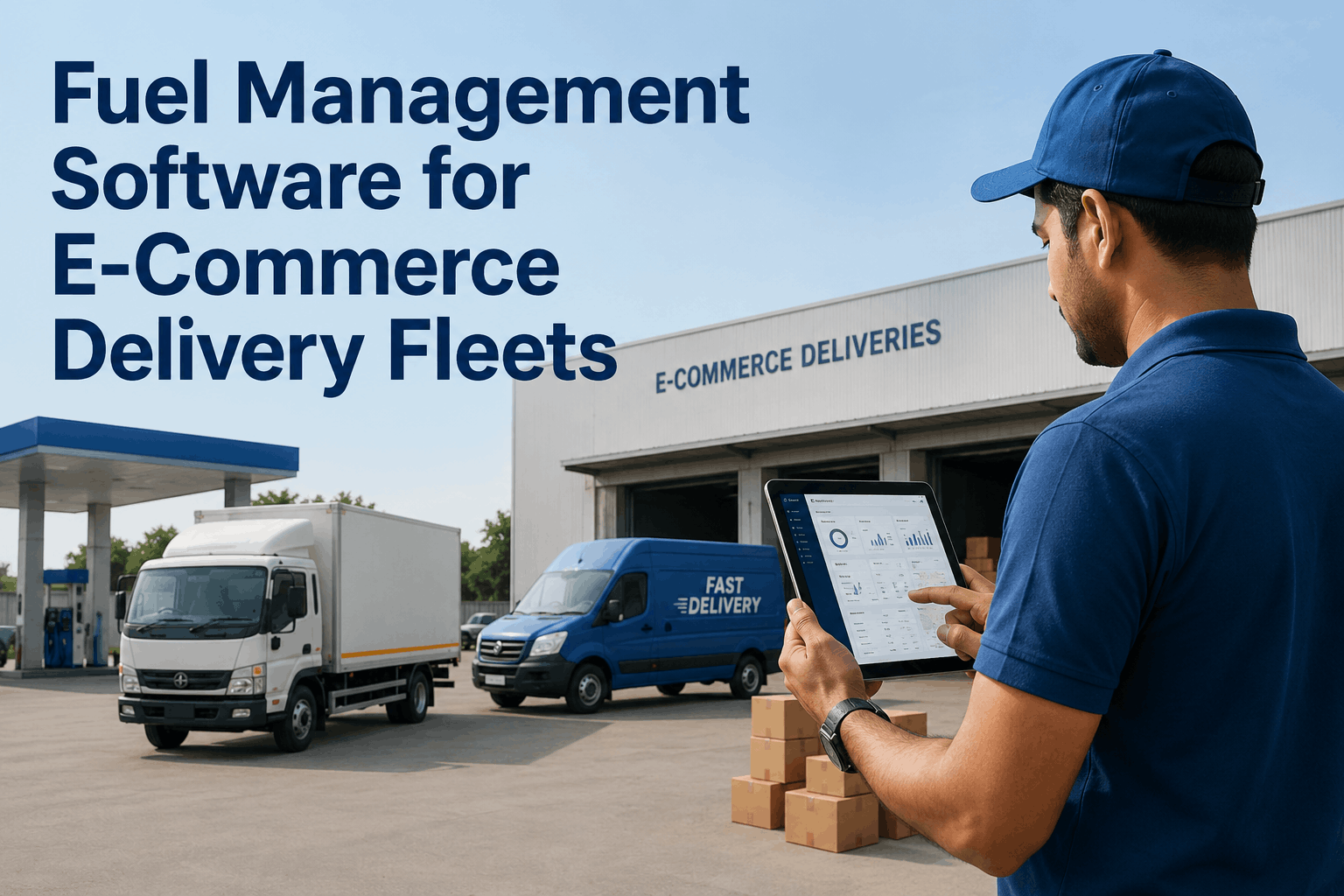
For an e-commerce delivery fleet, fuel isn't just a line item — it's one of your largest controllable costs and your biggest hidden leak. Last-mile operations burn fuel in the worst possible way: short hops, constant stop-start, idling at every doorstep, and dozens of stops crammed into dense urban routes. Fuel typically eats 30–40% of total fleet operating expense, and studies estimate 6–15% of that budget vanishes through theft, idling, route inefficiency, and waste before a single package gets delivered. The right fuel management software makes those losses visible and stops them — most fleets report 15–25% fuel-cost reductions with positive ROI inside 90 days. This guide breaks down where last-mile fuel disappears, the must-have features that actually cut cost, the pricing reality, and how to choose. Truck Inspection & Maintenance ties fuel-draining maintenance issues into the same system. Talk to our team for a tailored walkthrough.
Fuel Management Software for E-Commerce Delivery Fleets
Stop the last-mile fuel leak — features, pricing, and how to pick.
Where Last-Mile Fuel Disappears
You can't cut what you can't see. Before comparing platforms, understand the four leaks that drain a delivery fleet's fuel budget — they're different from over-the-road trucking, and they compound across hundreds of short, dense routes. Every package delivered hides a little waste; software's job is to surface it.
Idling
Every hour of idling burns roughly a gallon — and delivery vans idle constantly at stops, doorsteps, and in traffic. The fastest ROI lever in the fleet.
Theft & card fraud
Siphoning, buddy fueling, and card misuse quietly siphon margin. Modern systems catch it in seconds by matching transactions to GPS.
Route inefficiency
Poor stop sequencing and low route density add empty miles. In last-mile, stop density is the single biggest fuel-per-order driver.
Driver behavior
Harsh acceleration, speeding, and hard braking torch MPG. Coaching these behaviors improves fleet fuel economy 8–12%.
The 6 Must-Have Features
Not every fuel feature earns its keep. These six separate platforms that pay for themselves from expensive dashboards that just display the problem. Score every option against them. Start a free account to test the maintenance-and-fuel side on your own vans.
Idle tracking & alerts
Track idle by driver, location, and duration with custom thresholds and instant alerts. Fastest payback — often 1–2 months.
Fuel card integration
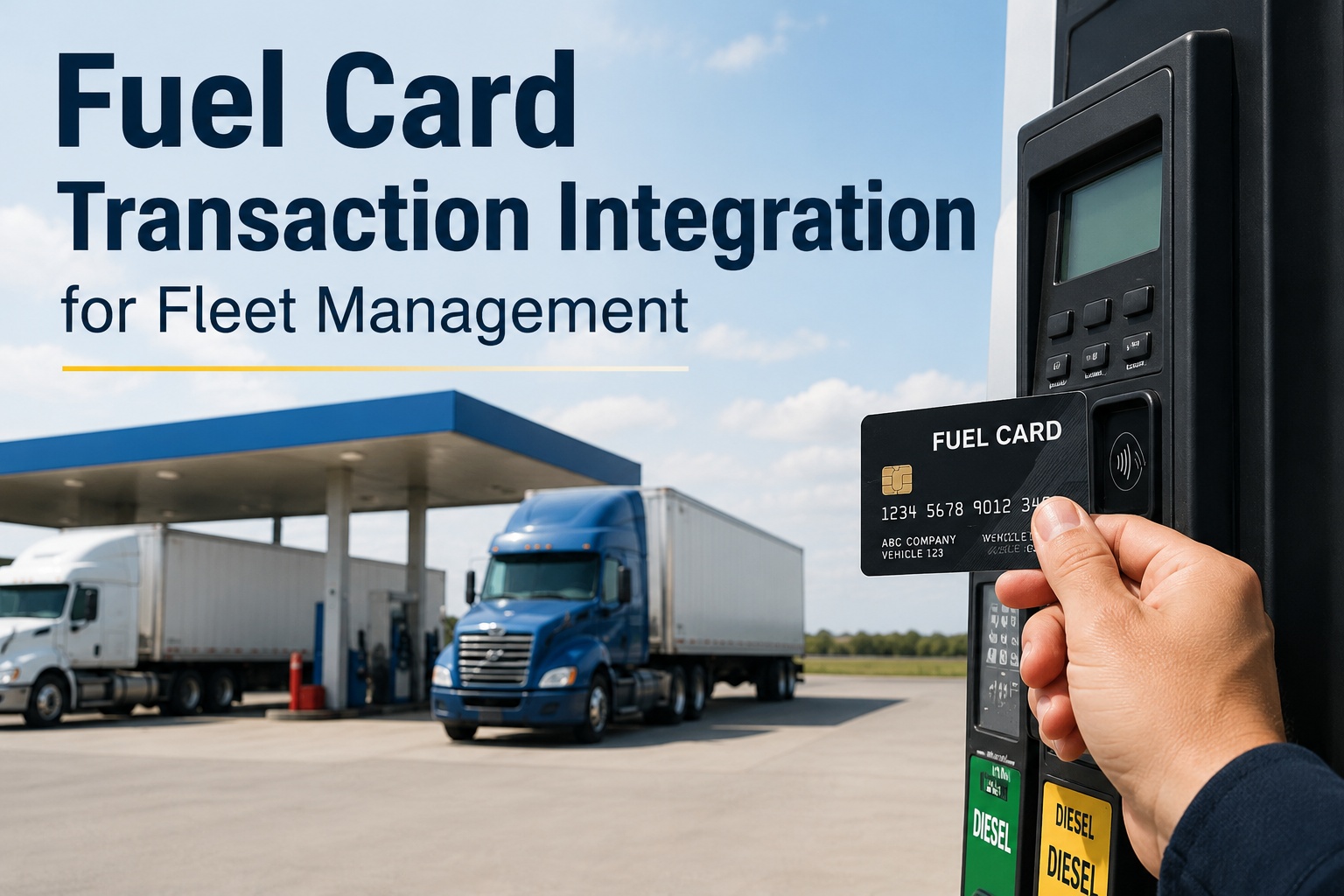
Auto-sync with WEX, Fleetcor, Comdata, Shell, and major providers so every transaction lands in one dashboard.
GPS transaction matching
Cross-reference each purchase against vehicle location and tank level — flag fills that don't match where the van was.
Route density optimization
Sequence multi-stop routes to cut empty miles and maximize deliveries per gallon — the core last-mile lever.
Driver behavior scoring
Track speeding, harsh braking, and acceleration; coach the habits that quietly burn 8–12% of your MPG.
Maintenance-MPG link
Poor maintenance silently degrades fuel economy 5–15%. Tie PM and inspections to fuel so a sick van gets caught.
The maintenance side of fuel savings, free
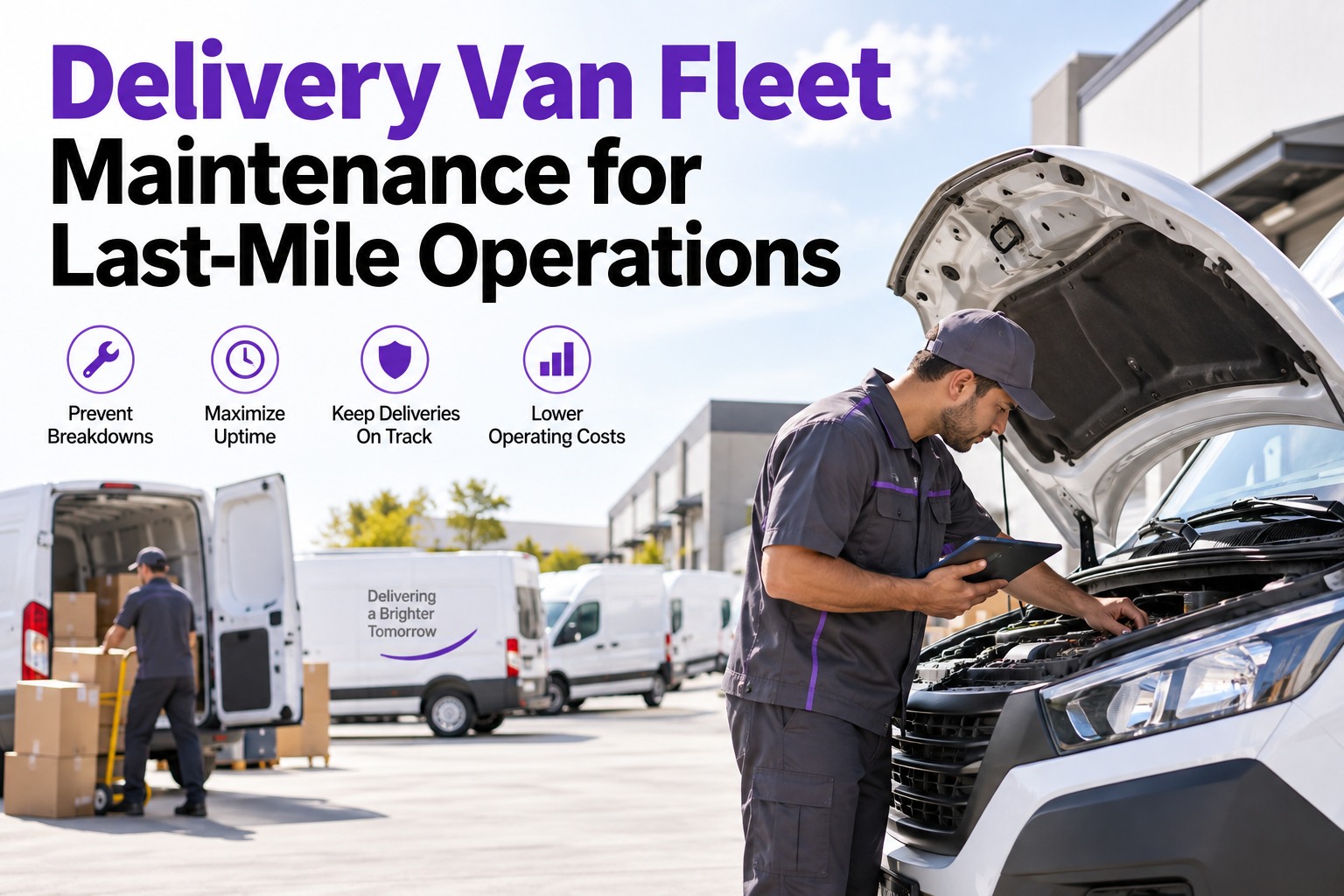
A well-maintained van is a fuel-efficient van — and Truck Inspection & Maintenance keeps every vehicle in peak shape with digital inspections and PM scheduling, so no van quietly burns 5–15% extra. No hardware, no contracts. Sign up free and protect your MPG at the source.
The Savings Math
The business case is simple arithmetic once you know your fuel spend. Here's what the leaks cost — and what closing them returns — for a mid-size delivery fleet. Reach our team to model the numbers for your operation.
Illustrative for a fleet spending $400K/year on fuel. Idle reduction and driver coaching deliver the fastest returns — often within 1–2 months — because they fix behavior, not hardware.
The Pricing Reality
Fuel software pricing spans a wide range depending on what's bundled. Knowing the bands keeps you from overpaying for hardware-heavy enterprise suites when a lean per-vehicle platform closes most of the gap. Open a free account to start on the low end with no commitment.
Per-vehicle software
Fuel logging, card integration, idle & behavior tracking, maintenance-MPG link. Cloud setup in days, no hardware. Best entry point for most delivery fleets.
Telematics-bundled suites
Adds AI dashcams, deep ECM integration, and IoT tank sensors. More capability and tighter theft detection — but hardware on every van and higher cost.
Full last-mile orchestration
Route optimization, sustainability/ESG dashboards, and multi-region orchestration. Sales-led pricing; best for high-volume national delivery operations.
Frequently Asked Questions
How much can fuel management software actually save?
Most fleets implementing a modern platform report 15–25% reductions in total fuel costs, with positive ROI inside 90 days. The savings come from making visible the 6–15% of the fuel budget that disappears to theft, idling, route inefficiency, and waste. For a fleet spending $400,000 a year, that's $60,000–$100,000 recovered. Start a free account to begin closing the leaks.
What's the single fastest win for a delivery fleet?
Idle reduction and driver coaching. They deliver the fastest ROI — often within 1–2 months — because they fix human behavior without any mechanical change. Every hour of idling burns about a gallon, and delivery vans idle constantly at stops and in traffic. Pair that with behavior coaching (which improves MPG 8–12%) and you capture most of the easy savings quickly.
Why is last-mile fuel different from long-haul?
Density and stop-start. Last-mile routes pack dozens of short hops into dense urban areas, so the biggest fuel-per-order driver isn't highway MPG — it's stop density and route sequencing. Idling at doorsteps and in traffic, plus frequent acceleration, dominate the waste. That's why route density optimization and idle tracking matter more for e-commerce fleets than for over-the-road trucking. Talk to our team about last-mile specifics.
How does the software catch fuel theft?
By cross-referencing every fuel-card transaction against the vehicle's GPS location and tank level in real time. If a card is used where the van isn't, or a fill exceeds tank capacity, the system flags it instantly — often within seconds, with GPS coordinates and driver ID. Geofenced fueling zones add another layer, alerting you when a driver fuels outside approved stations. It catches siphoning, buddy fueling, and card fraud that spreadsheets never would.
Does vehicle maintenance really affect fuel cost?
Significantly. Poor maintenance silently degrades fuel economy by 5–15% — underinflated tires, clogged filters, and out-of-tune engines all burn extra. That's why tying preventive maintenance and inspections to your fuel program matters: a well-maintained van is a fuel-efficient one. Catching a degrading vehicle early protects both uptime and MPG at once. Sign up free to link maintenance and fuel.
Do I need telematics hardware to start?
Not necessarily. The maintenance-and-inspection layer and fuel-card logging run on existing data and phones — no hardware required. Telematics hardware (ECM integration, tank sensors, dashcams) adds tighter real-time theft detection and behavior scoring, but you can start lean with per-vehicle software and layer hardware later as ROI justifies it. Begin with the fast wins, then expand. Contact us to plan a phased rollout.
A fuel-efficient fleet starts with a healthy fleet.
Truck Inspection & Maintenance keeps every delivery van in peak condition with digital inspections, PM scheduling, and live fleet health — protecting the 5–15% of MPG that poor maintenance silently burns. Free for up to 3 vehicles, no hardware, no contracts.