Government fleets — municipal, county, state — face fuel tracking challenges that no commercial fleet has to navigate. The vehicles span departments (police, fire, public works, parks, sanitation, transit) sharing the same fueling infrastructure. Procurement runs through cooperative contracts (NASPO, GSA, Sourcewell) with audit trails for every dollar. Every transaction is potentially subject to FOIA disclosure or public-records review. Off-road equipment qualifies for federal and state fuel tax refunds requiring jurisdiction-by-jurisdiction tracking. And the cost stakes are large: fuel represents 21-40% of total fleet operating costs, and industry data shows 6-15% of fuel budgets disappear to theft, fraud, or unmonitored waste before a single mile is driven. For a mid-size municipality spending $1.5M annually on fuel, that's $90K-$225K leaking out of taxpayer dollars each year — invisible without the right software. This guide covers the 10 essential features government fleet fuel tracking software must have, the integrations that matter, and the compliance items public-sector fleets can't ignore in 2026. Start your free trial and run government fleet fuel tracking on software built for it.
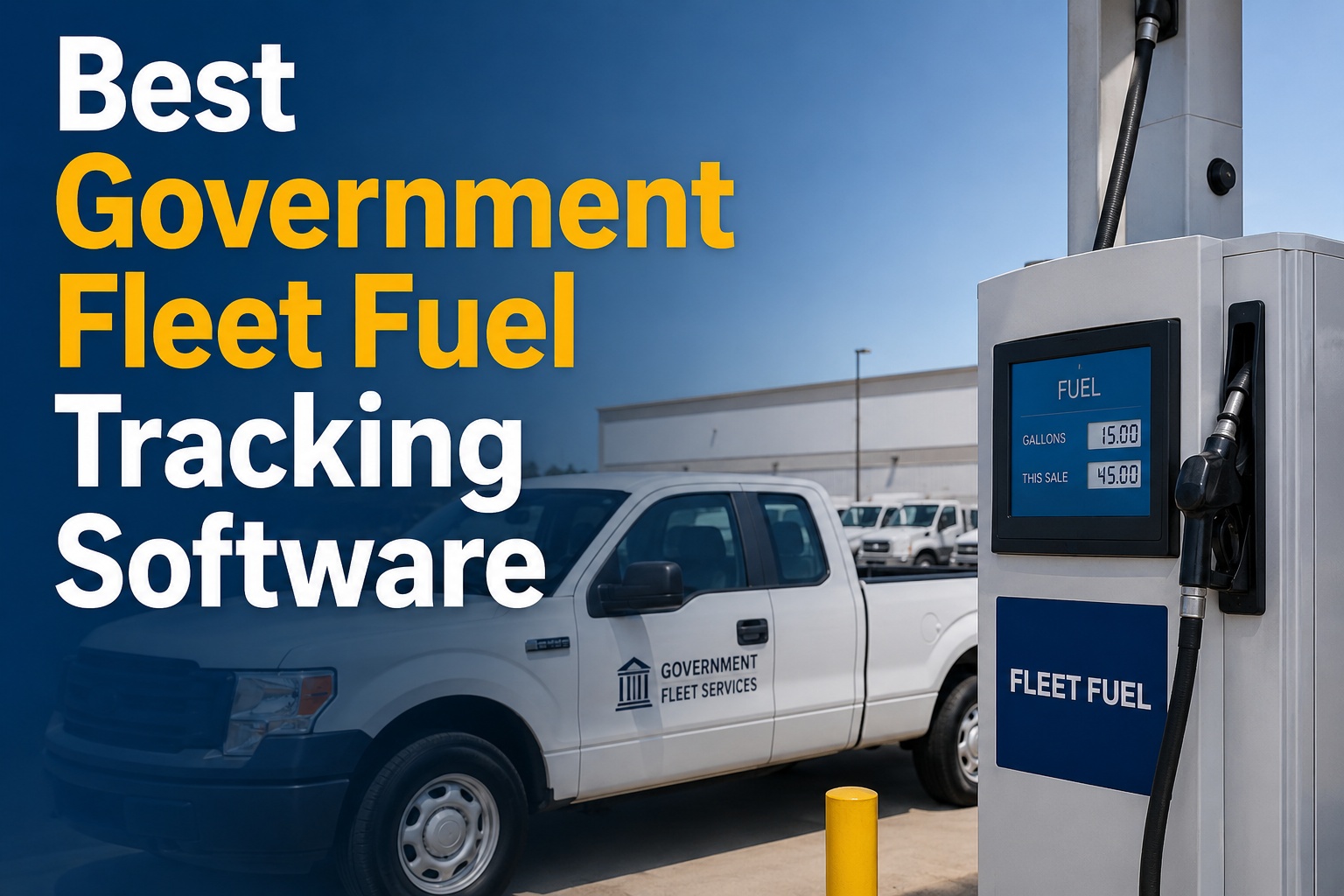
Best Government Fleet Fuel Tracking Software
10 essential features for municipalities and public agencies — fuel card integration, theft prevention, IFTA reporting, and FOIA-ready audit trails.
Why Government Fleets Need Specialized Fuel Tracking
Generic commercial fuel tracking software handles consumption and theft detection — but misses the items that actually drive citations and audit findings on the government side. Public-sector fleets carry obligations no commercial operation faces:
Public Accountability
Every transaction is potentially subject to FOIA or state public-records review. Fuel data must be exportable, defensible, and audit-ready at any time.
Multi-Department Allocation
Same fleet serves police, fire, public works, parks, sanitation. Cost allocation by department, function, and grant code is non-negotiable for budgeting.
Tax Refund Eligibility
Off-road equipment (mowers, generators, off-highway construction) qualifies for federal and state fuel tax refunds. Manual tracking forfeits the refund.
Cooperative Procurement
Software must qualify under NASPO, GSA, Sourcewell, or similar cooperative purchasing vehicles to be procurement-compliant for most agencies.
The 10 Essential Features Government Fuel Tracking Software Needs
Every vendor claims "fleet fuel tracking" — but only a few handle the public-sector workflow that municipalities and agencies actually run. The 10 features below are the working set:
Universal Fuel Card Integration
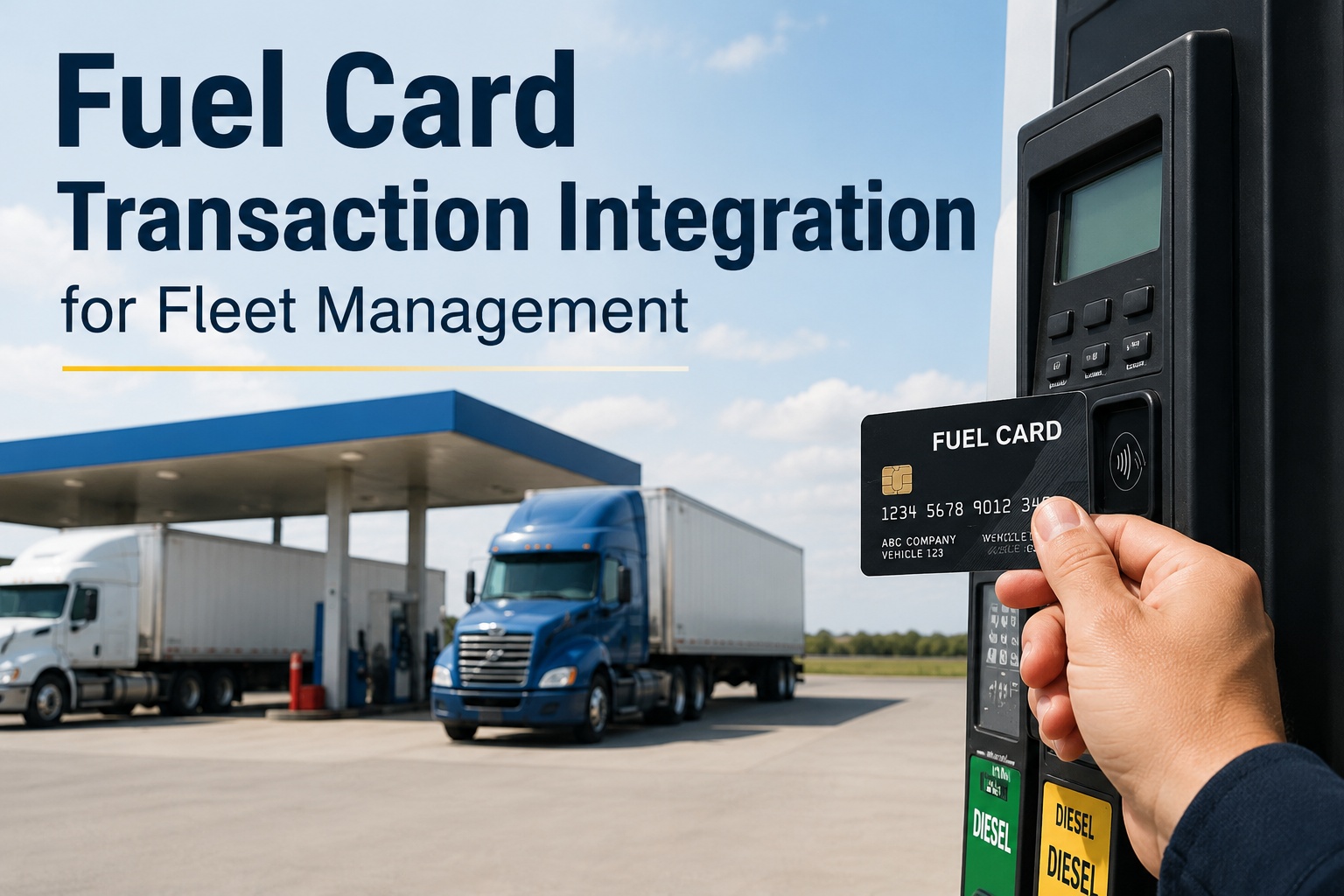
API-level integration with WEX, Voyager (US Bank), Comdata, Fuelman, EFS, FleetOne — and government-specific cards. Transactions appear within seconds, not 24-72 hour batch uploads.
GPS-Validated Transaction Matching
Every fuel card swipe cross-references against the vehicle's actual GPS location. Mismatches flag instantly. Industry-leading fleets cut fraud by 80%+ with this single feature alone.
Real-Time Tank-Level Monitoring
Bulk fuel tanks at public works yards monitored 24/7 with 99.5% accuracy sensors. Siphoning, leaks, and unauthorized fills detected in 5-10 seconds, not at next reconciliation.
Department & Grant Cost Allocation
Per-transaction tagging by department (Police, Fire, DPW, Parks), function, project, or grant code. Year-end allocation reports generate in seconds for budget close.
Off-Road Fuel Tax Refund Tracking
Auto-flag fuel used for off-road equipment (mowers, snowplows-on-private, generators). Generate IRS Form 4136 and state-equivalent refund packages with no manual reconciliation.
IFTA Quarterly Auto-Reporting
Fuel purchases matched to GPS-tracked jurisdiction miles. Quarterly IFTA reports auto-generate — eliminating the multi-hour spreadsheet exercise every quarter end.
Driver MPG Scorecard & Coaching
Per-driver MPG ranking. Research shows the act of measurement itself drives 60-70% of fuel savings — visible scorecards change driver behavior before any coaching conversation.
FOIA-Ready Audit Export
Complete fuel transaction history for any vehicle, driver, department, or date range exportable in 60 seconds. Records survive public-records requests, council inquiries, audits.
Idle Time & Behavior Analytics
Idle time, speeding, harsh acceleration tracked per vehicle. Idle reduction alone delivers 5-10% fuel savings — and emergency vehicle idle policy compliance is auto-flagged.
ESG & Emissions Reporting
Carbon-per-mile, fleet CO₂ emissions, electric/alternative-fuel mile percentage. Auto-generated for municipal sustainability plans and state climate disclosure mandates.
Built for government fleets. All 10 features included.
Truck Inspection & Maintenance covers every public-sector fuel tracking feature — fuel card integration, GPS-validated transactions, IFTA auto-reporting, department allocation, FOIA-ready export. Free for up to 3 vehicles. Contact support to plan your municipal rollout.
Fuel Card Integrations That Matter for Government Fleets
Government fleets typically use one or two cards across the entire operation. Universal integration support is what separates platforms that actually work for public sector from those that require custom development per card:
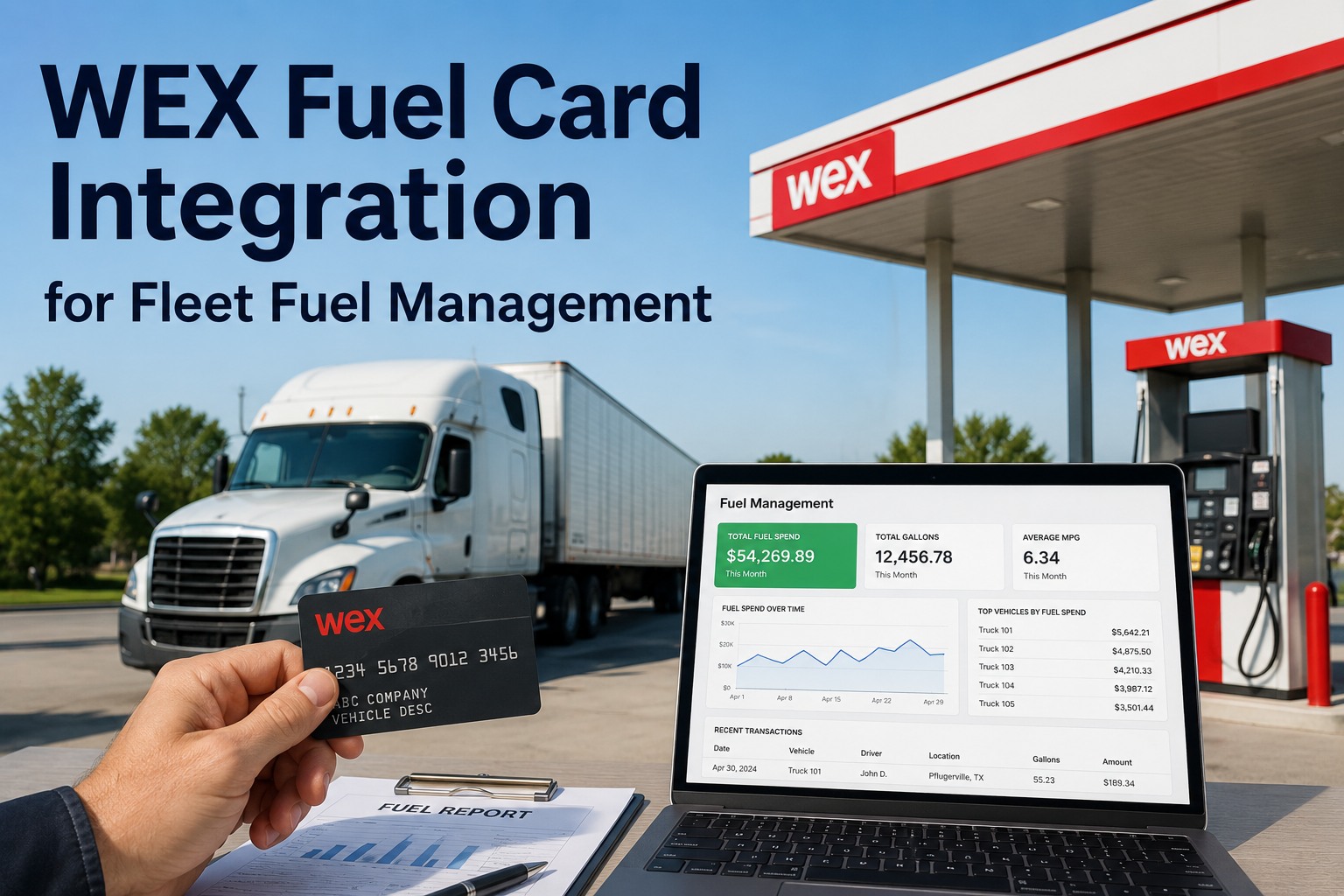
WEX
Wright Express — universal card, includes government division (WEX Government). Most common across municipal fleets nationally.
Voyager (US Bank)
Voyager Fleet Systems — historically dominant in federal and state government. Available on cooperative procurement contracts.
Comdata
Strong on diesel/heavy fleet. Mastercard-network. Used by larger county and transit operations.
Fuelman
FleetCor product. Network of 50K+ stations. Common for police and fire municipal fleets.
EFS / FleetOne
WEX-owned brands. Strong on truck stops and heavy-duty. Used by public works and DPW fleets.
RoadFlex / Coast
Newer Visa-network fleet cards with native software integration and government procurement availability.
Government-Specific Compliance Items the Software Must Handle
Beyond mechanical fuel tracking, government fleets carry public-sector compliance items that commercial platforms routinely miss. The system must track each:
The Municipal Fleet ROI — 50 Vehicles, Year 1
Government fleet ROI is unusually documented because every dollar saved is taxpayer money recovered. The math below is for a 50-vehicle municipal operation spending ~$750K annually on fuel — typical mid-size city or large county department:
Frequently Asked Questions
How much fuel do government fleets actually lose to theft and waste?
Industry data shows 6-15% of fuel budgets disappear to theft, fraud, or unmonitored waste — before a single mile is driven. For a municipality spending $1.5M annually on fuel, that's $90K-$225K in taxpayer dollars leaking each year. GPS-validated transactions cut fraud by 80%+; combined with idle reduction and driver coaching, total recoverable savings run 18-25% of fuel spend.
What's the most important feature for a municipal fleet?
GPS-validated transaction matching — by a wide margin. Every fuel card swipe is cross-referenced against the actual vehicle's GPS location at that moment. Mismatches flag instantly: card sharing, personal-vehicle fueling, buddy-fueling, off-route purchases. This single feature delivers 80%+ fraud reduction. Without it, every other feature is post-hoc reporting on losses that already happened.
Which fuel cards work with the software?
The major commercial cards (WEX, Voyager, Comdata, Fuelman, EFS, FleetOne, RoadFlex, Coast) all support API integration with modern fleet fuel platforms. Government-specific divisions (WEX Government, Voyager Federal) work identically. Integration typically activates within 24-48 hours of account setup, pulling transaction data including gallons, price, location, driver ID, timestamp. Sign up free to confirm your specific card provider.
Can the software help with off-road fuel tax refunds?
Yes — and the recovery is often larger than agencies realize. Off-road equipment (mowers, generators, snowplows on private property, off-highway construction equipment) qualifies for federal fuel tax refund under IRS Form 4136 and state-equivalent programs. The software auto-flags off-road gallons, calculates refund amounts, and generates the filing package. For a 50-vehicle municipal fleet with typical parks/DPW operations, refunds typically run $25K-$50K annually that manual tracking forfeits.
Is the software available on government cooperative purchasing contracts?
This depends on the vendor — but the major fuel tracking platforms qualify under one or more of NASPO ValuePoint, GSA Schedules, Sourcewell, OMNIA Partners, and similar cooperatives. Cooperative contracts eliminate the standalone RFP process and accelerate procurement timelines from months to weeks. Talk to our team for current cooperative contract availability.
How long does implementation take for a typical municipality?
48-72 hours for fuel card integration and basic dashboards. 2 weeks for full department/grant allocation setup, GPS validation rules, and FOIA-ready audit configuration. Most platforms run fixed-scope onboarding — no months-long customization. First measurable theft detection and savings appear within 30-60 days of go-live.
Run municipal fleet fuel tracking on software built for it.
Truck Inspection & Maintenance covers all 10 essential features — universal fuel card integration, GPS-validated transactions, IFTA auto-reporting, off-road tax refund tracking, department allocation, FOIA-ready audit export. Free for up to 3 vehicles. No hardware. No contracts.