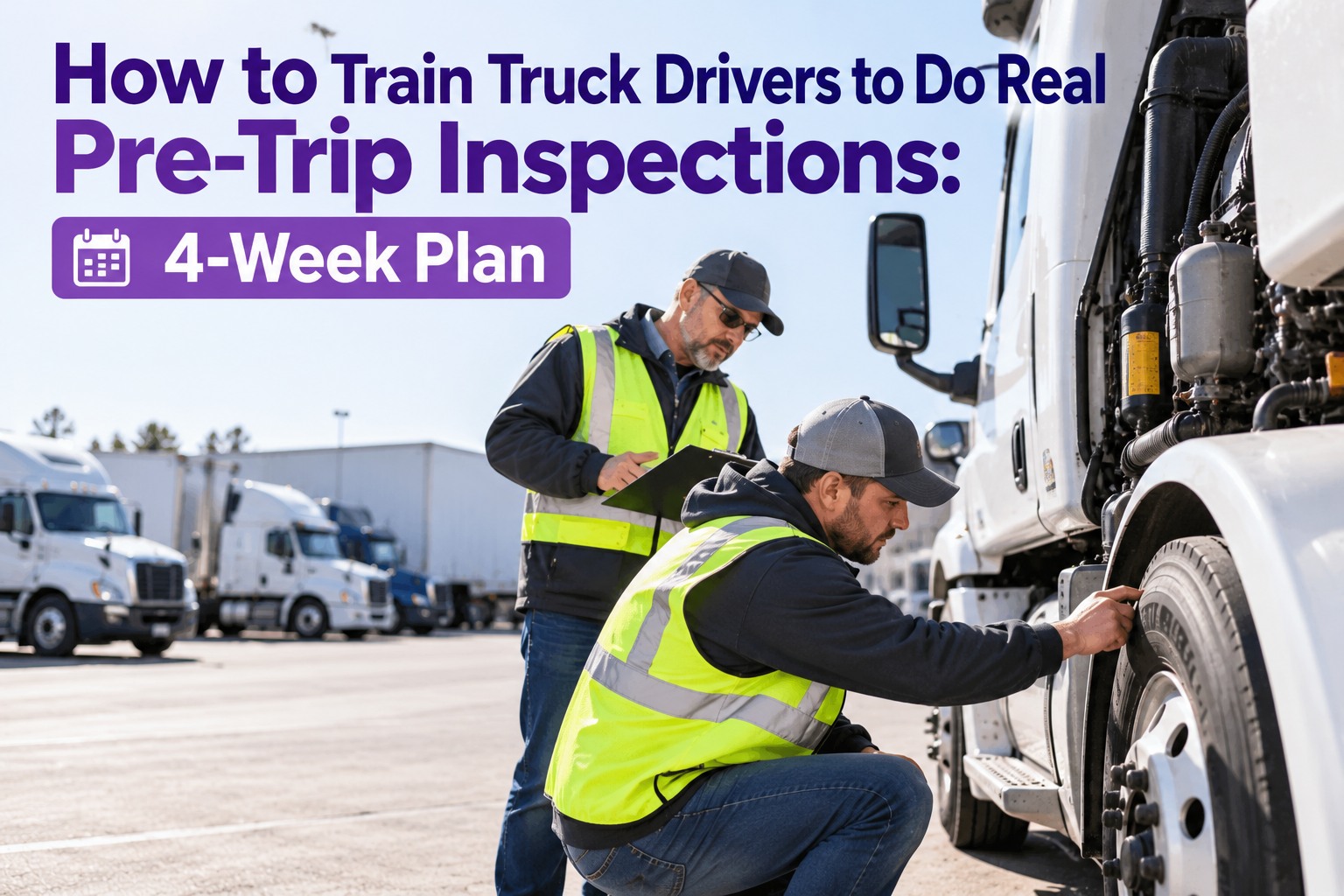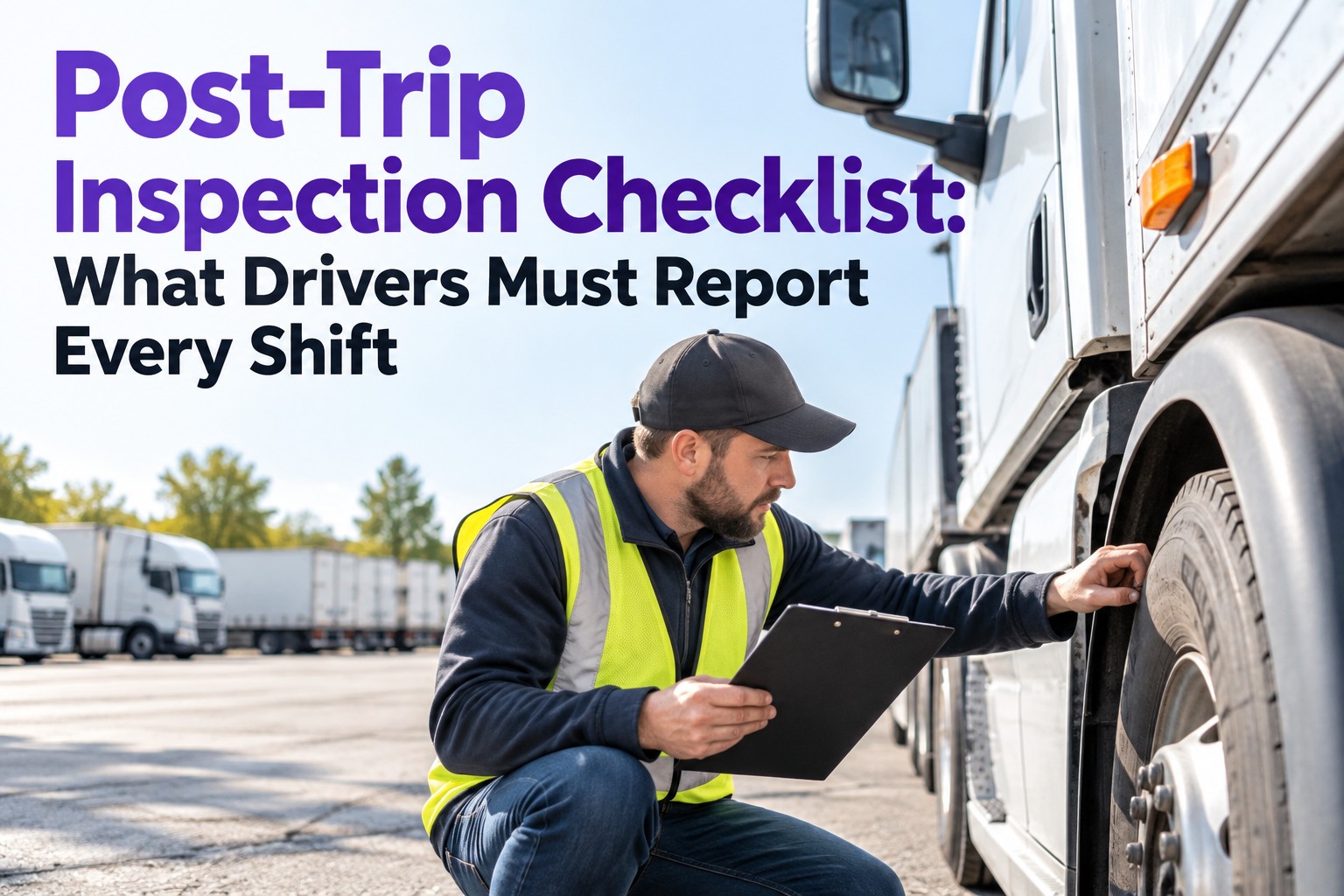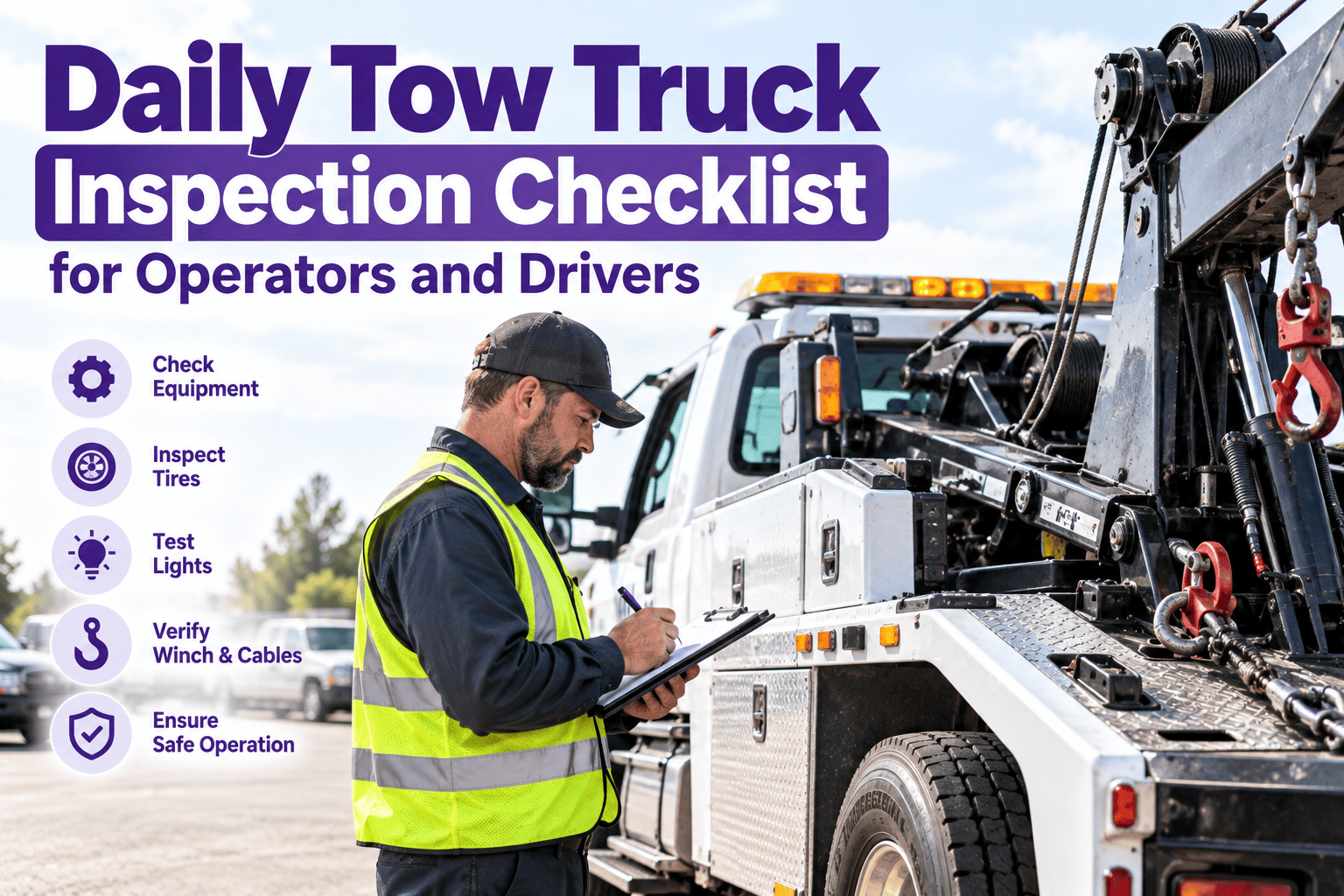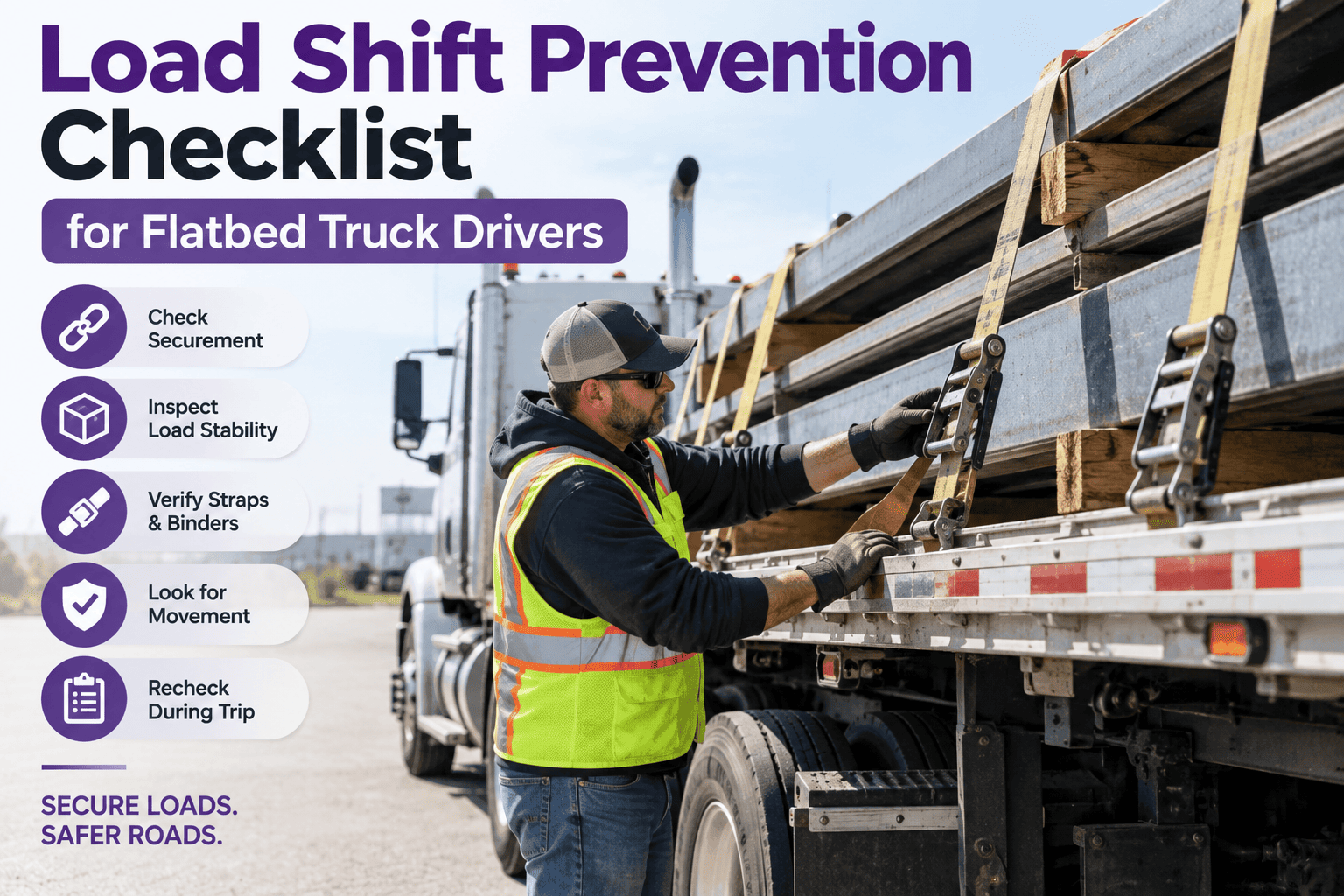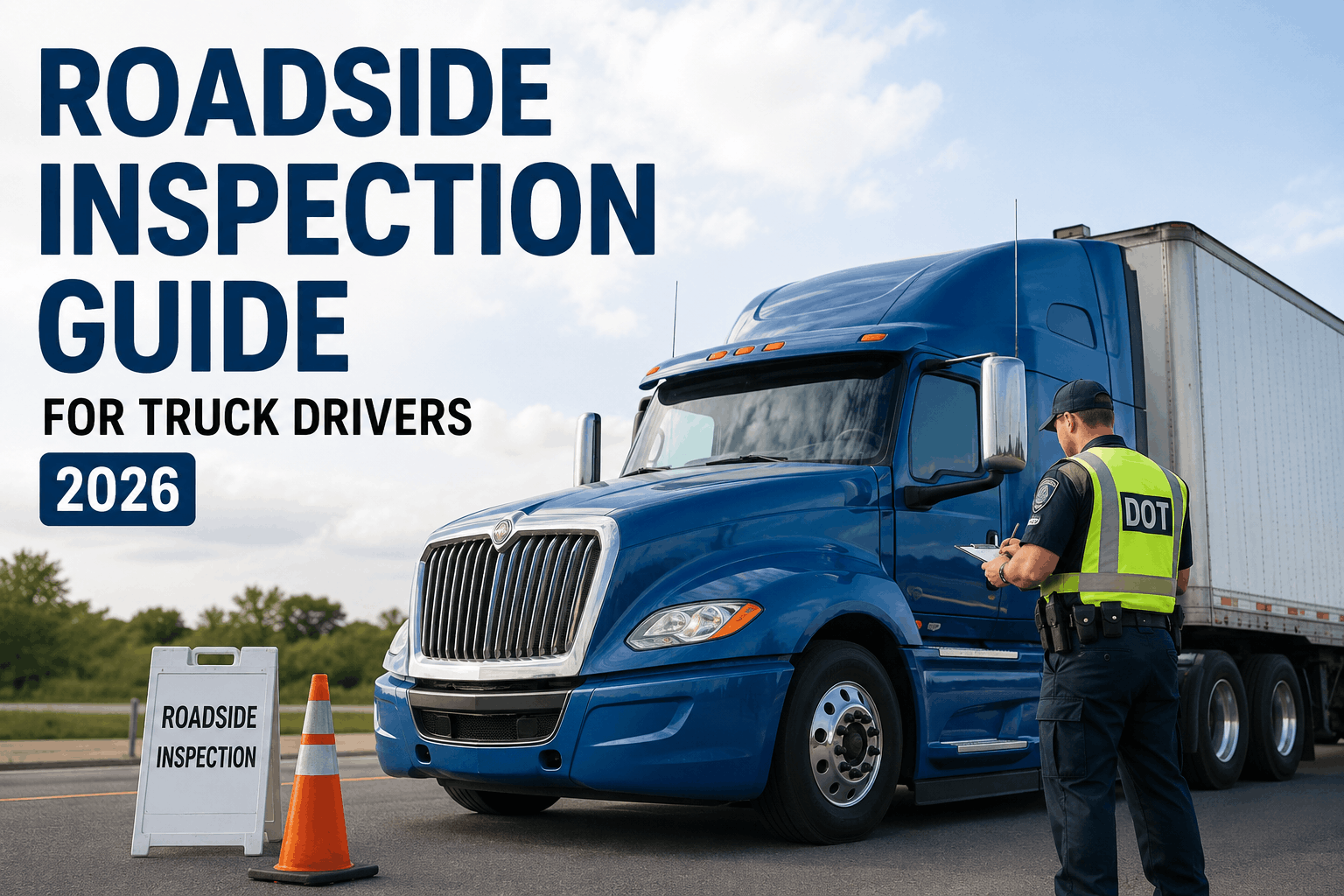
The inspector waves you into the scale. From that moment, whether you roll out in ten minutes or get parked comes down to things you either sorted before the trip or you didn't. Roughly one in five trucks inspected during the 2025 International Roadcheck was placed out of service — and the reasons are almost always the basics: brakes, tires, lights, and, on the driver side, hours-of-service and paperwork. None of it is a surprise. Inspectors follow the same North American Standard procedure every time, which means you can prepare for exactly what they'll check. This readiness checklist walks the three inspection levels you'll actually see at roadside — and the driver items that decide the outcome before anyone looks at the truck. Start free and run a roadside-ready check before every trip with TIM.
Roll Through the Scale — Don't Get Parked At It
Inspectors check the same things every time, so readiness is a routine, not a gamble. Truck Inspection & Maintenance Management Software runs the pre-trip that catches brake, tire, and lighting defects before you leave the yard, keeps your DVIR and defect-correction records in order, and gives you a clean history to show when the inspection turns to paperwork.
Know Which Inspection You're In
The scope of the stop depends on the CVSA level. Three of them account for nearly every roadside inspection a CDL driver encounters — and each one changes what you need ready. Know which one you're in and you know what the inspector is about to check.
The most comprehensive — a 37-step check of both the driver and the vehicle's mechanical fitness, including items that require going under the truck. Pass it clean and the vehicle can earn a CVSA decal, sparing it re-inspection for up to three months.
A driver and vehicle inspection covering everything that can be checked without physically getting under the vehicle. Common at weigh stations where inspectors move quickly — still serious, but no decal is issued for passing.
Focuses on the driver and paperwork — not the truck. License, medical certificate, hours-of-service and ELD records, and carrier documents. If something's missing, expired, or inaccurate, it's a violation or an out-of-service order on its own.
Whatever the level, the document review is identical — which is why the driver side is where readiness starts. Contact our team to standardize readiness across your drivers with TIM.
The Driver Readiness Checklist — Before You Ever Get Waved In
The driver portion is the same across Levels I, II, and III, and it's where a truck in perfect mechanical shape still gets its day shut down. Have every one of these ready and current before the trip — because an expired card or an unresolved log edit is an out-of-service order regardless of how the truck looks.
TIM keeps document status and DVIR history in one place, so nothing lapses unnoticed between trips. Start free and keep every driver's records inspection-ready with TIM.
What Actually Gets Trucks Parked — The 2025 Numbers
The out-of-service data is remarkably consistent year to year, and it tells you exactly where to aim your pre-trip. These are the categories that put the most vehicles and drivers off the road at the last Roadcheck — none of them a mystery, all of them catchable in the yard.
Figures from CVSA's 2025 International Roadcheck results; category rankings are stable year to year. Bar lengths are indicative of relative rank, not exact proportions.
Two lists, one takeaway: the vehicle side is a pre-trip problem and the driver side is a records problem — TIM covers both. Contact us to target these categories in your inspection routine.
The Vehicle Readiness Sweep — Aim at the Top Violations
You don't need to guess what to check — the OOS data points straight at it. Run these before every trip and you've covered the categories that park the most trucks.
Catch It in the Yard, Not at the Scale
Truck Inspection & Maintenance Management Software runs a guided pre-trip built around the exact categories inspectors cite — brakes, tires, lights, cargo securement — with photo-verified defect capture that routes straight to a work order. Your DVIR and correction records stay audit-ready, and driver documents stay current, so a Level I, II, or III stop finds a truck and a file that are already prepared.
During the Stop — How to Handle the Inspection Itself
Readiness isn't only what's on the truck — it's how the stop goes. A calm, organized driver with documents in reach signals a well-run operation before a single component is checked.
Frequently Asked Questions
Be Ready Before You're Waved In
Inspectors check the same things every time, so a truck that gets parked is almost always one that wasn't prepared — not one that was unlucky. A readiness routine that covers the driver documents, the top vehicle violations, and the conduct of the stop itself is what turns a roadside inspection into a ten-minute formality. TIM makes that routine automatic for every driver and every unit.