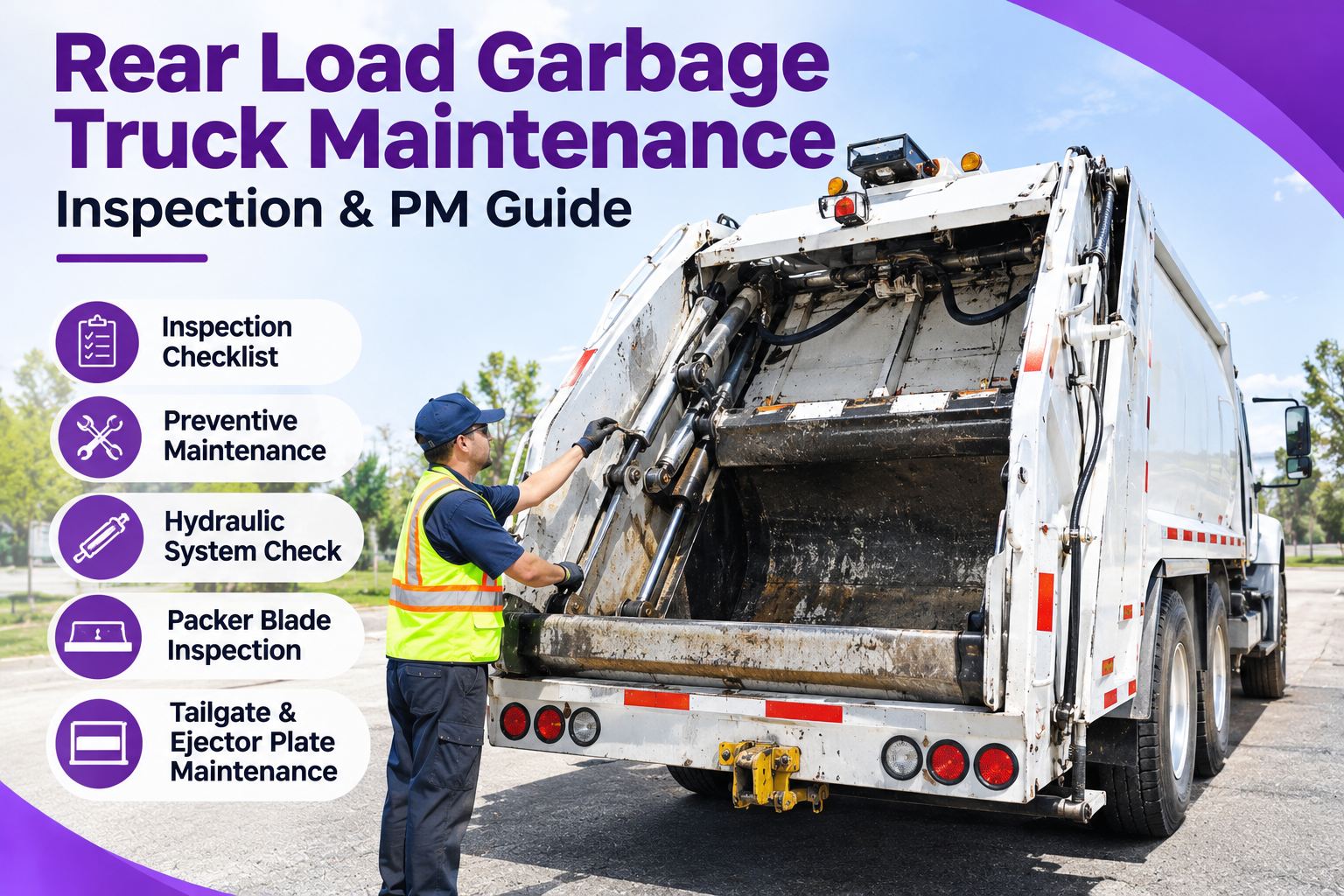
A CNG refuse truck doesn't fail like a diesel. The engine is spark-ignited, so plugs and coils are back on the PM sheet. The fuel sits in high-pressure cylinders with their own inspection schedule and an expiration date stamped on the label. A leak is a safety event before it is a repair. And the packer hydraulics keep the engine working through every stop on the route, so the clock runs in hours, not just miles. Many guides repeat the "every 36 months or 36,000 miles" cylinder rule, but for a heavy-duty refuse truck the current FMVSS 304 label wording is at least every 12 months. This guide follows the fuel from fill receptacle to exhaust, lays out the three clocks every CNG truck runs on, gives a leak response ladder, a sample PM sheet and a tank expiration audit to do before 2027. It also shows how Truck Inspection & Maintenance Management Software keeps each truck's inspections, expiry dates and work orders in one place. Start free and put every CNG truck on a tracked schedule.
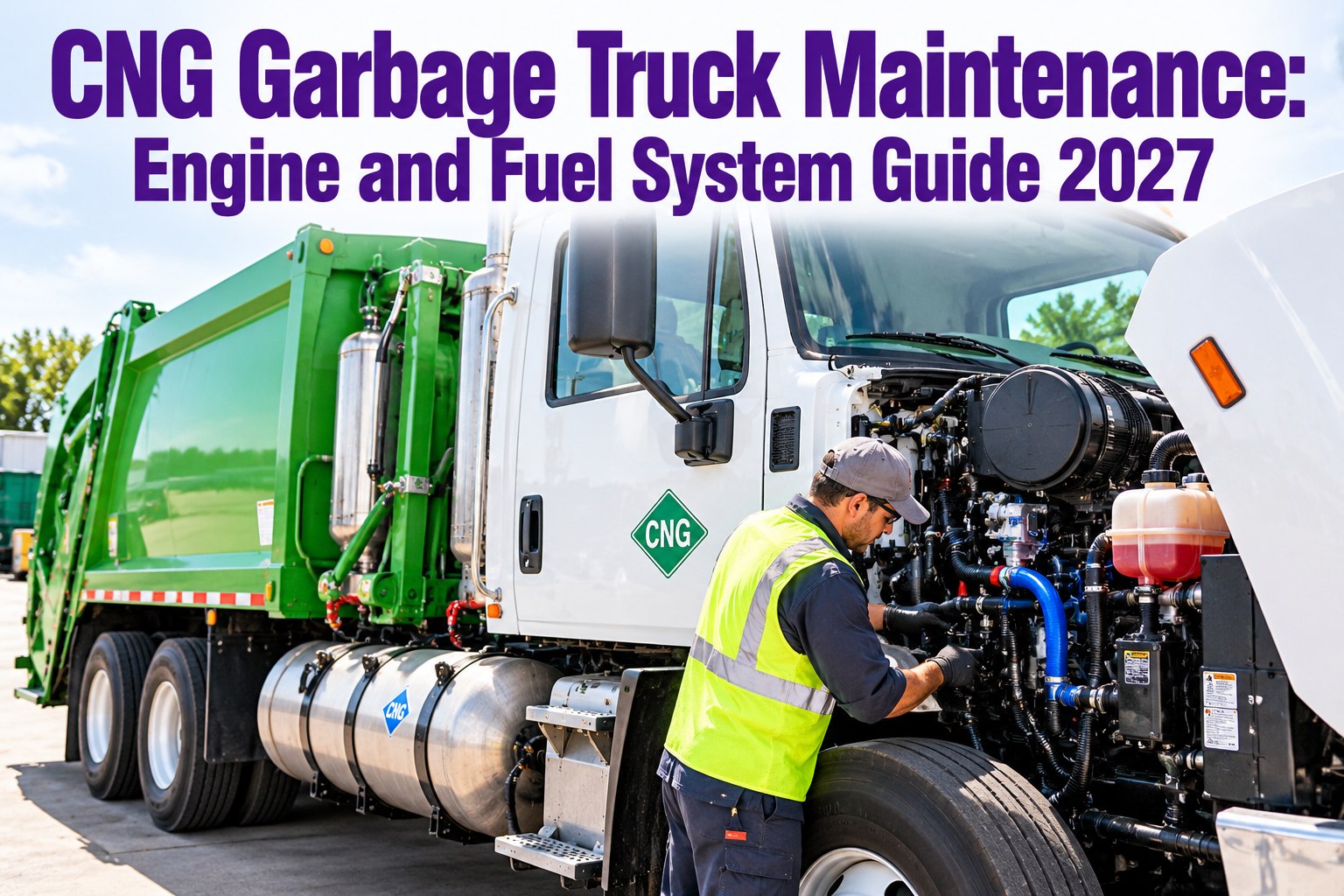
CNG Garbage Truck Maintenance: Engine and Fuel System Guide 2027
CNG refuse fleets juggle cylinder inspections, tank expiration dates, hour-based engine PM and leak checks, and a missed date is a safety problem, not just a paperwork one. TIM logs every defect and leak finding against the truck, turns it into a work order, and keeps recurring inspections on a schedule so nothing depends on memory.
The Fuel's Journey: Seven Stops, Seven Checks
Follow the gas from the fill station to the exhaust. Each stop has its own failure modes and its own inspection rhythm.
Daily driver or pre-trip Each PM technician at every service By hours engine-hour trigger 12 months qualified inspector
Three Clocks Running on Every CNG Refuse Truck
For vehicles over 10,000 lb GVWR, the revised FMVSS 304 label calls for a visual inspection for damage and deterioration at least every 12 months, and after any accident or fire. Older tanks may still carry "36 months or 36,000 miles" wording, so follow the label on your tank and confirm with your inspector.
Every cylinder is labeled "do not use after" a date, and its life can't be extended. Labels near the fill receptacle and in the engine compartment typically show pressure, expiration and next inspection date. Nobody sends a reminder, so you have to track it.
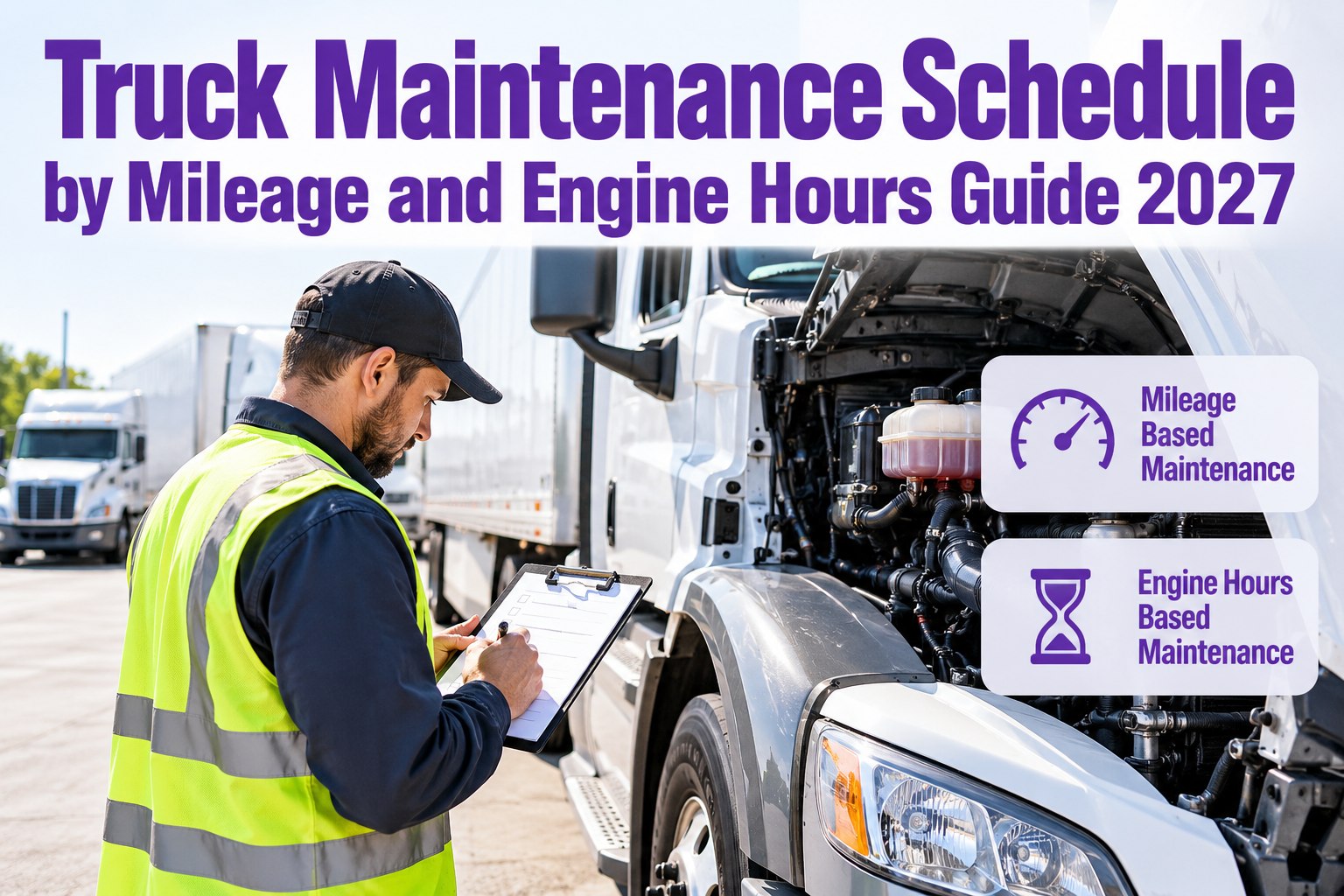
Packers and PTO work load the engine at every stop while the odometer barely moves. Spark plugs, oil and coolant services belong on an hour-based trigger, with a calendar limit as a backstop. See your engine manual for intervals.
If You Smell Gas: The Leak Response Ladder
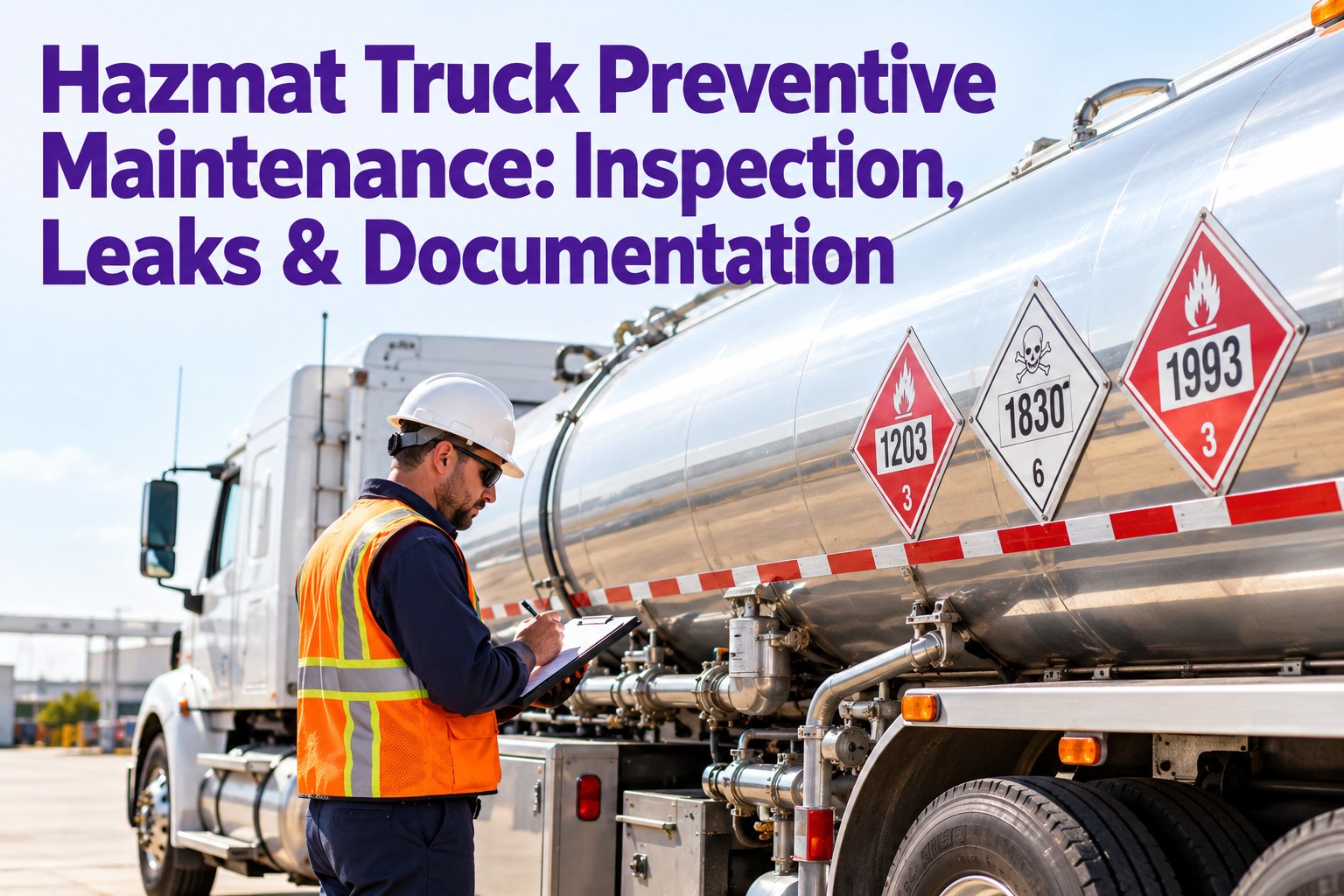
Natural gas is odorized and lighter than air. Treat any suspected leak as urgent, and follow your fleet's written procedure and your OEM's guidance.
A Sample CNG Refuse PM Sheet
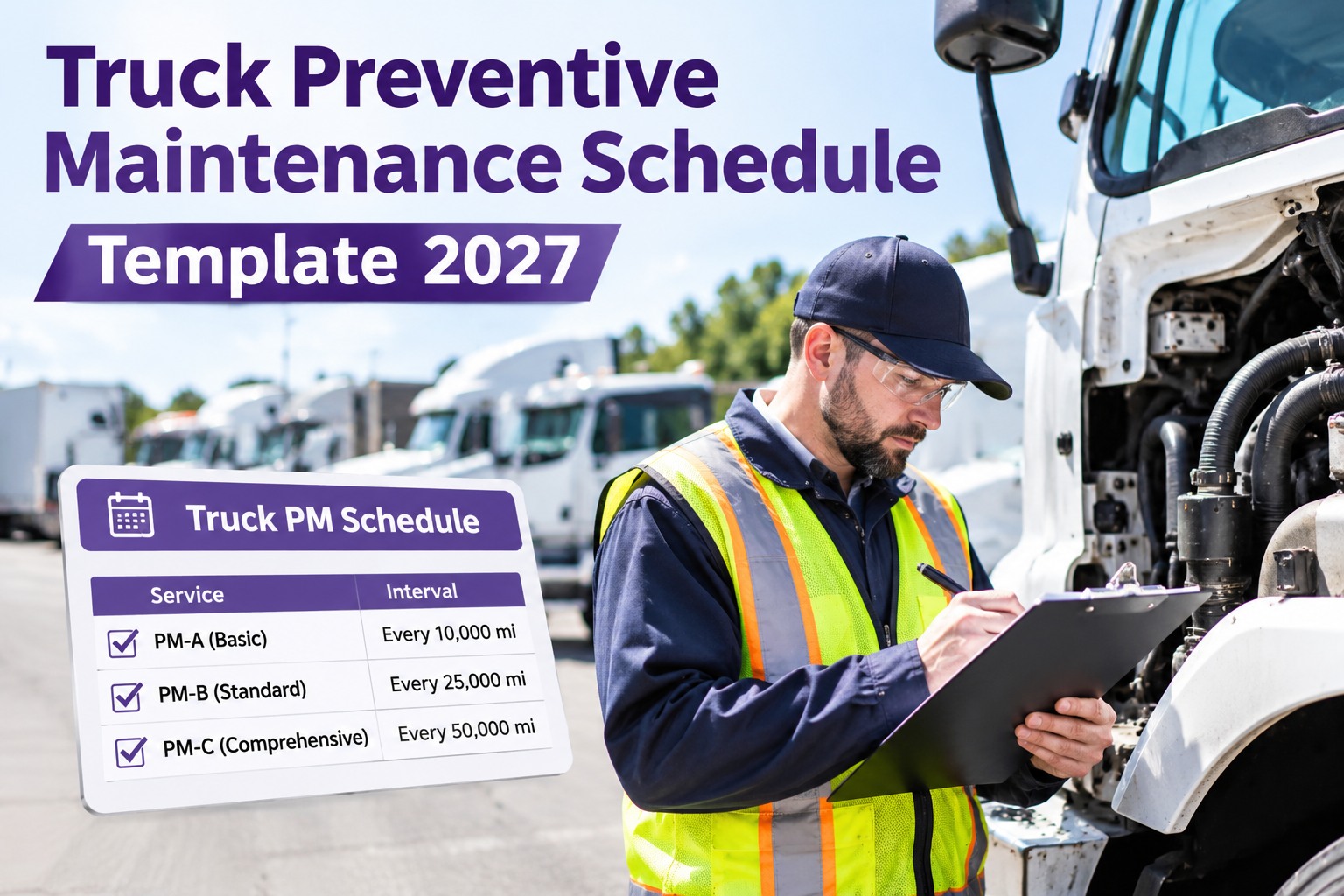
Treat the triggers below as an example layout, not a spec. Your engine and cylinder manufacturers' schedules always win. One published municipal guide lists spark plugs at 1,500 engine hours, for instance, but your engine may differ.
| Component | What to do | Example trigger | Who |
|---|---|---|---|
| Fill receptacle and cap | Inspect seals, cap and check valve | Daily | Driver |
| Fuel connections and lines | Leak check with detector or approved solution | Each PM | Technician |
| Cylinder mounts and shields | Check brackets, straps, relief device lines | Each PM | Technician |
| Cylinder visual inspection | Full inspection, label review, tag | At least every 12 months | Qualified inspector |
| Cylinder expiry audit | Record every "do not use after" date | Annually | Fleet manager |
| Fuel filter and regulator | Service and inspect per OEM | By hours, per manual | Technician |
| Spark plugs and coils | Inspect and replace by hours | Per engine manual | Technician |
| Oil and coolant | Use the low-ash natural gas oil spec | Hours, miles and months | Technician |
What Changes for a Diesel Shop
Packer hydraulics run off the engine, so hours pile up at every stop. Keep hoses, cylinders, fluid and leaks on the same PM sheet, and treat a hydraulic leak separately from a gas leak.
Your 2027 Tank Expiration Audit
CNG refuse adoption grew through the early 2010s, so some early cylinders are reaching the end of their lives. A tank is good until its labeled date, and it can't be extended. Check every cylinder label now so replacements are planned, not forced.
Illustrative arithmetic only. Always read the actual "do not use after" date on each cylinder, since the label can be in more than one place.
Keep Dates, Findings and Fixes on One Truck Record
Truck Inspection & Maintenance Management Software lets you record each truck's tank expiration and next inspection date, schedule recurring inspections and hour-based PM, log leak and defect findings with photos, and turn them into work orders. Every logged defect is acknowledged, graded and assigned within 4 hours.
Frequently Asked Questions
Keep Every CNG Truck Safe, Current and on the Route
Start free to put each truck's cylinder dates, leak findings and PM on one record, or book a demo and we'll walk through a CNG refuse setup for your fleet.