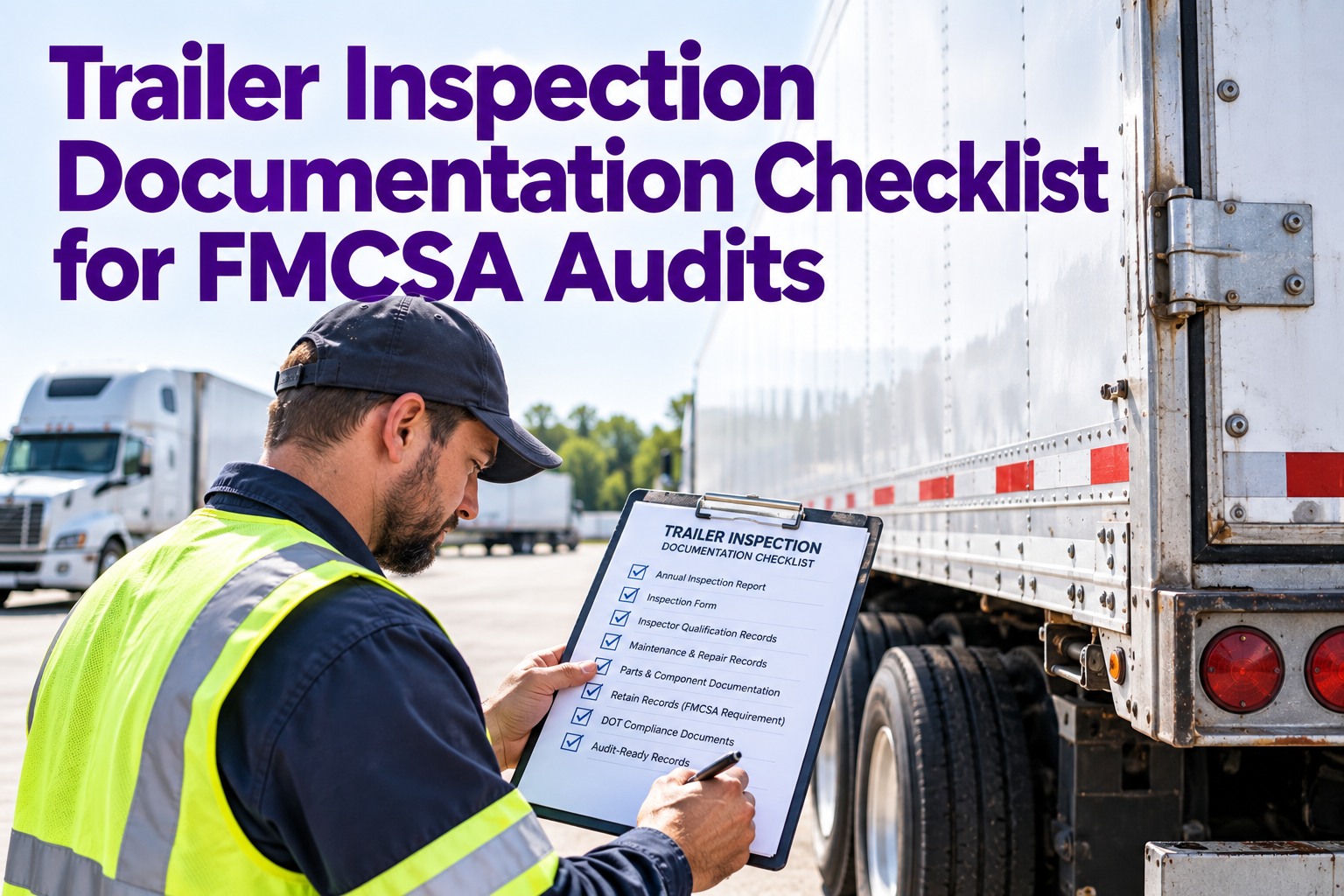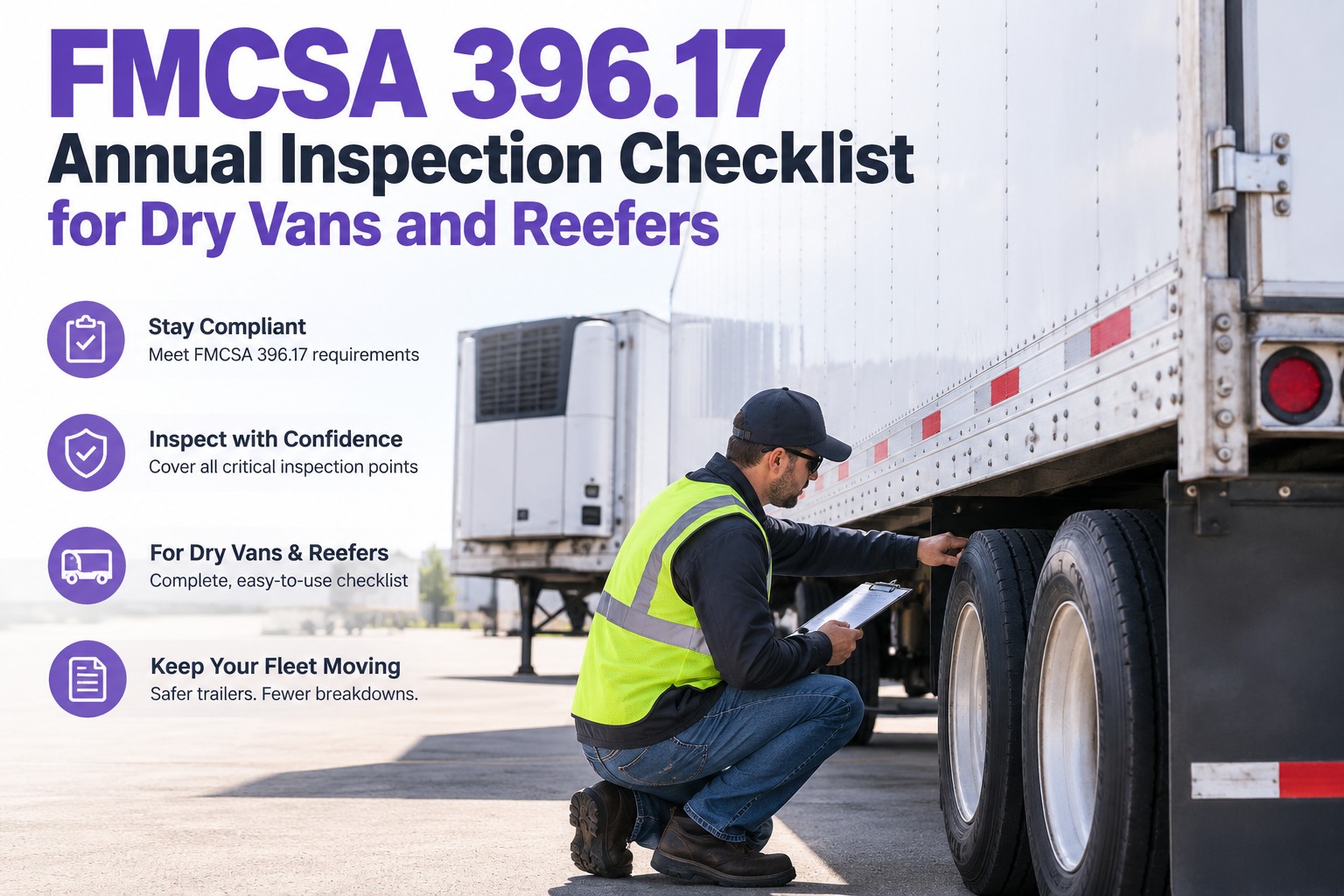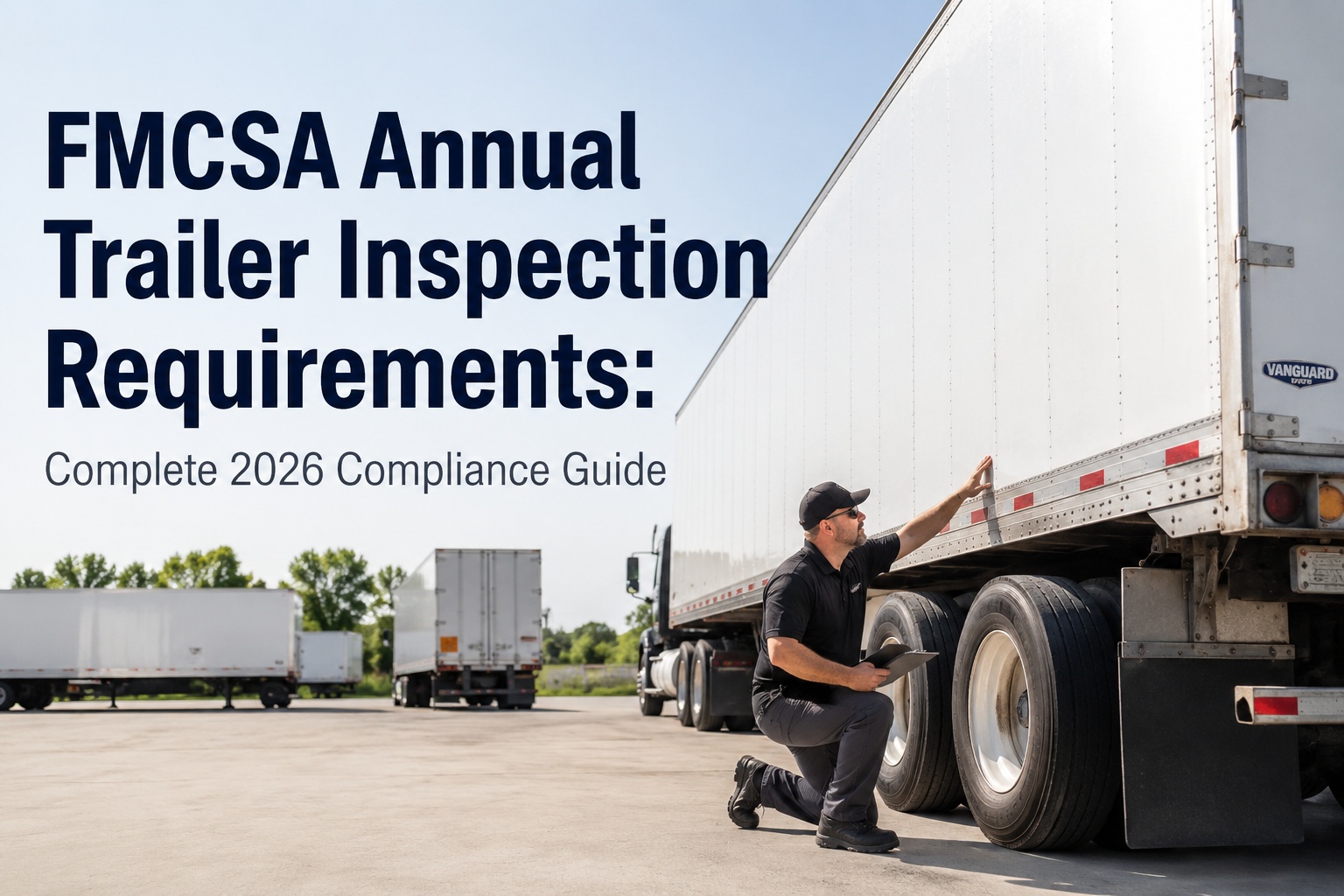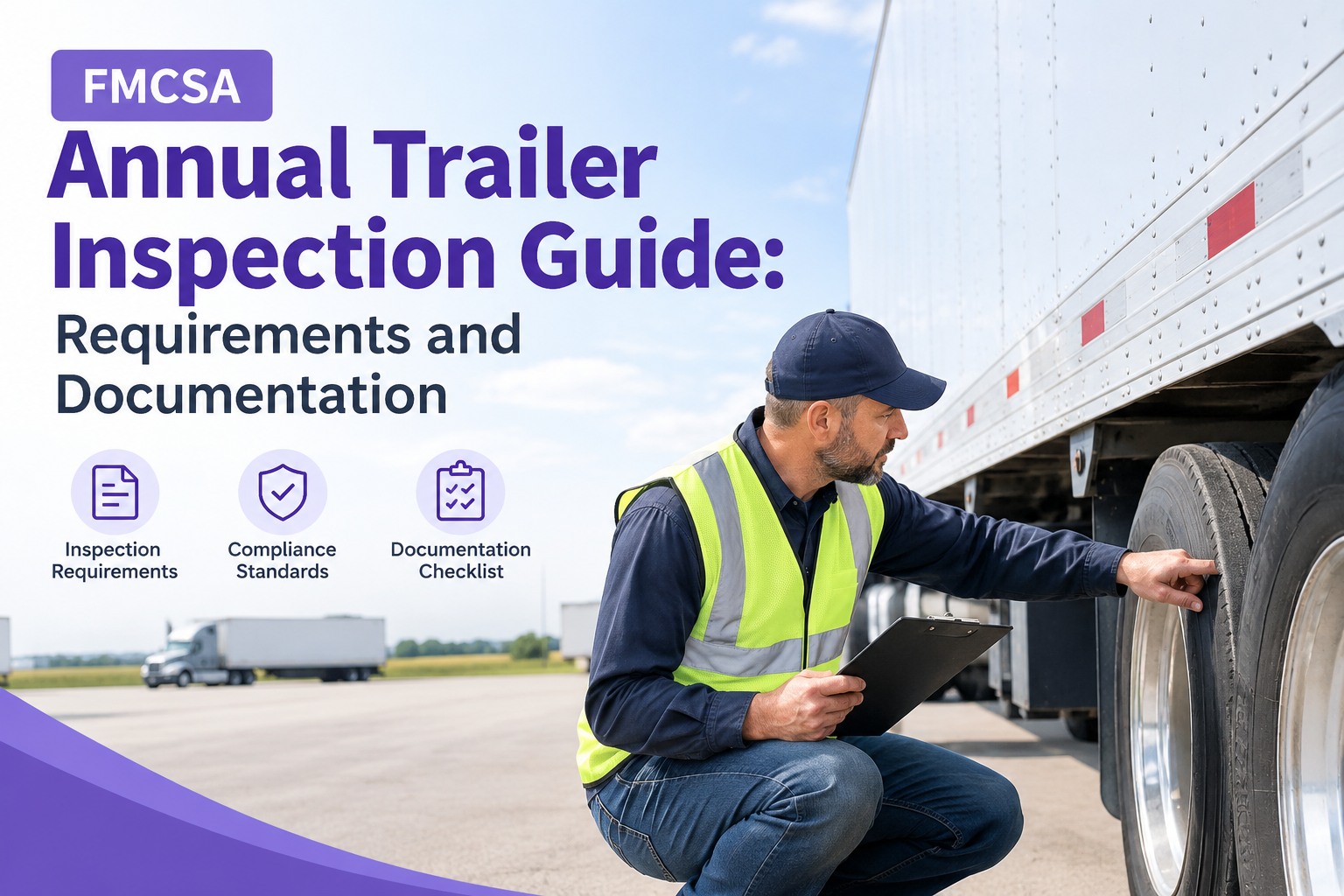
An annual inspection sticker on the windshield feels like proof of compliance until an auditor asks for the actual report behind it and finds nothing on file, or finds a defect from that inspection that was never shown as repaired. Under 49 CFR 396.17, every power unit and trailer over 10,001 lbs needs a full periodic inspection at least once every 12 months, performed by a qualified inspector, covering every item in Appendix A — and the paperwork behind it matters just as much as the inspection itself. Start free and keep every annual inspection report audit-ready automatically.
A Sticker Isn't a Record — The Report Behind It Is
The annual inspection itself is only half of §396.17. The other half is a report that names the inspector, lists every Appendix A category, and stays on file for 14 months — and a defect it finds still needs a repair record, not just a sign-off. Truck Inspection & Maintenance Management Software tracks every vehicle's inspection due date, binds each report to a qualified inspector's file, and guarantees any logged defect is acknowledged, graded, and assigned to a technician within 4 hours.
What 49 CFR 396.17 Actually Requires
The rule is straightforward on paper — every commercial motor vehicle needs a periodic inspection every 12 months — but three connected regulations decide whether a fleet is actually compliant or just has a sticker that looks the part.
Who Counts as a "Qualified Inspector"?
An annual inspection performed by someone who doesn't meet §396.19's standard doesn't satisfy the rule — even if every component actually passed. The requirement isn't a certificate on a wall; it's a documented combination of knowledge and hands-on capability.
- Understands Part 393 and Appendix G inspection criteria
- Can identify defective components on sight and by measurement
- Knows the methods, tools, and equipment the inspection requires
- Has documented training or experience performing CMV inspections
- A visual walkaround with no hands-on measurement
- A roadside inspection substituting for the annual (no longer accepted)
- An inspector with no qualification file on record
- A driver's DVIR standing in for the periodic inspection
Appendix A — The Component Categories a Qualified Inspector Checks
The annual inspection is a hands-on evaluation of every safety-critical system on the vehicle, grouped into major categories under Appendix A. A trailer's inspection covers a narrower subset than a power unit's, but the depth of the check is the same.
What the Report Must Contain
The inspection can be perfect, but if the report itself is missing a required field, an auditor still records it as a finding. §396.21 defines exactly what has to be on it.
Every Inspection, Every Report, Every Deadline — Tracked
Our Truck Inspection & Maintenance Management Software tracks each vehicle's 12-month inspection due date, binds every report to a qualified inspector's file, keeps records on hand well past the 14-month retention window, and routes any defect it finds straight into a graded work order — acknowledged and assigned within 4 hours, guaranteed.
Frequently Asked Questions
Stop Managing Annual Inspections With Stickers and Spreadsheets
Our Truck Inspection & Maintenance Management Software tracks inspection due dates, qualified inspector files, and 14-month report retention automatically — and any defect an annual inspection finds is acknowledged, graded, and assigned within 4 hours, guaranteed.