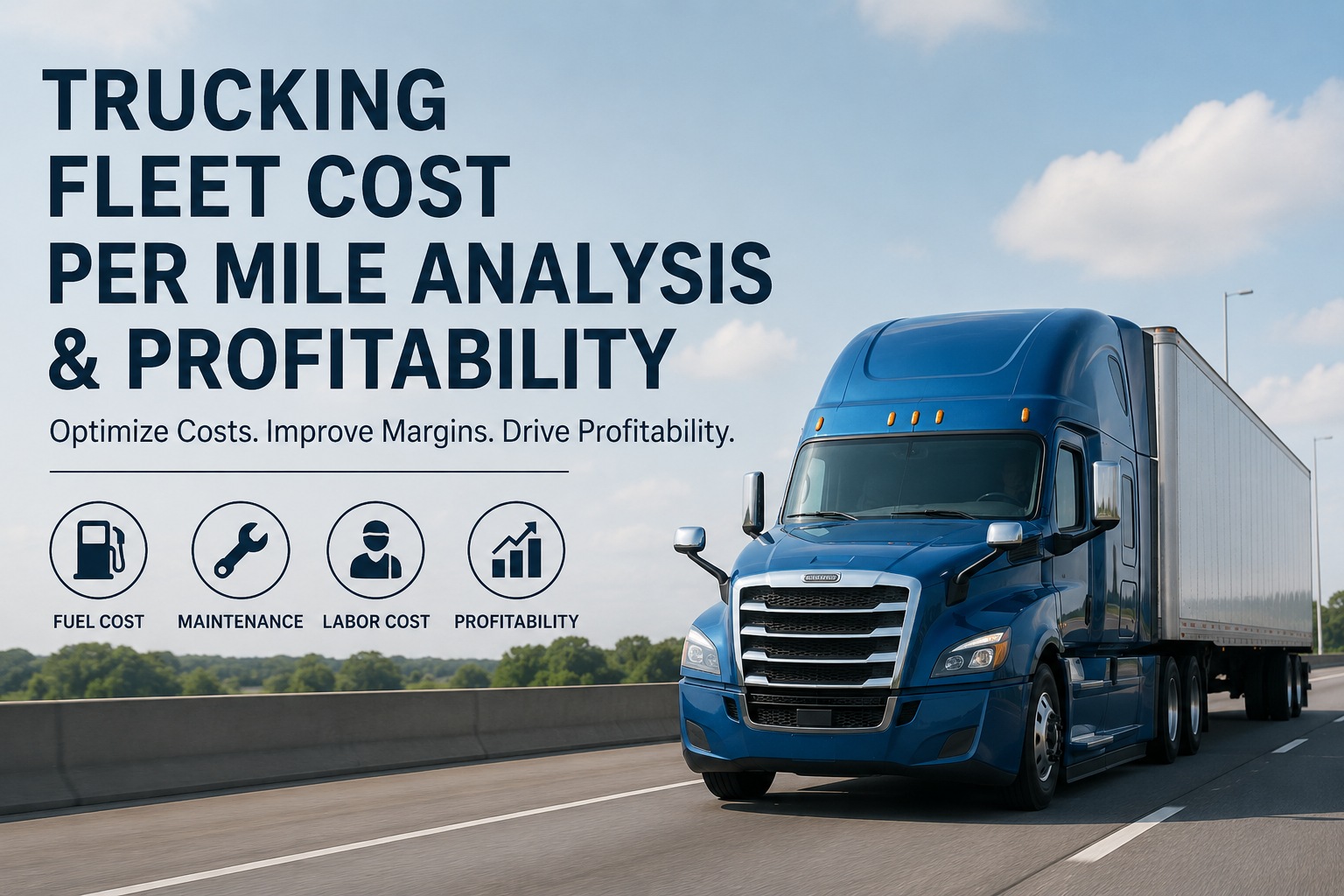
Fuel is the largest controllable cost in trucking — roughly $0.48 to $0.62 of every mile, or more than 20% of gross revenue before a single other bill is paid. And most of the waste isn't the pump price; it's the driving. Two trucks on the identical route can differ 30% in fuel burn based on behavior alone. The good news is that the three biggest leaks — idling, speeding, and empty miles — are all operational, not mechanical. You don't need new trucks to fix them; you need discipline and the data to enforce it. This guide breaks down each lever, the real math behind it, and how to cut fuel spend without cutting a single delivery. Start cutting fuel waste free.
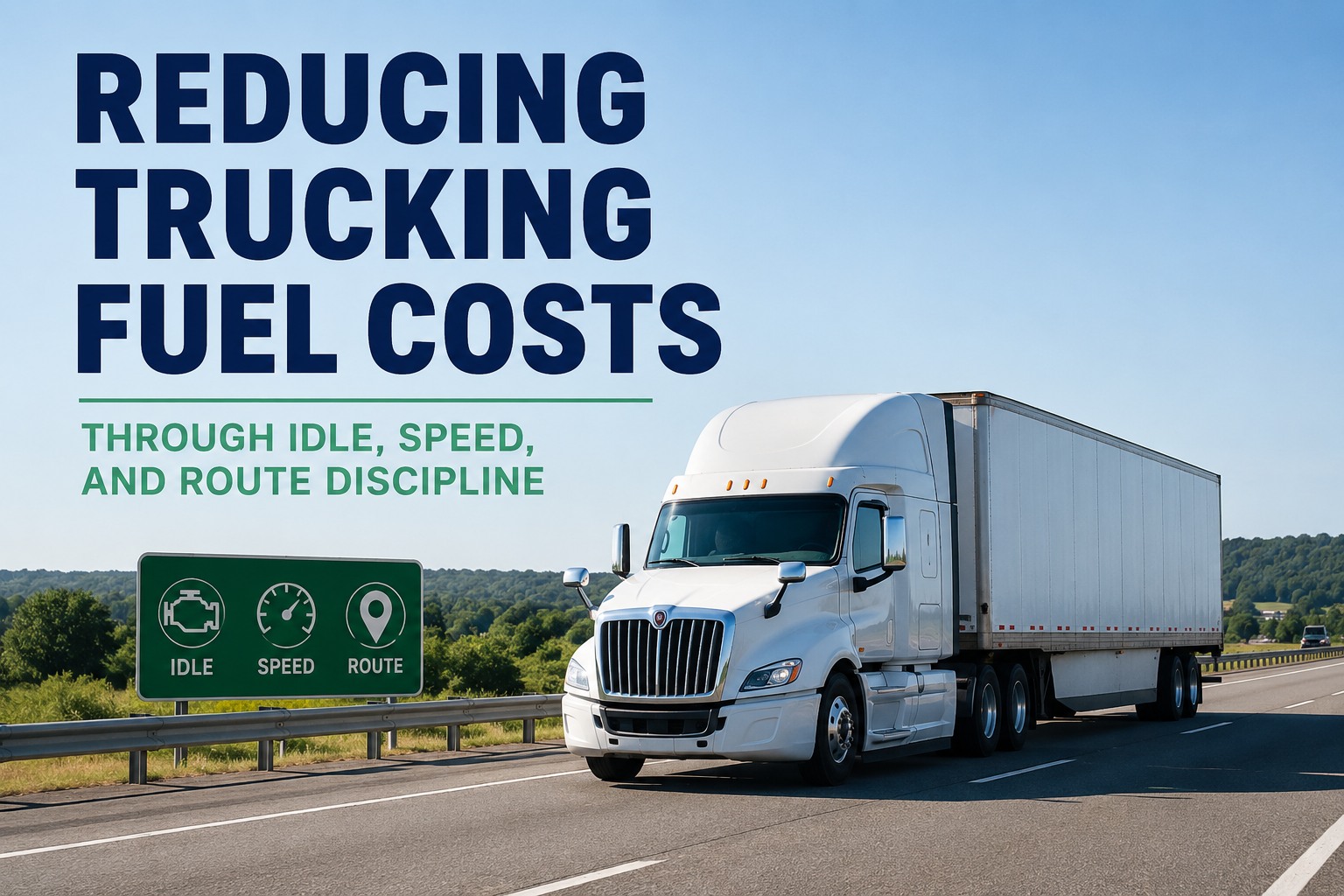
Reducing Trucking Fuel Costs Through Idle, Speed, and Route Discipline
Fuel is the biggest controllable trucking cost. Target idle, speeding, and routing waste — and cut fuel spend without cutting deliveries or pushing drivers harder.
Where the Money Actually Burns
Before chasing cheaper diesel, look at how the fuel you already buy gets wasted. Three operational leaks account for the bulk of avoidable spend — and unlike fuel prices, every one of them is inside your control.
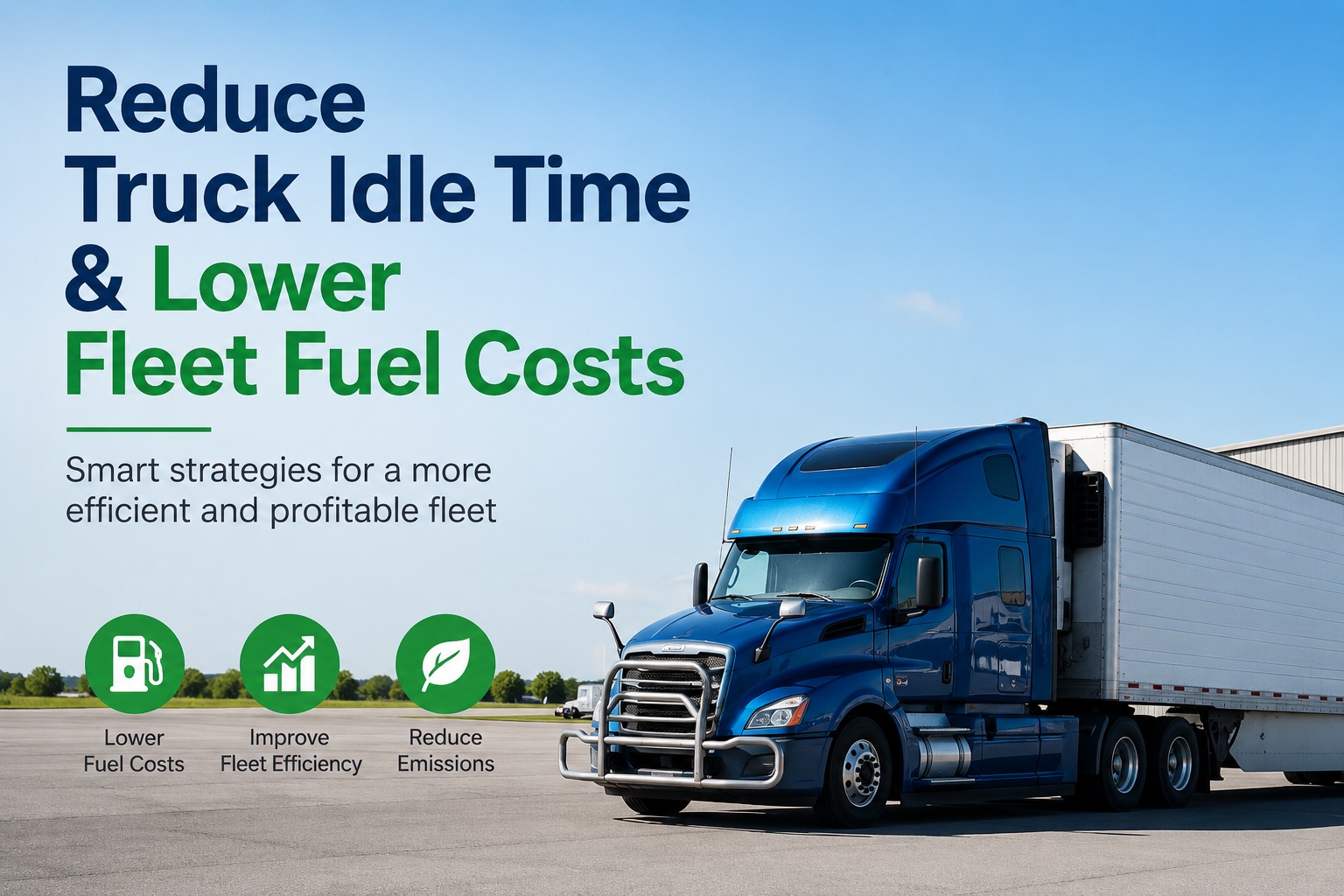
A heavy-duty truck burns about 0.8 gallons every hour at idle — fuel that moves zero freight. Idle is 100% waste, the highest-ROI fix of all.
Every 5 MPH over 60 costs roughly 0.7 MPG. Aggressive driving can cut highway fuel economy by up to a third — paid for one gallon at a time.
The industry runs 16.7% empty — and a deadhead mile burns the same diesel as a loaded one, with no revenue to offset it.
Lever 1: Idle Discipline
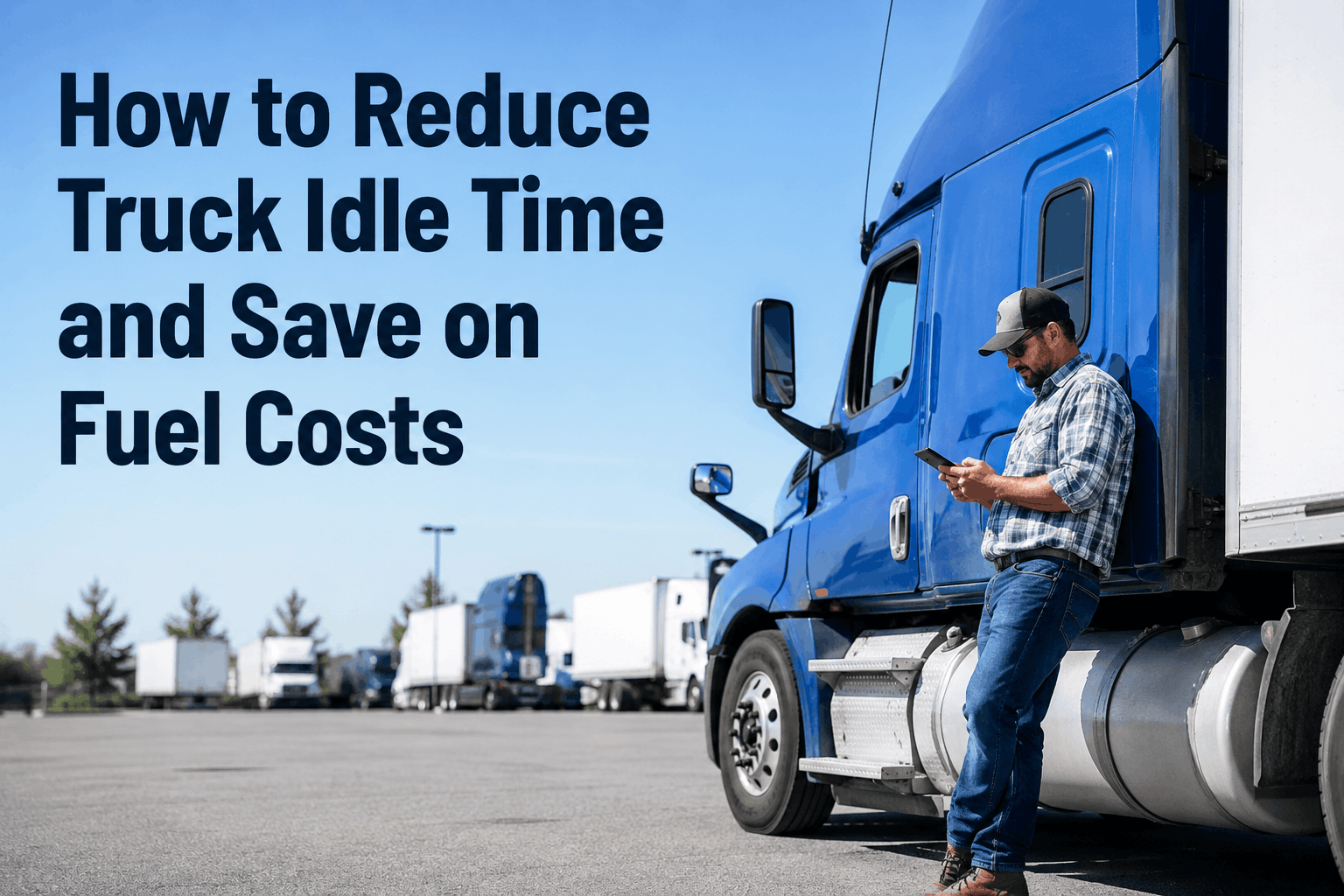
Idle fuel is the purest waste in the business — it produces zero revenue miles, and worse, it drives diesel particulate filter regenerations that burn even more. It's also the easiest lever to pull, because the target is simply "less."
Lever 2: Speed Discipline
Aerodynamic drag rises exponentially with speed, so the fuel penalty for going faster is brutal — and it usually isn't even buying meaningful time. Treat cruising speed as a margin lever, not a driver preference.
Across 100,000 annual miles, that 10 MPH costs about $14,600 per truck. Dropping from 68 to 63 MPH alone saves $3,000–$5,000 a year while adding only 8–10 minutes per 100 miles — and cruise control captures most of it by killing the throttle surges that waste fuel. See speed compliance on your fleet.
Make Every Gallon Visible
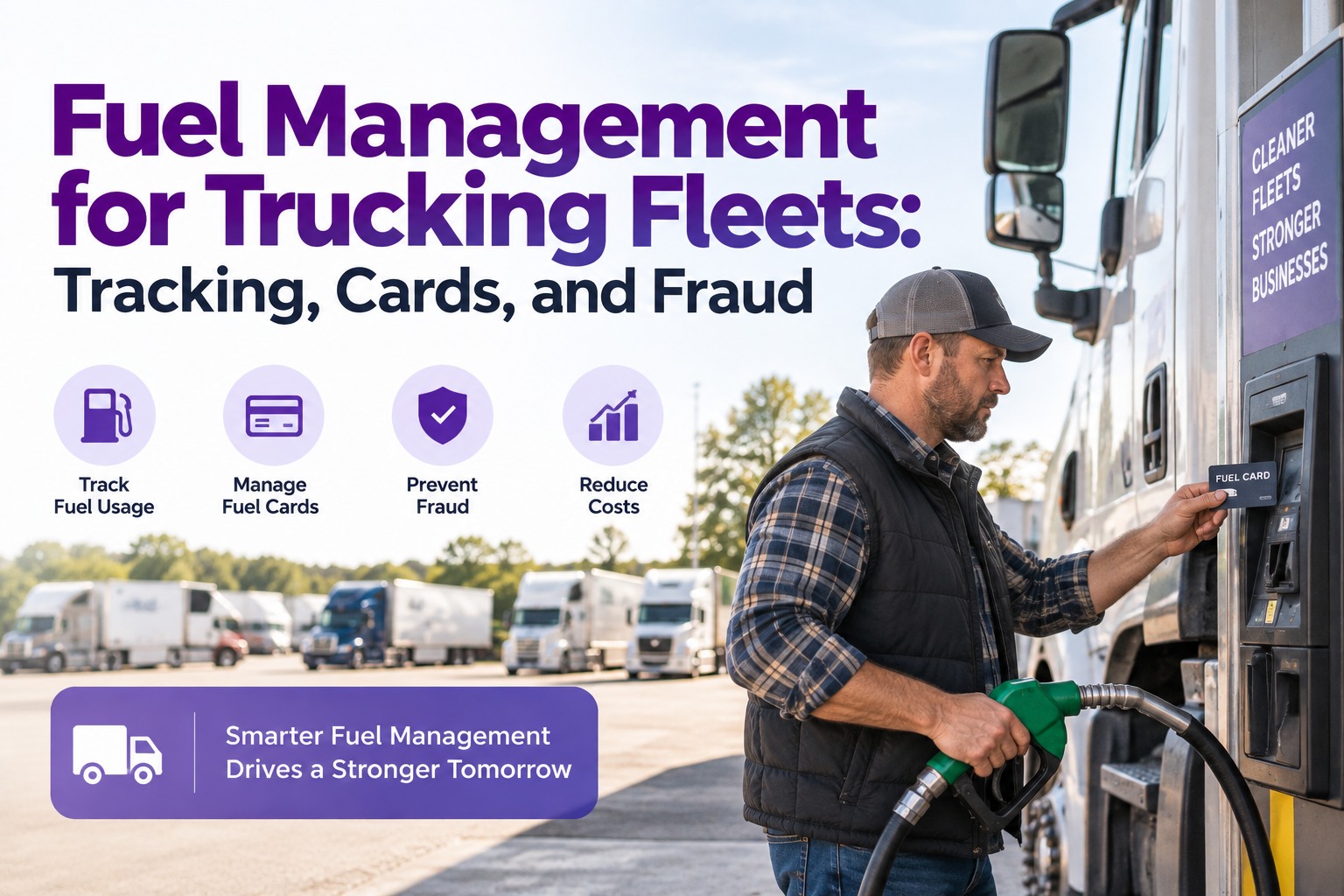
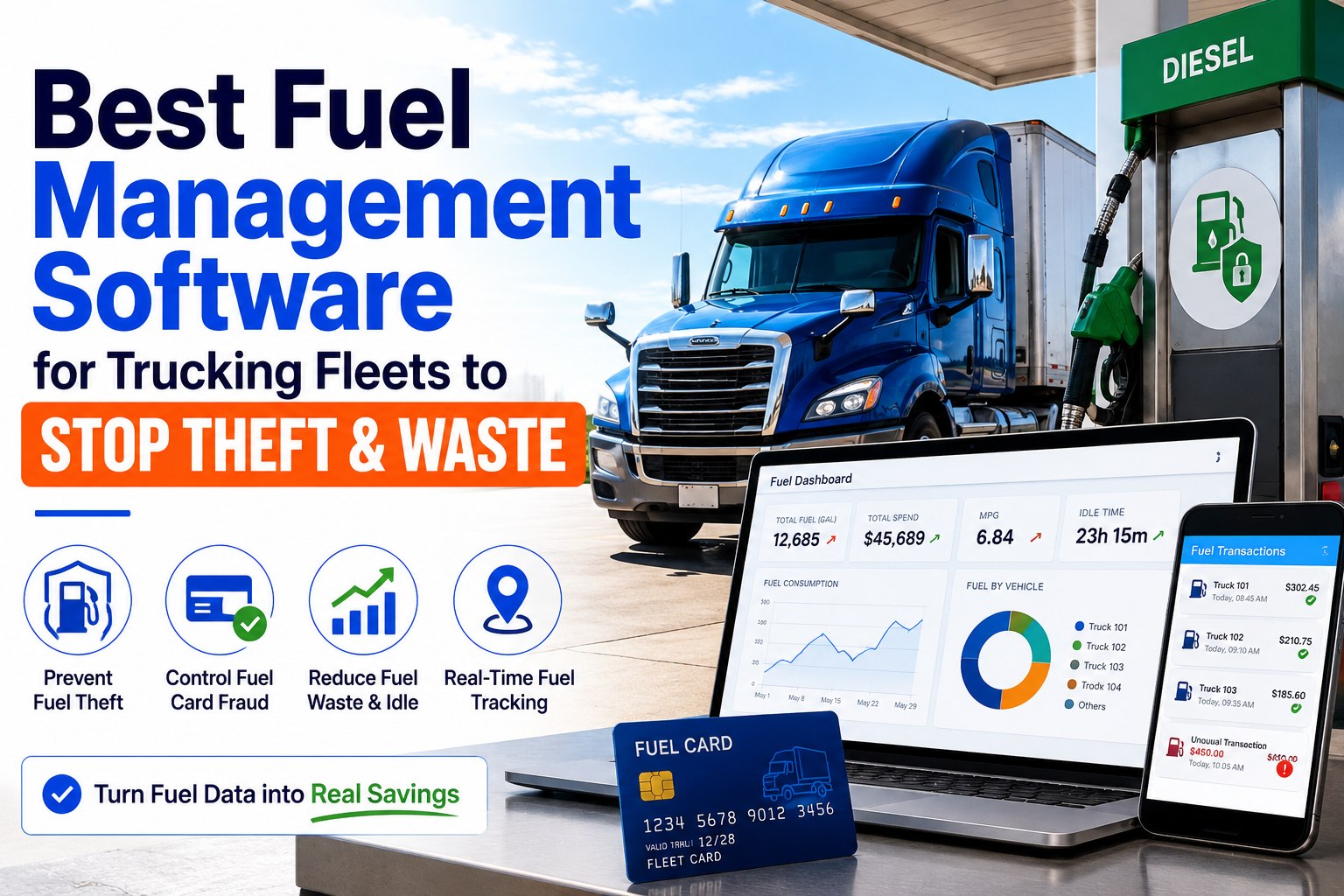
Truck Inspection & Maintenance tracks idle time, speed compliance, and route efficiency by truck and driver — turning fuel waste from invisible to fixable.
Lever 3: Route Discipline
The cheapest gallon is the one you never burn. Empty miles, backtracking, and high-traffic routing quietly inflate fuel spend on every load. Tightening routing removes cost and frees capacity for revenue miles at the same time.
The industry averages 16.7% empty miles. Fuel-aware dispatch that pairs return loads turns dead diesel into paid miles.
Sequencing stops to avoid backtracking and peak congestion cuts both miles and idle time stuck in traffic.
Every load is a fuel decision. A strong-looking rate can turn thin once deadhead and terrain are counted in.
The Lever You Can't Ignore: The Driver
Technology helps, but behavior decides. On identical routes in identical trucks, the gap between the best and worst drivers can exceed 30% in fuel burn. That's why coaching consistently delivers a bigger return than any single hardware upgrade — and a scorecard makes the gap impossible to ignore.
| Driver | Idle % | Speed compliance | MPG | Status |
|---|---|---|---|---|
| Driver A | 9% | 96% | 7.4 | Top performer |
| Driver B | 16% | 82% | 6.6 | On target |
| Driver C | 27% | 61% | 5.5 | Coach now |
The Compounding Payoff
No single lever is dramatic on its own. Stacked together, the small percentages compound into real money on every truck, every year.
Frequently Asked Questions
Idle reduction. Idle fuel is 100% waste because it moves zero freight, and it requires no capital — just alerts and accountability. A heavy-duty truck burns about 0.8 gallons per hour idling, so cutting idle from a typical 26% to around 11% can save a mid-size fleet hundreds of thousands per year. Speed discipline is a close second.
A lot. Every 5 MPH over 60 costs roughly 0.7 MPG. A 1,000-mile run at 65 MPH burns about 152 gallons; at 75 MPH it's 192 gallons — $146 more per trip. Across 100,000 annual miles that's roughly $14,600 per truck, and the faster speed usually saves only minutes that rarely convert to paid miles.
No. Dropping from 68 to 63 MPH adds only 8–10 minutes per 100 miles while saving $3,000–$5,000 per truck a year. Idle and route improvements don't affect transit at all. Time-critical lanes can run different speed settings — the point is to treat speed as a deliberate margin decision rather than leaving it to habit.
Driver behavior. On the same route in the same truck, technique — idle habits, speed, smoothness, anticipating traffic — drives a 30%+ swing in fuel consumption. That's why behavior coaching typically returns more than any single technology investment, and why a per-driver scorecard is the fastest path to fleet-wide savings.
It makes the waste visible and fixable. Truck Inspection & Maintenance tracks idle time, speed compliance, and route efficiency by truck and driver, flags the outliers, and feeds a scorecard you can coach from. It also ties fuel-draining issues like underinflated tires into maintenance — so efficiency stays high without manual monitoring.
Cut Fuel Spend Without Cutting Deliveries
Truck Inspection & Maintenance turns fuel waste into a dashboard — tracking idle, speed, and route efficiency by truck and driver, flagging the outliers, and coaching the behavior that drives a 30% swing in burn, so you protect margin without slowing a single load.