Here's the uncomfortable truth that reframes every ELD buying decision: every device on FMCSA's registered list meets exactly the same legal floor. Compliance is table stakes, not a differentiator — which means the feature comparison charts vendors put in front of you are largely answering the wrong question. The things that actually determine whether an ELD helps or hurts your fleet are the ones rarely on those charts: whether the provider will still be registered in three years, whether your drivers can change duty status correctly under pressure at a roadside stop, and whether the data escapes into your maintenance and dispatch systems or dies in a fourth app nobody opens until an audit. FMCSA revoked 14 devices in March 2026 alone, and each revocation forces an emergency fleet-wide replacement on a roughly 60-day clock. Connect your ELD data to maintenance free. This guide walks the evaluation in the order that actually protects you.
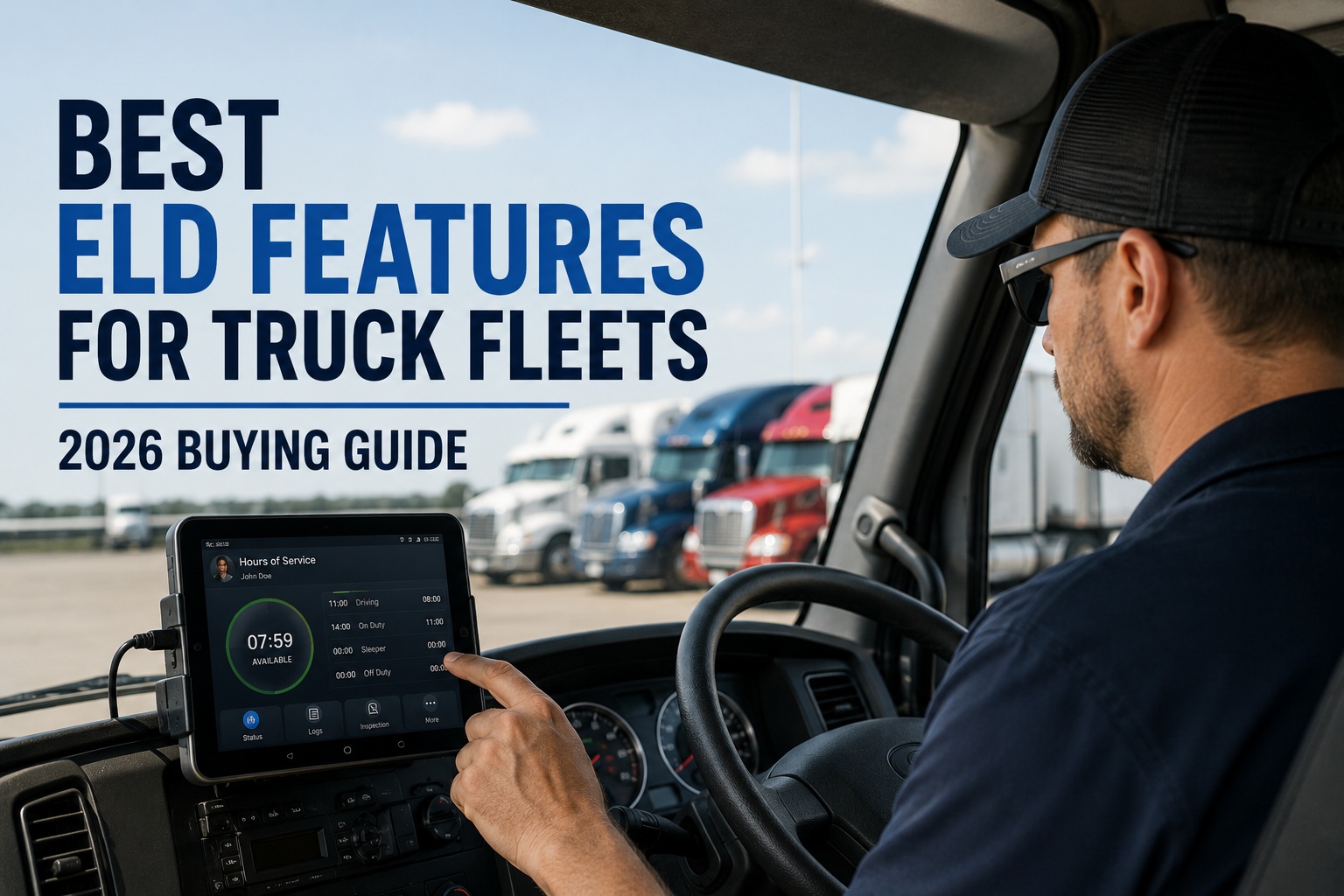
Best ELD Features for Truck Fleets: The 2026 Buying Guide
Every registered ELD meets the same legal minimum — so features aren't the differentiator. What separates a good ELD from an expensive mistake is vendor stability, driver usability, and whether the data actually connects to the rest of your operation.
Start Here: Is It Actually Registered?
Before any feature conversation, one check. Registration status can change without notice to buyers, and a revoked device is treated the same as having no ELD at all.
Go to the FMCSA registered ELD list and search the specific model name. Check it the day you sign the contract, not the day you first heard about the product.
Vendor websites and sales decks are not the registry. A provider's claim of compliance is not the same as current registration status on FMCSA's own list.
The Vendor Stability Test
Because revocation risk is the biggest financial exposure in an ELD contract, evaluate the company as seriously as the device. Six questions separate providers you can sign a multi-year deal with from the ones likely to be revoked themselves.
A provider who can't answer these directly hasn't thought through what their customers face when a removal happens.
Where Violations Actually Come From
HOS violations exceeded 500,000 in 2025, and a significant share come from log errors rather than deliberate falsification. That reframes usability from a nice-to-have into your primary compliance control.
A driver who can't quickly and correctly change status generates errors that land in your SMS record. This is the single most-used function on the device.
Misread prompts for unassigned driving time create logs that don't reconcile — a common source of violations that look like falsification but aren't.
Pulling up an inspection-ready summary and transferring logs to an officer, under pressure, is where a confusing interface costs you most.
If your drivers work in Spanish or another language, an English-only interface is a violation generator regardless of how good the software is.
The Feature That Pays for Itself: Integration
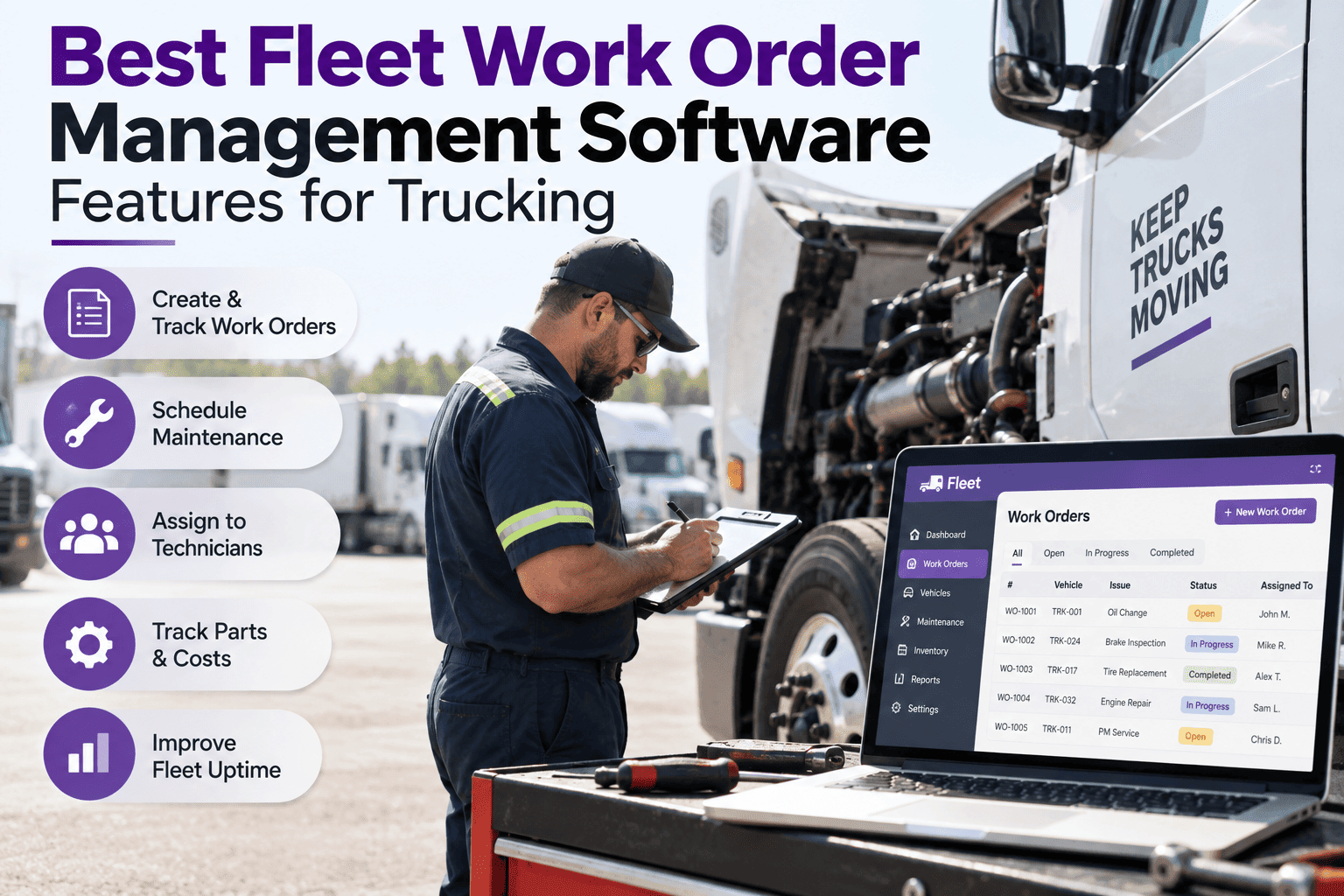
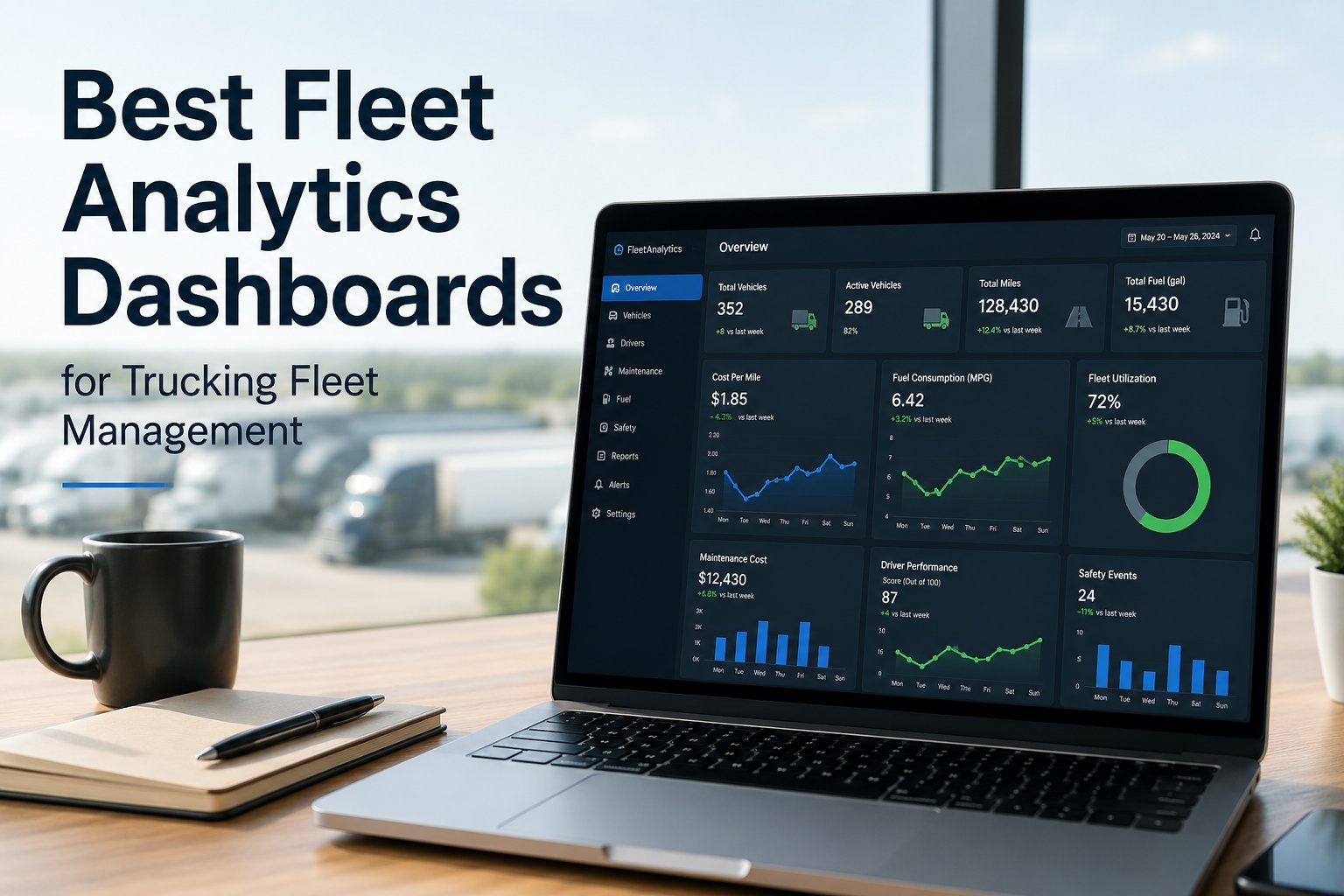
An ELD already knows your engine hours, fault codes, and odometer readings — the same data your maintenance schedule depends on. If it stays locked inside the ELD app, you're hand-entering numbers that already exist. Truck Inspection & Maintenance connects to major ELD and telematics providers so engine hours drive PM intervals automatically, fault codes surface as work orders, and DVIRs flow into the same defect-to-repair chain your auditors ask about — instead of living in a separate system nobody opens until something goes wrong.
Baseline vs. Differentiator
Sorting features into what every registered device already does versus what genuinely varies is how you stop paying for a checkbox and start buying capability.
Don't pay a premium for these. They're the legal minimum, identical across the registry.
This is where the money and the risk actually live — and where vendor comparison is worth your time.
What It Really Costs
ELD pricing is notorious for headline rates that don't survive contact with a real invoice. Build the comparison on total cost over the contract term, not the monthly sticker.
The Evaluation Order
Run the decision in this sequence and you'll disqualify bad options before wasting time on their feature lists.
What's the most important ELD feature to look for?
Arguably it isn't a feature at all — it's vendor stability, because every device on FMCSA's registered list already meets the same legal compliance floor. Automatic HOS recording, duty status logging, location capture, roadside transfer, and malfunction reporting are identical baseline capabilities across the registry, so paying a premium for them makes little sense. What genuinely varies between providers is driver app usability, integration with your existing maintenance and dispatch systems, API quality, support responsiveness, data portability if you leave, firmware update cadence, and contract flexibility. Of those, integration and usability produce the most measurable return: usability because log errors drive a large share of HOS violations, and integration because ELD data like engine hours and fault codes should be feeding your maintenance schedule automatically rather than sitting in a silo. Start a free trial to connect your ELD data.
How do I check if an ELD is FMCSA registered?
Go directly to FMCSA's registered ELD list and search the specific model name yourself — do not rely on the vendor's website, sales materials, or a salesperson's assurance. Registration status can change without any notice to buyers, which is why the timing matters as much as the check: verify the day you sign the contract, not the day you first heard about the product. This single step is the highest-value five minutes in the entire buying process, because purchasing a device that's already revoked or gets revoked shortly after puts you in violation during any roadside inspection. It's also worth re-checking your existing devices periodically rather than assuming they've stayed registered, since vendors don't always notify customers promptly when their own device is pulled from the list. Ask about compliance monitoring.
What happens if my ELD gets revoked?
FMCSA posts the device to the revoked list and issues an industry-wide notice, and you typically get around 60 days to move to a device on the current registered list. During that transition window, affected drivers generally revert to paper records of duty status or other logging software. The critical deadline is the end of that window: after it passes, a driver still using the revoked device is treated as operating without an ELD, which is a §395.8(a)(1) violation that can put them out of service on the spot — and paper logs no longer satisfy the requirement either. Practically, a revocation means emergency hardware procurement, fleet-wide reinstallation, driver and back-office retraining, and potential loss of historical data if the outgoing vendor becomes unresponsive, which is common since many revocations happen because providers shut down or stopped maintaining compliance. Assume your vendor won't be the one to tell you. Start free and keep records stable.
How much should an ELD cost?
The typical range in 2026 runs roughly $15 to $45 per vehicle per month, but that headline number is frequently misleading because vendors quote "starting from" pricing that excludes real costs. To compare honestly, get a quote that includes hardware purchase or lease, the monthly per-vehicle subscription, any data plan charges, DVIR or IFTA module fees (these are often separate add-ons), customer support tier costs, and installation. Then compare total cost of ownership across the full contract term — usually three years — rather than the monthly sticker price, since a cheap monthly rate attached to expensive hardware and paid add-ons can easily exceed a higher-priced all-inclusive option. Anything materially above the typical range should come with exceptional feature justification or network reliability. Also read the exit terms carefully: a three-year lock-in is a long commitment to a vendor whose registration status is outside your control. Start free and compare real costs.
Should my ELD integrate with maintenance software?
Yes, and it's one of the most practical returns available from an ELD purchase. The device is already capturing engine hours, odometer readings, and diagnostic fault codes — exactly the data your preventive maintenance schedule runs on. Without integration, someone hand-enters numbers that already exist somewhere else, which wastes time and introduces errors. With it, engine hours drive PM intervals automatically, fault codes surface as work orders before they become breakdowns, and DVIR entries flow into the defect-to-repair chain that auditors examine. The broader principle is that standalone ELDs create data silos that quietly break compliance workflows over time, because the log data, the inspection data, and the maintenance data all describe the same vehicle but live in separate systems. When evaluating vendors, ask specifically for API documentation and confirm data format compatibility with what you already run — and don't take a general "we integrate" claim at face value. Start free and link ELD data to maintenance.
Make Your ELD Data Actually Work
An ELD that only satisfies the mandate is a cost. One whose data reaches your maintenance system is an asset. Truck Inspection & Maintenance connects with major ELD and telematics providers to turn engine hours into automatic PM triggers, fault codes into work orders, and driver inspections into a documented defect-to-repair chain — so the compliance data you're already paying to collect starts preventing breakdowns too.