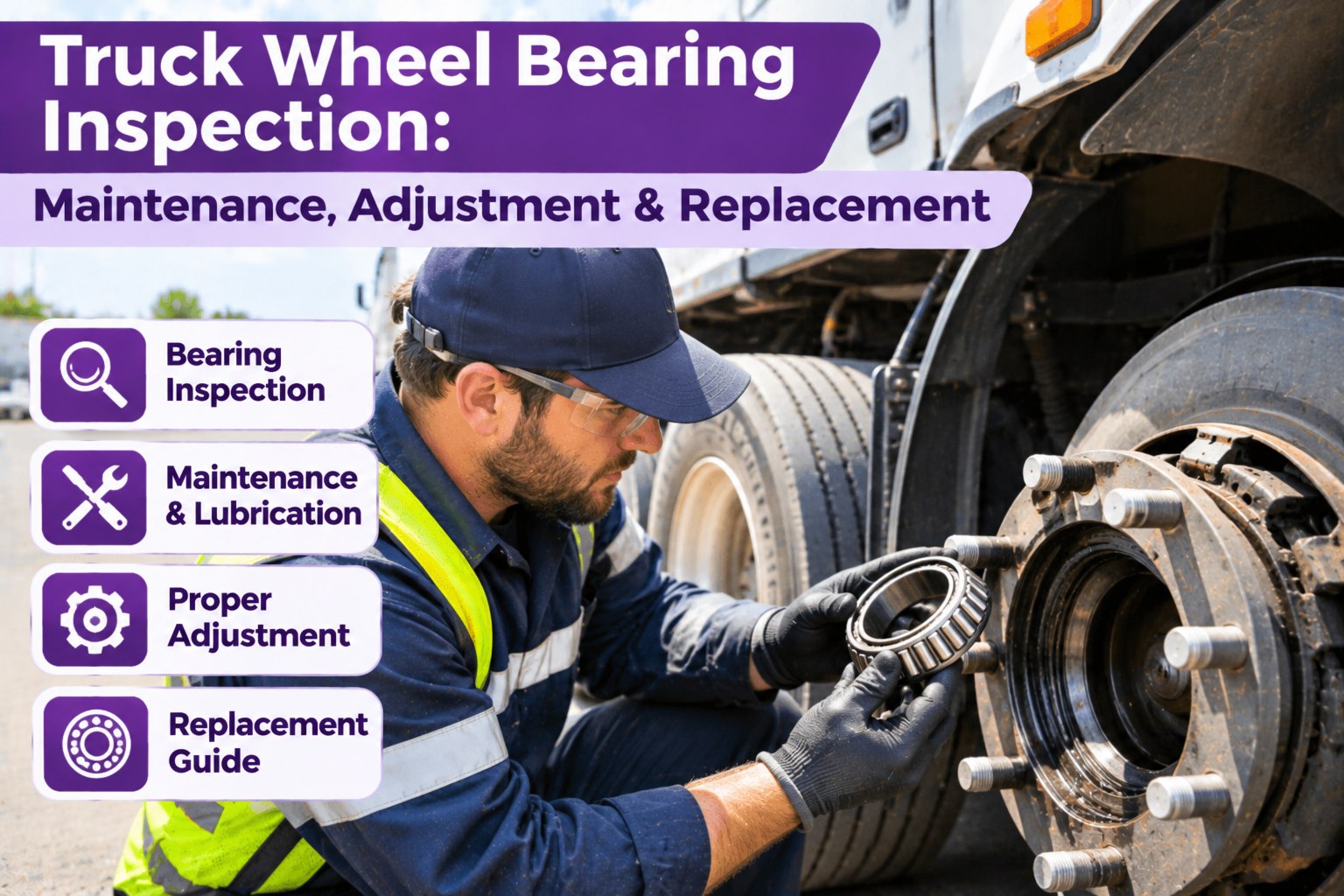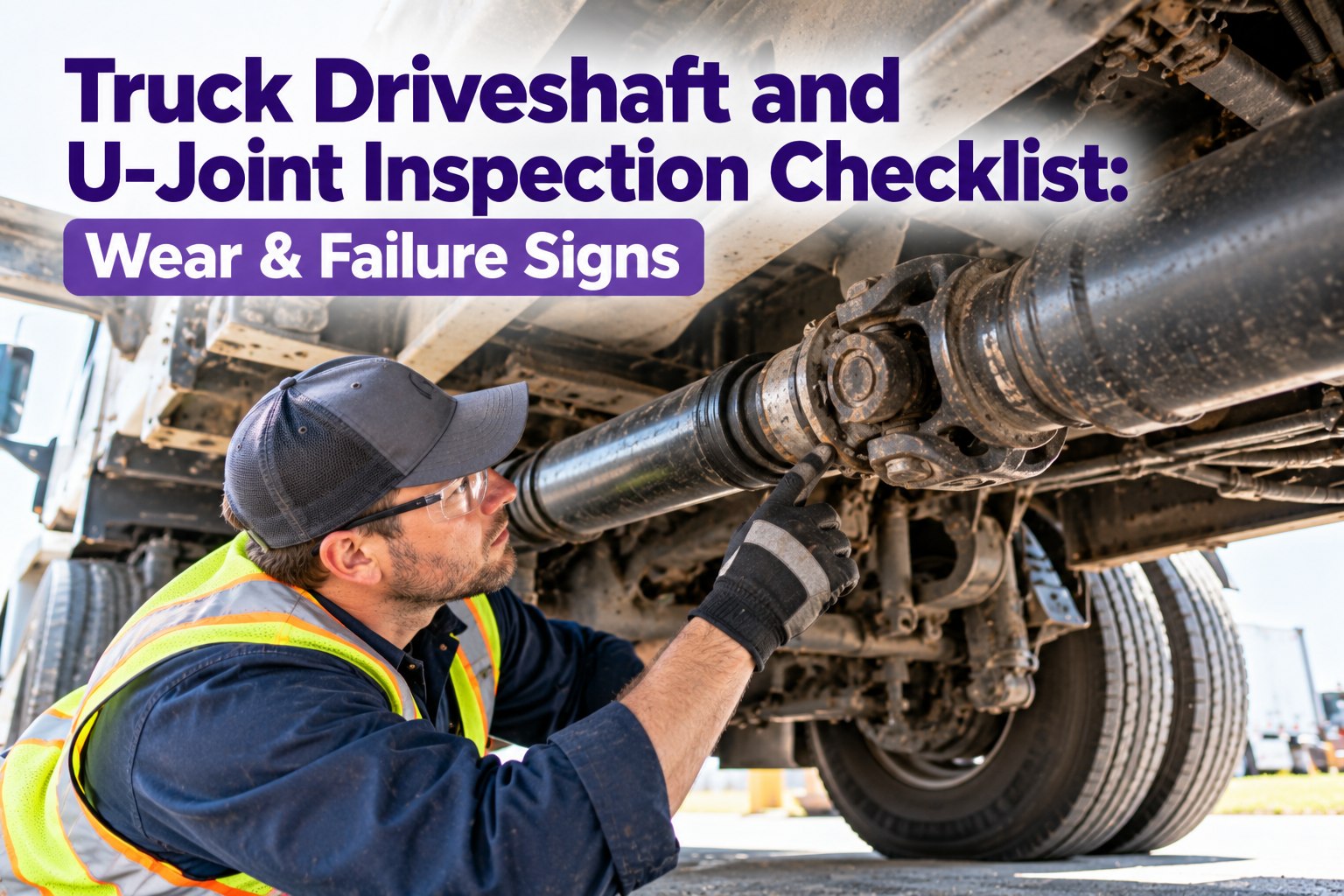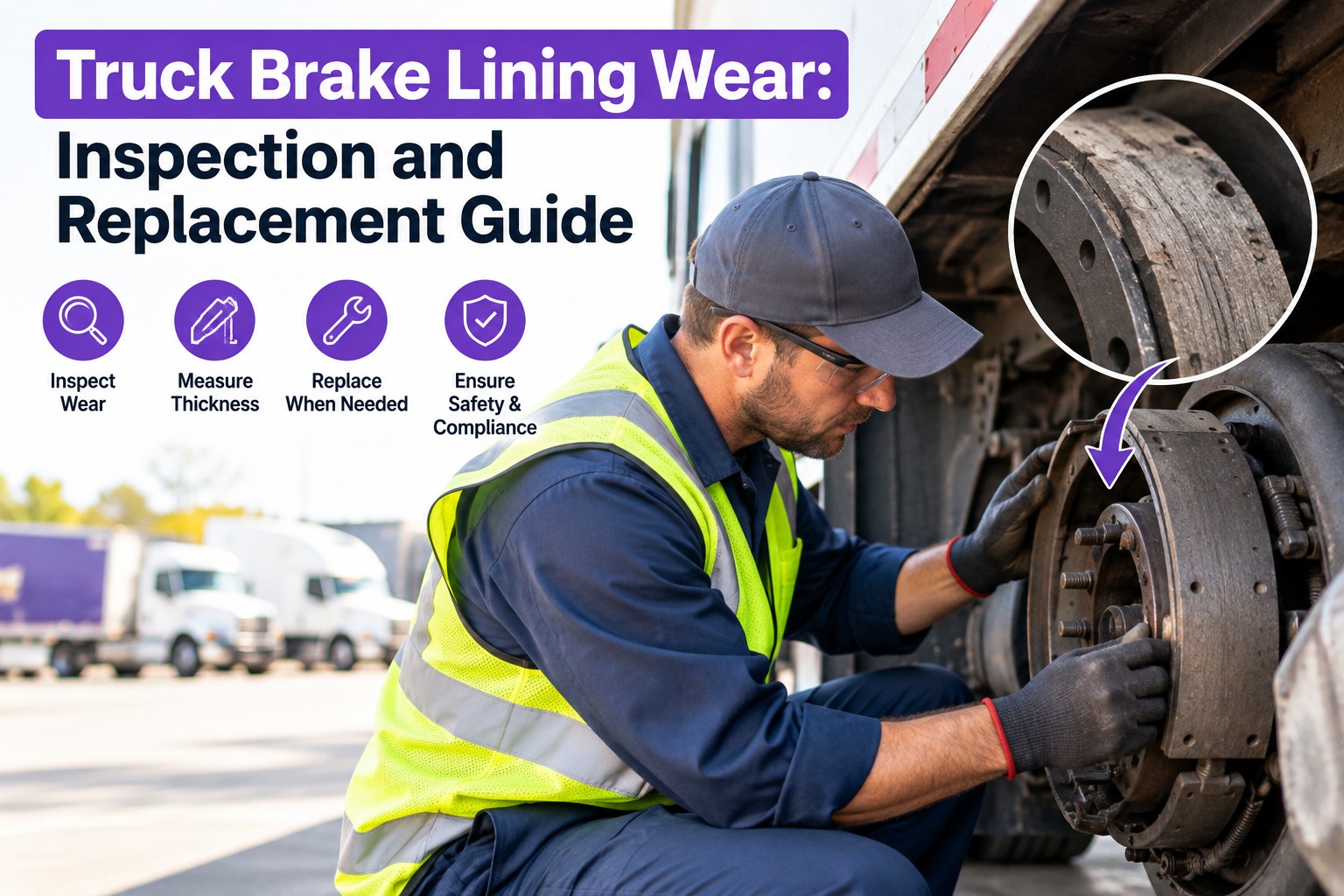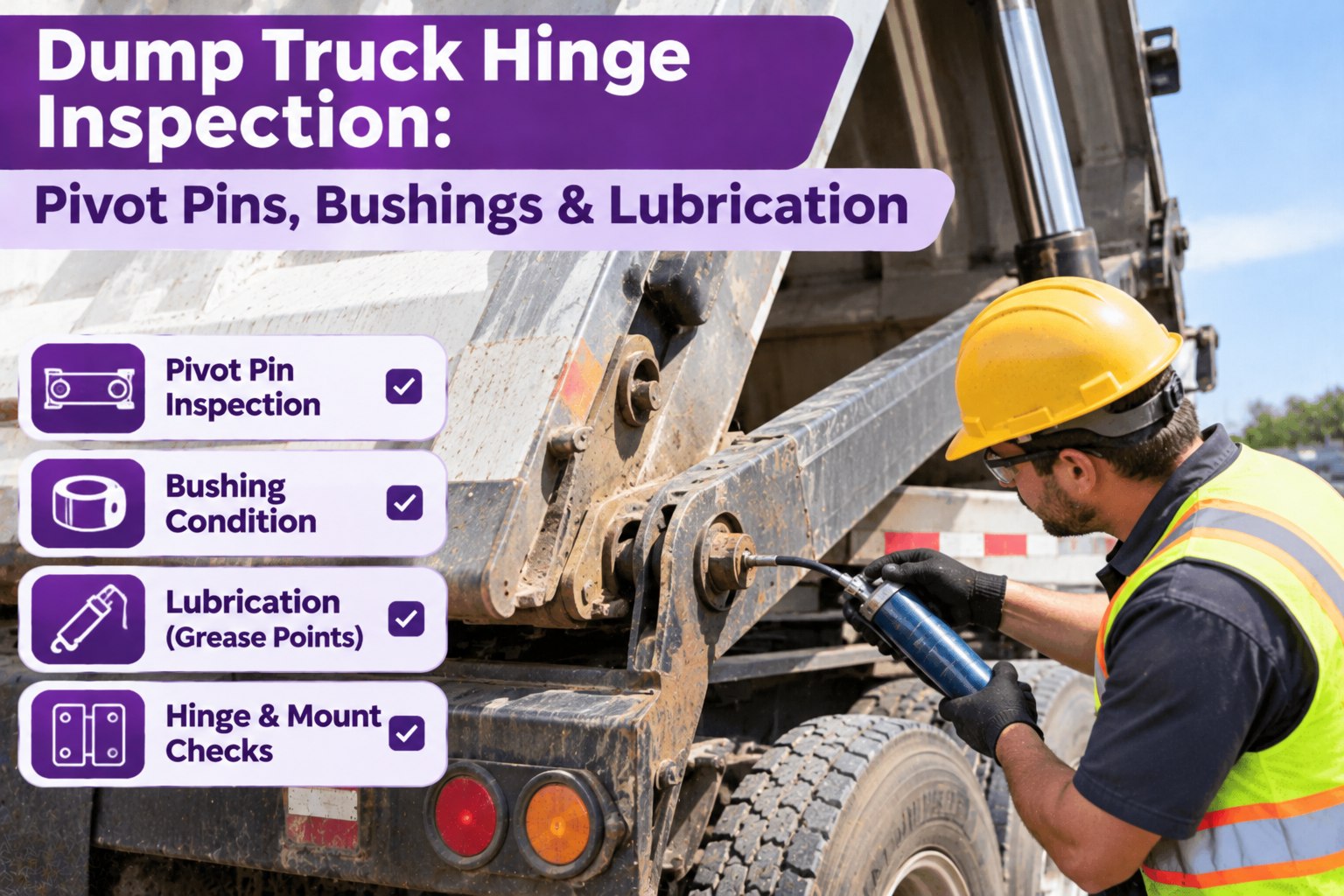
The rear hinge of a dump body does a hard job quietly. Every time the body rises, the whole load pivots on a couple of steel pins and bushings that sit low, behind the wheels, in the dirt and water your truck works in. When they are greased and snug, nobody thinks about them. When they run dry or wear loose, the body starts to rack, the hinge brackets crack, and a pin that should hold for years can work its way out at the worst moment. This dump truck hinge inspection checklist covers what to look at, what each sign means, how to lubricate correctly, and when worn parts should be repaired instead of watched. Start free and add a hinge check to every dump truck inspection.
Dump Truck Hinge Inspection: Pivot Pins, Bushings & Lubrication
Report a worn pin, a dry bushing, or a cracked bracket in Truck Inspection & Maintenance Management Software and get a guaranteed 4-hour first response: acknowledged, graded, and assigned. The finding then runs through a work order to a completed repair, with photos and history on the truck's record.
Know the Hinge: Six Parts to Inspect
Layouts differ by manufacturer and body type, so use your truck's service manual for exact locations. These are the parts most hinge problems start with.
The Four-Sense Inspection Checklist
You do not need special tools to spot most hinge trouble. Look, listen, feel, and measure, with the body lowered and supported.
- Fresh grease at the joint, not dry or crusty
- Rust-colored dust or streaks at the pin, a sign of metal rubbing
- Cracks in brackets, welds, or around pin holes
- Retainers, bolts, and keepers present and tight
- Pin sitting centered, not creeping to one side
- Clunks or bangs when the body starts to lift
- Squeaks or groans during the dump cycle
- Knocking when the body settles back down
- Any new noise compared with last week
- Loose or rocking movement at the hinge, with the body down and supported
- Unusual heat at one joint after use
- Grease fittings that take grease easily
- Brackets that flex or shift under load
- Pin diameter and bushing bore against the maker's wear limits
- Gap or play at the joint using a feeler gauge or dial indicator
- Elongation of pin holes in the brackets
- Record the readings by truck to see the trend
What the Signs Usually Mean
A symptom is a clue, not a diagnosis. Use this as a guide, and have a qualified technician confirm the cause.
Lubrication Done Right
Grease is the cheapest protection a hinge has. Use the grease your manufacturer specifies and follow their schedule as a baseline.
These conditions usually mean greasing more often than the baseline. Adjust the interval from what you find at each inspection.
Never Lose Track of Which Truck Was Greased and When
Schedule hinge greasing as a recurring PM, record each service, and open a work order the moment a check turns up wear. Start free or book a demo.
Keep Going, Repair Soon, or Park It?
Answer in order. The first yes tells you what to do.
Frequently Asked Questions
Turn Every Hinge Finding Into a Fix, Fast
Guided inspections, photo defects, traffic-light grading, work orders, and PM scheduling in one system built for trucking fleets. Start free to put hinge checks in your inspections, or book a demo and we will walk through it with your fleet in mind.