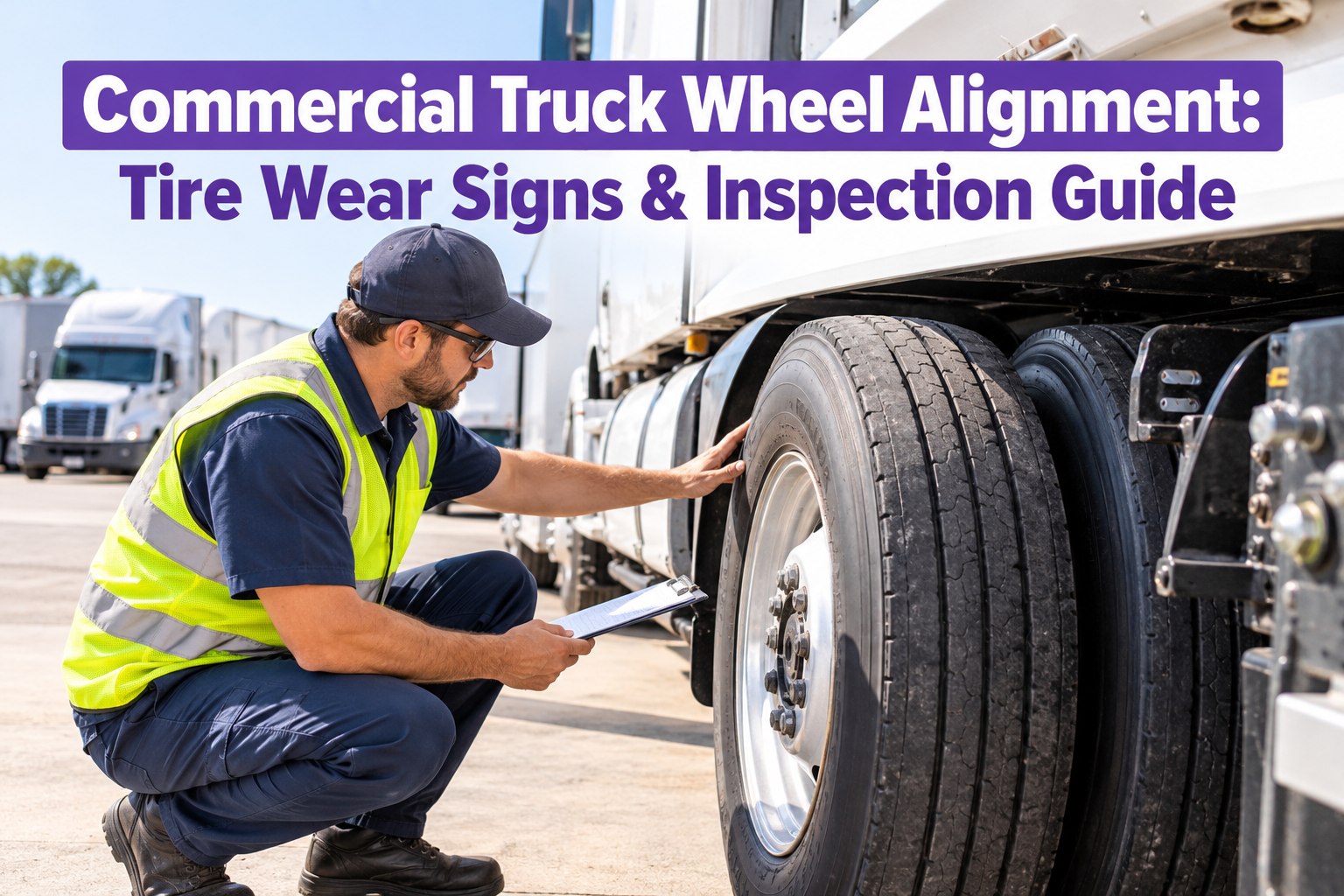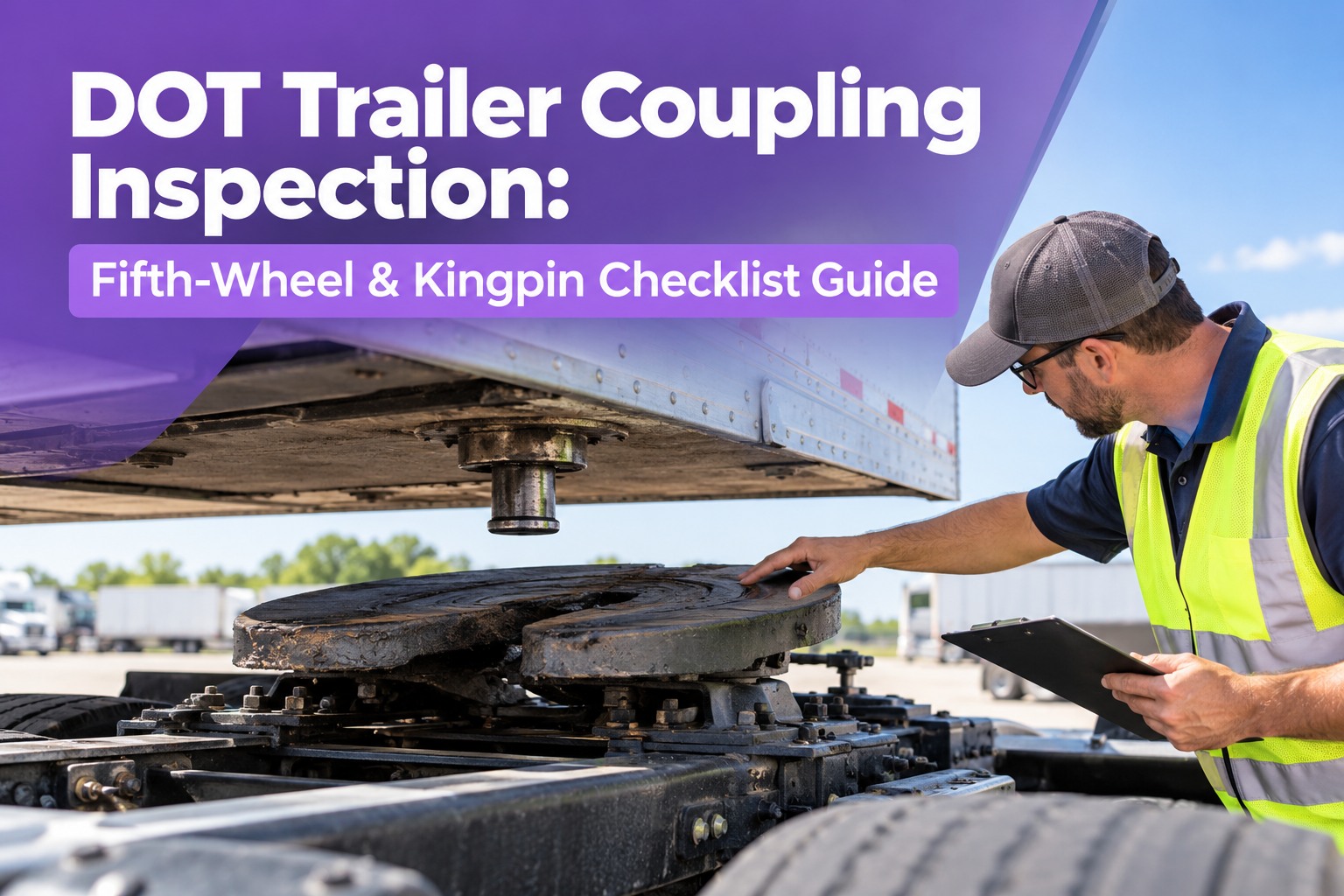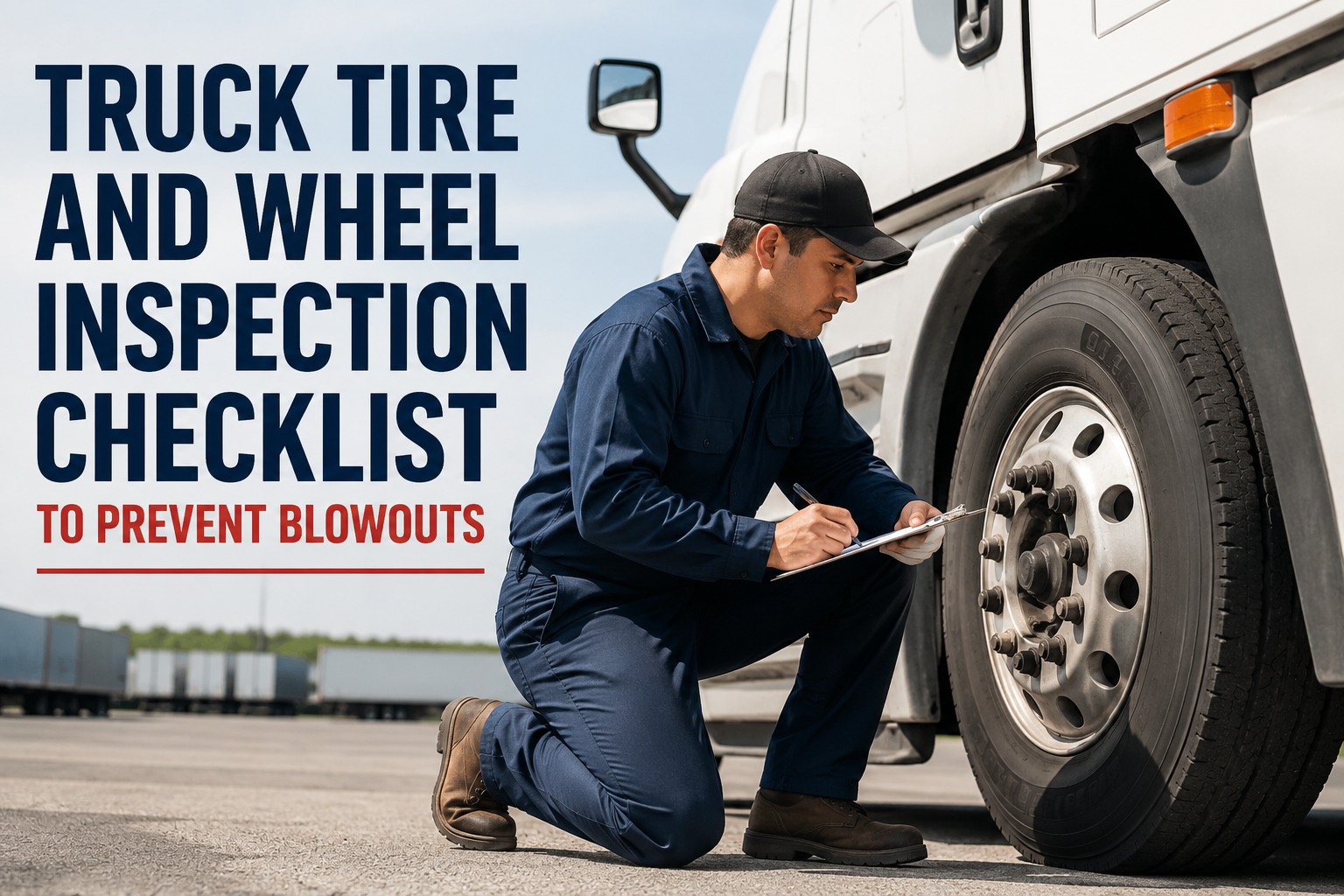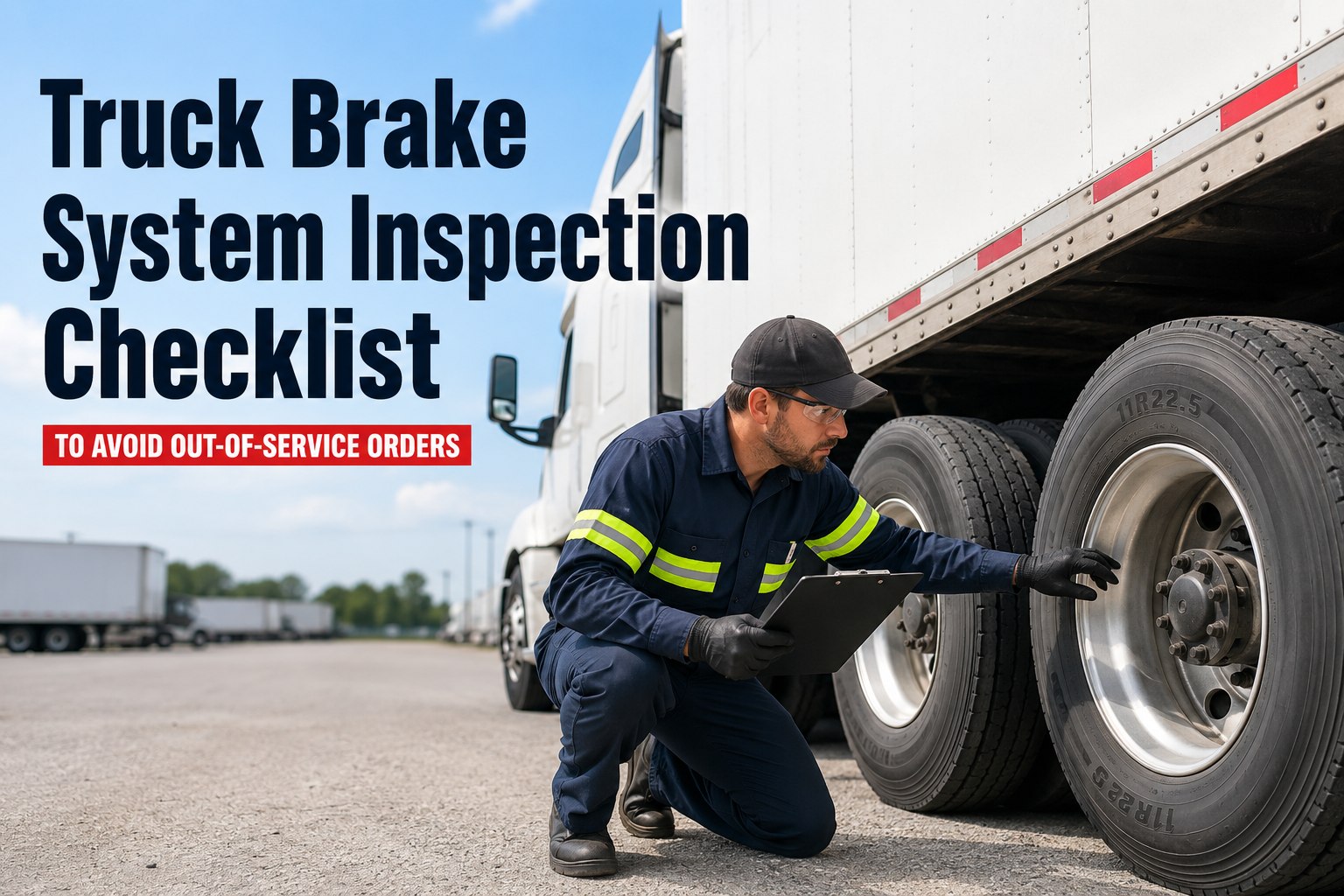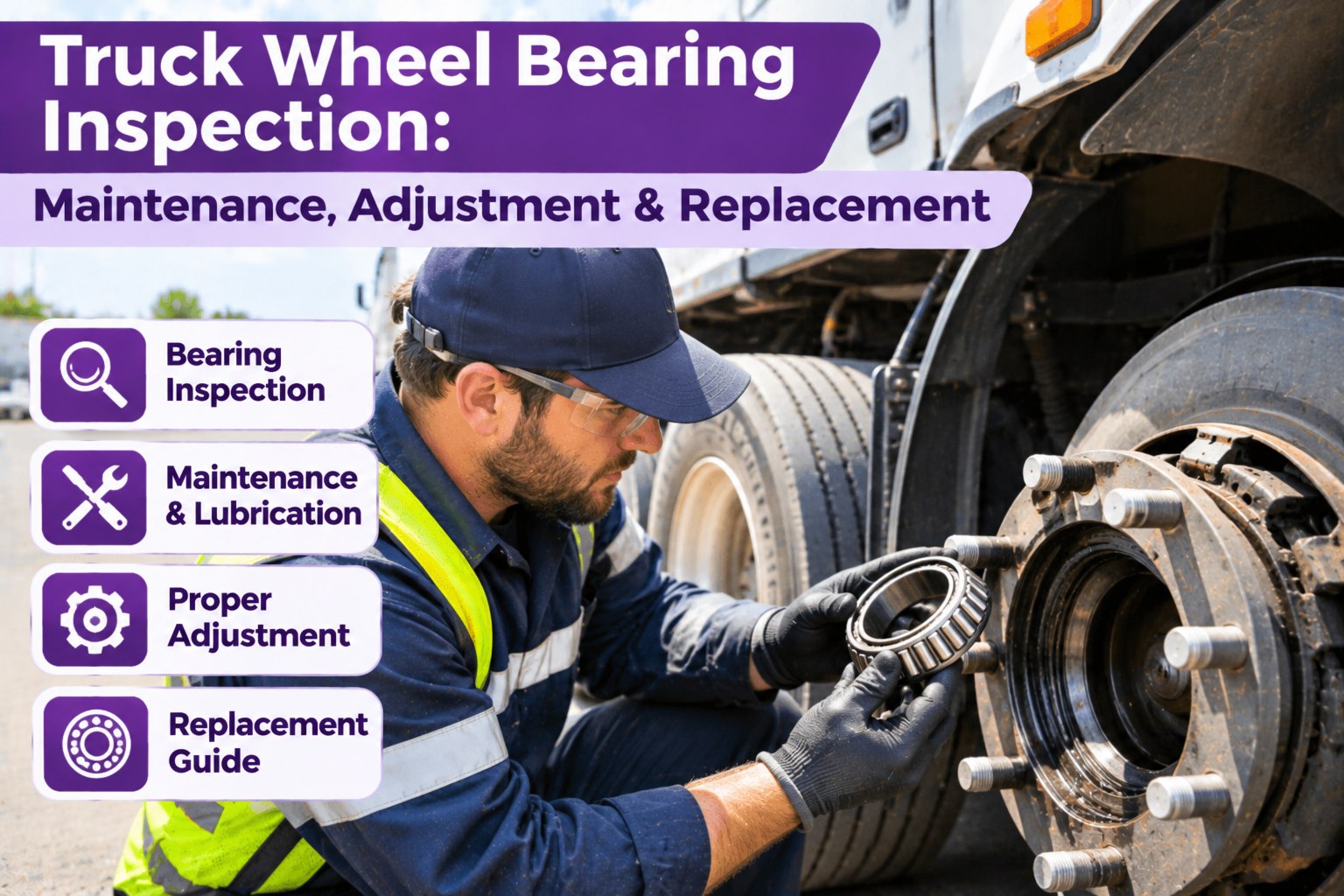
A wheel bearing is one of the few truck failures that almost always warns you first a faint growl, a warm hub, a trace of grease on the tire. Ignore those and the end of the story is a seized bearing, a seal fire, or a wheel that leaves the truck at highway speed. Wheel-ends are a quarter of every roadside out-of-service finding, yet most of those failures were preventable the week before. This guide covers the two bearing systems, the adjustment spec that decides everything, the warning signs in the order they appear, and when a bearing is past adjusting. Start free and put every wheel-end on the inspection.
Truck Wheel Bearing Inspection: Maintenance, Adjustment & Replacement
Two Bearing Systems, Two Service Philosophies
Before you inspect anything, know which wheel-end you're looking at — because one is adjusted by hand and one must never be touched. Getting this wrong is how a correctly "serviced" bearing fails anyway.
The technician sets the end play by hand using the RP 618 torque-and-back-off procedure, then verifies it with a dial indicator. Serviceable and rebuildable — but the result depends entirely on the tech and the tools.
A precision hub, tight-tolerance bearings and a spacer fix the dimension at the factory. It bolts on locked to spec, removing the adjustment mistake entirely — but never force or "re-adjust" one; you check it, you don't set it.
Setting End Play: The RP 618 Procedure
On a conventional wheel-end, TMC Recommended Practice 618 is the repeatable way to land inside that window. Skip a step and you're guessing — and the margin is unforgiving.
Far too few shops verify end play with a dial indicator — and feel alone can't find a four-thousandths window. Back the nut off a quarter turn and you move it roughly 0.020″, about four times the maximum spec. The dial indicator, on a rigid magnetic base, is the only thing that tells you where you actually landed. Always fit a new seal after bearing service — never reuse one.
The Warning-Sign Ladder: Bearings Signal Before They Seize
A wheel bearing rarely fails without notice. It climbs a ladder of symptoms, each one louder than the last — and each a chance to catch it in the bay instead of on the shoulder.
On a steer axle especially, a wheel-end symptom is never a "next PM" item — it comes off the road now. The value of logging each sign is that the hot hub a driver noted on Tuesday doesn't get forgotten by Thursday. Book a demo to see wheel-end findings tracked per position.
The Wheel-End Inspection
A commercial wheel-end is a stack of interdependent parts, each with its own failure point. The inspection is a short, disciplined pass through all of them.
A Hot Hub on Tuesday Shouldn't Be a Wheel-Off on Thursday
The difference between a caught bearing and a roadside separation is usually a record. Log the wheel-end on every inspection, tie a defect to a work order, and the warning climbs into the shop instead of sliding off the clipboard.
When to Replace, Not Just Adjust
Adjustment fixes clearance, not damage. Once a bearing shows any of these, it's past re-torquing — replace it, and replace its mate in the set.
Why Fleets Run Wheel-End PM in Software
Frequently Asked Questions
TMC Recommended Practice 618 sets it at 0.001″ to 0.005″ of axial movement — a window narrower than a sheet of paper — verified with a dial indicator after the adjustment. Too tight overheats the bearing; too loose lets the wheel wobble and the seal fail. Book a demo to record end-play settings per wheel.
They appear in order: low or contaminated lubricant, then a seal leak streaking the tire, then a hub running hot with a growl, and finally detectable play and rough rotation. Each rung is a chance to catch it before a wheel-off. Book a demo to track warning signs by position.
Conventional wheel-ends are adjusted by hand to the end-play spec and are serviceable; pre-set hub assemblies arrive locked to a fixed, factory-set clearance you check but never adjust. Knowing which you have decides whether you set the bearing or leave it alone. Book a demo to tag hub types across your fleet.
Replace it when the metal shows damage — bluing from overheating, spalling or pitting on the race, brinelling dents, or rough rotation by hand — or when the lube baked dry. Adjustment only fixes clearance, not a worn bearing, and the seal is always replaced. Book a demo to log replacement triggers.
Keep Every Wheel Where It Belongs
Truck Inspection & Maintenance Management Software puts the wheel-end on every inspection, turns a hot hub or seal leak into a scheduled repair, and keeps a per-position service record ready for any audit.