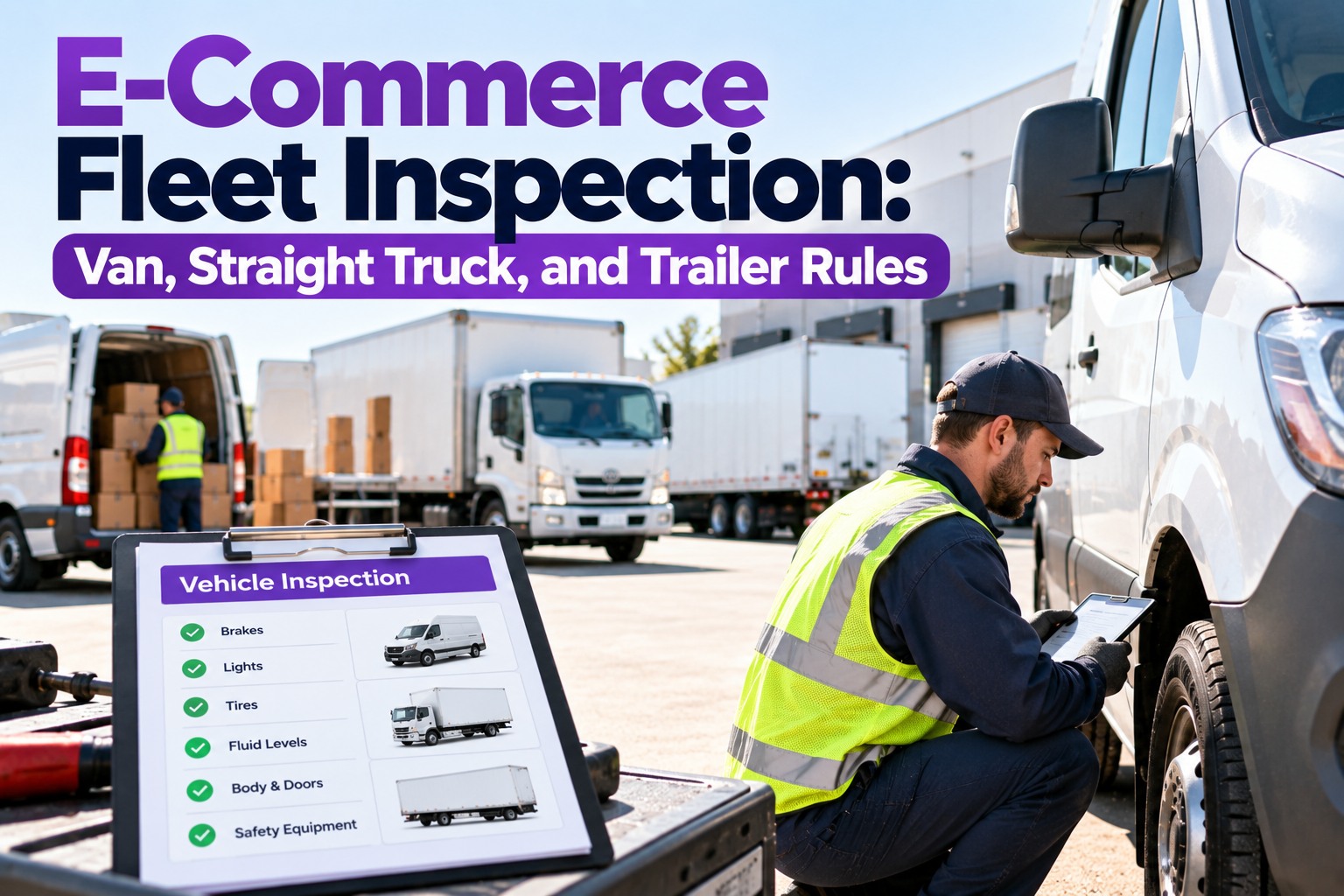
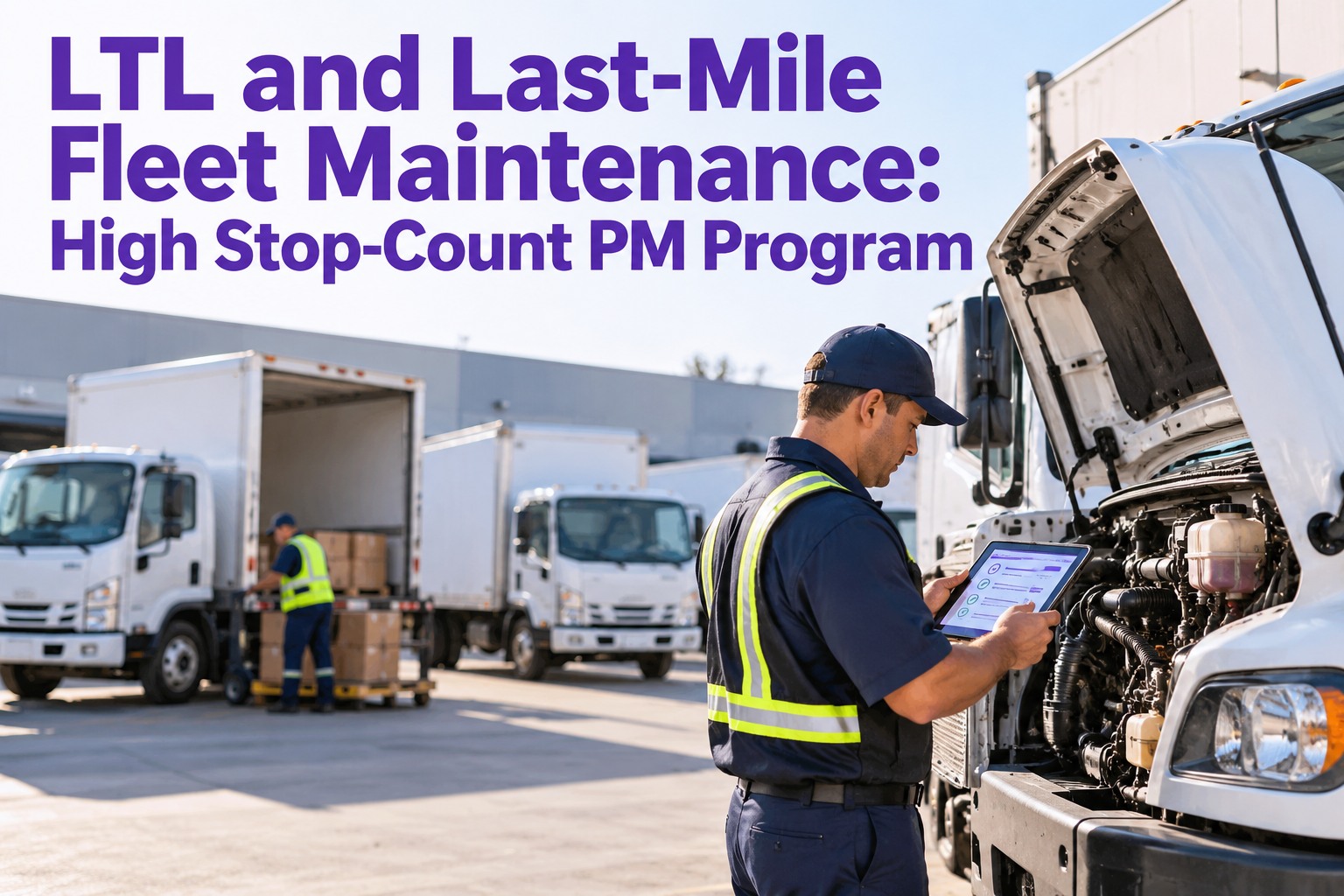
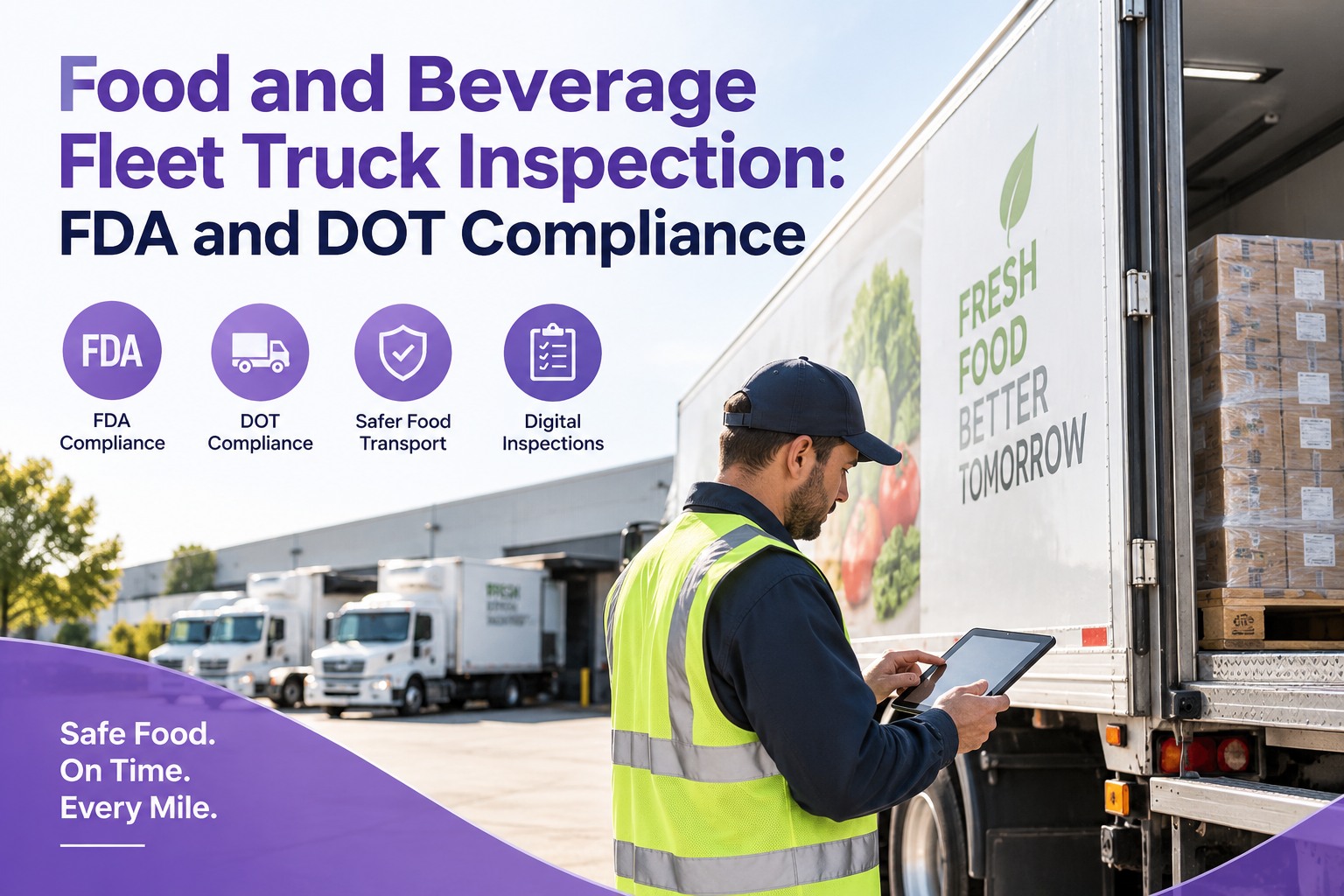
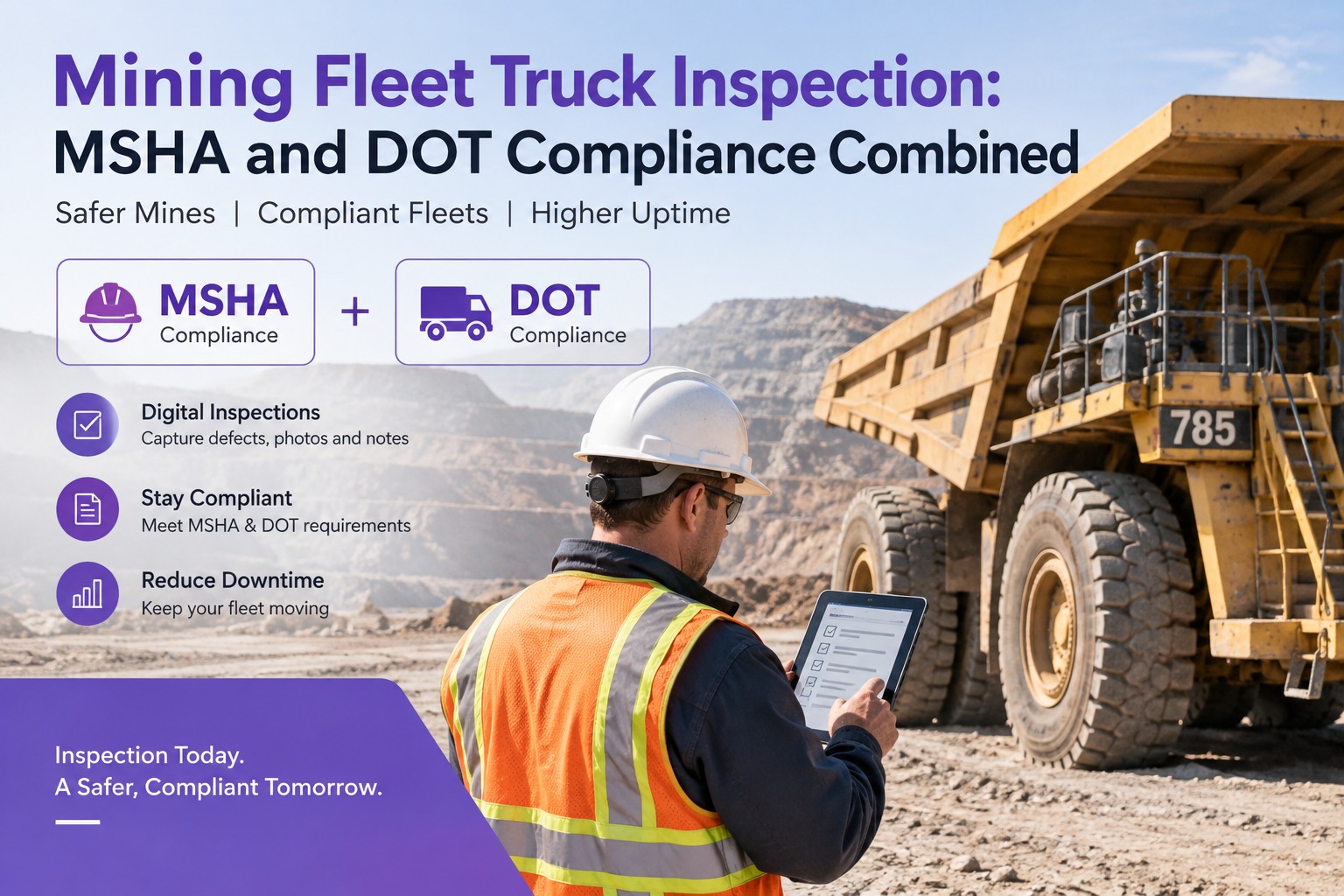
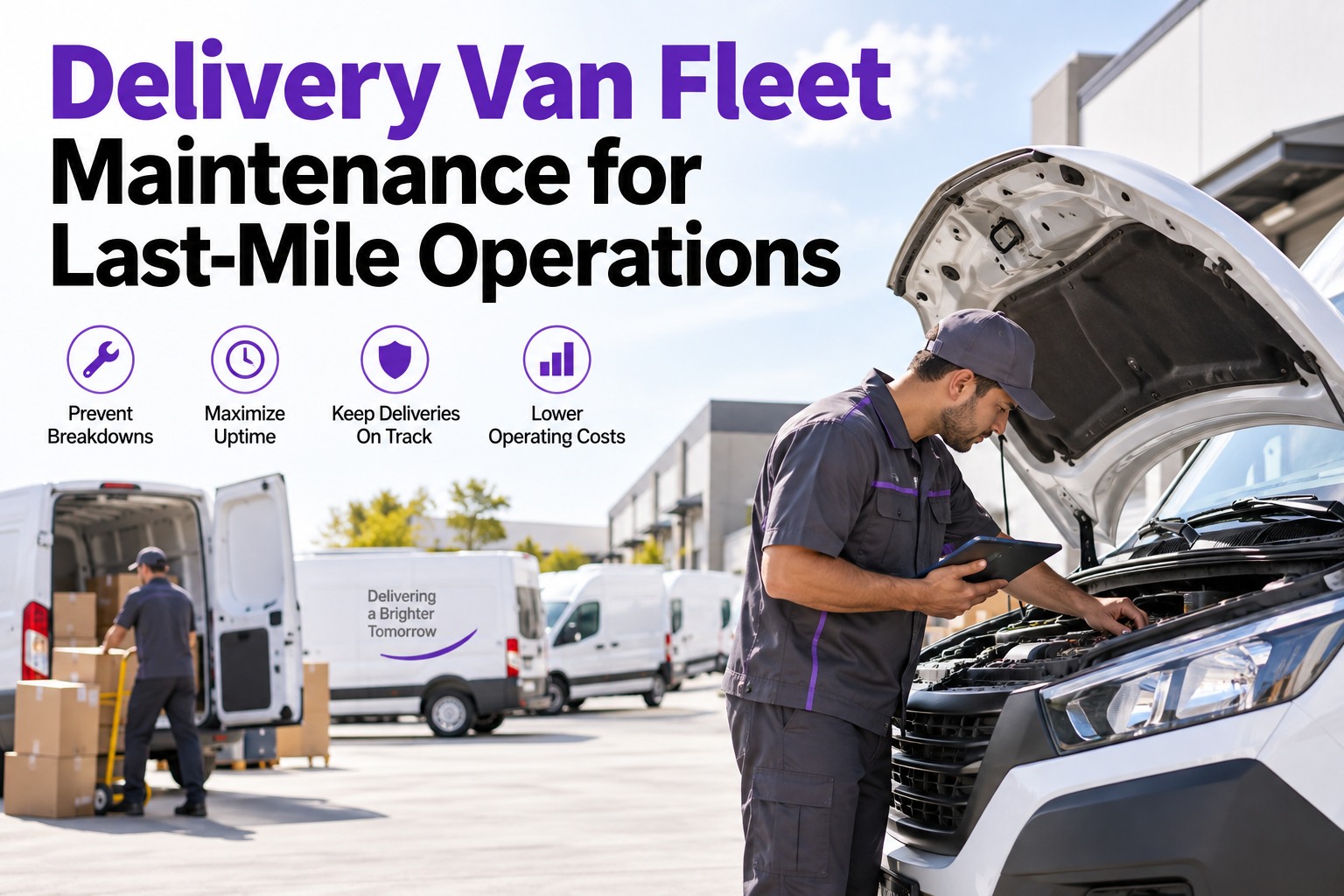
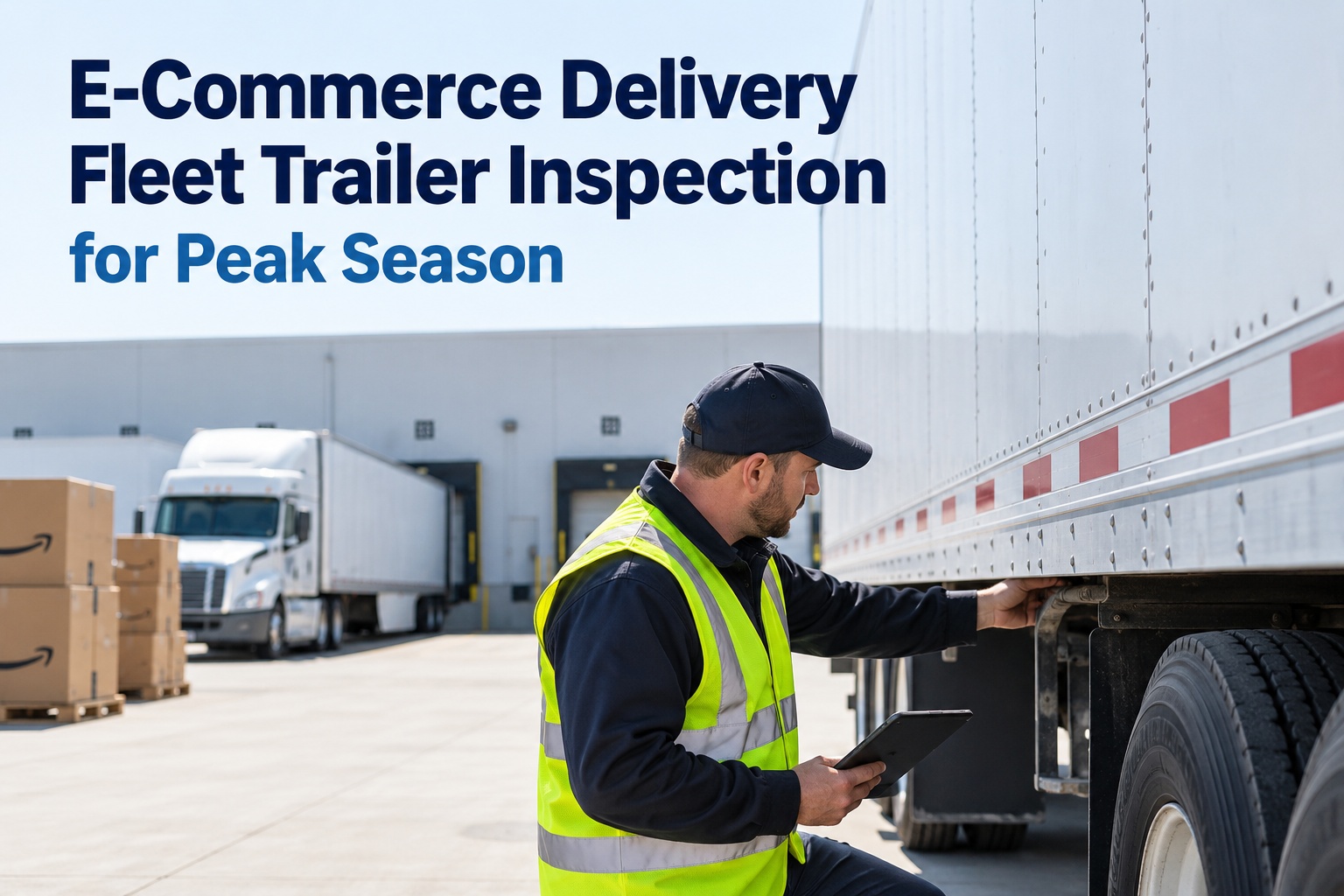
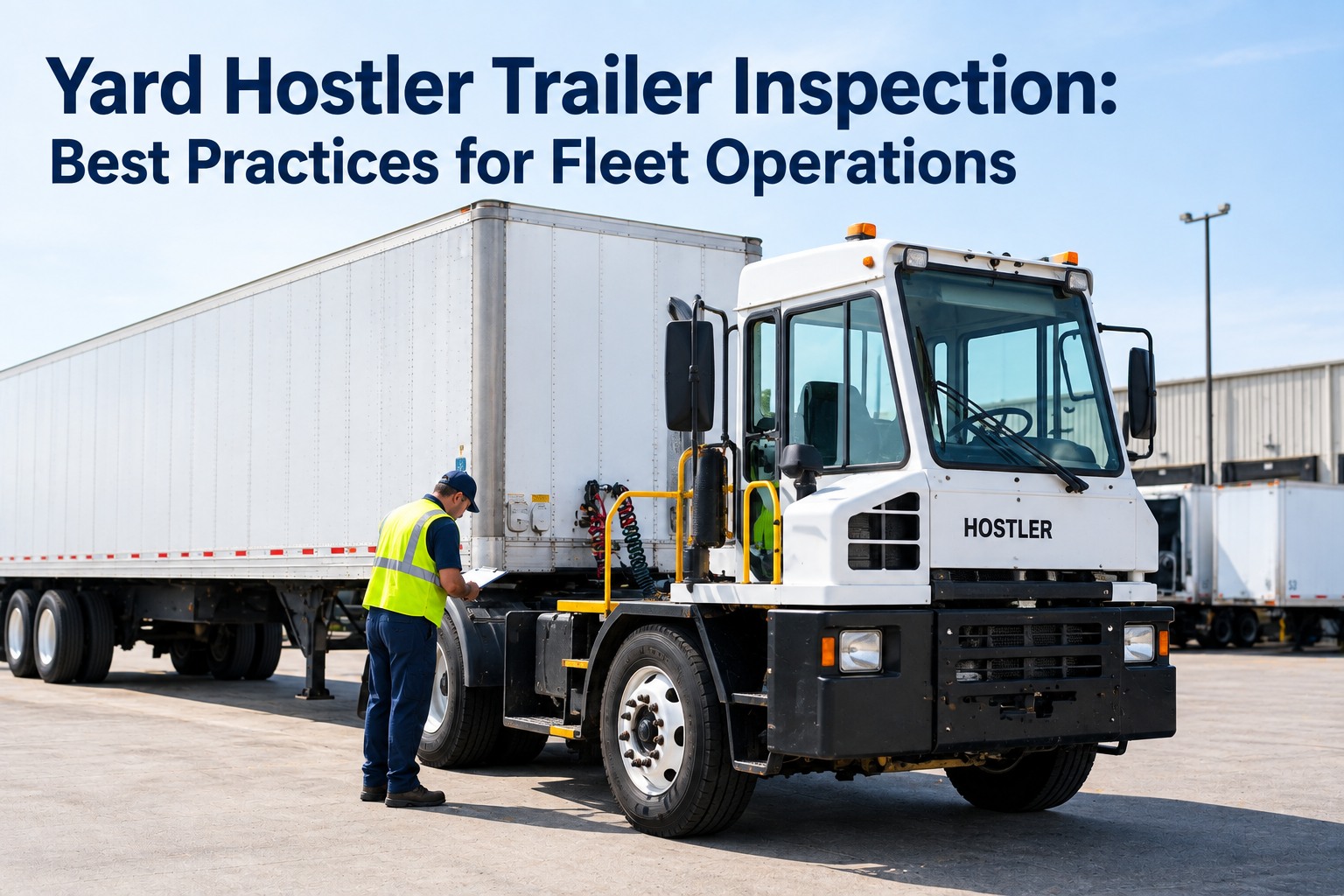
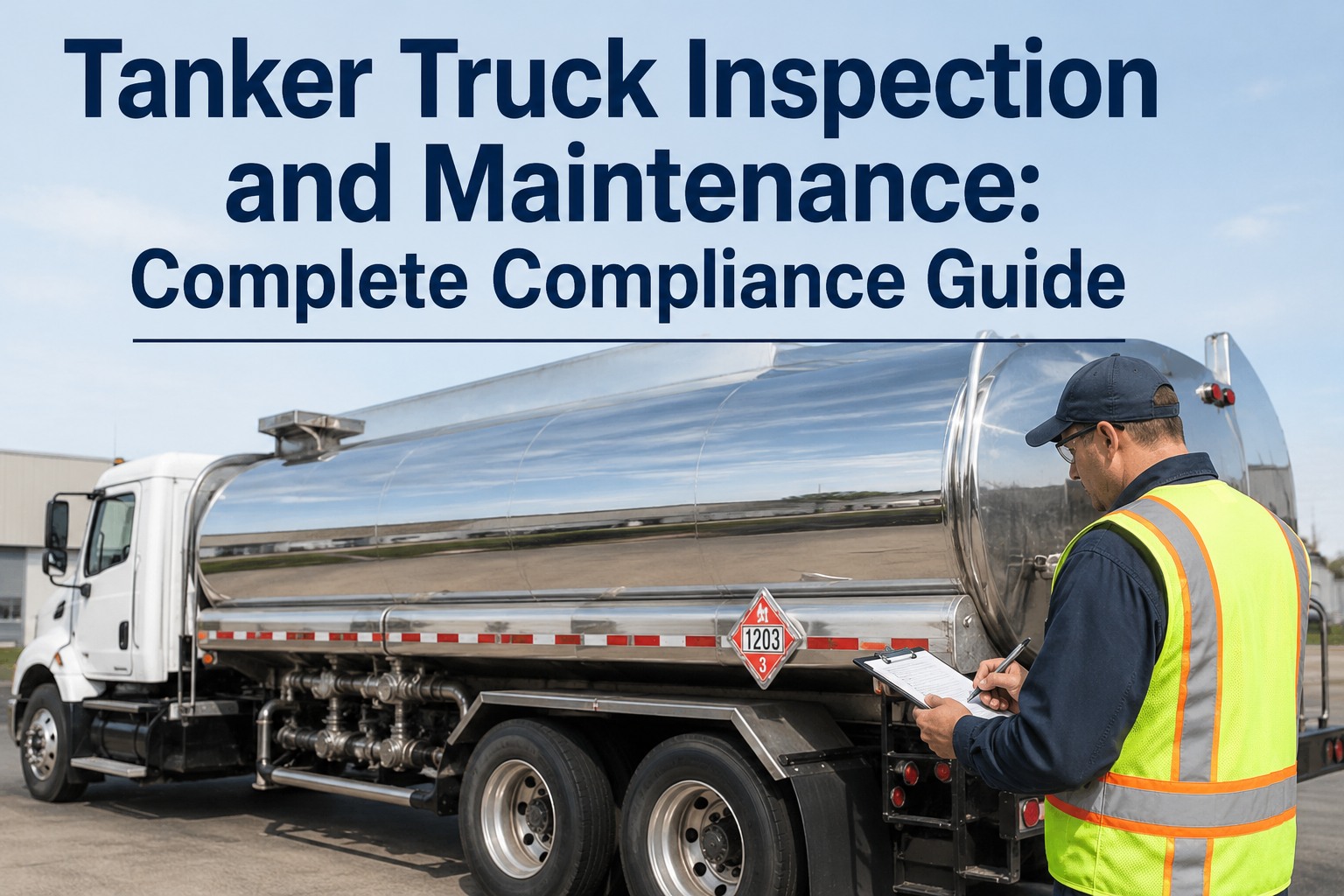
An e-commerce route rarely runs one kind of vehicle. A cargo van handles the dense residential drops, a straight truck carries the bulk stops, and a trailer moves freight between the hub and the spoke — and each one sits at a different place on the compliance line. The van may fall below the federal threshold; the straight truck is squarely a commercial motor vehicle; the trailer gets regulated the moment it's hitched behind a heavy enough tractor. Run three separate inspection habits for three vehicle types and something always slips. This guide covers what each class actually needs, where the 10,001-pound line falls, and how one inspection program can cover every vehicle on the route — with Truck Inspection & Maintenance Management Software (TIM) running it. Start free and inspect every vehicle class in one program with TIM.
TIM · E-Commerce Fleet Inspection
One Route. Three Vehicle Classes. One Inspection Program.
Vans, straight trucks, and trailers each carry different inspection and compliance rules — and a delivery fleet runs all three at once. Keep them in separate checklists and separate heads, and the gaps between them are where a missed DVIR or an overdue annual inspection turns into a roadside violation. TIM puts every vehicle class on one inspection program, so a van, a straight truck, and a trailer all file the right checks on the right cadence — and every flagged defect becomes a tracked repair.
Every flagged defect gets a first response within 4 hours — acknowledged, graded for severity, and assigned — whichever vehicle class reported it.
The 10,001-Pound Line Changes Everything
Federal inspection rules don't care what you deliver — they care what the vehicle weighs. The single most important number for an e-commerce fleet is 10,001 pounds, because that's where a vehicle crosses from "ordinary" into a federally regulated commercial motor vehicle.
Under 10,001 lb
Not federally regulated
Many cargo vans sit here. No federal DVIR or annual-inspection mandate — but a smart fleet still inspects for safety and uptime, because a breakdown costs the same either way.
10,001 lb and up
Commercial motor vehicle
FMCSA rules apply: driver vehicle inspection reports, annual periodic inspection, driver qualification, hours of service, and a USDOT number for interstate operation.
26,001 lb and up
CDL territory
At this weight a commercial driver's license is required. Most e-commerce straight trucks stay below it, but the heaviest units and combinations can cross it.
GVWR is the vehicle's rated weight, not its loaded weight on the day — the rating is what the rule reads. Thresholds summarized for general guidance; confirm against current FMCSA rules and your state.
!
The trailer factor catches fleets out
Weight is judged on the combination, not just the power unit. A van or light truck that's unregulated on its own can cross 10,001 pounds the moment it's pulling a loaded trailer — and at that point the whole rig is a commercial motor vehicle in the eyes of the law. If you hitch a trailer for business, assume the combination is regulated and inspect accordingly.
What Each Vehicle Class Needs
Once you know where each vehicle falls on the weight line, the inspection obligations follow. Here's what a van, a straight truck, and a trailer each need — and where they overlap.
- Daily pre-trip safety check — brakes, tires, lights, mirrors
- Formal DVIR if the van is at or above 10,001 lb GVWR
- Defect reporting so issues reach the shop same-day
- Safety inspections even when below the federal line
- Driver vehicle inspection report, pre- and post-trip
- Annual periodic (DOT) inspection of the power unit
- Driver qualification and hours-of-service records
- Lift-gate and door checks on the body, by cycle
- Its own annual periodic inspection — trailers count too
- Coupling, brakes, lights, and tire checks each trip
- Inspected as part of the combination it runs in
- Its own record, tied to whichever tractor pulls it
The overlap is real but the specifics differ by class — which is exactly why one program beats three checklists. Contact our team to set class-specific checklists in TIM.
Why Three Separate Habits Fail
Most e-commerce fleets don't fail compliance on purpose — they fail it in the seams between vehicle types. When each class is managed its own way, these are the gaps that open up.
1
The trailer nobody inspectedPower units get the attention; trailers quietly miss their own annual inspection because they're treated as cargo, not a regulated vehicle.
2
The van over the lineA cargo van creeps over 10,001 lb with upfit and load, but keeps getting the casual check instead of a formal DVIR.
3
Defects in three placesVan issues on paper, truck issues in an app, trailer issues in someone's head — no single view of what's open across the fleet.
4
Cadences that drift apartThree vehicle types on three mental schedules means at least one is always overdue, and you find out at the roadside.
One Program That Knows Which Rules Apply to Which Vehicle
The answer to a mixed fleet isn't three inspection systems — it's one that adapts per vehicle class. TIM carries a checklist for each: the van's safety check, the straight truck's pre- and post-trip DVIR, the trailer's coupling-and-brake inspection, each on its own cadence with annual inspections tracked per unit. Every defect, whatever vehicle flagged it, lands in one queue as a ranked work order — so nothing hides in the seam between classes.
What One Unified Program Looks Like
Covering every vehicle class in one system isn't about a single generic checklist — it's about the right checklist per class, feeding one shared record. These are the pieces that make it work.
01
Class-specific checklistsEach vehicle type gets the checks it actually needs — a van isn't asked about fifth wheels, a trailer isn't asked about an engine.
02
Per-unit cadence trackingDaily DVIRs, annual inspections, and PM each tracked per vehicle, so nothing drifts overdue unnoticed.
03
One defect queueVan, truck, and trailer findings land in the same ranked queue — one view of everything open across the fleet.
04
Trailers as first-class unitsEach trailer carries its own record and its own annual inspection, tied to whichever tractor runs it that day.
05
Audit-ready historyEvery DVIR and inspection kept per unit, so a roadside stop or DOT review is a lookup, not a scramble.
06
One login for the whole mixDispatch, drivers, and the shop see every class on one screen — no separate tool per vehicle type.
How TIM Runs It
Every Vehicle Class, One Record
TIM is built for exactly this mix — a fleet where no two vehicles on the route are the same class, but all of them have to stay inspected, compliant, and running.
Checklists per vehicle typeVan, straight truck, and trailer each get their own mobile checklist — the right checks, nothing irrelevant.
DVIR to work orderA defect on any class becomes a graded, assigned repair the moment a driver files it.
Annual inspection trackingPower units and trailers each tracked to their periodic-inspection due date, so none slips past.
Trailer records of their ownEvery trailer is a tracked unit with its own history, not an afterthought behind the tractor.
Fleet-wide defect queueOne ranked list of everything open, whatever vehicle class reported it.
Audit-ready exportPull any unit's inspection and repair history in seconds when compliance asks.
Frequently Asked Questions
Does my cargo van need a DVIR?
It depends on the van's weight rating. A cargo van at or above 10,001 pounds GVWR is a commercial motor vehicle under FMCSA rules, which means it needs a driver vehicle inspection report like any regulated truck. Below that line, there's no federal DVIR mandate — but many e-commerce vans cross 10,001 pounds once they're upfitted with shelving and loaded, and the rating is what counts, not the empty weight. Even for vans that stay under the line, a daily safety check still protects uptime and liability, so most serious fleets inspect every van regardless.
Start free and put every van on the right checklist with TIM.
Do trailers need their own inspection?
Yes. A trailer is a regulated vehicle in its own right, not just cargo behind the truck — it needs its own annual periodic inspection, and its brakes, lights, tires, and coupling should be checked each trip as part of the combination. The common mistake is giving the power unit all the attention and treating the trailer as an accessory, which is exactly how a trailer misses its annual inspection and surfaces at a roadside stop. Each trailer should carry its own record, tied to whichever tractor is pulling it that day.
What is the 10,001-pound rule?
It's the weight line where a vehicle used for business becomes a commercial motor vehicle under federal rules. At or above 10,001 pounds GVWR — or gross combination weight rating if you're pulling a trailer — FMCSA requirements kick in: driver vehicle inspection reports, annual periodic inspection, driver qualification files, hours-of-service rules, and a USDOT number for interstate operation. Below it, those federal mandates generally don't apply. For an e-commerce fleet running mixed vehicle classes, knowing which of your units sit above and below that line is the foundation of the whole inspection program.
Can one inspection program really cover vans, trucks, and trailers?
Yes — and it's the better way to do it. A unified program doesn't mean one generic checklist for everything; it means each vehicle class gets its own class-specific checklist and cadence, all feeding one shared record and one defect queue. The van gets its safety check, the straight truck its pre- and post-trip DVIR, the trailer its coupling-and-brake inspection, and annual inspections are tracked per unit across all of them. The benefit is that nothing hides in the gap between vehicle types, and dispatch, drivers, and the shop all work from one view instead of three.
When does an e-commerce driver need a CDL?
A commercial driver's license is generally required once a vehicle or combination is rated at 26,001 pounds or more, or for any vehicle carrying hazardous materials in placardable quantities. Most e-commerce vans and straight trucks stay below the 26,001-pound line, so a standard license is usually enough — but the heaviest straight trucks and some truck-plus-trailer combinations can cross it, which changes your driver requirements. It's worth checking each unit's rating and each combination's gross weight rating against that threshold, since a CDL gap is a compliance problem that shows up fast at a roadside inspection.
Van · Straight Truck · Trailer — One Program
Stop Running Three Inspection Habits for One Fleet
An e-commerce route is a mix by nature — vans, straight trucks, and trailers, each at a different point on the compliance line. Managed separately, the gaps between them are where violations and breakdowns live. One program that knows which rules apply to which vehicle, tracks every unit's cadence, and funnels every defect into one queue closes those gaps. TIM puts the whole mixed fleet on a single record, so every vehicle stays inspected and nothing slips between the classes.
No credit card required · Free for up to 3 vehicles · Class-specific checklists, annual-inspection tracking, and one defect queue built in