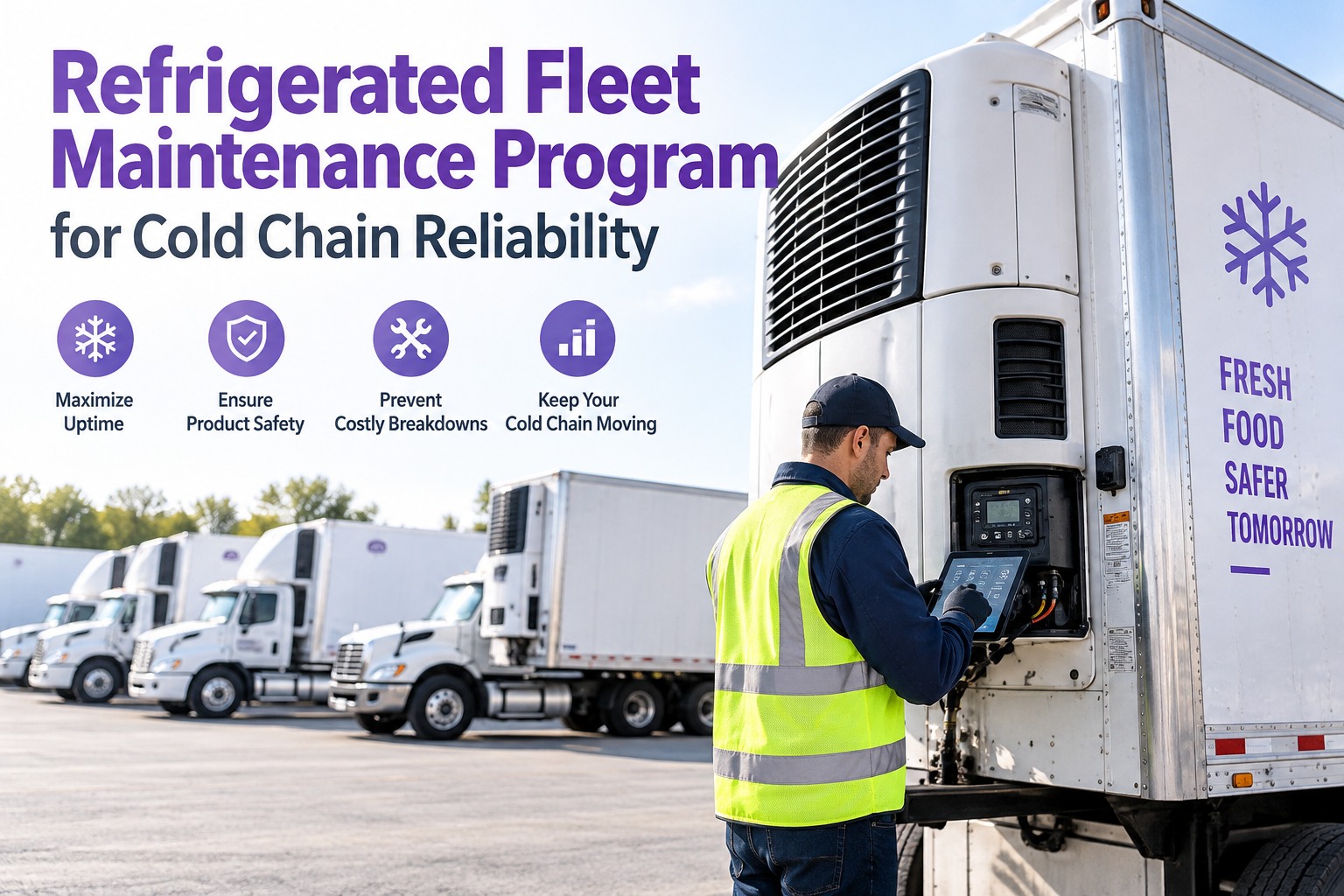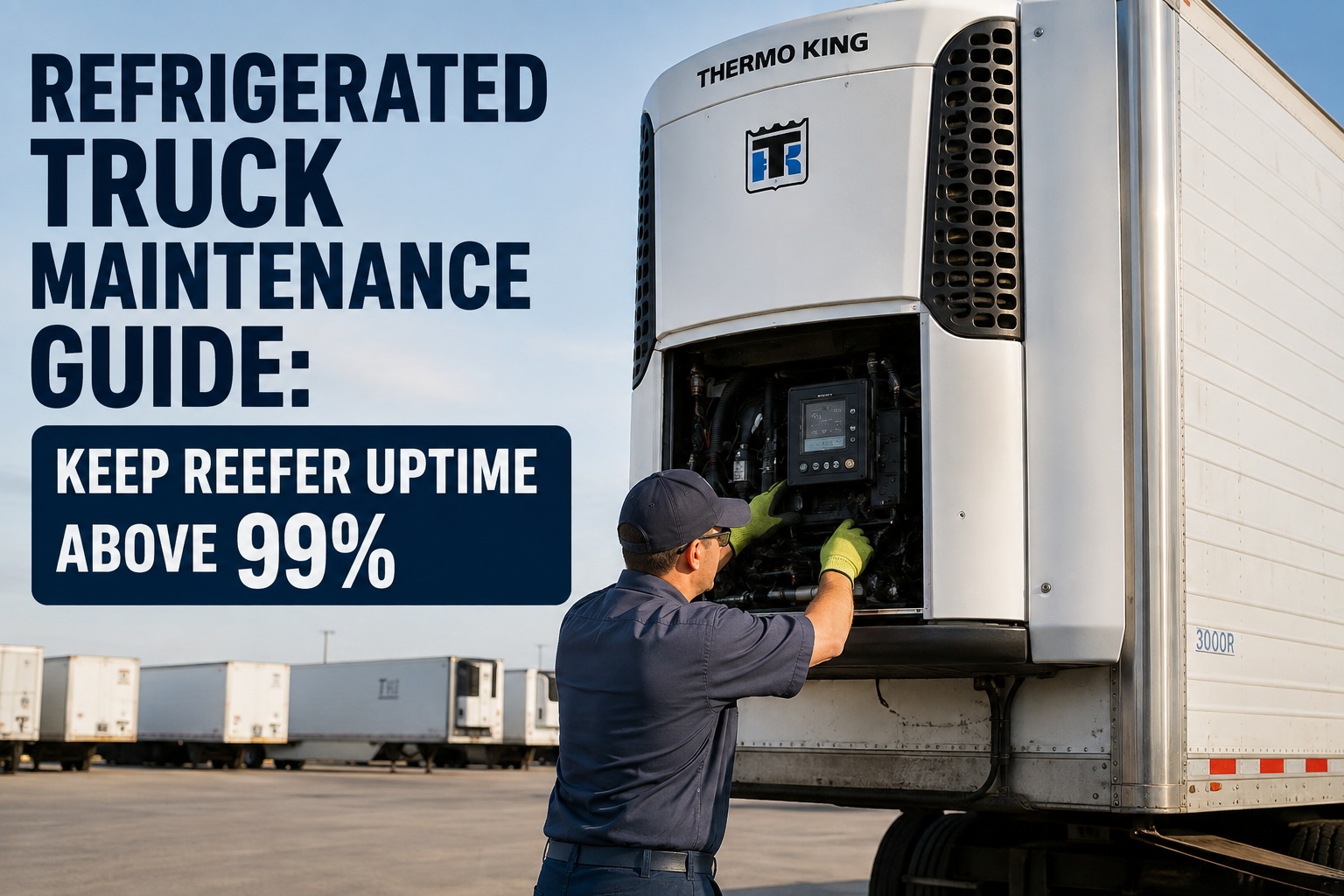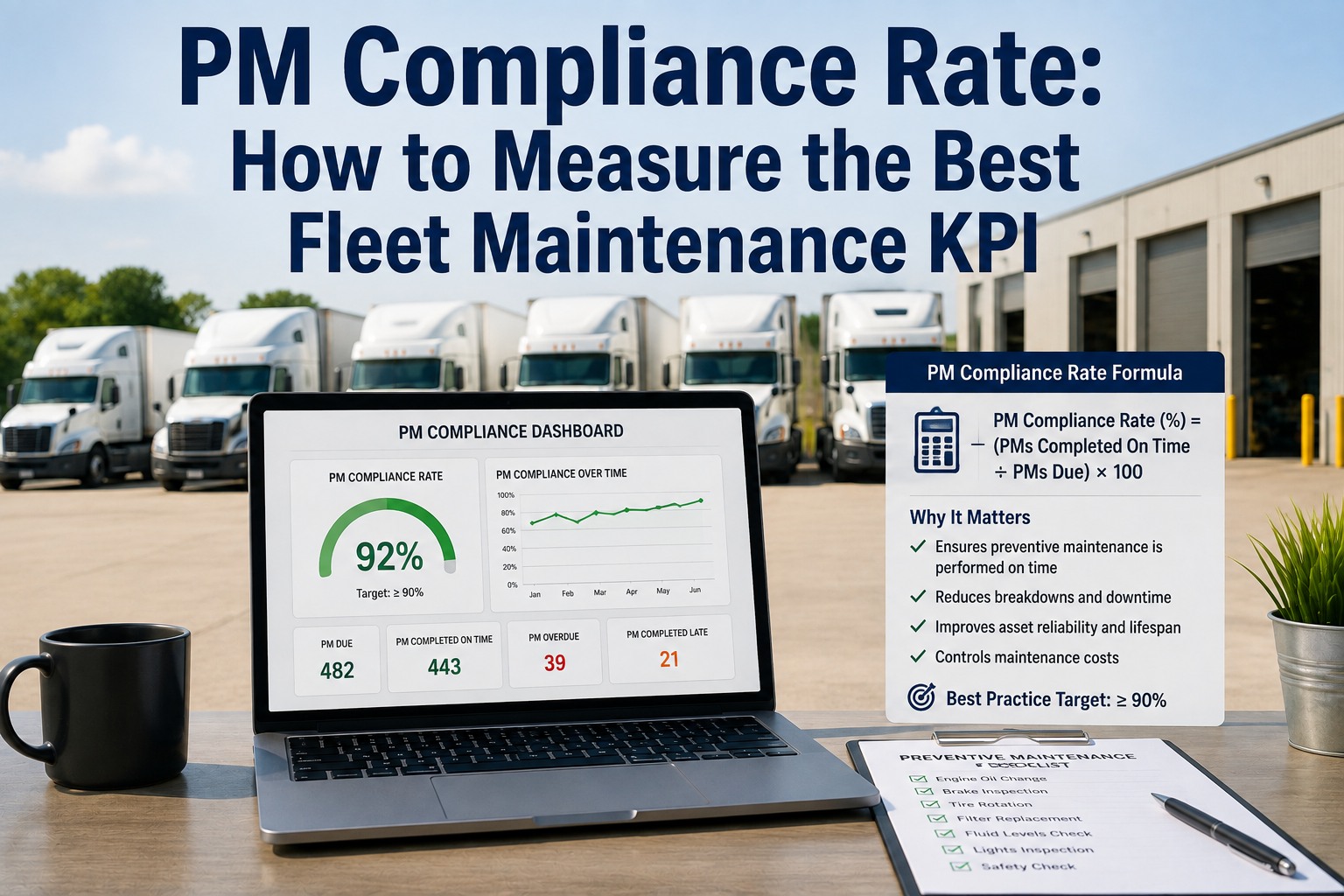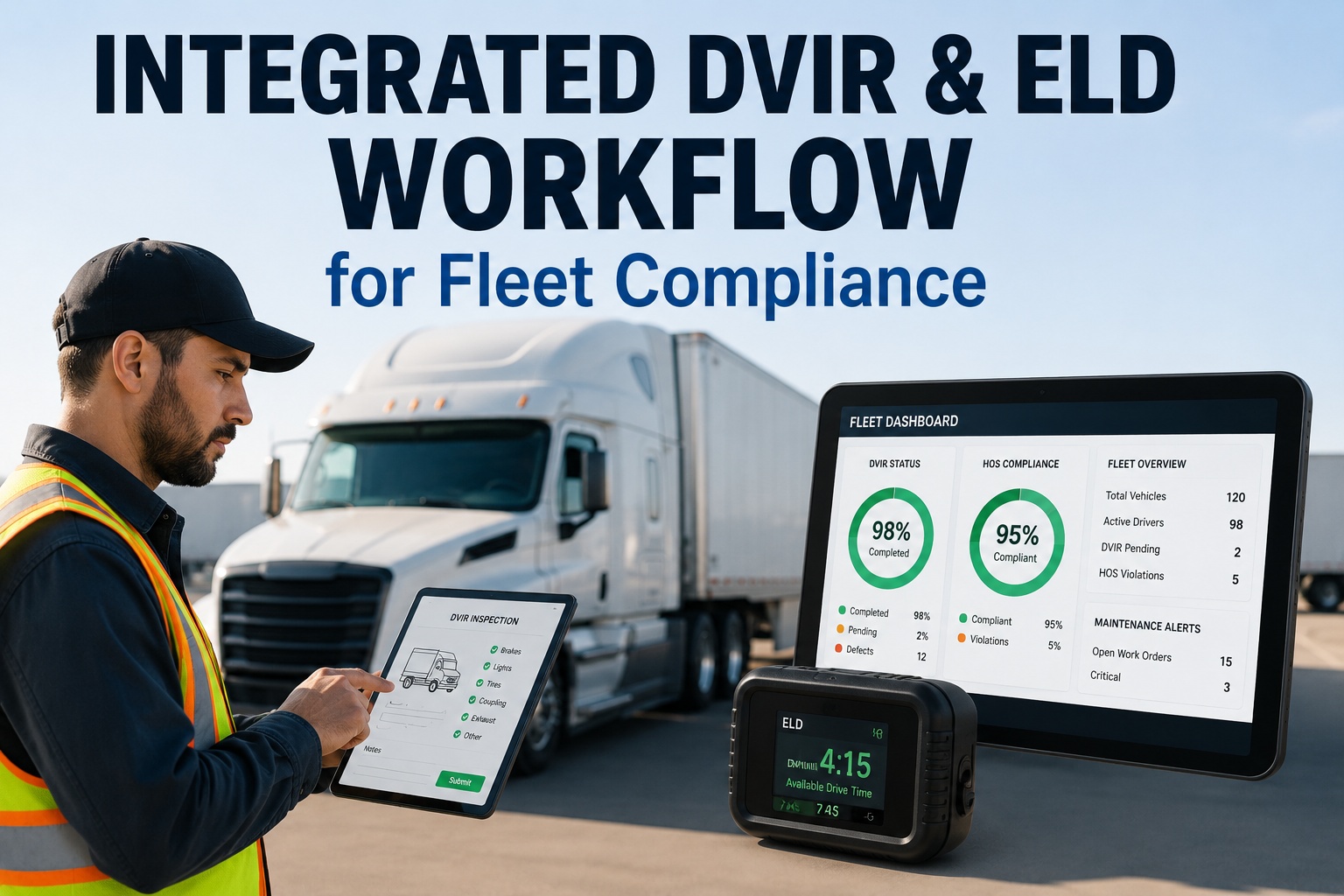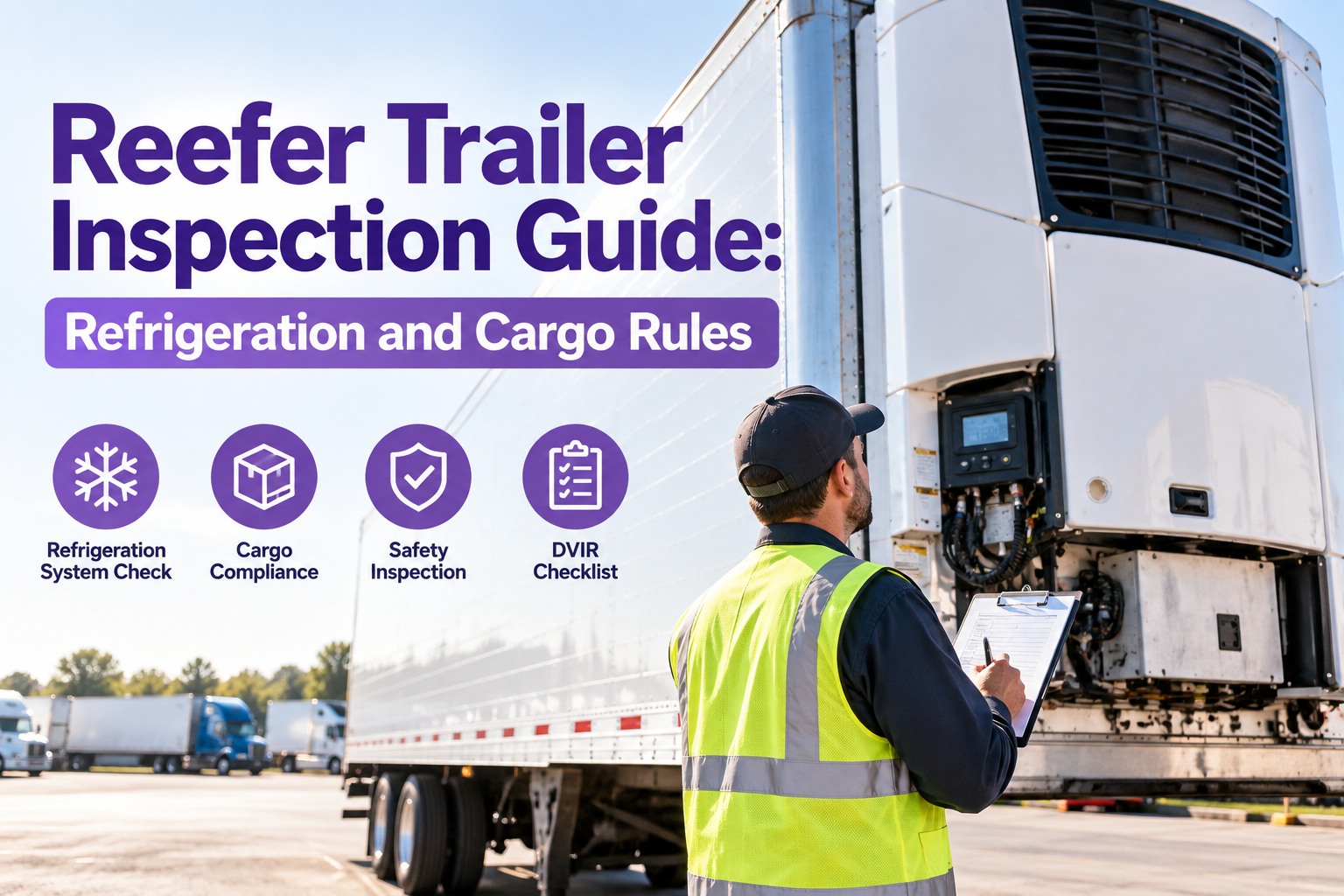
A dry van either rolls or it doesn't. A reefer can roll perfectly and still destroy its load a probe reading three degrees low, a quarter-inch door-seal gap, or a trailer that was never pre-cooled, and a full load of produce arrives at a temperature the receiver rejects on sight. Inspecting a refrigerated trailer means doing the whole standard trailer walkaround and then a second inspection on top: the refrigeration unit and the cargo space that has to keep food in the safe range the entire haul. This guide covers both layers, plus the FSMA records that prove it happened. Start free and put a reefer-specific inspection on every driver's phone.
A Reefer Passes Two Inspections, Not One.
A missed belt, a drifting probe, or a skipped pre-cool doesn't show up as a breakdown — it shows up as a rejected load and an FSMA record you can't produce. Truck Inspection & Maintenance Management Software runs the reefer-specific pre-trip the same way it runs the standard one: a guided walkaround that adds the refrigeration unit and cargo-compartment checks, logs the temperature record FSMA requires, and routes any failed checkpoint straight to a graded work order before the trailer is loaded.
The Reefer Adds a Second Inspection
Everything a dry van needs — tires, brakes, lights, coupling, doors, frame — a reefer needs too. The difference is the two systems bolted on top: a diesel-powered refrigeration unit that is its own small engine, and a cargo box that has to hold a temperature for hours. A standard trailer inspection says the trailer is safe to pull. The reefer layer says the load will arrive fit to sell. Skip the second layer and the trailer can pass a roadside inspection while the cargo quietly fails.
The full 49 CFR 396.11 trailer DVIR — tires and wheel ends, brakes and air lines, lights and reflectors, suspension and frame, kingpin and landing gear, doors and latches. Same criteria as any trailer. This is the ground floor; the reefer checks sit on top of it, not instead of it.
The reefer-only additions: the refrigeration unit's own fuel, fluids, belts, refrigerant and alarms; a setpoint run test that proves it cools under road load; a pre-cooled, sanitary cargo box; and the FSMA temperature record. This is what makes a reefer inspection different — and what a dry-van habit misses.
The Refrigeration Unit Check
The reefer unit is a diesel engine with its own fuel tank, fluids, and belts — it ages by run-hours, not miles, and it fails the same way any engine does if no one looks. These are the checkpoints that keep it from quitting mid-haul, where "the engine shut down and the load drifted" becomes a claim instead of a repair.
Pre-Cool Before You Load — Always
A reefer is built to hold a temperature, not to pull one down. Load warm product into a warm box and you've created temperature abuse the unit will spend the whole haul failing to undo. Pre-cooling the empty trailer to setpoint — usually 2 to 4 hours ahead, with a stabilization period — is what sets the entire load's compliance chain, and it's why shippers routinely turn away trailers that haven't reached spec.
| Load type | Typical setpoint | Run mode | Notes |
|---|---|---|---|
| Frozen | −10 to 0°F | Continuous Run | Tight tolerance, no warm-up cycles |
| Fresh / produce | 33 to 40°F | By commodity | Varies: leafy greens 32–36°F |
| Tropical fruit | 45 to 55°F | By commodity | Chill-sensitive — too cold damages it |
| Pharma / tight-tolerance | Per spec | Continuous Run | Constant operation, no drift allowed |
Setpoints vary by commodity and by the shipper's own spec — always run the load's required temperature, not a fleet default. Confirm the box has reached setpoint and held it before the first pallet goes in.
Continuous Run vs. Cycle-Sentry
The reefer runs in one of two modes, and the right one depends on the load. Picking wrong either burns fuel you didn't need to or lets the temperature drift on cargo that couldn't afford it — so the mode is part of the inspection decision, not an afterthought.
- Unit runs constantly to hold a tight temperature
- Used for frozen, pharma, and low-tolerance loads
- Highest fuel use — but no warm-up between cycles
- No dependence on battery for restart
- Unit cycles off and restarts to hold a range
- Used for hardy, packaged, or shelf-stable loads
- Cuts fuel use by roughly 30–50%
- Needs a strong battery (around 12.4V+) to restart
The Cargo Compartment and the Probe
The box and the sensor are where small problems become spoiled loads. A tear in the air chute starves the rear of the trailer of cold air; a clogged drain pools water; a seal gap forces the unit into continuous run and spikes fuel. And the probe itself can lie — a reading 3°F below actual means a load set to 38°F is really traveling at 41°F, over the safe threshold, with the paperwork saying everything's fine.
The Record Is Half the Job
With a reefer, passing the inspection and proving it are the same task — FSMA holds you to both. Truck Inspection & Maintenance Management Software captures the reefer walkaround, the sanitary cargo check with timestamped photos, and the temperature record FSMA expects, all against the specific trailer. Any failed checkpoint becomes a graded work order before loading, and the records are retained and retrievable — so when a receiver disputes a load or FDA asks, the answer is already filed, not reconstructed.
What FSMA Expects From the Carrier
The Sanitary Transportation rule (21 CFR Part 1) puts real documentation on the carrier, not just the shipper. None of it is exotic — it's the inspection you're already doing, written down and kept. These are the pieces an audit or a load dispute will ask for.
The 5-Stage Reefer Pre-Trip
Put together, the reefer pre-trip runs in a fixed sequence — pre-cool first because it takes hours, documentation last because it closes the record. Run it the same way every time and nothing in either layer gets skipped.
Frequently Asked Questions
How is a reefer inspection different from a regular trailer inspection?
Why does the trailer have to be pre-cooled before loading?
When do I use Continuous Run versus Cycle-Sentry?
What does FSMA require carriers to keep for refrigerated loads?
How can a reefer pass inspection and still ruin the load?
Inspect the Trailer, the Unit, and the Record
Truck Inspection & Maintenance Management Software runs the full reefer pre-trip in one guided flow: the standard trailer walkaround, the refrigeration-unit check, the pre-cool and cargo-compartment verification, and the FSMA temperature record — all against the specific trailer. Failed checkpoints become graded work orders before loading, PM triggers off the reefer's hour meter, and the cold-chain records stay retained and retrievable. That's how refrigerated fleets stop losing loads to a drifting probe or a skipped pre-cool — and keep every trailer both roadworthy and audit-ready.