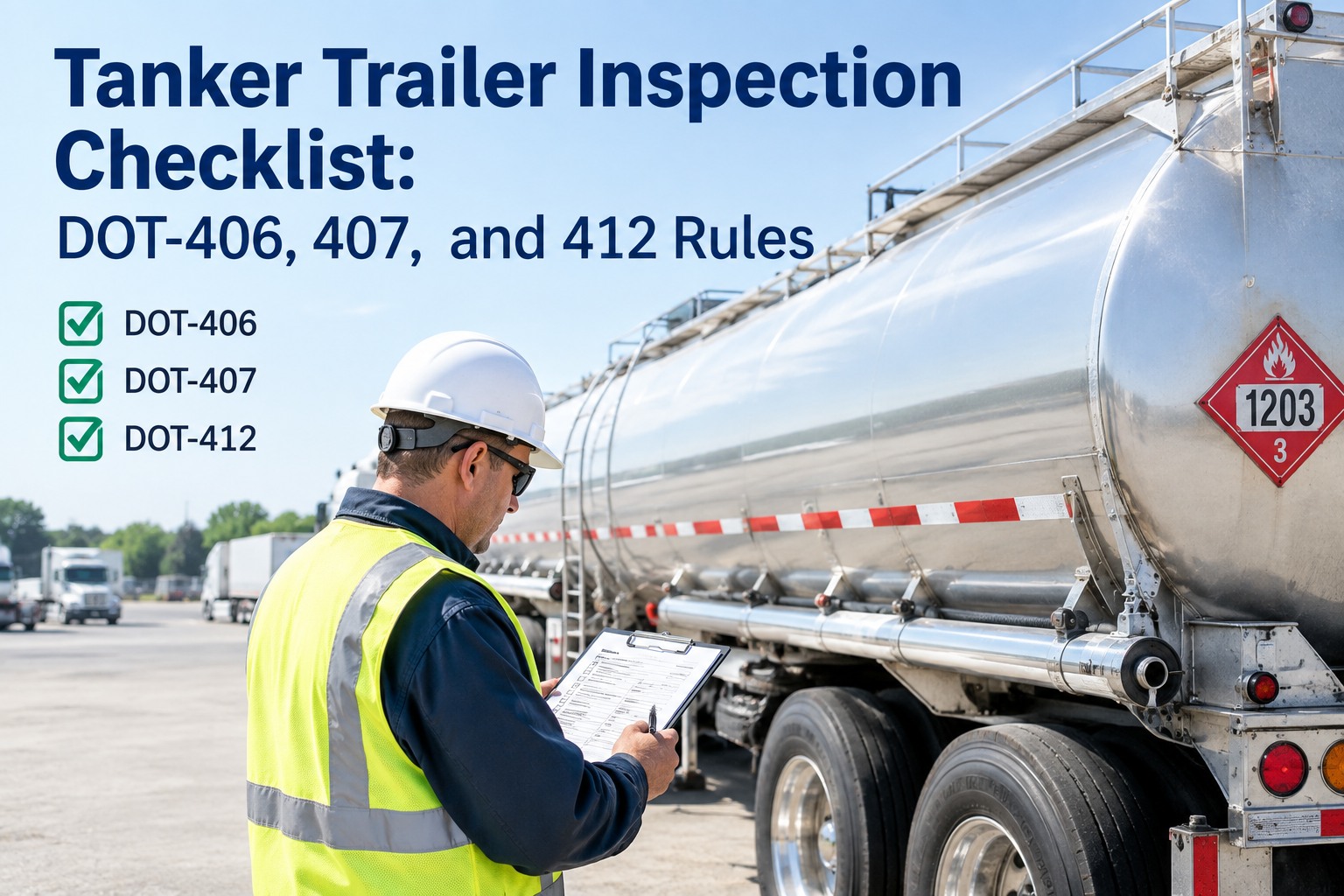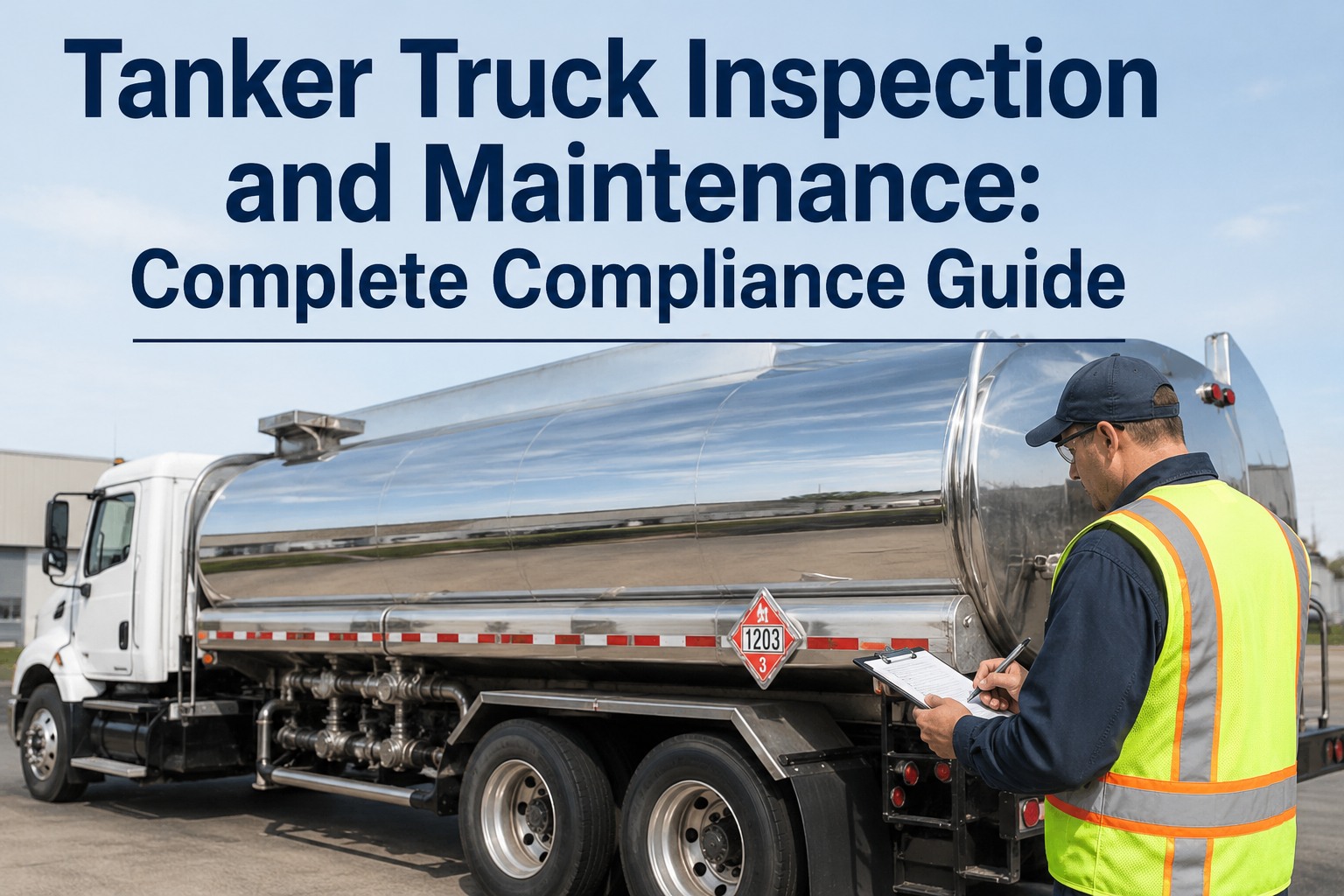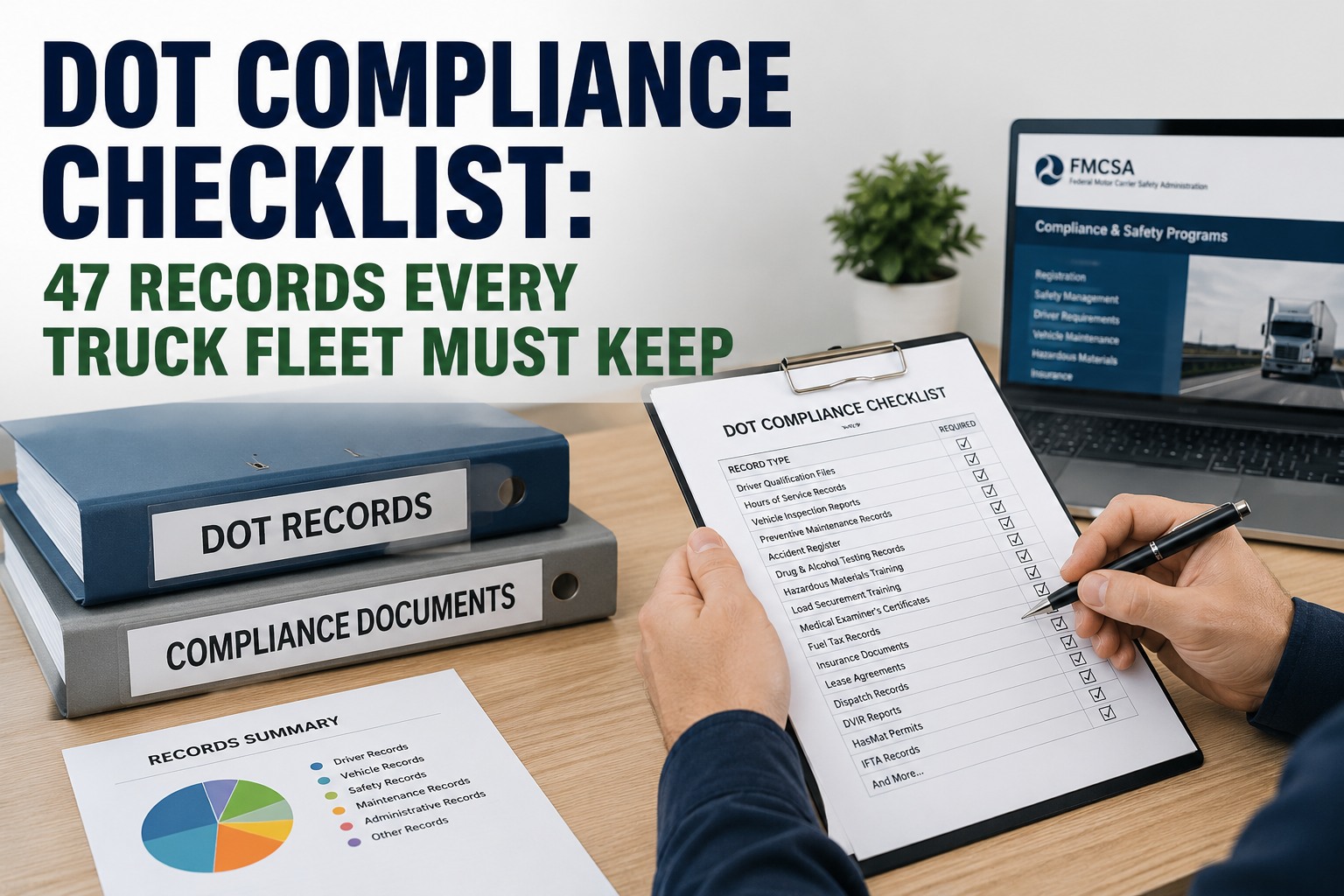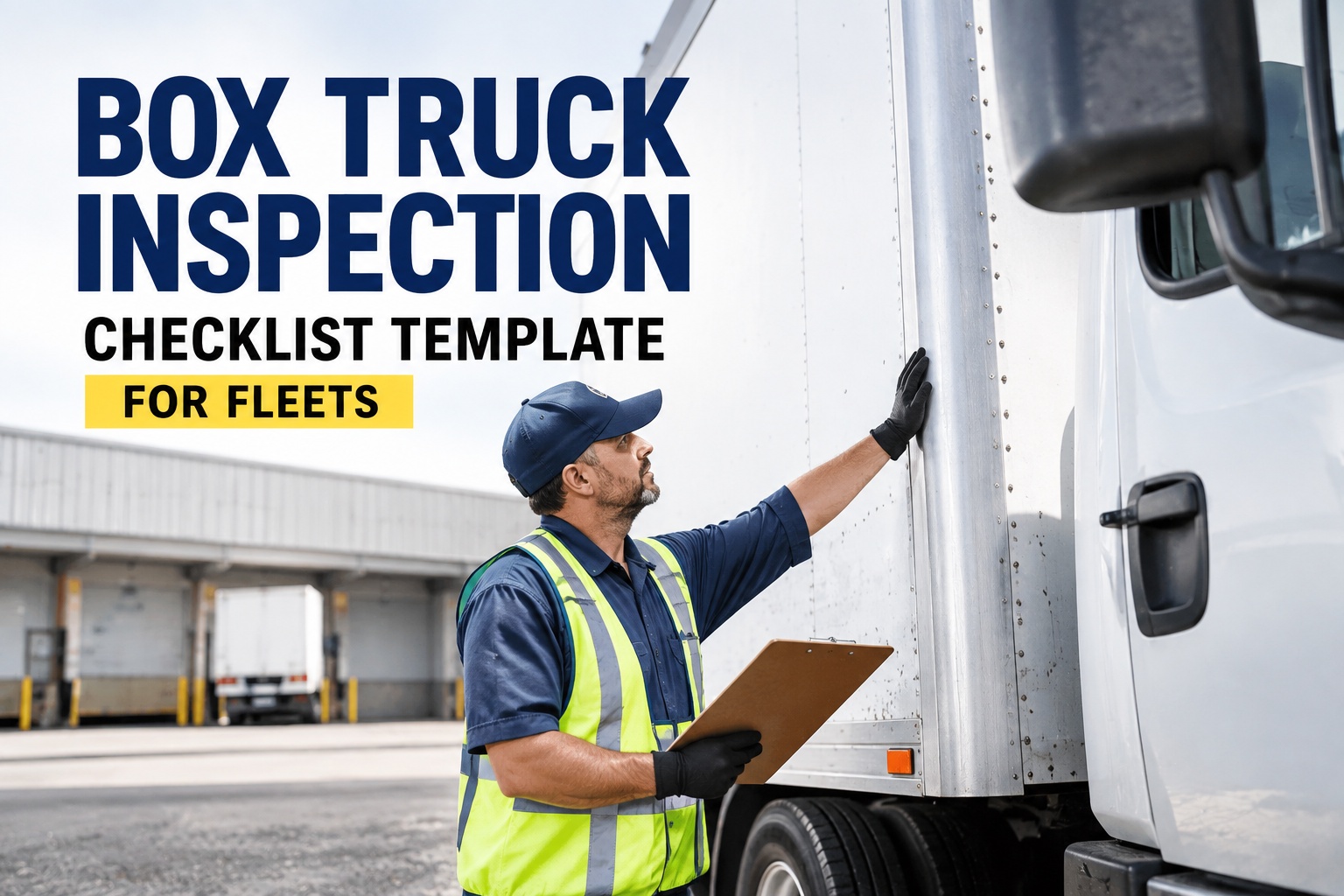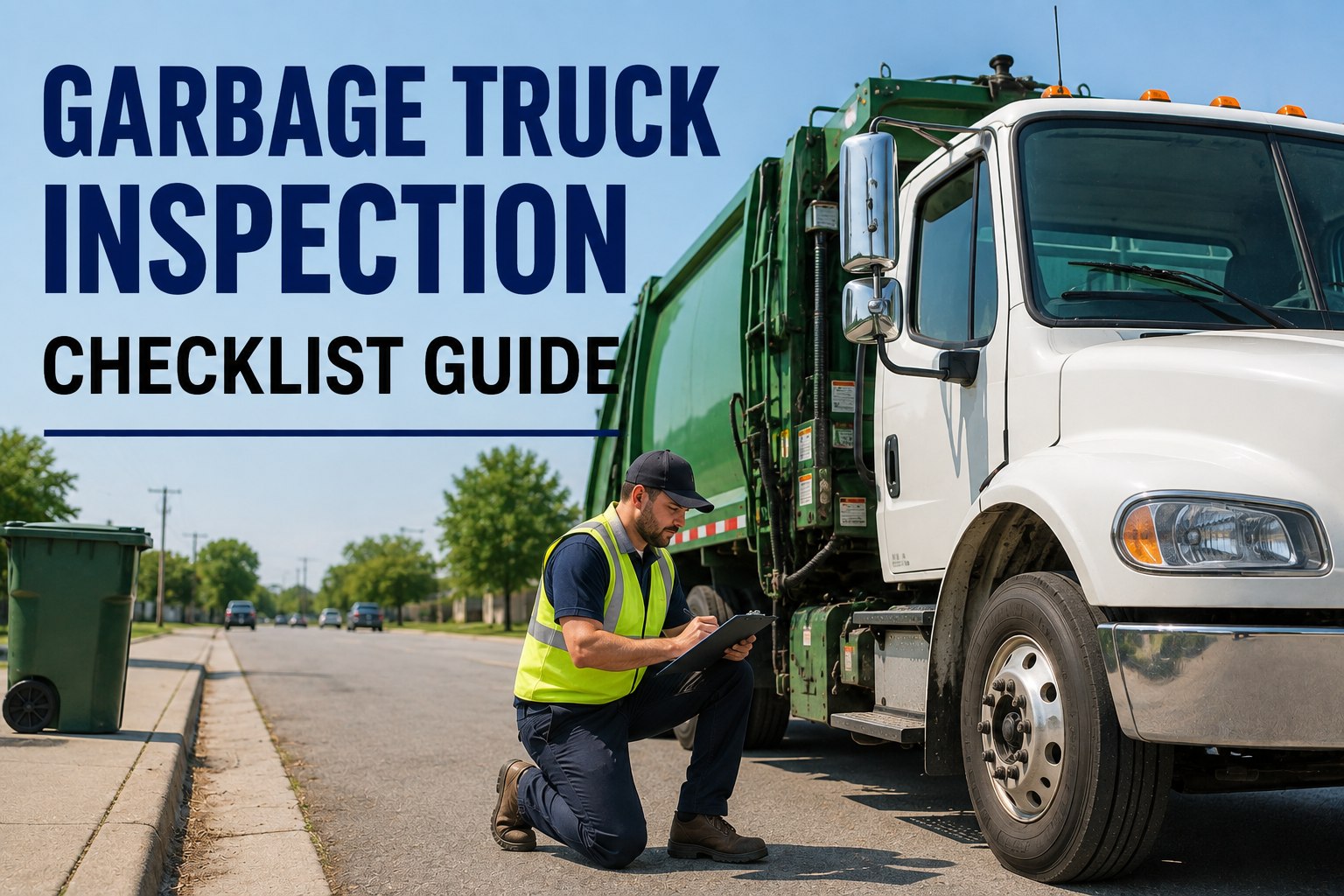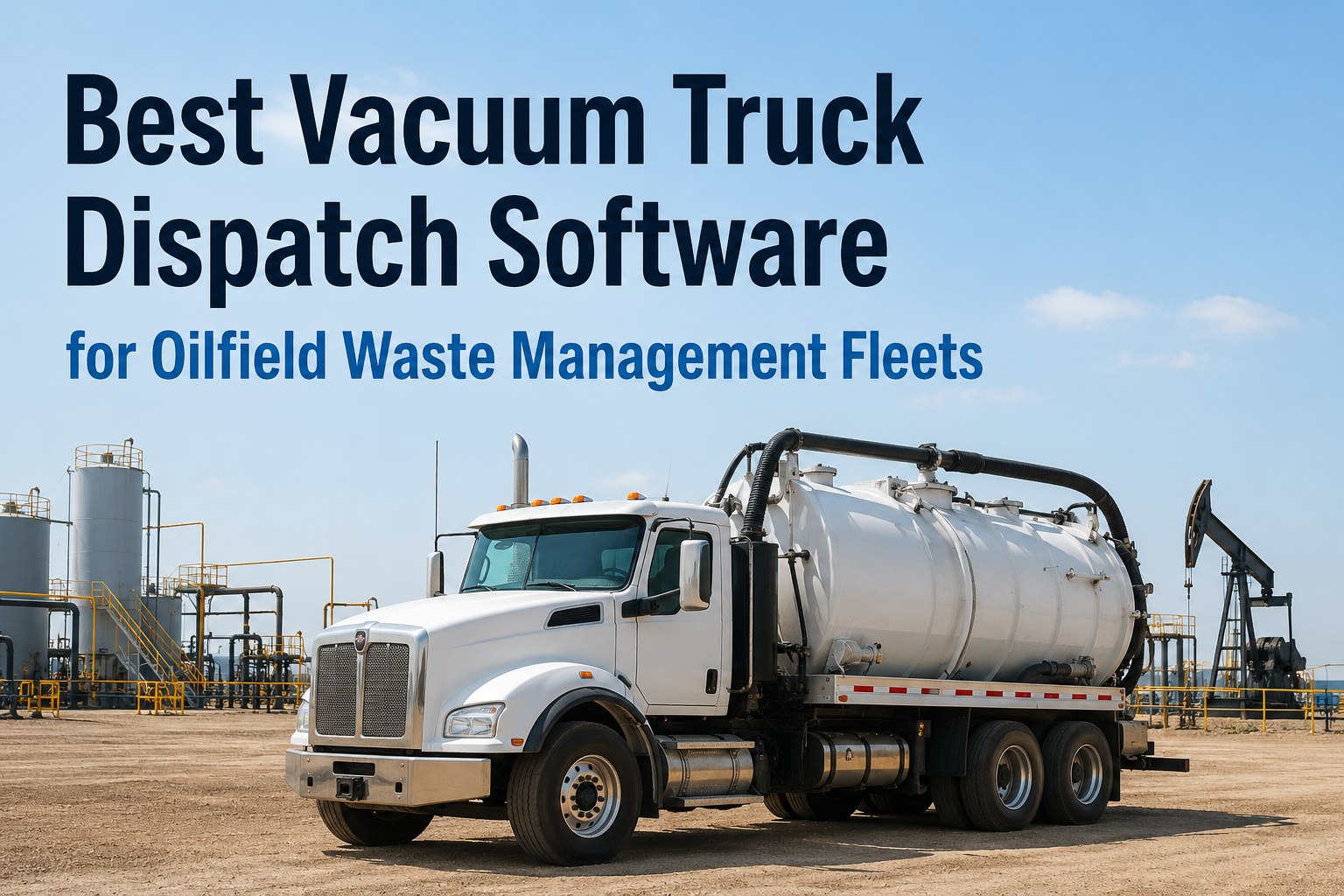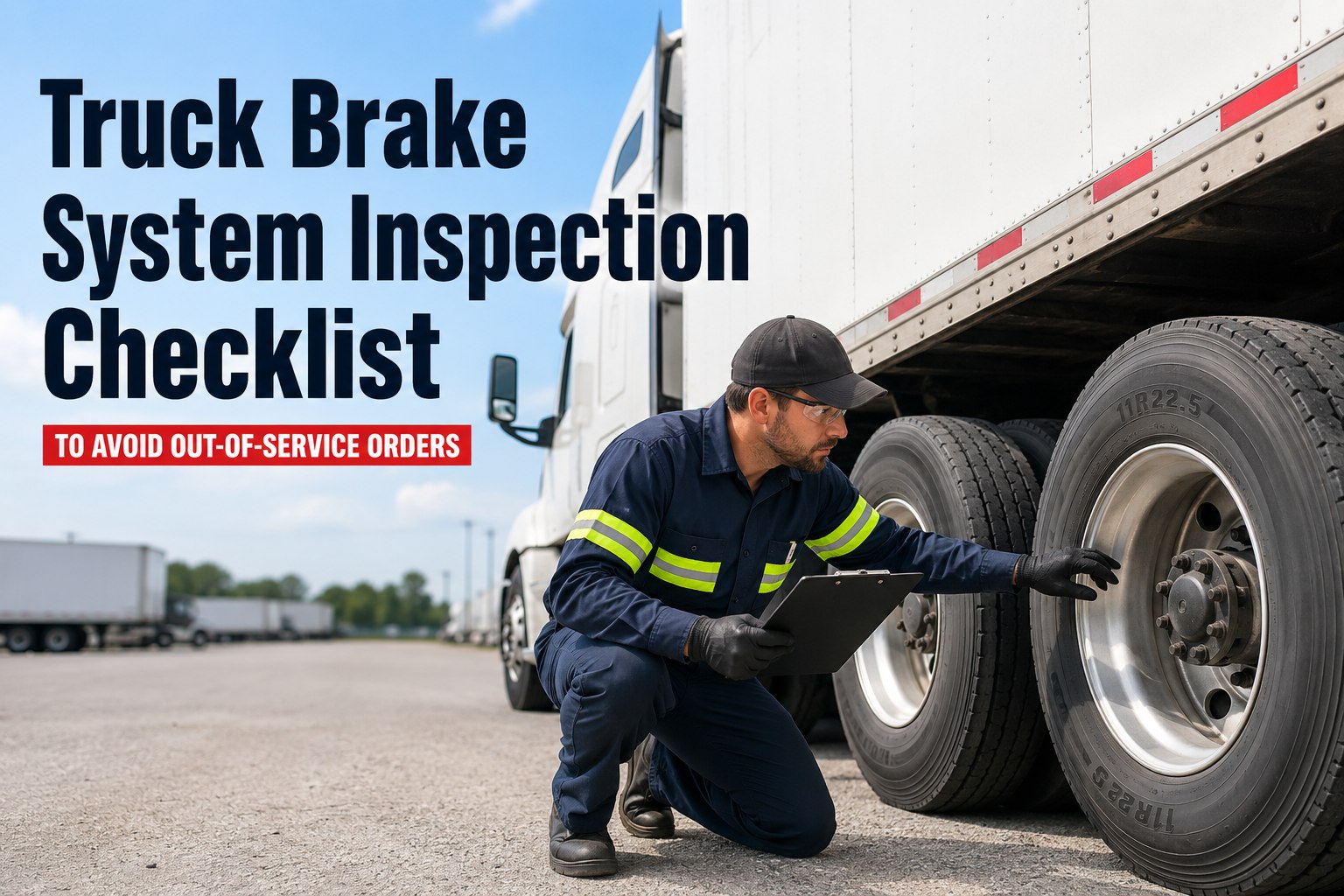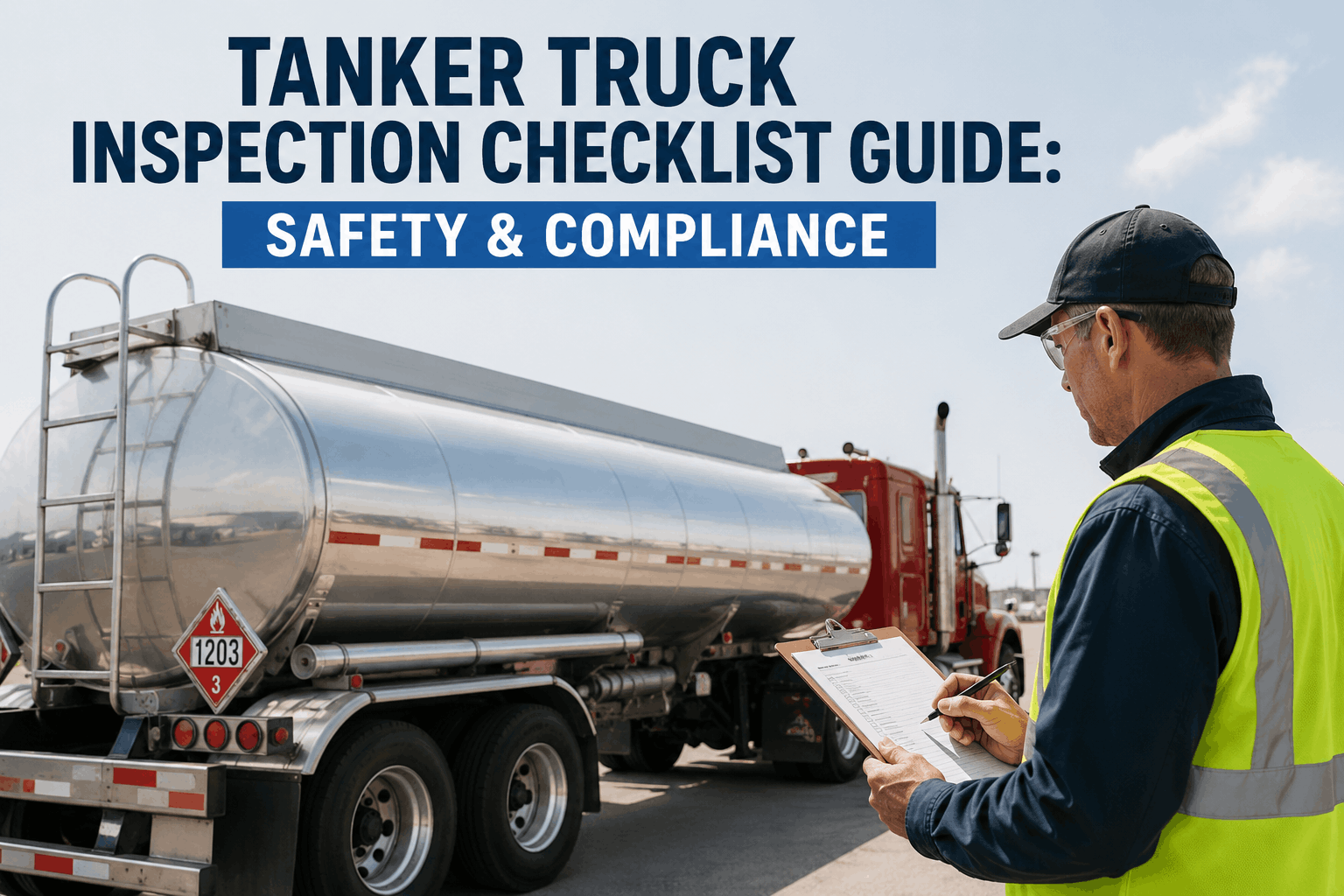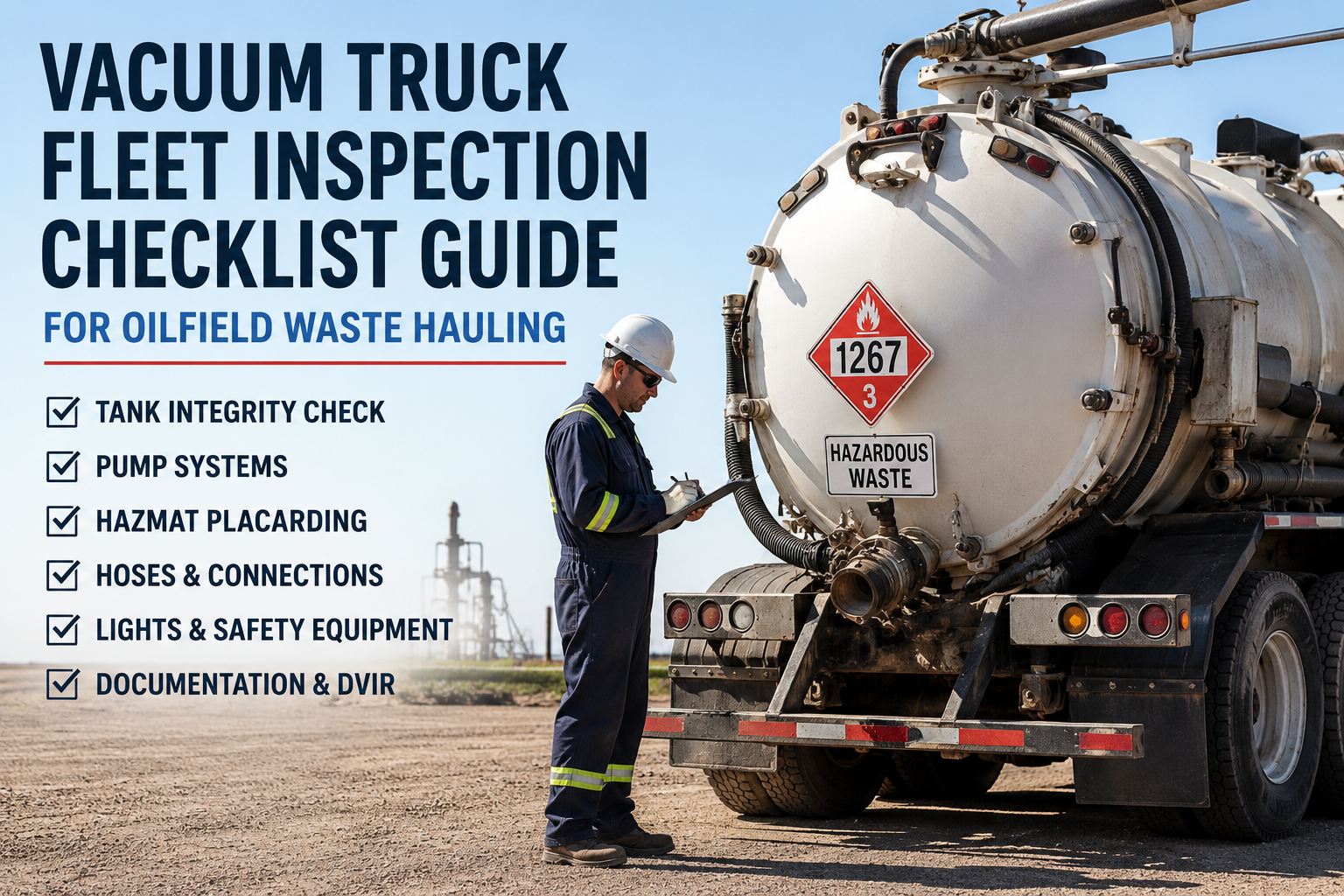
An oilfield vacuum truck is a rolling combination of three machines and two regulators' worst-case scenarios: a heavy commercial vehicle, a pressure-rated cargo tank, and a powerful suction pump — hauling produced water, drilling sludge, and tank-bottom waste that's often hazardous. Skip a daily inspection and you're not just risking a roadside out-of-service order; a failed discharge valve or compromised tank can put produced water on the ground, triggering RCRA and Clean Water Act enforcement on top of the DOT citation. That's why a vacuum truck check can't be a generic walk-around — it has to cover vehicle roadworthiness under 49 CFR Parts 393 and 396, tank integrity and overfill protection, the vacuum and pump system, and the HAZMAT placarding and paperwork that prove the load is legal. Tank integrity, discharge valve function, and overfill protection tie directly to environmental compliance and can trigger enforcement if found deficient during a spill. This checklist walks all four systems so produced-water haulers stay compliant and audit-ready. Truck Inspection & Maintenance turns it into a digital DVIR that documents every check. Talk to our team to deploy it.
Vacuum Truck Fleet Inspection Checklist
Vehicle, tank, pump & HAZMAT — four systems, one daily check.
Four Systems, One Truck
A vacuum truck inspection isn't one check — it's four, stacked. Each answers to a different requirement, and a failure in any one can ground the truck or trigger an environmental incident. Cover all four every day and you've protected the load, the road, and the ground beneath it.
1 · Vehicle
Brakes, tires, lights, steering, coupling — roadworthiness under 49 CFR 393 & 396, documented on a pre-trip DVIR.
2 · Tank
Shell integrity, discharge valves, overfill protection, relief valves — the containment that keeps waste off the ground.
3 · Pump / Vacuum
Suction pump, hoses, fittings, vacuum/pressure gauge, moisture trap — the system that does the work.
4 · HAZMAT
Placards, shipping papers, manifests, endorsements — the paperwork proving the load is legal.
Part 1 — Vehicle & Tank Walk-Around
Start outside, working the chassis and then the cargo tank. The tank checks matter as much as the brakes here — a leaking discharge valve is an environmental violation waiting to happen. Start a free account to put this walk-around on every operator's phone.
Chassis & Brakes
- Air builds & holds, brakes respond
- Tires & wheels sound under heavy load
- Lights & reflectors all operative
- Steering & coupling secure
Tank Shell & Integrity
- No cracks, dents, or corrosion
- No product weeping or stains
- Manholes & rear head seal fully
- Mounting & sub-frame sound
Valves & Overfill
- Discharge valves close leak-free
- Overfill protection functions
- Relief valve clear & unobstructed
- Drain/dump valves secure in transit
Fittings & Gaskets
- Camlocks & couplers intact
- Gaskets & seals undamaged
- Caps & plugs in place
- No leaks at any connection
Part 2 — The Pump & Vacuum System
This is the system that sets a vacuum truck apart, and the one a generic checklist ignores entirely. Verify it with a calibrated gauge — not by feel — before every job. Reach our team to build pump-specific checks into your DVIR.
Pump & Drive
- Pump runs smoothly, no abnormal noise
- PTO engages & disengages cleanly
- Oil/lubrication levels correct
- Belts, guards & couplings sound
Vacuum & Pressure
- Calibrated gauge reads correct vacuum/pressure
- System holds vacuum without rapid loss
- Primary shutoff / float works
- Moisture trap & filter clean
Hoses & Suction
- Suction hoses free of cracks & collapse
- Couplers lock securely
- No blockages or restrictions
- Hose storage secure for transit
Safety Systems
- Emergency shutoff accessible & working
- Grounding/bonding equipment present
- Two-operator protocol observed
- PPE & spill kit onboard
One DVIR that covers all four systems
Truck Inspection & Maintenance digitizes the vehicle, tank, pump, and HAZMAT checks in one mobile pre-trip — with gauge-reading fields, photo evidence of valves and seals, auto out-of-service tagging, and audit-ready records for DOT and environmental compliance. No hardware, no contracts. Sign up free and keep every produced-water hauler compliant.
Part 3 — HAZMAT & Environmental Compliance
The truck can be mechanically perfect and still get grounded — or trigger an environmental case — for paperwork. Produced water and oilfield waste carry both DOT hazmat and environmental obligations. Verify them every load. Open a free account to track placards and manifests digitally.
Frequently Asked Questions
What makes a vacuum truck inspection different?
It covers four systems instead of one: standard vehicle roadworthiness (49 CFR 393 & 396), the cargo tank and its valves and overfill protection, the pump and vacuum system, and HAZMAT placarding and paperwork. A generic truck checklist skips the tank, pump, and waste-compliance layers entirely — which are exactly where a vacuum truck creates spill risk and environmental liability. All four must be checked daily. Start a free account to cover all four in one DVIR.
Why does tank integrity tie to environmental compliance?
Because tank integrity, discharge valve function, and overfill protection are directly tied to environmental compliance and can trigger enforcement if found deficient during a spill event. A leaking discharge valve or compromised tank puts produced water or oilfield waste on the ground, bringing RCRA and Clean Water Act liability on top of any DOT violation. Documenting these checks on a DVIR creates a record of due diligence that protects you. Talk to our team about documenting tank checks.
What regulations govern oilfield vacuum trucks?
Several layers. 49 CFR Parts 393 and 396 govern vehicle roadworthiness and require pre-trip DVIRs for any CMV on public roads. Trucks hauling hazardous waste need DOT placarding and hazmat endorsements. 49 CFR 180.407 sets periodic test and inspection requirements for specification cargo tanks. And RCRA and the Clean Water Act govern the handling, transport, and disposal of liquid waste — requiring manifests, spill prevention plans, and documented equipment condition. Sign up free to keep records for all of them.
How should I check the vacuum and pump system?
Use a calibrated vacuum/pressure gauge to verify the tank reaches and holds proper operating pressure — don't judge by feel. Confirm the pump runs smoothly with the PTO engaging cleanly, the primary shutoff or float works, the moisture trap and filter are clean, suction hoses are free of cracks or collapse, and couplers lock securely. Verify the emergency shutoff and grounding/bonding equipment before every job. Contact us about pump-system checks.
Do vacuum truck operations require two operators?
Many vacuum truck operations call for at least two operators for safety, particularly around confined spaces, energized product, and high-vacuum work — and operator protocols should be confirmed as part of your daily check. Beyond crew count, ensure the emergency shutoff is accessible, grounding and bonding equipment is present, and PPE and a spill kit are onboard. Treat the safety-systems check as non-negotiable. Start free to standardize safety checks.
What paperwork do inspectors check on a produced-water hauler?
Placards on all four sides matching the load, accurate shipping papers within reach, the driver's Tanker (N) and Hazmat (H) endorsements, and — for the waste stream — a complete RCRA manifest and a Clean Water Act spill prevention plan with kit onboard. Incomplete or inaccessible shipping papers are among the most common and easily avoidable violations. Documenting placard condition on the DVIR records your due diligence. Contact us to track it all digitally.
Keep every produced-water hauler off the shoulder and off the ground.
Truck Inspection & Maintenance turns this four-system checklist into a digital DVIR — vehicle, tank, pump, and HAZMAT checks, gauge fields, photo evidence, auto out-of-service tagging, and audit-ready DOT and environmental records. Free for up to 3 vehicles, no hardware, no contracts.