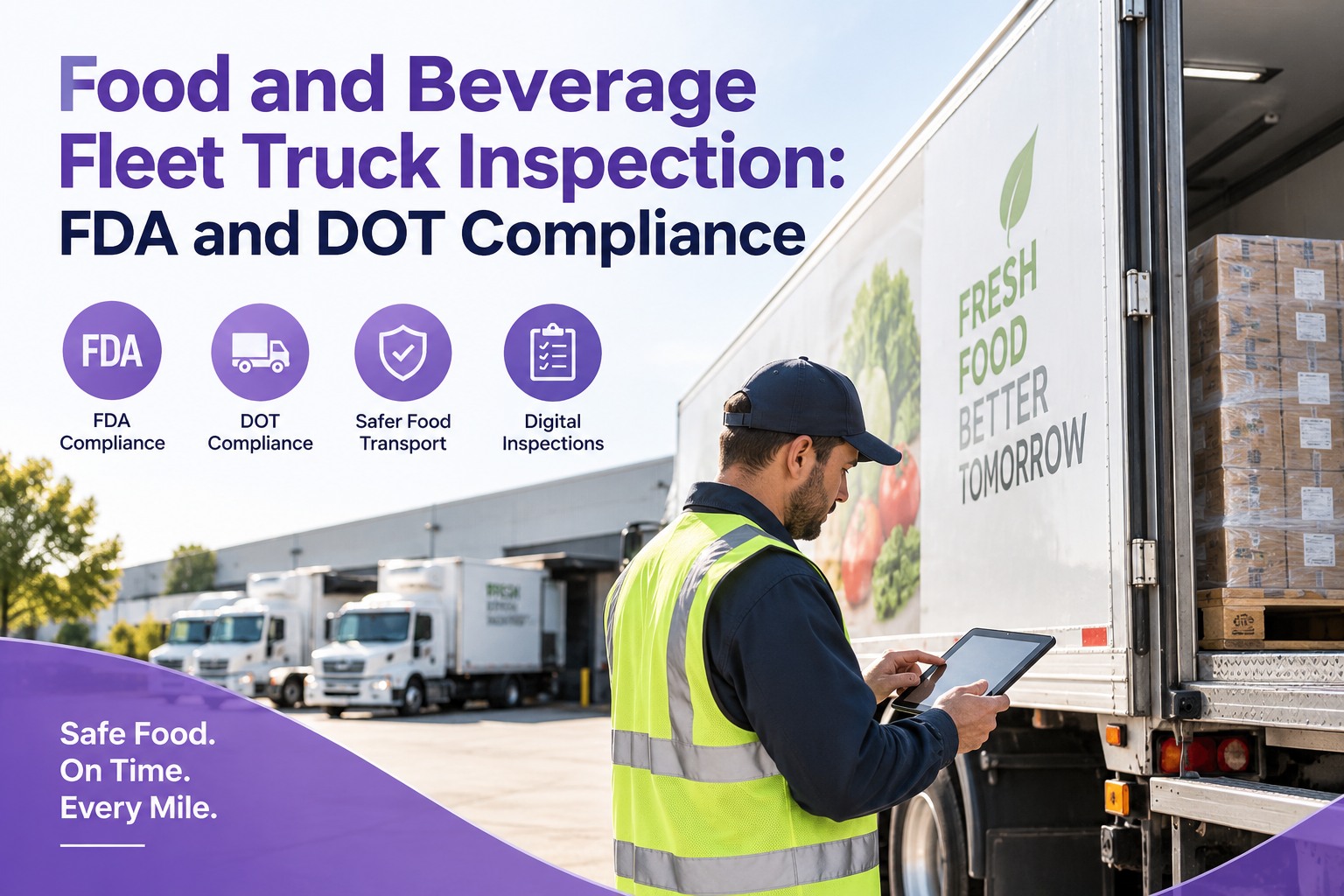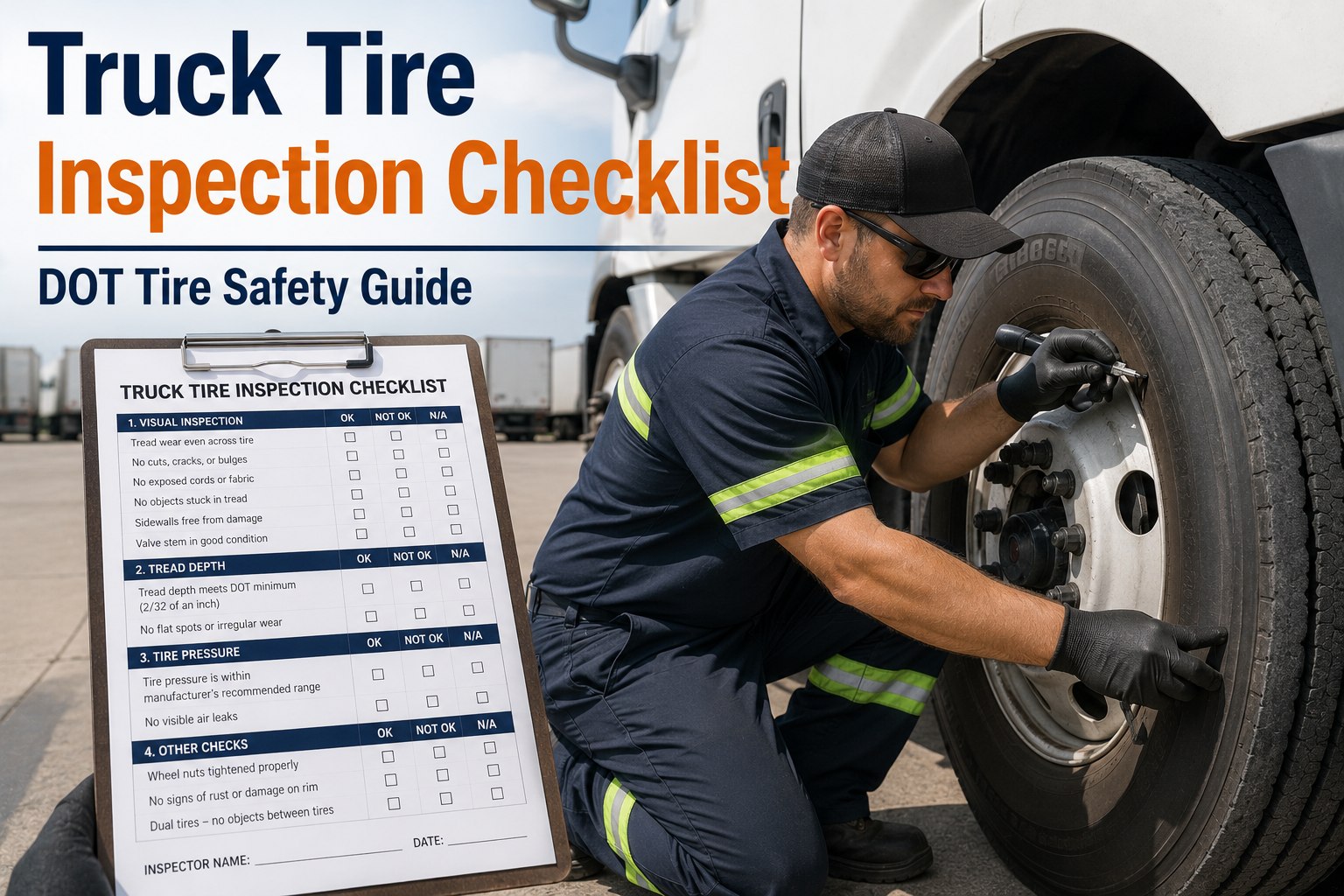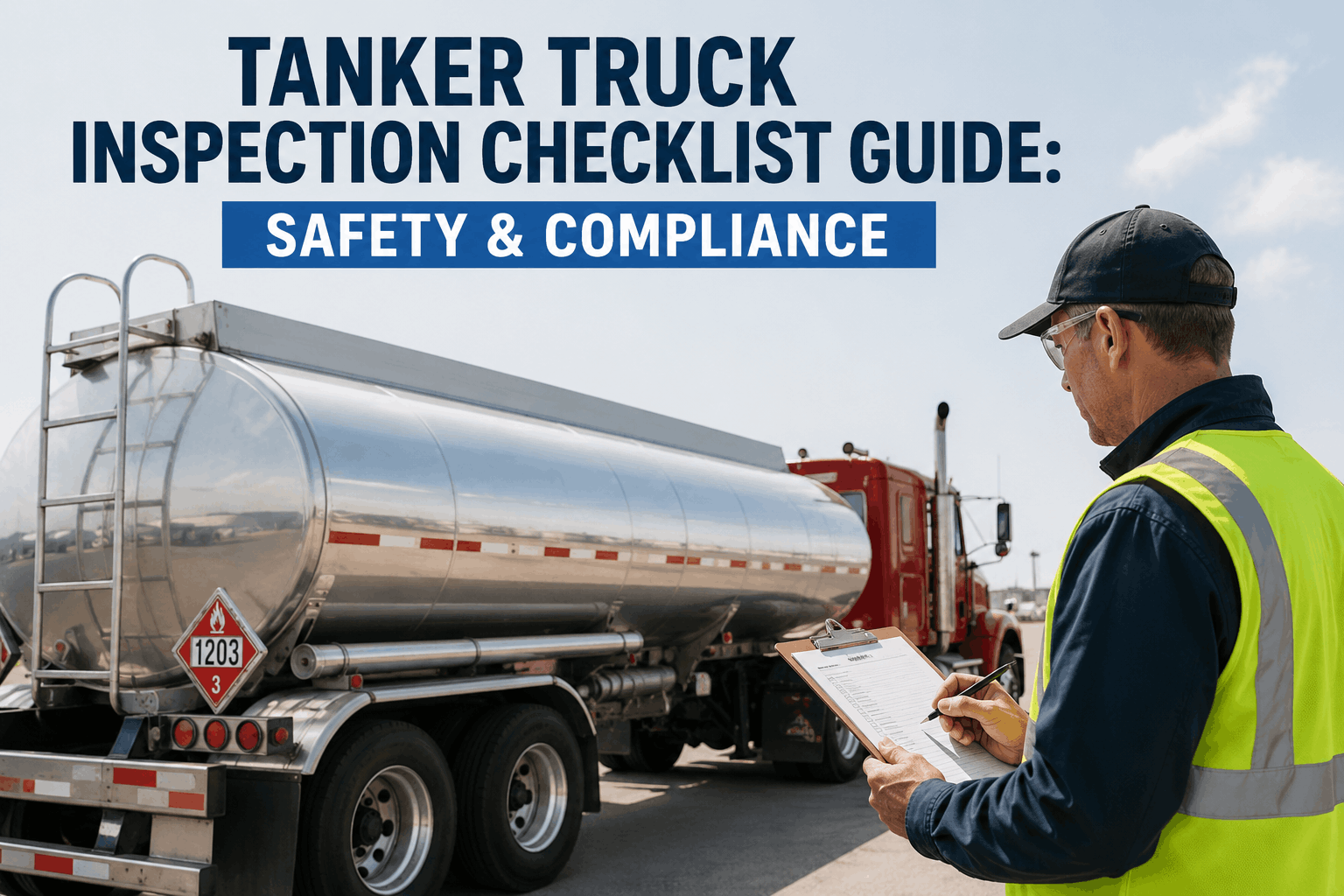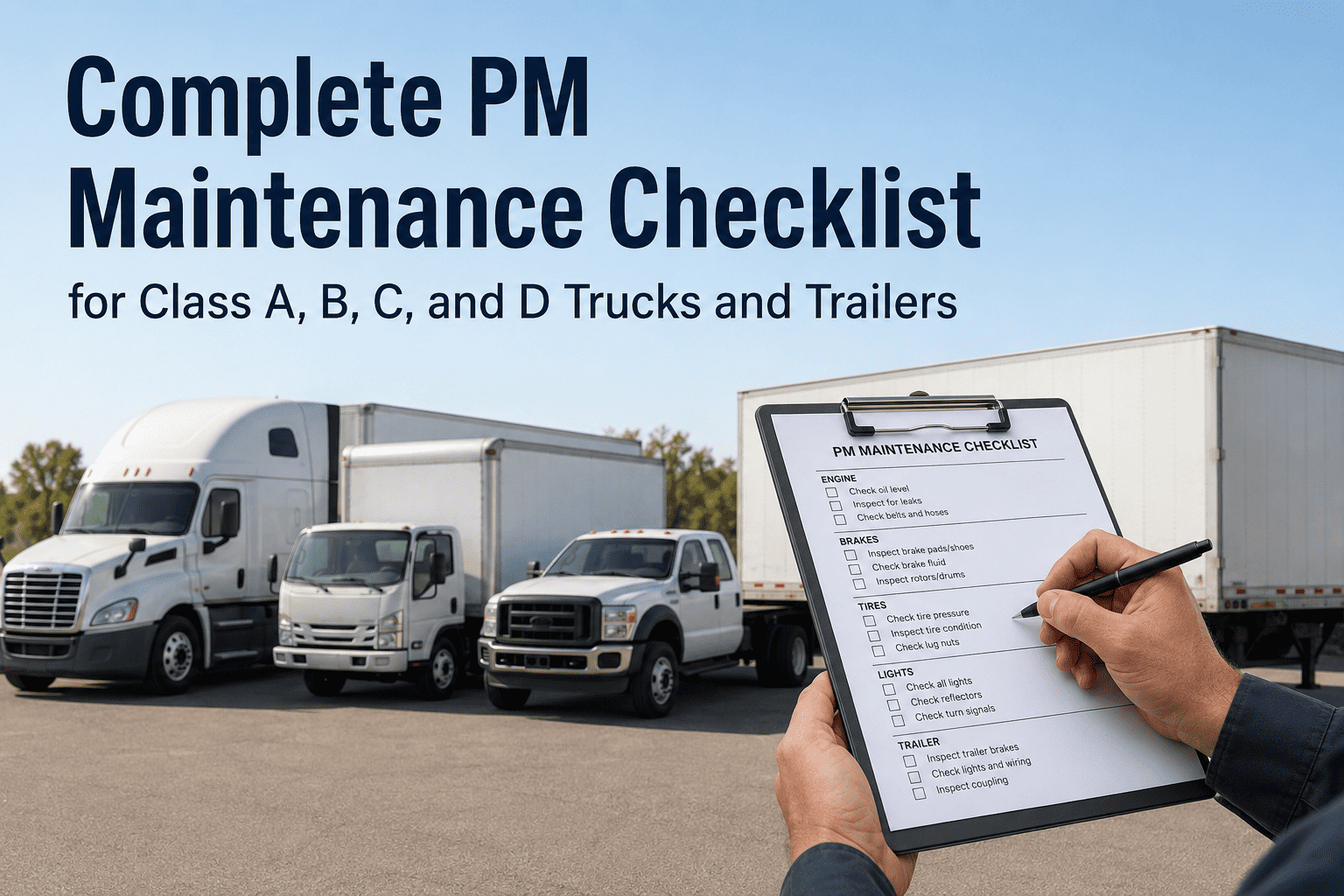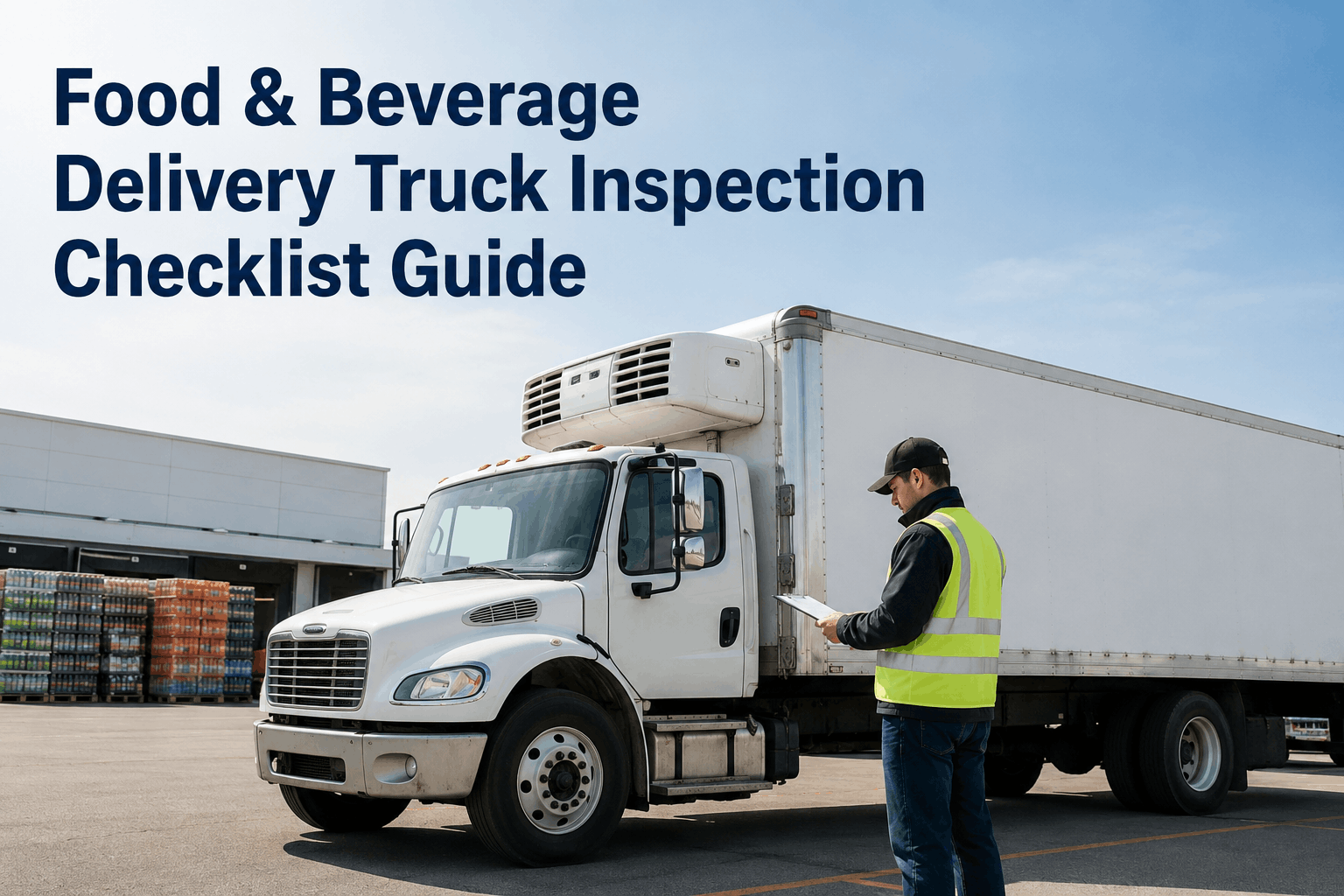
A food and beverage delivery truck carries a cargo that can make people sick if you get the inspection wrong — and the regulators know it. Foodborne illness affects an estimated 48 million Americans a year, much of it traced to cold-chain failures, and under the FDA's FSMA Sanitary Transportation Rule (21 CFR Part 1, Subpart O) non-compliance can mean fines exceeding $50,000 per violation, recalls costing millions, and in severe cases criminal prosecution. On top of that, a reefer truck is still a commercial motor vehicle subject to the full Federal Motor Carrier Safety Regulations — so your inspection has to satisfy both the FDA and the DOT. The good news: FSMA compliance comes down to three simple words — Clean, Cold, and Documented. This checklist is built around exactly that, plus the standard vehicle walk-around, so your drivers protect the product and the public on every run. Truck Inspection & Maintenance turns it into a digital DVIR your drivers finish in minutes. Talk to our team to roll it out.
Food & Beverage Delivery Truck Inspection Checklist
Clean, Cold & Documented — plus the full vehicle safety check.
FSMA in Three Words
The Sanitary Transportation Rule runs hundreds of pages, but compliance distills to three principles inspectors actually check. Get all three right on every load and you've covered the heart of food-transport safety. Miss any one — a dirty floor, a warm box, a missing log — and you have a violation and a public-health risk. This is the framework your whole checklist hangs on.
Clean
Cargo area sanitary, no residue or pests, raw separated from ready-to-eat, allergens and non-food contaminants kept apart.
Cold
Reefer pre-cooled before loading, correct temperature held in transit, and continuously monitored by carrier personnel.
Documented
Pre-cool verification, time/temperature records, written procedures, and DVIRs — provable on FDA or receiver request.
Part 1 — Clean: Sanitation & Cross-Contamination
The cargo space is a food-contact environment. Inspect it like one before a single case goes in. Start a free account to put this sanitation check on every driver's phone.
Cargo Area Cleanliness
- Floors, walls & ceiling clean, no residue
- No odors, mold, or standing water
- No pest activity or droppings
- Drains clear and sanitary
Cross-Contamination Control
- Raw foods separated from ready-to-eat
- Allergen-risk products segregated
- No non-food items (chemicals, batteries)
- Packaging intact, nothing leaking
Part 2 — Cold: The Refrigeration Check
For temperature-controlled food, the reefer is your most safety-critical system. The rule is explicit: equipment must be pre-cooled before loading, held at the agreed temperature, and monitored throughout. A warm box at loading can compromise an entire shipment. Reach our team to build temperature checks into every pre-trip.
Pre-Cool & Load Prep
- Reefer pre-cooled to spec before loading
- Pre-cool verified & documented (per shipper spec)
- Compartment sanitary & ready
- Doors seal fully, gaskets intact
Reefer Unit Function
- Unit runs & holds set temperature
- Fuel/charge adequate for the route
- Airflow unobstructed around cargo
- No alarms or fault codes
Temperature Monitoring
- Continuous monitoring active
- Temp display matches shipper spec
- Alerts set for out-of-range events
- Data logging confirmed working
En-Route Discipline
- Minimize door-open time at stops
- Re-check temperature at each delivery
- Log readings at load & unload
- Act on any out-of-range reading
Clean, Cold & Documented — in one app
Truck Inspection & Maintenance turns this whole checklist into a mobile DVIR — sanitation and pre-cool verification, photo capture, time-stamped records, auto out-of-service tagging, and audit-ready FSMA documentation. No hardware, no contracts. Sign up free and digitize your food fleet today.
Part 3 — The Vehicle Walk-Around
A reefer truck is still a commercial motor vehicle under 49 CFR Part 396 — the FDA cargo rules don't replace the DOT DVIR, they add to it. Run the standard pre-trip too. Open a free account to combine food-safety and DOT checks in one form.
Brakes & Tires
- Air builds & holds, brakes respond
- Tread depth measured, no damage
- Correct pressure, lug nuts tight
Lights & Signals
- Headlights, brake & turn signals work
- Clearance & marker lights functional
- Backup alarm sounds
Fluids & Engine
- Oil, coolant & fuel levels OK
- No leaks under the truck
- Belts & hoses sound
Cab & Safety Gear
- Mirrors, horn & wipers work
- Seatbelt & gauges normal
- Emergency triangles & extinguisher
Documented: The Records to Keep
Under the rule, missing records are themselves a regulatory breach — documentation isn't optional paperwork, it's evidence you stayed compliant. These are the records that prove the cold chain held and protect you in an audit, a receiver dispute, or a recall investigation.
Frequently Asked Questions
What does the FSMA Sanitary Transportation Rule require?
It sets standards for safely transporting human and animal food under 21 CFR Part 1, Subpart O — covering vehicle and equipment sanitation, temperature control, and recordkeeping. In practice it comes down to three words: Clean, Cold, and Documented. Shippers, carriers, loaders, and receivers share responsibility for keeping food safe in transit. Food fully enclosed in a container is excluded unless it requires temperature control. Start a free account to build FSMA checks into every trip.
Do I have to pre-cool the truck before loading?
Yes, for food requiring temperature control. Before loading, loaders must verify each refrigerated compartment is adequately prepared — including that the vehicle has been properly pre-cooled per shipper specifications. Refrigerated trucks must be given adequate time to cool before taking on a new load, and documenting that pre-cool verification supports your compliance during an FDA inspection. A warm box at loading can compromise the whole shipment. Talk to our team about logging pre-cool checks.
How do I prevent cross-contamination in the truck?
Keep storage spaces clean, sort goods so raw products never touch ready-to-eat foods, separate allergen-risk products, and keep non-food items — chemicals, batteries, cleaning supplies — out of the food load entirely. The rule specifically requires procedures to prevent ready-to-eat food from contacting raw food and to protect against allergen cross-contact. Inspect packaging for leaks before loading too. Sign up free to standardize separation checks.
Does a refrigerated delivery truck still need a DOT inspection?
Absolutely. Reefer trucks are commercial motor vehicles subject to the full Federal Motor Carrier Safety Regulations — driver qualification, hours of service, and vehicle maintenance — just like any other CMV. That means Driver Vehicle Inspection Reports under 49 CFR Part 396 are required in addition to the FSMA food-safety checks. A missed pre-trip is evidence of breach. You're satisfying two regulators at once, so your checklist must cover both. Contact us to combine both in one form.
What temperature records do I need to keep?
Carriers must be able to demonstrate temperature maintenance on shipper or receiver request — typically via time/temperature data taken during transport, plus measurements at loading and unloading. Continuous monitoring systems generate this automatically and provide objective evidence that manual logs can't match. Keep pre-cool verification, the continuous data, written procedures, and DVIRs accessible; missing records are themselves a violation. Start free to keep records audit-ready.
What is FSMA 204 and does it affect delivery trucks?
FSMA 204 is the Food Traceability Rule, requiring foods on the FDA's Food Traceability List to be tracked with lot-level records through the supply chain, with compliance dates phased in through 2026. For carriers, it expands the records available in any cold-chain failure — letting investigators trace a specific illness back to a specific transport leg. If you haul listed foods, maintaining clean traceability records protects you. Contact us about traceability recordkeeping.
Make every load Clean, Cold & Documented.
Truck Inspection & Maintenance turns this checklist into a digital DVIR — sanitation, pre-cool, and temperature checks plus the DOT walk-around, photo capture, time-stamped records, and audit-ready FSMA documentation. Free for up to 3 vehicles, no hardware, no contracts.