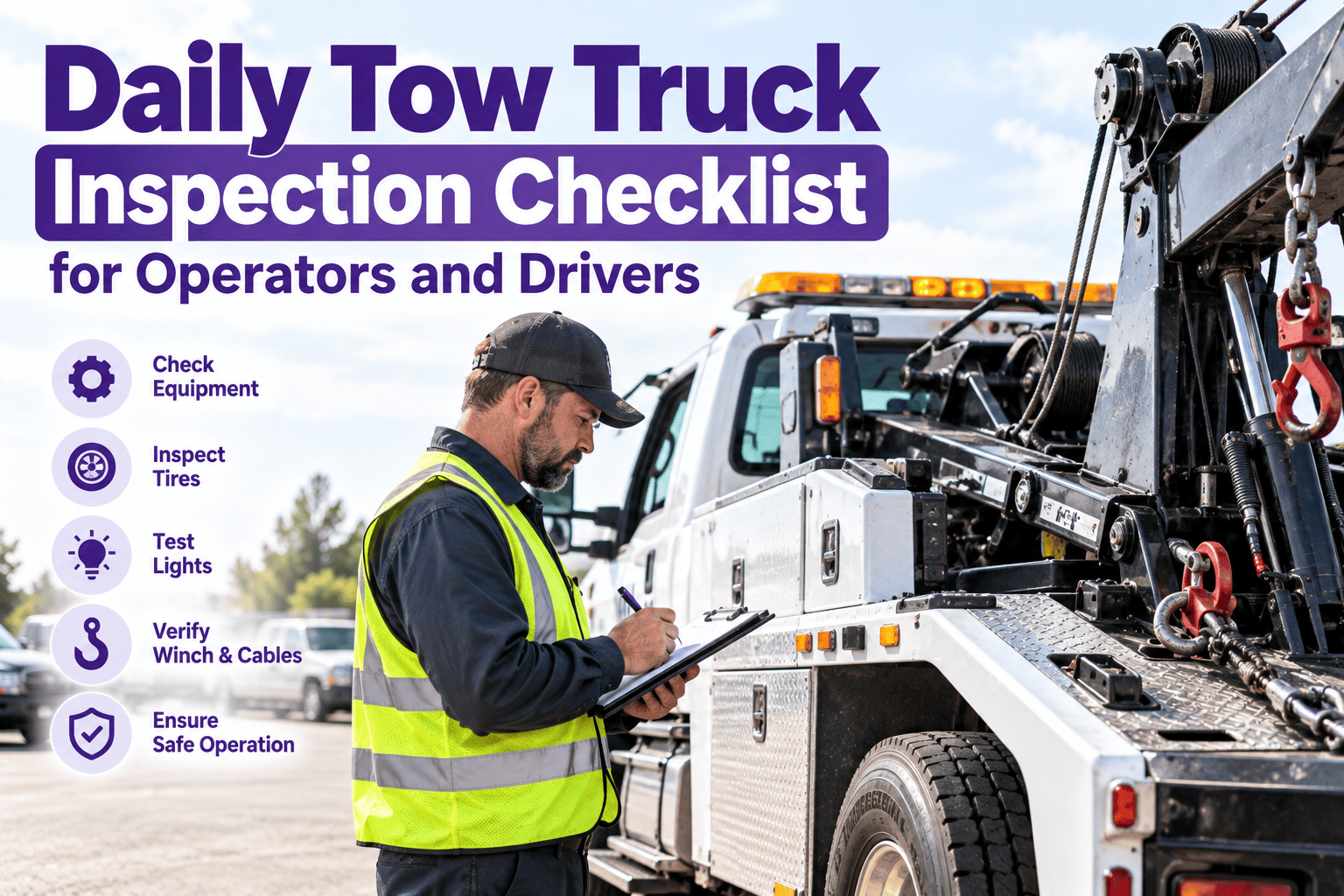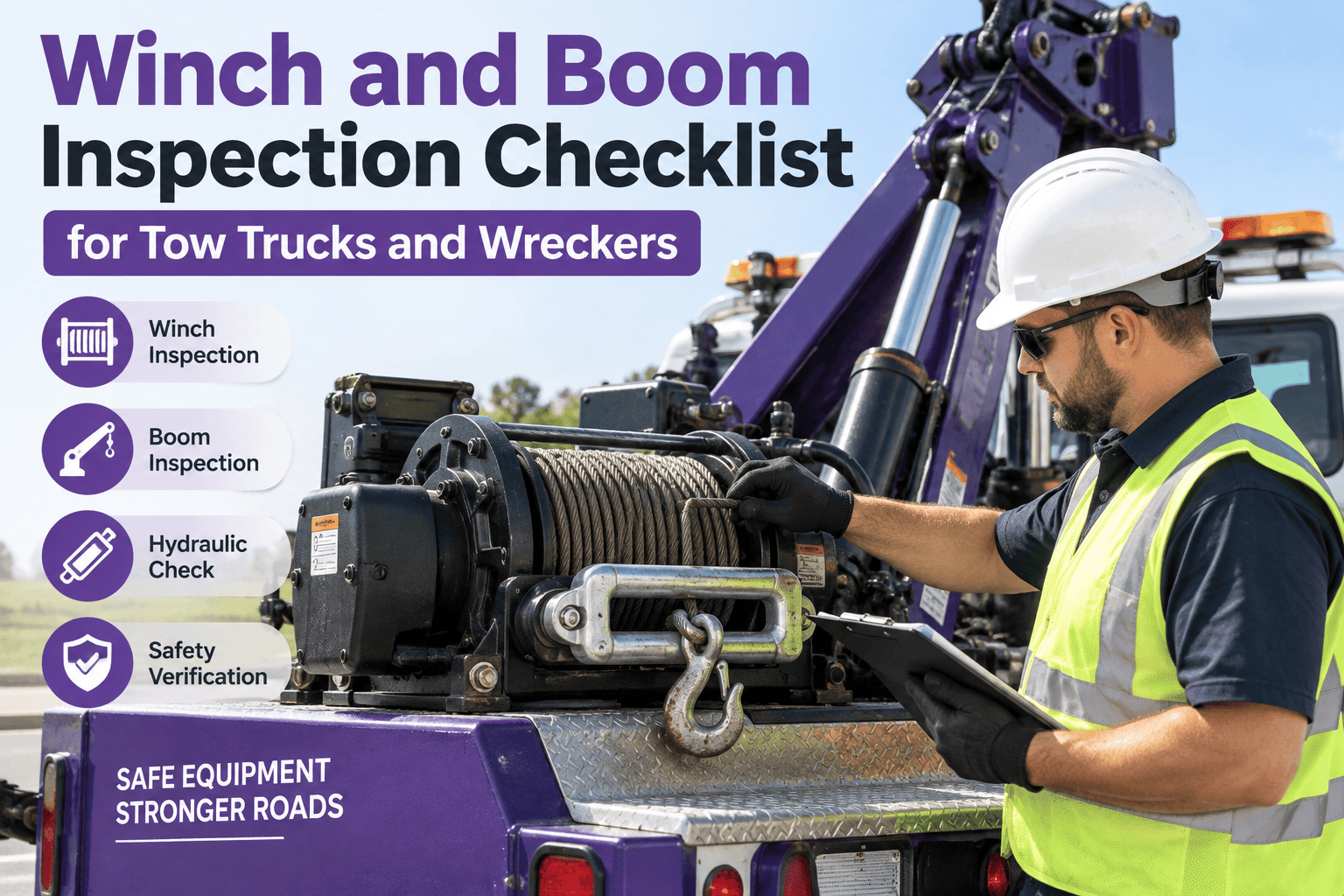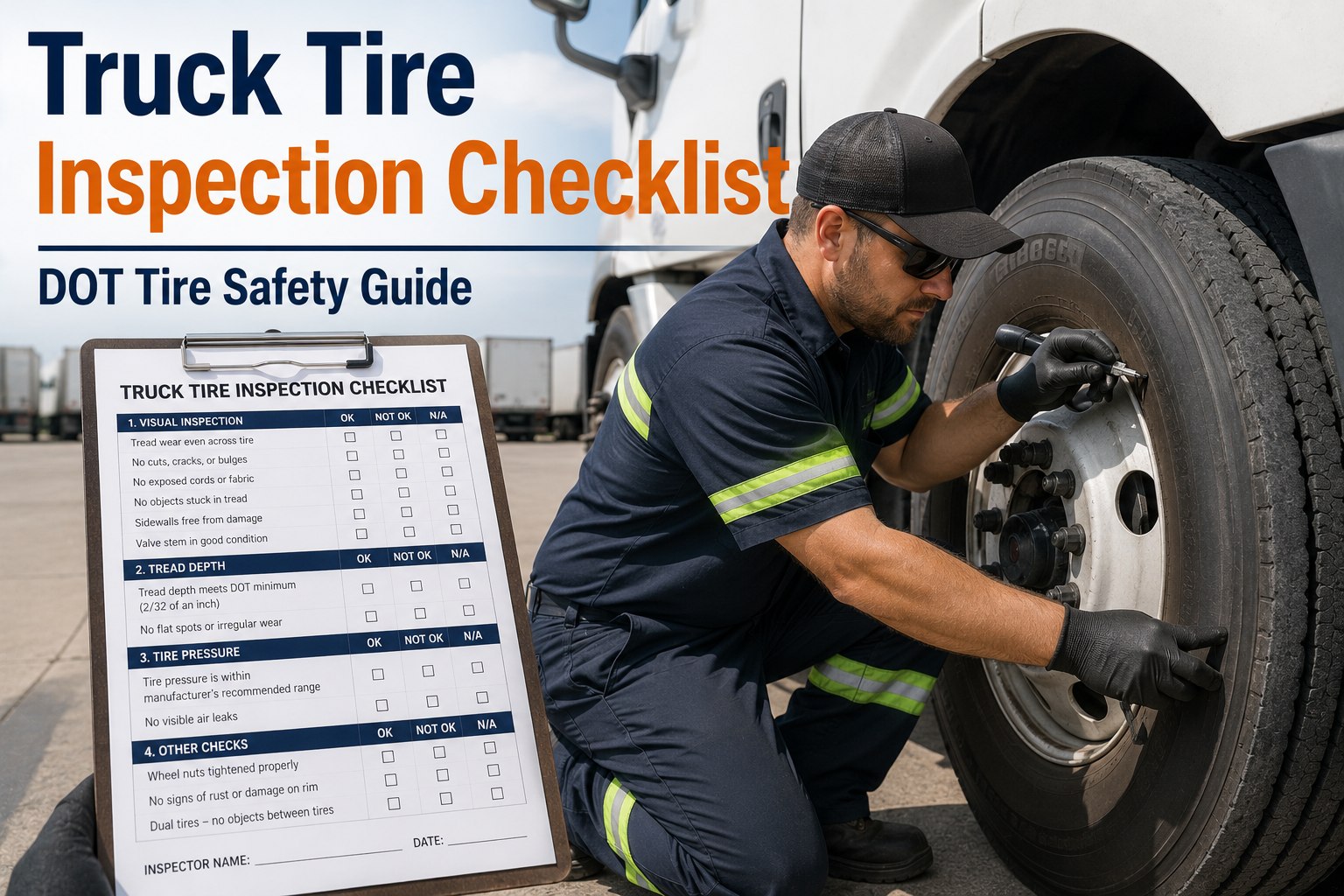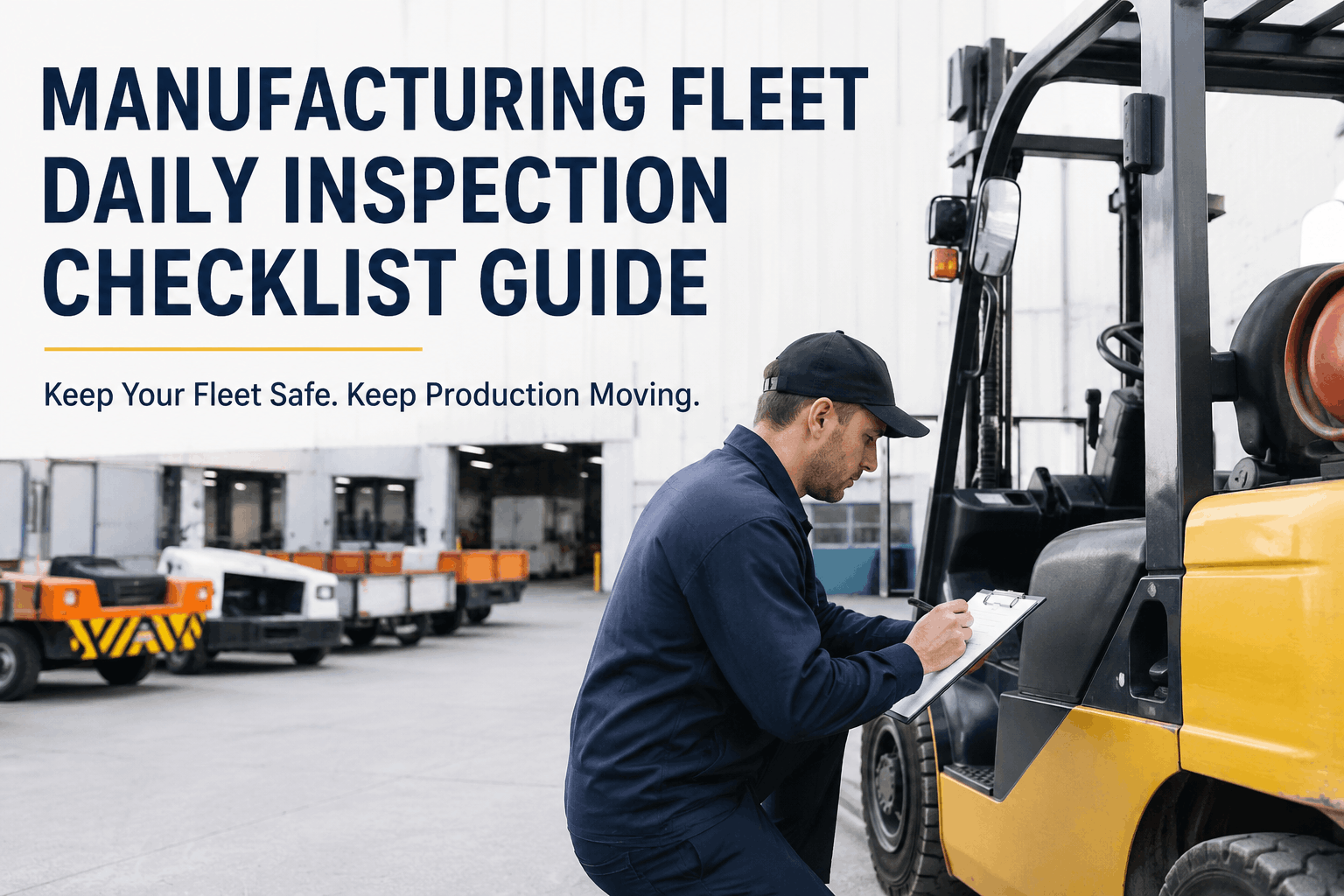
On a manufacturing floor, the vehicles moving raw material and finished goods — forklifts, tow tractors, plant trucks, and powered industrial trucks — are also the equipment most likely to put someone in the hospital. OSHA reports roughly 85 fatalities and 34,900 serious injuries from forklift incidents every year in the U.S., and a huge share are preventable with one habit: a thorough pre-shift inspection that takes 5–10 minutes. It's not optional either — under OSHA 29 CFR 1910.178(q)(7), powered industrial trucks must be examined before each shift, and any defective unit pulled from service until repaired. This checklist gives your operators a repeatable OSHA-aligned framework covering every critical system, plus the documentation trail auditors expect. Truck Inspection & Maintenance turns it into a digital form your floor completes in minutes. Talk to our team to roll it out across your fleet.
Manufacturing Fleet Daily Inspection Checklist
Every plant vehicle, every shift — safe, documented, audit-ready.
What OSHA Actually Requires
Before the checklist, know the rule that drives it. OSHA 29 CFR 1910.178(q)(7) mandates that every powered industrial truck be examined before being placed in service — meaning before each shift — and for round-the-clock operations, after each shift too. OSHA doesn't prescribe a specific form, but it does require that defects be documented and that defective equipment be removed from service until a qualified technician completes repairs. Powered industrial truck violations consistently rank in OSHA's top 10 most-cited standards, so the documentation trail matters as much as the inspection itself.
Inspect before every shift
Daily at minimum; after each shift for 24/7 operations. Only trained, certified operators may inspect and operate.
Document every defect
Timestamped records of each inspection and finding. Standardized checklists are the most reliable proof.
Tag out failures immediately
Never operate a unit that fails. Remove from service until certified repairs are complete.
The 6 Inspection Zones
A complete pre-shift inspection breaks into two phases — a visual check with the vehicle off, then an operational check with it running — across six critical zones. Work through them in the same order every time so nothing gets skipped. Start a free account to give each operator this exact checklist on their phone.
Tires & Wheels
Visual- Adequate tread depth, no chunking or flat spots
- No visible cuts, splits, or embedded debris
- Lug nuts present and tight, rims undamaged
- Correct inflation on pneumatic tires
Forks, Mast & Chains
Visual- Forks free of cracks, bends, and excessive heel wear
- Mast rails and rollers undamaged, no debris
- Lift chains evenly tensioned, no broken links
- Load backrest and carriage secure
Fluids & Power Source
Visual- No hydraulic, oil, coolant, or fuel leaks under unit
- Engine oil, coolant, and hydraulic levels correct
- Electric: battery charge, electrolyte, clean connectors
- Propane/diesel: tank secure, fittings leak-free
Brakes & Steering
Operational- Service brake firm — no spongy pedal or long stop
- Parking brake holds on a slope
- Steering smooth with no excessive play
- Test on dry, level surface before floor use
Hydraulic Controls
Operational- Lift and lower operate smoothly, full travel
- Tilt forward and back without drift
- Side shift, rotator, and attachments function
- All levers return to neutral when released
Safety Devices
Operational- Horn, backup alarm, and lights all functional
- Seatbelt intact and latching properly
- Overhead guard and load backrest secure
- Gauges, hour meter, and warning indicators read normal
Put this checklist on every operator's phone
Truck Inspection & Maintenance turns this into a digital pre-shift form with photo capture, auto out-of-service tagging, and timestamped audit records. A defect becomes a work order instantly. No hardware, no contracts. Sign up free and digitize your floor today.
The Pass / Fail Decision
Not every finding grounds a vehicle, but some absolutely do. Train operators on the bright line: anything affecting safe stopping, steering, or load handling is an automatic removal from service. Brake failures are the leading cause of pedestrian fatalities in powered industrial truck incidents — a spongy pedal is never a "finish the shift and report it later" item.
- All six zones pass visual and operational checks
- No leaks, no warning indicators active
- Brakes firm, steering tight, controls return to neutral
- Inspection logged with operator name and time
- Spongy brakes or excessive stopping distance
- Steering play, hydraulic leak, or cracked fork
- Non-functional horn, alarm, lights, or seatbelt
- Any mast, chain, or structural damage
Why Digital Beats Paper on the Floor
OSHA accepts paper, but paper checklists fail exactly where manufacturing needs them most: they get lost, go unread, and produce no real-time alert when a unit fails. A digital pre-shift inspection captures photo evidence, timestamps every check, auto-tags failures out of service, and turns a defect into a work order before the next operator climbs aboard. Reach our team to see how fast a digital rollout pays for itself in avoided downtime and citations.
Timestamped proof
Every inspection logged with operator, time, and result — audit-ready in one click.
Photo evidence
Operators snap the defect; technicians see exactly what to fix before they walk over.
Auto out-of-service
A failed check locks the unit and alerts the supervisor — no unsafe truck slips through.
Instant work orders
Defects route straight to maintenance with the parts and severity already attached.
Frequently Asked Questions
How often does OSHA require plant vehicle inspections?
Under 29 CFR 1910.178(q)(7), powered industrial trucks must be examined before being placed in service — meaning before each shift. Round-the-clock operations must inspect after each shift, or every 24 hours of use, whichever comes first. This is a mandate, not a suggestion, and applies to every facility regardless of size. Start a free account to enforce pre-shift checks automatically.
Does OSHA require a specific checklist format?
No. OSHA doesn't prescribe a particular form — the requirement is that trucks be examined and that defective equipment be removed from service. But a standardized checklist (paper or digital) is the most reliable way to ensure nothing gets missed and to produce the documentation auditors expect. Digital versions add timestamps and photo proof that paper can't.
What happens if a vehicle fails inspection?
Tag it out immediately and remove it from service — never operate a unit that fails. It stays out until a qualified technician completes repairs and the defect is documented as resolved. Anything affecting brakes, steering, or load handling is an automatic ground; these are the failures behind most serious incidents. Talk to our team about auto-tagging failures.
How long should a pre-shift inspection take?
A thorough inspection takes just 5–10 minutes when operators follow a structured checklist. That small time investment prevents accidents that cost lives, fines up to $165,514 per willful violation, and hours of unplanned downtime. A digital form actually speeds it up by guiding the operator zone by zone and removing manual paperwork at the end.
Who is allowed to perform the inspection?
Only trained and certified operators may inspect and operate powered industrial trucks under OSHA. The inspection is part of the operator's responsibility before each shift, while supervisors and EHS staff oversee documentation and out-of-service decisions. Certification training should cover both safe operation and how to recognize the defects on this checklist.
Do these rules apply to all plant vehicles or just forklifts?
OSHA 1910.178 covers all powered industrial trucks — forklifts, tow tractors, order pickers, reach trucks, and similar plant vehicles. The six inspection zones apply across the board, with power-source checks adapting to electric, propane, or diesel units. The principle is the same: inspect before use, document defects, tag out failures. Sign up free to manage every vehicle type in one place.
Make every shift start with a passed inspection.
Truck Inspection & Maintenance turns this OSHA checklist into a digital pre-shift form — photo capture, auto out-of-service tagging, instant work orders, and audit-ready records across every plant vehicle. Free for up to 3 vehicles, no hardware, no contracts.