A dump body does not wear evenly. The front takes the pounding when the loader dumps a bucket of rock; the back third quietly grinds away every time the load slides off at dump angle. By the time a hole shows in the floor, the liner above it failed months earlier and nobody measured it. Bed liner and floor wear is predictable — it follows the material you haul and the zone it moves through — which means it can be inspected on a schedule instead of discovered on a breakdown. Start free and put liner wear checks on every truck's record.
Dump Body · Bed Liner & Floor Wear
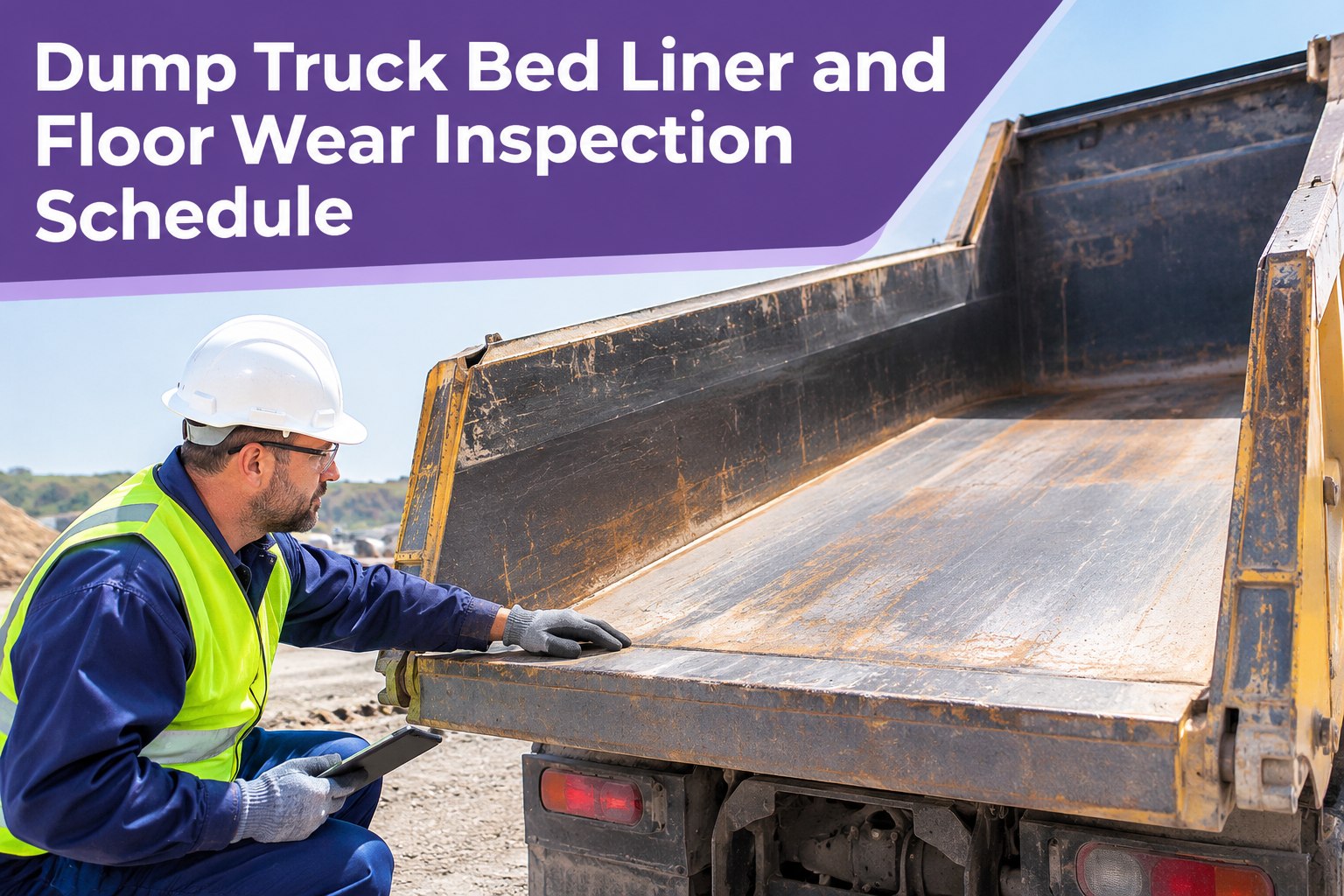
Dump Truck Bed Liner and Floor Wear Inspection Schedule
A thin spot you never measured becomes a hole in the floor, and a floor repair costs many times the liner that should have been swapped. Truck Inspection & Maintenance Management Software runs the loop that catches it early: a zone-by-zone liner check on every digital inspection, each thin or cracked spot logged to the truck's DVIR, any finding turned into an assigned work order, and the next liner service scheduled by hours and loads — so the floor is protected and the wear is on the record before it reaches steel.
250–300BHN hardness of plain dump-body steel — soft against aggregate
AR400+abrasion-resistant plate runs ~360–500+ BHN
3–5×UHMW plastic outlasts standard HMW on abrasive loads
Rear thirdwhere sliding discharge wears the floor fastest
Where the Body Wears — and Why It Matters
Wear is not random. It concentrates in two zones that fail in completely different ways, so each one needs its own inspection eye.
Front — Loading Zone
Takes the impact of material falling in. Wear here is erosive and shock-driven, so the failure mode is cracking, gouging, and dents — not just thinning. Watch the floor-to-wall corners where material latches.
Rear — Dumping Zone
Takes sliding abrasion every time the load discharges at dump angle. This is the most severe wear on the body, and once the rear floor is abraded it starts holding material back instead of letting it flow.
Aluminum floors wear faster than hardened steel, so lighter bodies lean harder on their liners to survive. Book a demo to track wear by zone, not just by truck.
Match the Liner to the Material You Haul
The right liner depends entirely on what rides in the bed. Pick wrong and you either overspend or wear out early.
LinerBest forWhy
HMW plasticGrain, feed, non-abrasive bulkLight, cheap, good impact resistance — not for abrasive loads
UHMW plasticGravel, sand, rock, salt, fertilizerSlick anti-stick, 3–5× the wear life of HMW, chemical-resistant
High-temp UHMWHot asphaltHandles heat and sticky release; thickness sets the temp limit
AR steel plateAggregate, demolition, ore, scrapAR400 for impact/loading zones, harder plate for the sliding rear
Many bodies mix materials — steel plate in the high-impact front, a slicker surface toward the rear. Start free and record each truck's liner spec by zone.
What to Inspect — and How Often
Set the cadence by how hard the truck works. Abrasive, high-cycle loads tighten every interval.
Every tripVisual walkaroundDumped-out bed check for cracks, gouges, loose plate, sticking material, or sheet metal showing through a plastic liner.
Weekly / PMMeasure thin spotsGauge liner thickness in the rear and loading zones; log the reading so the wear rate is trackable over time.
PeriodicLift & look behindCheck liner attachment points and look for trapped moisture or hidden corrosion behind the liner against the floor.
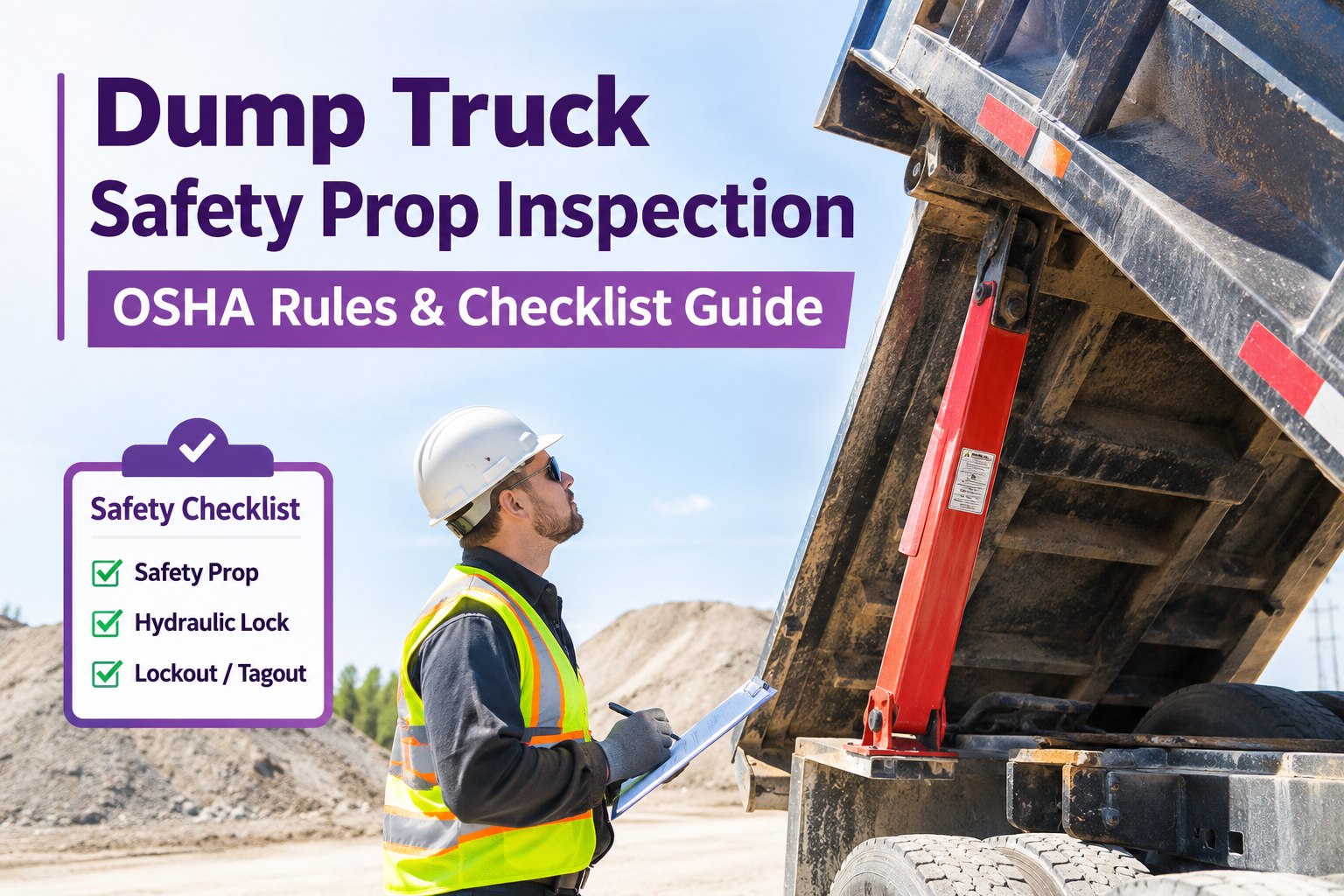
StructuralFloor & mountsInspect the floor plate for cracks around hoist mounts, the rear hinge, and crossmembers — the signs of overloading.
A Measured Reading Beats a Guessed One
"It still looks fine" is how a liner reaches bare steel. Truck Inspection & Maintenance Management Software logs each thickness reading against the truck, trends the wear rate, and fires a work order when a zone crosses its replacement line — so you swap a liner on schedule instead of welding a floor on overtime.
When to Replace — the Signals That Say "Now"
Wear indicator exposed
→
Brass pins or depth marks reached — the liner is at its service limit
Thickness below spec
→
Measured reading past the minimum for that zone and material
Cracks or plate pulling loose
→
Re-weld or replace before a strip cracks out and the floor is exposed
Sheet metal showing / material hanging up
→
Stop using it — the floor is wearing directly and flow is already compromised
Catching any of these at the measurement, not the hole, is the whole point of a schedule. Book a demo to set replacement thresholds per zone.
Frequently Asked Questions
1What is the best bed liner material for a dump truck?
It depends on the load. UHMW plastic is the popular all-rounder for abrasive bulk like gravel, sand and salt — slick, anti-stick, and several times the wear life of basic HMW. Hot asphalt wants a high-temp UHMW. For aggregate, demolition debris, ore and scrap, abrasion-resistant steel plate such as AR400 in the impact zones and a harder plate in the sliding rear lasts longest. Match the liner to the material, not the other way around.
Book a demo to spec liners by truck.
2Where does a dump bed wear out first?
Two zones. The front loading area takes impact and erosive wear from material falling in, so it cracks and gouges. The rear dumping area takes sliding abrasion every time the load discharges, and that is the most severe wear on the body — it is usually the rear third of the floor that fails first. Inspect both, but watch the rear hardest.
Book a demo to log wear zone by zone.
3How do I know when a bed liner needs replacing?
Measure, don't eyeball. Many liners carry wear indicators — brass pins or depth marks that appear when the liner is worn to its limit. Otherwise gauge the thickness in the high-wear zones and replace once it falls below the minimum for that material. Cracks, plate pulling loose, or sheet metal starting to show through all mean it is already overdue.
Book a demo to track thickness readings over time.
4Why does a liner protect the floor if it wears out anyway?
Because replacing a bolt-in or welded liner is far cheaper and faster than cutting out and re-plating a structural floor. The liner is the sacrificial layer — it takes the abrasion so the body's own steel does not. Let it wear through and the floor itself starts eroding, which is a major repair around the hoist mounts and crossmembers rather than a liner swap.
Book a demo to schedule liner swaps before that point.
Measured · Zone-tracked · Swapped on time · On record
Protect the Floor Before the Liner Gives Out
Truck Inspection & Maintenance Management Software logs liner thickness by zone, trends the wear, and opens a work order the moment a reading crosses its limit — so every dump body gets a fresh liner on schedule and the structural floor stays off the repair list.
No credit card required. Free for up to 3 trucks. Built for dump and vocational fleets.