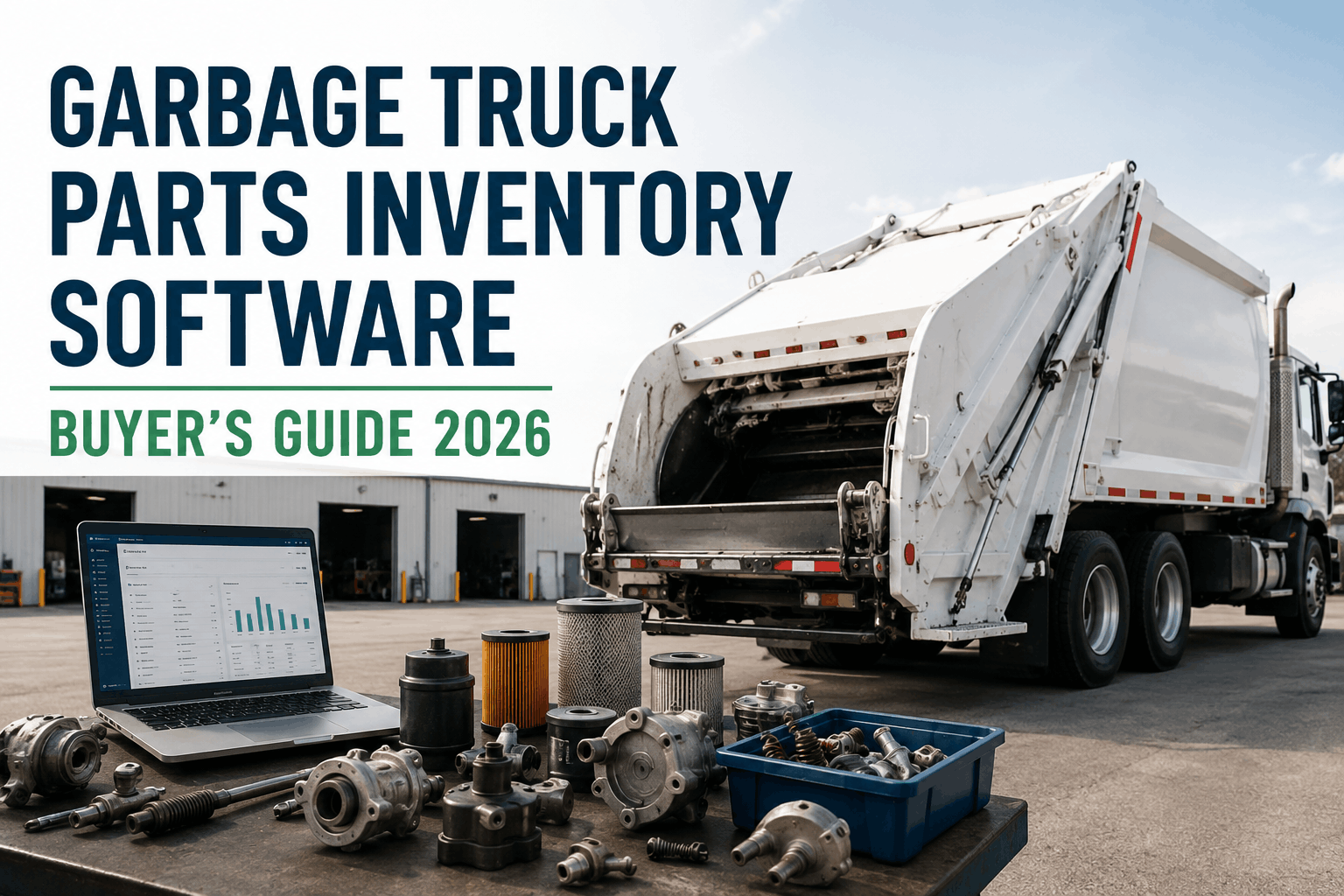
A garbage truck does not fail like a delivery van. Compactor hydraulics fail at roughly three times the rate of over-the-road systems, packer blades cycle every 30 seconds, and a single hydraulic failure can park a truck mid-route — leaving hundreds of stops uncollected and costing $2,000 or more in lost route revenue per day on top of the repair. The deciding factor between a smooth swap and a parked truck is whether the right part is on the shelf. This buyer's guide breaks down what garbage truck parts inventory software must do in 2026, the features that actually matter for refuse fleets, and the stocking math that keeps packers running. Start managing refuse parts free.
Garbage Truck Parts Inventory Software: Buyer's Guide 2026
Packer parts, hydraulic spares, and cycle-time stocking — what to look for, which features pay off, and how to stop a stockout from parking a revenue truck.
Why Generic Fleet Software Fails Refuse Fleets
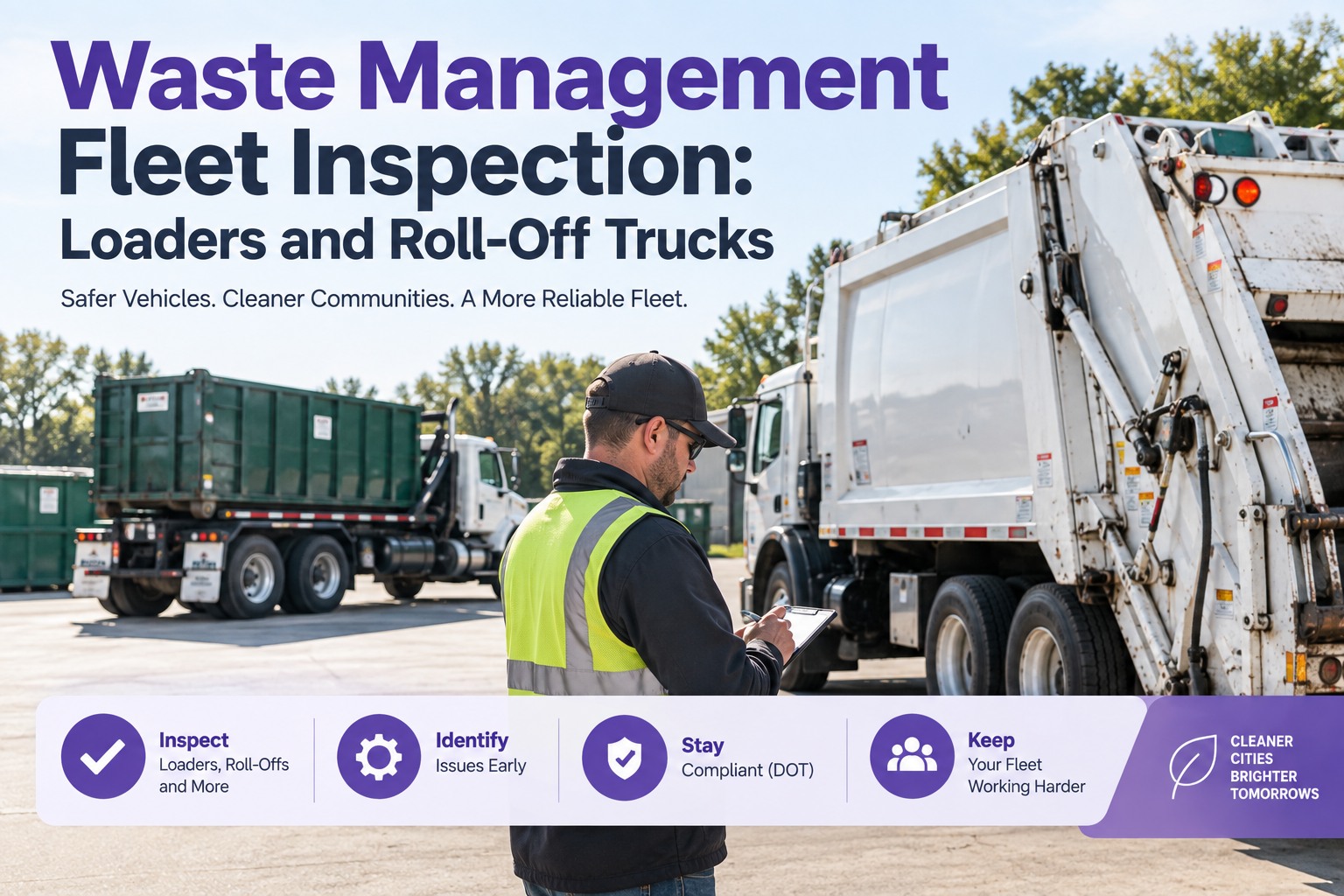
Most inventory tools were built for delivery vans and line-haul trucks — assets that fail slowly and predictably. Refuse trucks live in the harshest duty cycle of any commercial vehicle: stop-and-go every few seconds, compaction loads over 25,000 pounds, and corrosive waste attacking every seal. The parts that fail are different, they fail faster, and a stockout costs far more.
The Refuse Parts That Actually Matter
A garbage truck parts platform should be organized around how refuse vehicles really break. These are the categories worth stocking, watching, and forecasting — the ones that turn a 30-minute swap into a lost route when they're missing.
Stock the Parts That Park Trucks — Before They Park One
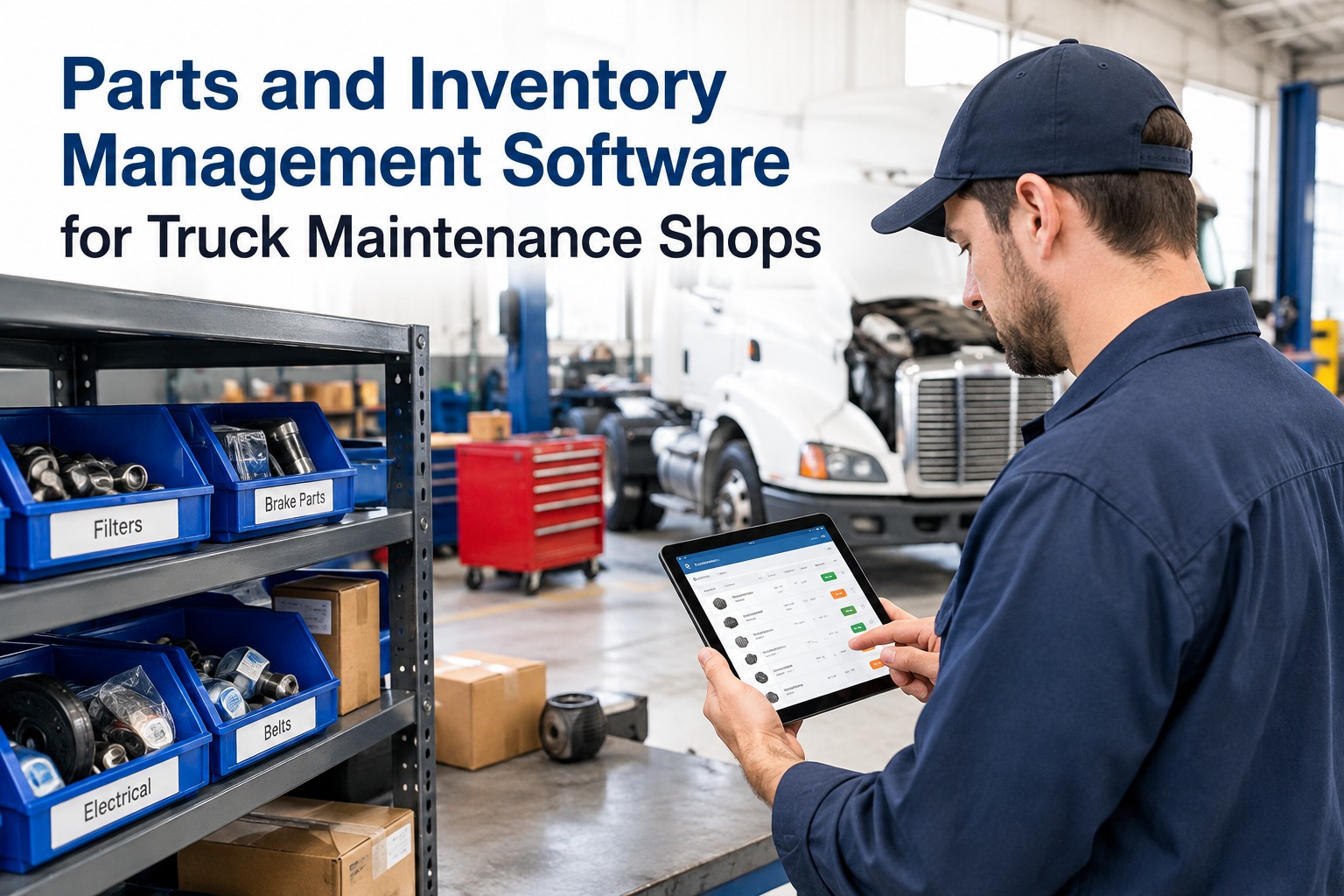
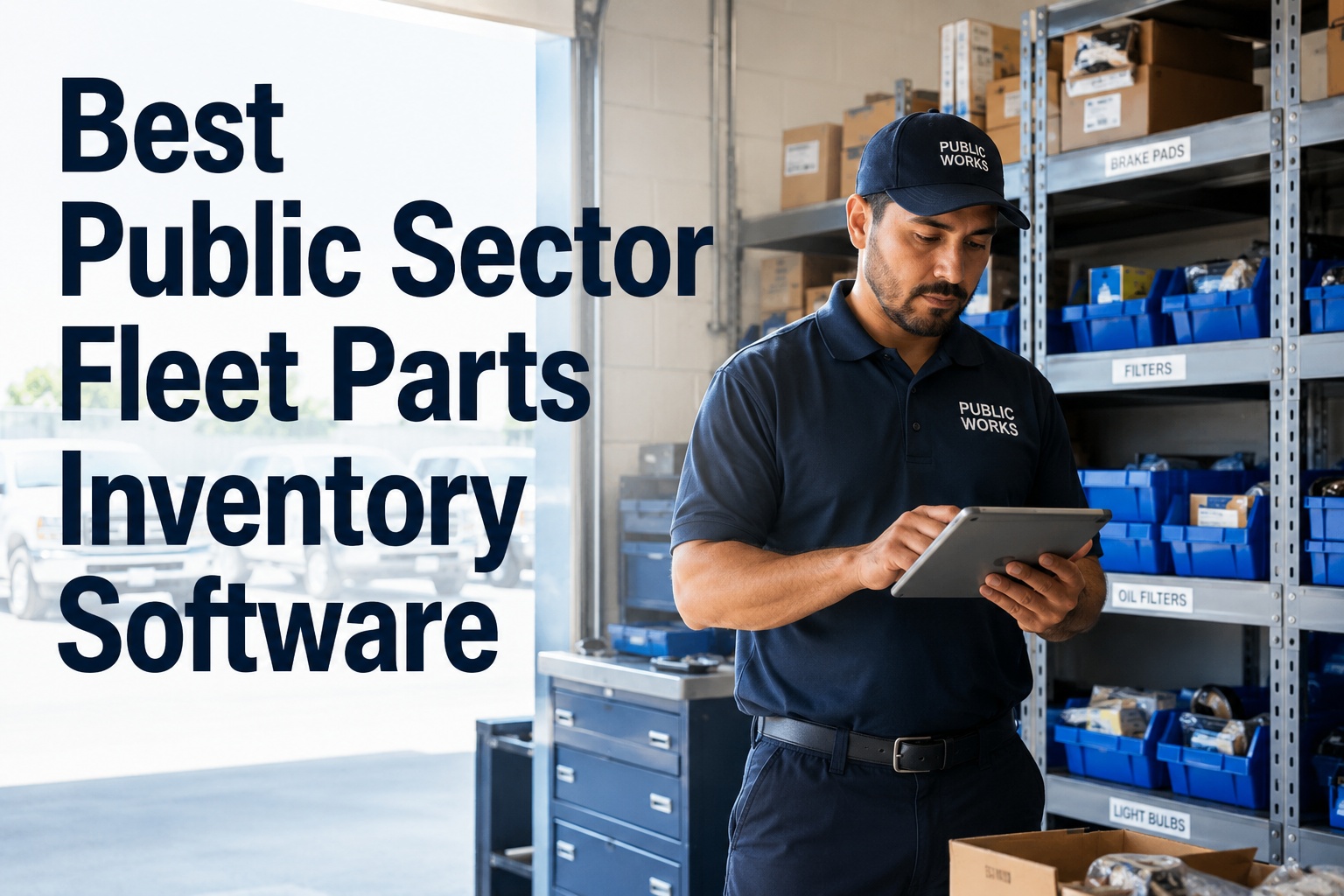
Truck Inspection & Maintenance organizes refuse parts by system, tracks usage per truck, and flags the hydraulic and packer spares that matter most for your routes.
The 7 Features That Actually Matter
Vendor feature lists run long, but only a handful move the needle for a refuse operation. Use this as your evaluation core — if a platform misses these, it will not keep your packers running.
Spreadsheet vs Purpose-Built Software
Most refuse fleets still run parts on a spreadsheet or a whiteboard. The gap shows up the first time a packer goes down and the seal kit isn't on the shelf. Here is what changes when you move to a dedicated platform.
| Capability | Spreadsheet / Manual | Truck Inspection & Maintenance |
|---|---|---|
| Reorder trigger | Someone notices, eventually | Auto-alert at reorder point |
| Inventory accuracy | 60–80% typical | ~99% with scanning |
| Parts used on repairs | Counted by hand | Auto-deducted from work orders |
| PM parts staging | Last-minute scramble | Pre-staged before service |
| Cost per truck | Invisible | Tracked per VIN |
| Multi-yard transfers | Rush-order new | Transfer in one click |
Get the Stocking Math Right: Reorder Points
The single biggest win is replacing guesswork with a reorder formula driven by your actual usage. The math is simple, and good software runs it for every part automatically using real consumption data.
Low-volume, high-criticality parts like brake chambers still need safety stock, because a single stockout parks a revenue truck. See these reorder points set up on your fleet.
Your Buyer's Checklist
Before you commit to any platform, run it against these questions. The right answer to all of them is "yes" — and it should be quick to verify in a demo.
Frequently Asked Questions
Prioritize hydraulic spares — hoses, cylinder seal kits, pump components, and fittings — since hydraulics are the leading cause of refuse breakdowns. Add packer wear plates and tailgate seals, air brake chambers and slack adjusters, and a steady supply of hydraulic, oil, and fuel filters. Stock high-velocity items by usage and critical low-volume parts by safety stock.
Refuse trucks fail differently — compactor hydraulics fail at roughly three times the rate of over-the-road systems, and wear is driven by packer cycles rather than miles. Software built for refuse stocks by cycle count, prioritizes hydraulic and packer parts, and treats a stockout as a parked revenue truck rather than a minor inconvenience.
A reorder point uses your real usage and supplier lead time: Minimum = (average daily usage × lead time) + safety stock. When stock hits that number, the system drafts a purchase order. The maximum adds an economic order quantity on top, so you reorder enough to be efficient without tying up capital in shelf inventory.
Significantly. Manual counting typically lands at 60–80% accuracy, while scanning parts in and out pushes accuracy toward 99%. That difference is the gap between trusting your reorder alerts and discovering an empty bin during a packer repair.
Cloud-based parts platforms set up in days, not months. Truck Inspection & Maintenance imports your existing parts list and supplier catalogs, lets you set reorder points per part, and is ready to scan and track immediately. You can start with a few assets free and expand from there.
Run Your Refuse Parts Room Like the Routes Depend On It
Truck Inspection & Maintenance tracks every packer, hydraulic, and brake part by usage, auto-drafts purchase orders at the reorder point, and pre-stages parts from your PM schedule — so the seal kit is on the shelf before the cylinder fails.